Introductory ramblings
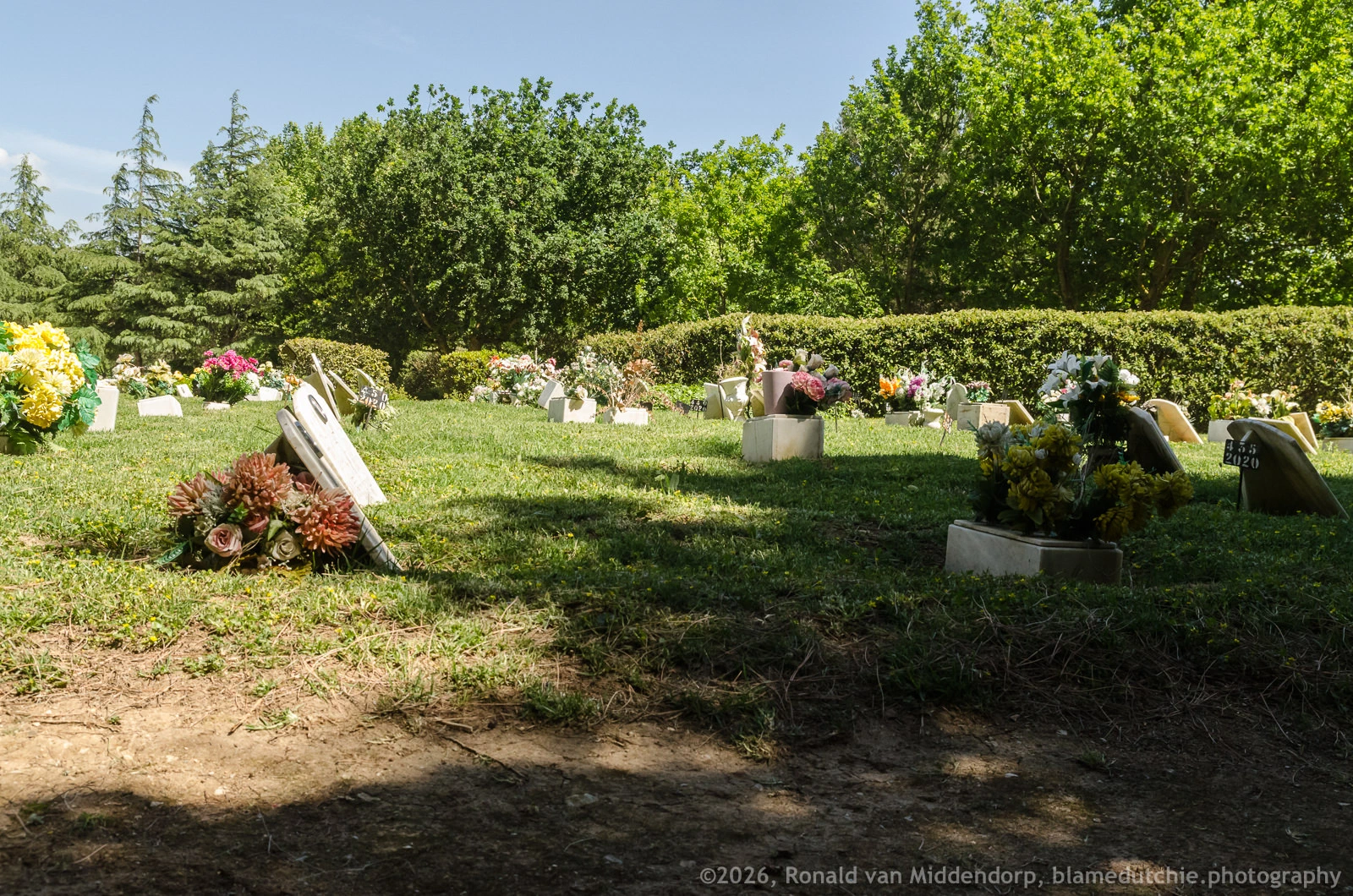
There are many reasons why people would want to avoid visiting cemeteries. My guess is there may be even more to visit them. Yes, it is a place where the survivors leave their loved ones who passed away, moved on, kicked the bucket or simply died. But, it can also be a place where people remember their dead relatives, friends, famous and enemies.
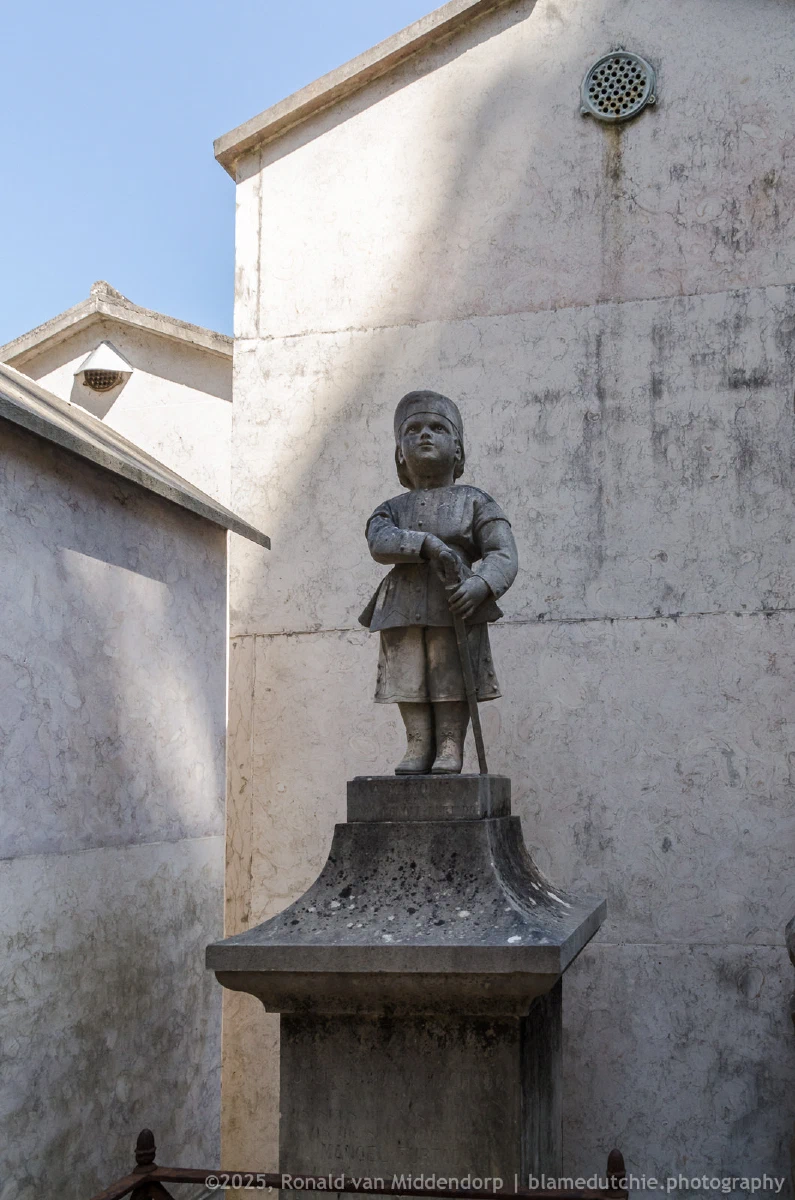
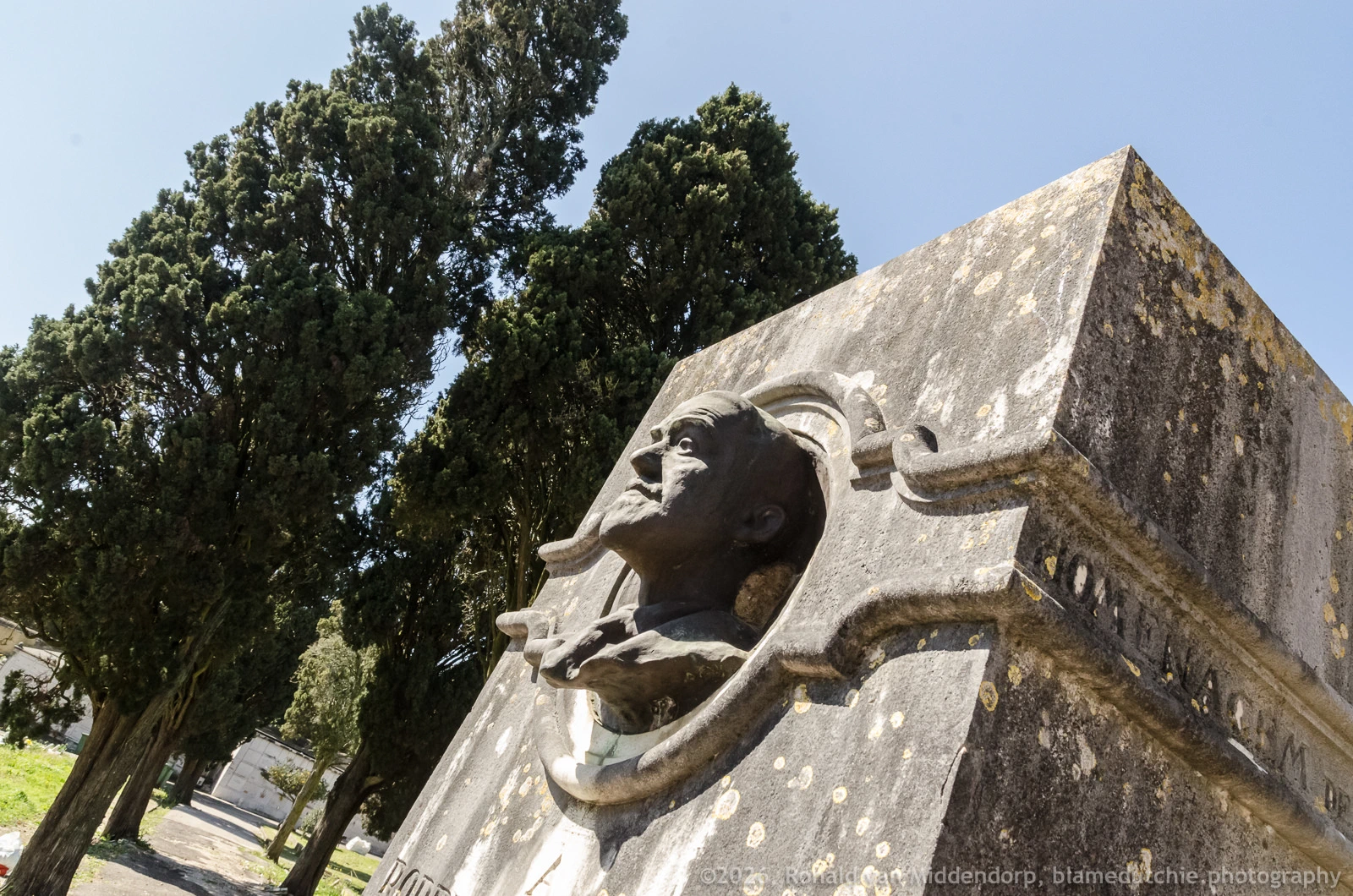
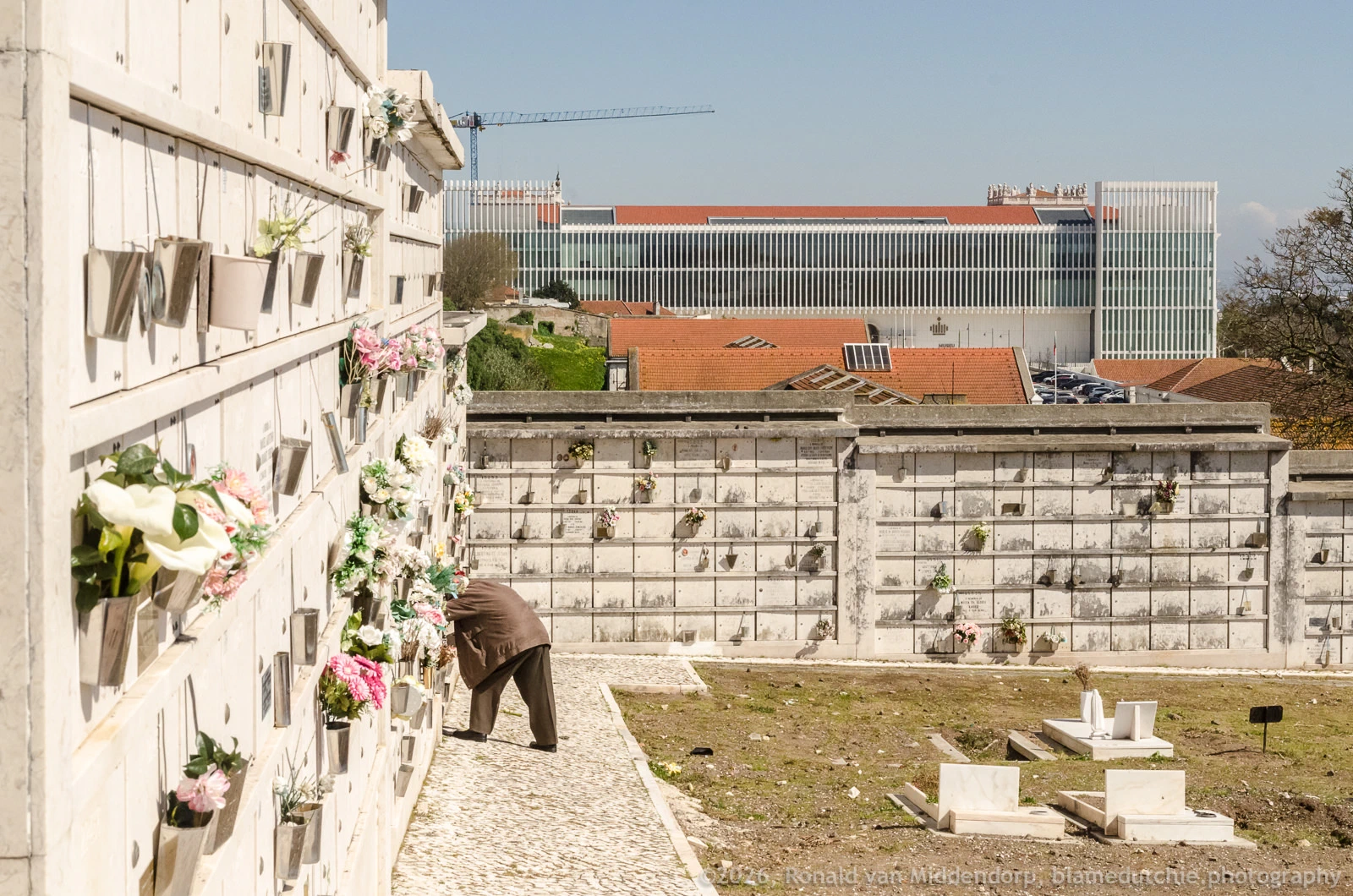
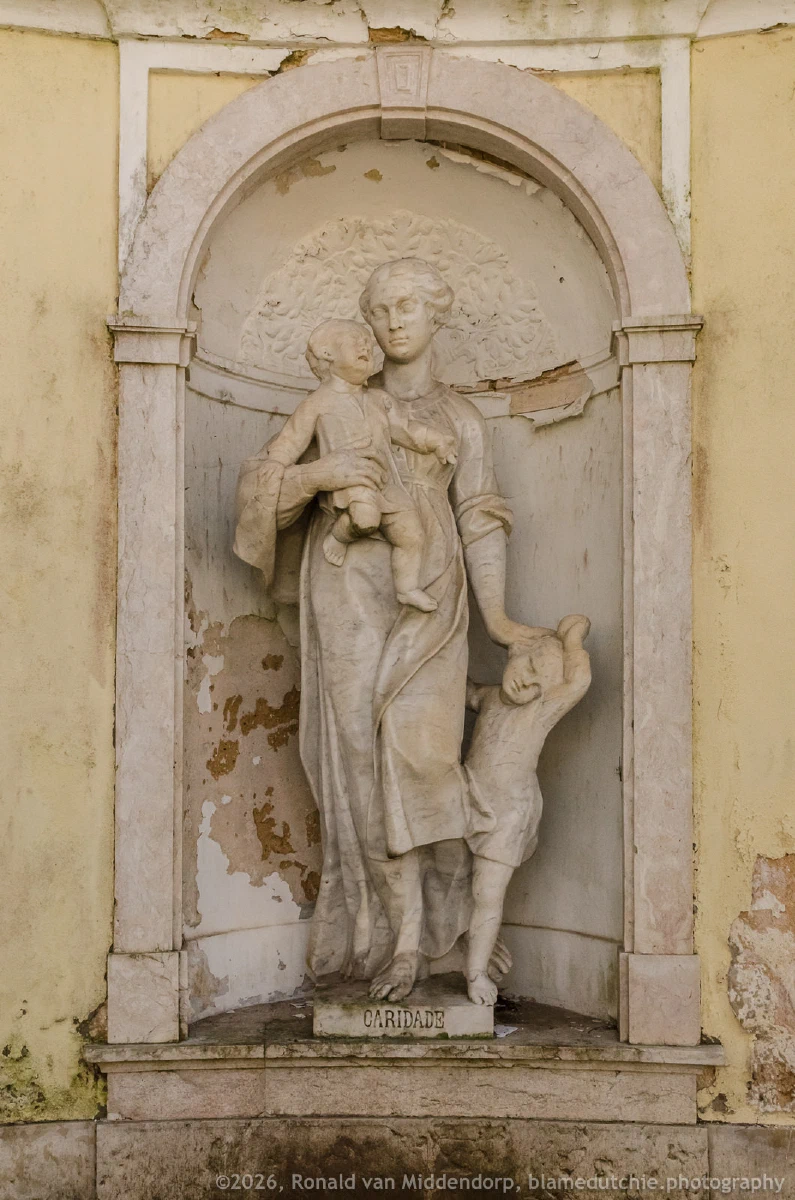
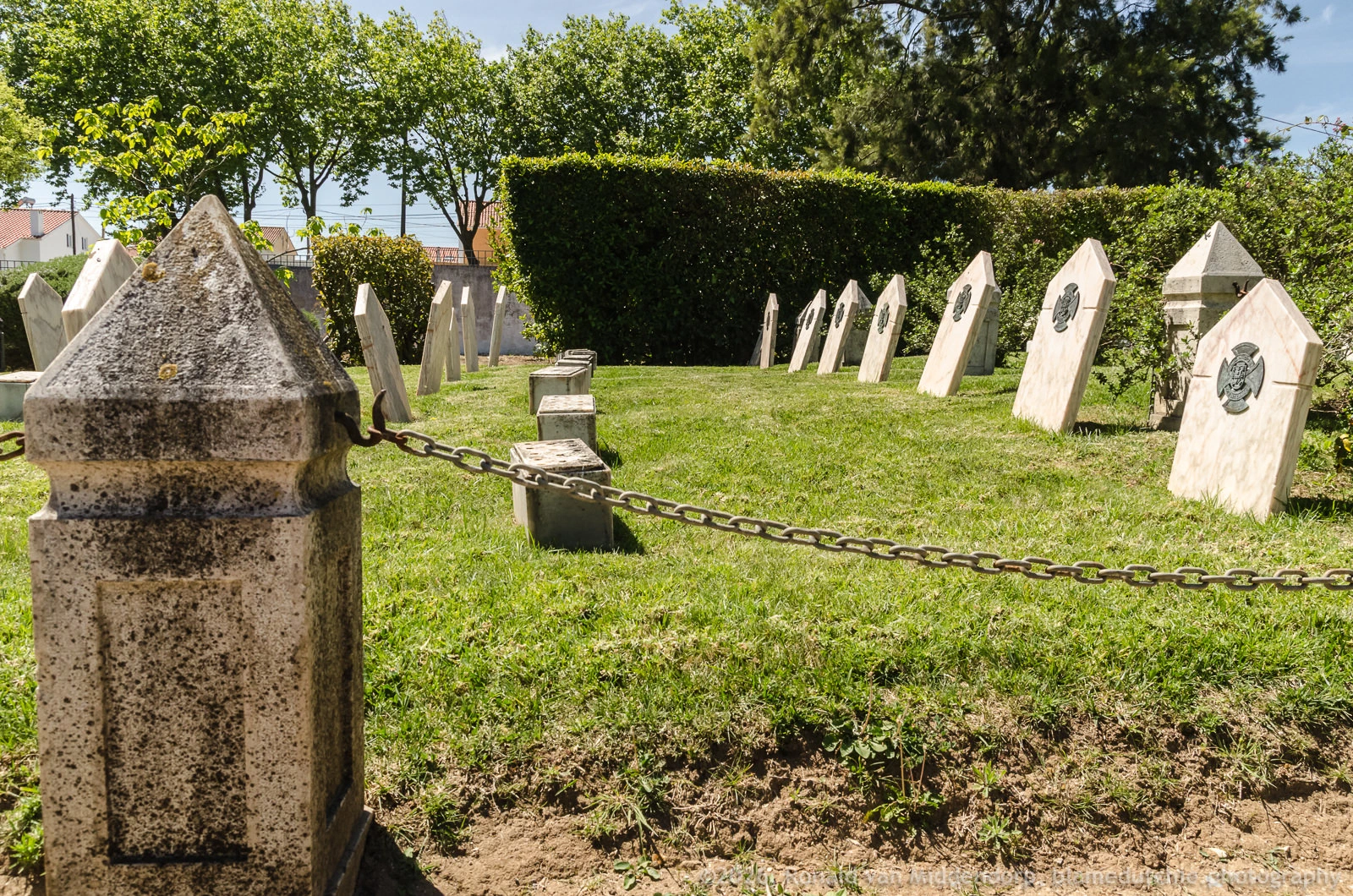
Leaving those obvious reasons to (not) visit graveyards and cemeteries aside, there are other reasons why one would want to visit them. The architecture can be interesting, as well as the landscaping. Some harbour a variety of statues and masterfully carved headstones, tombs and what have you not.
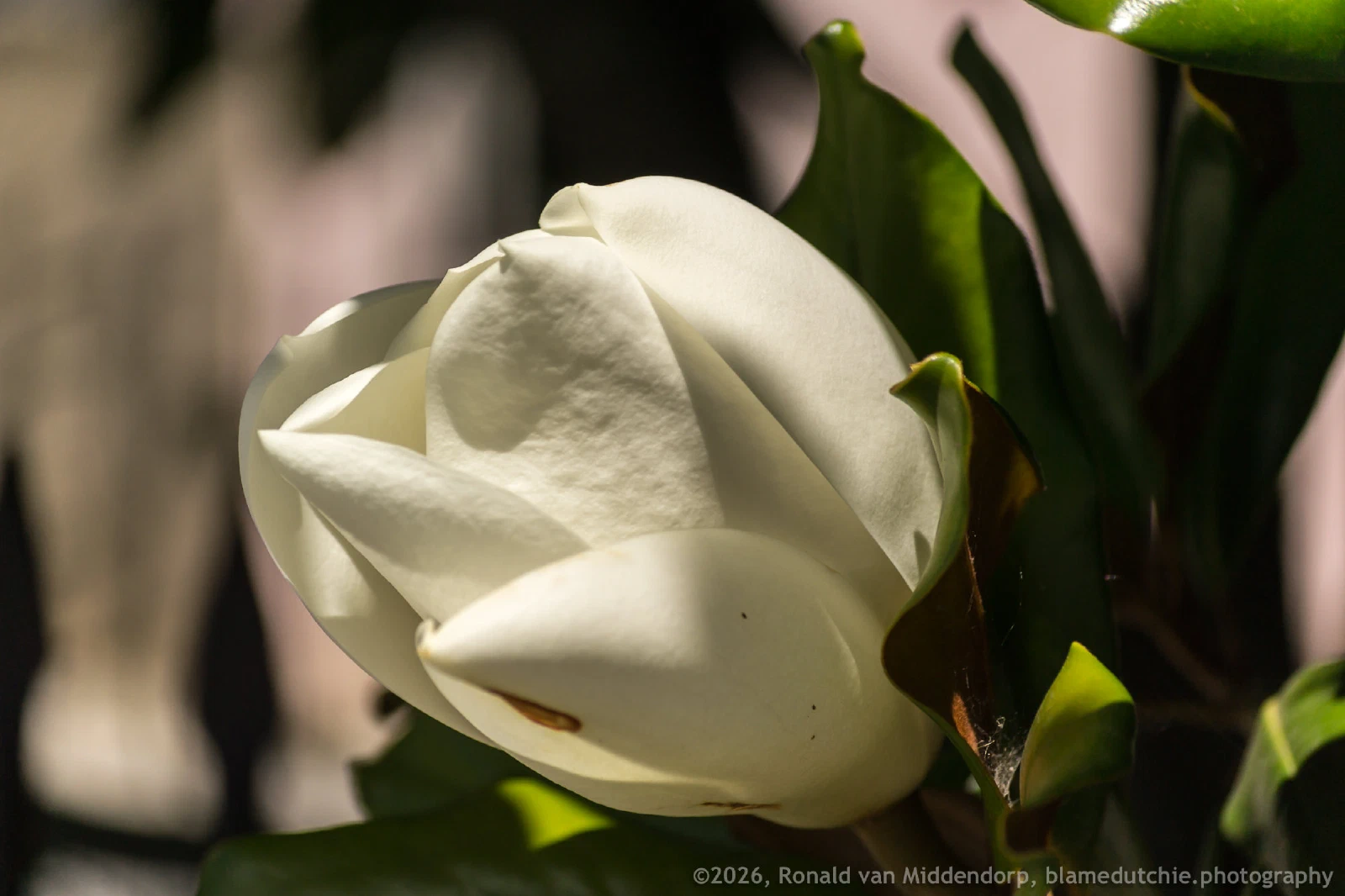
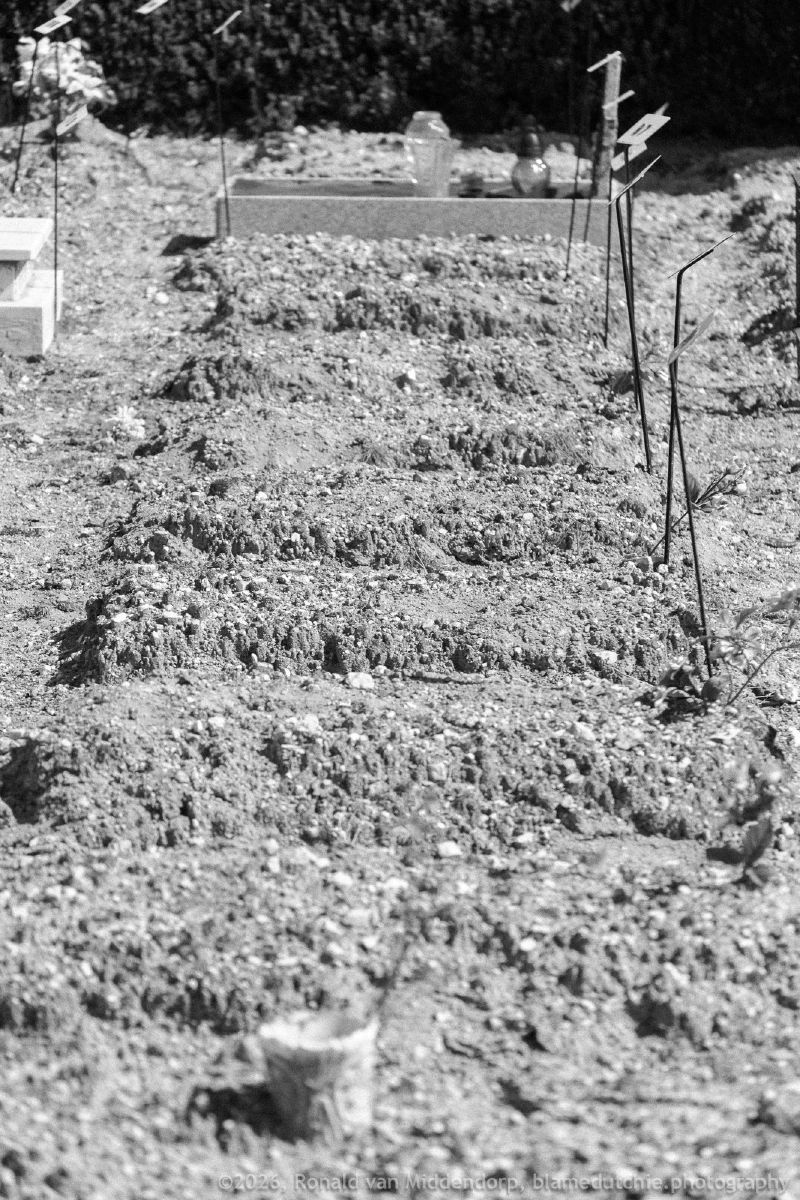
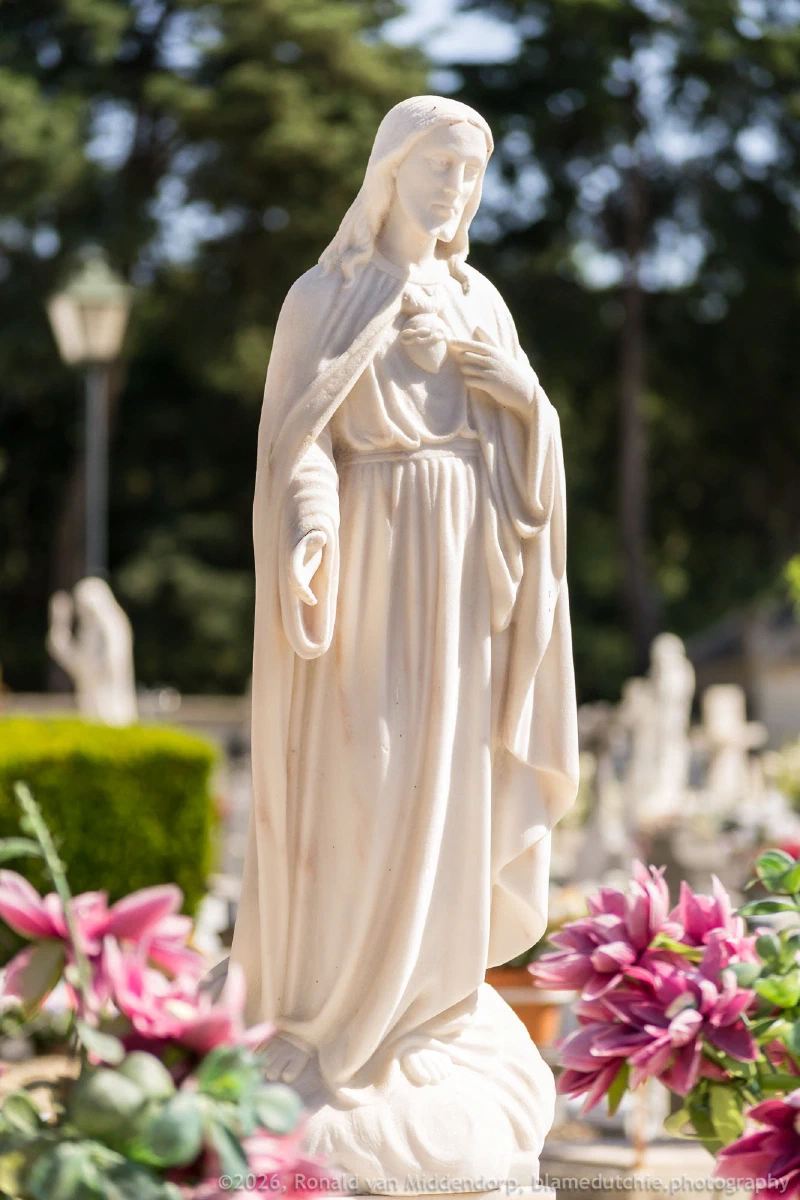
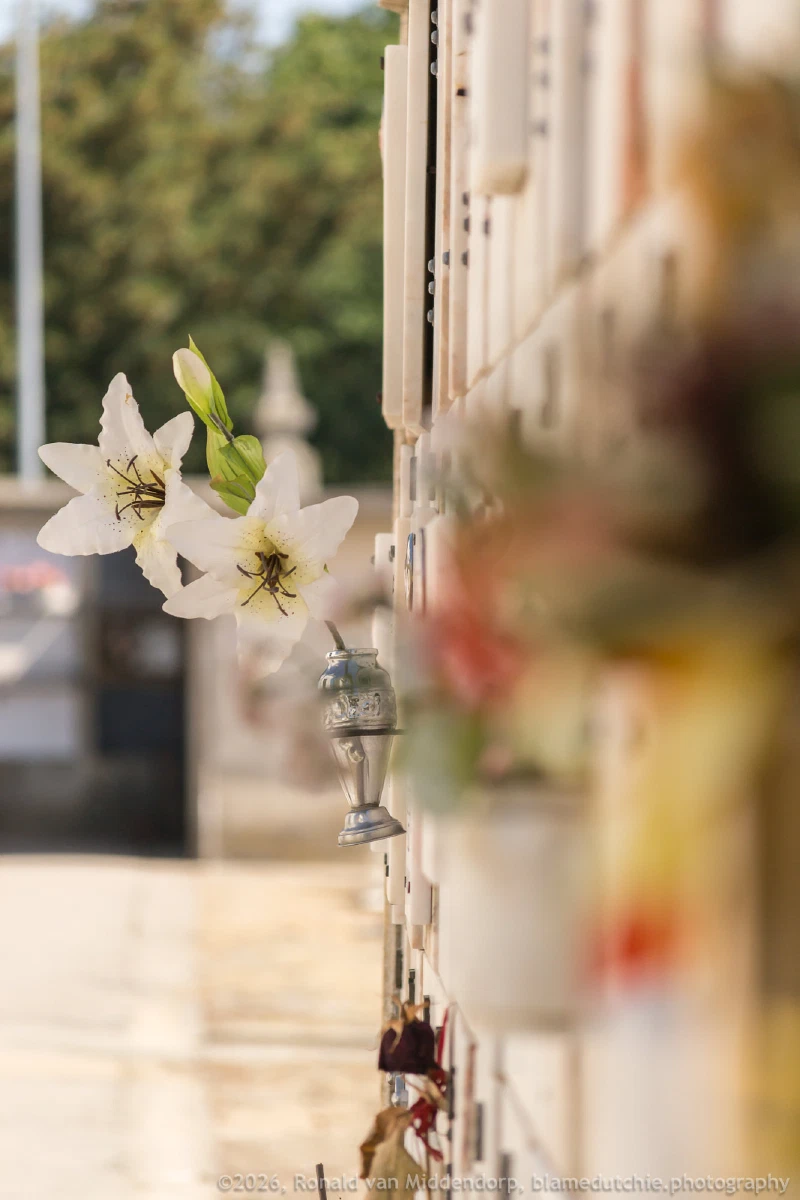
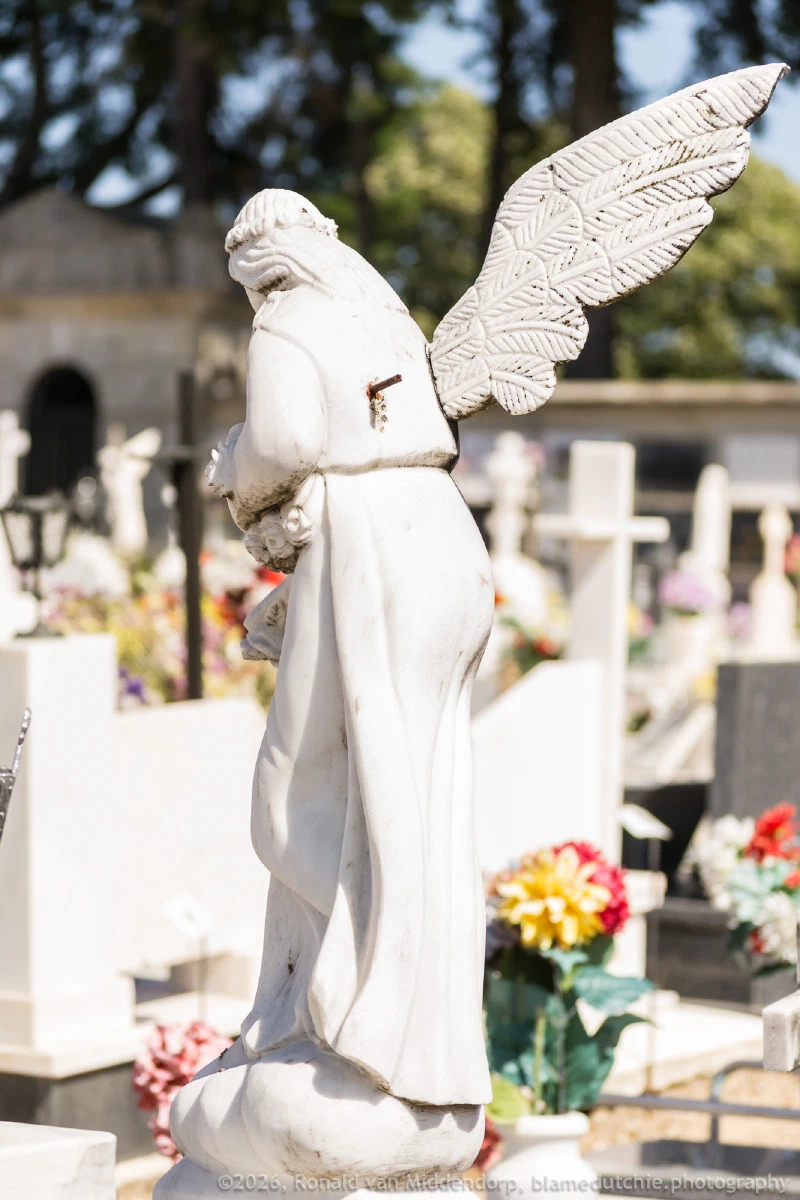
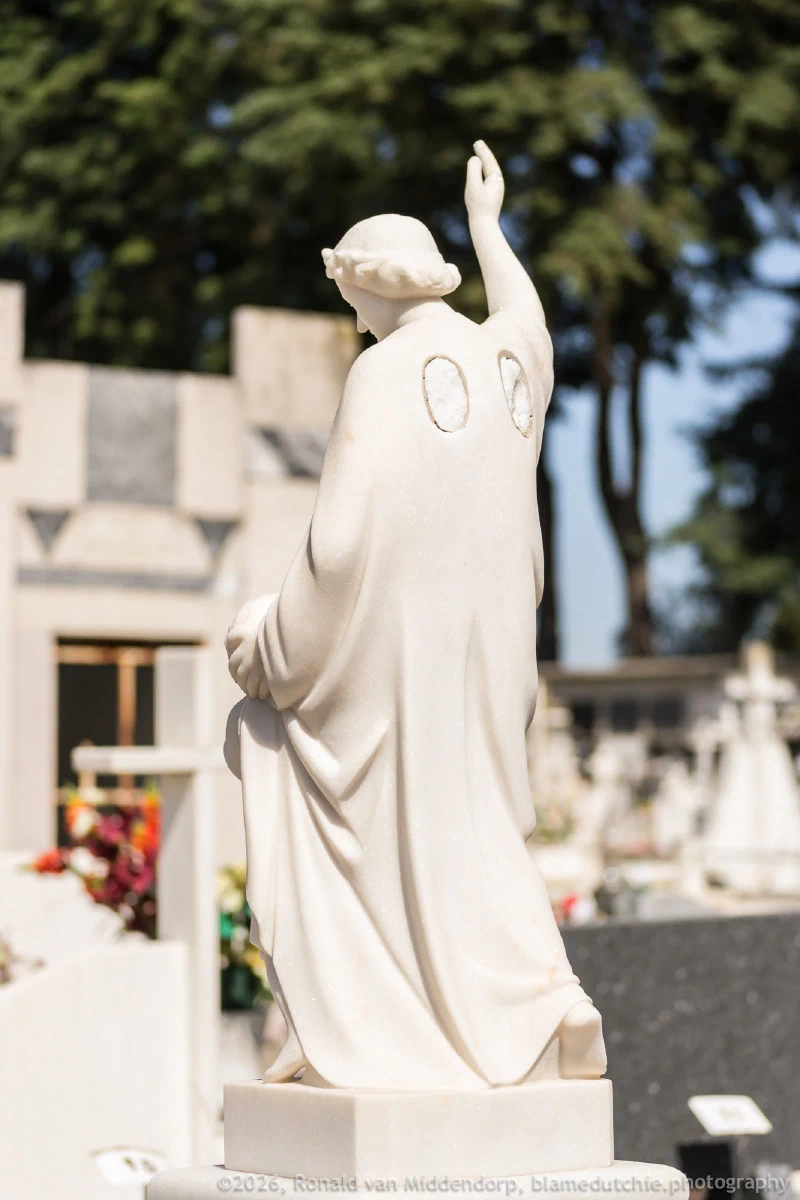
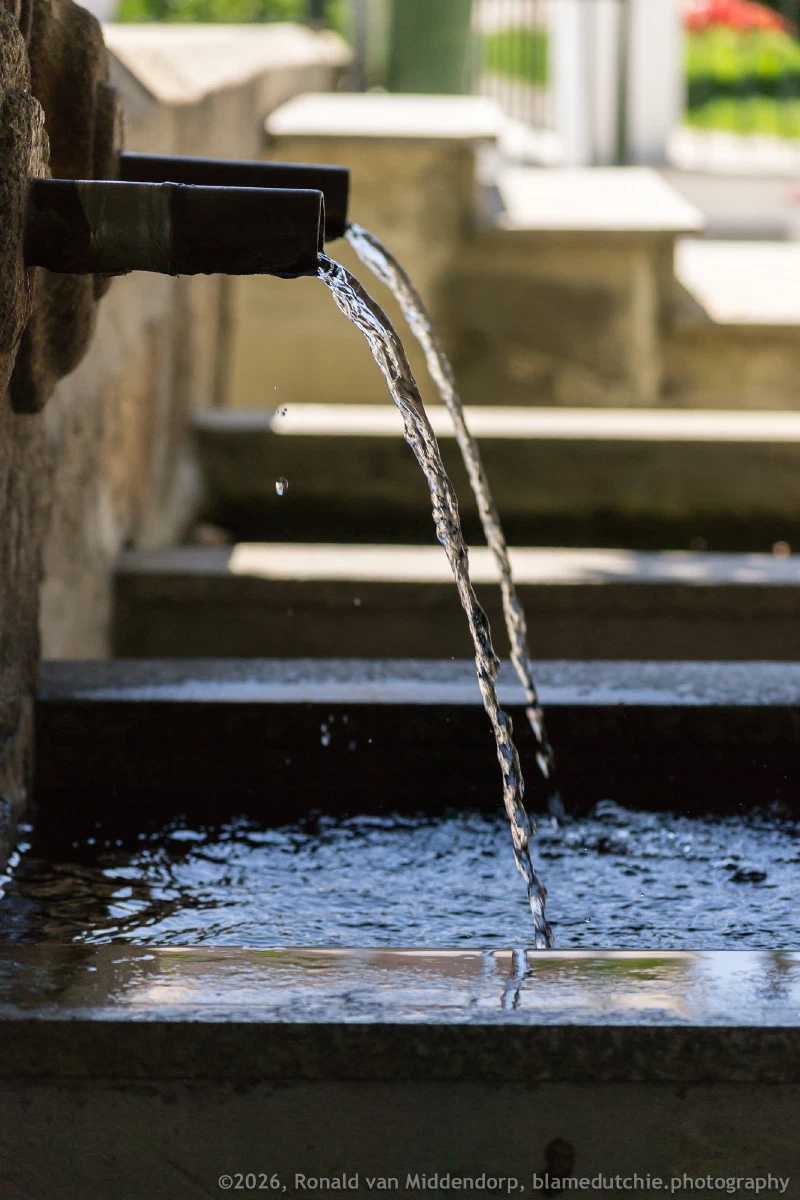
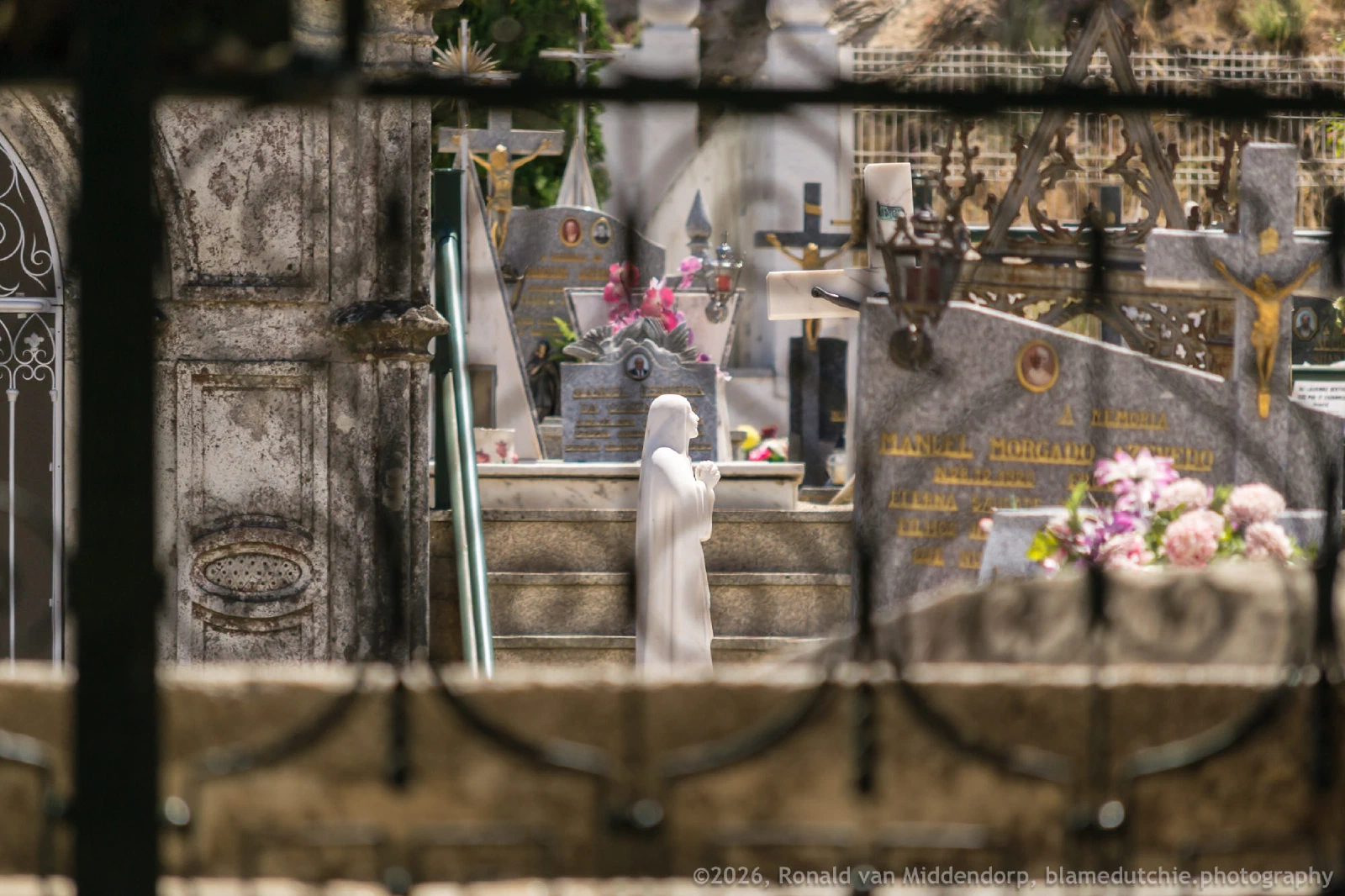
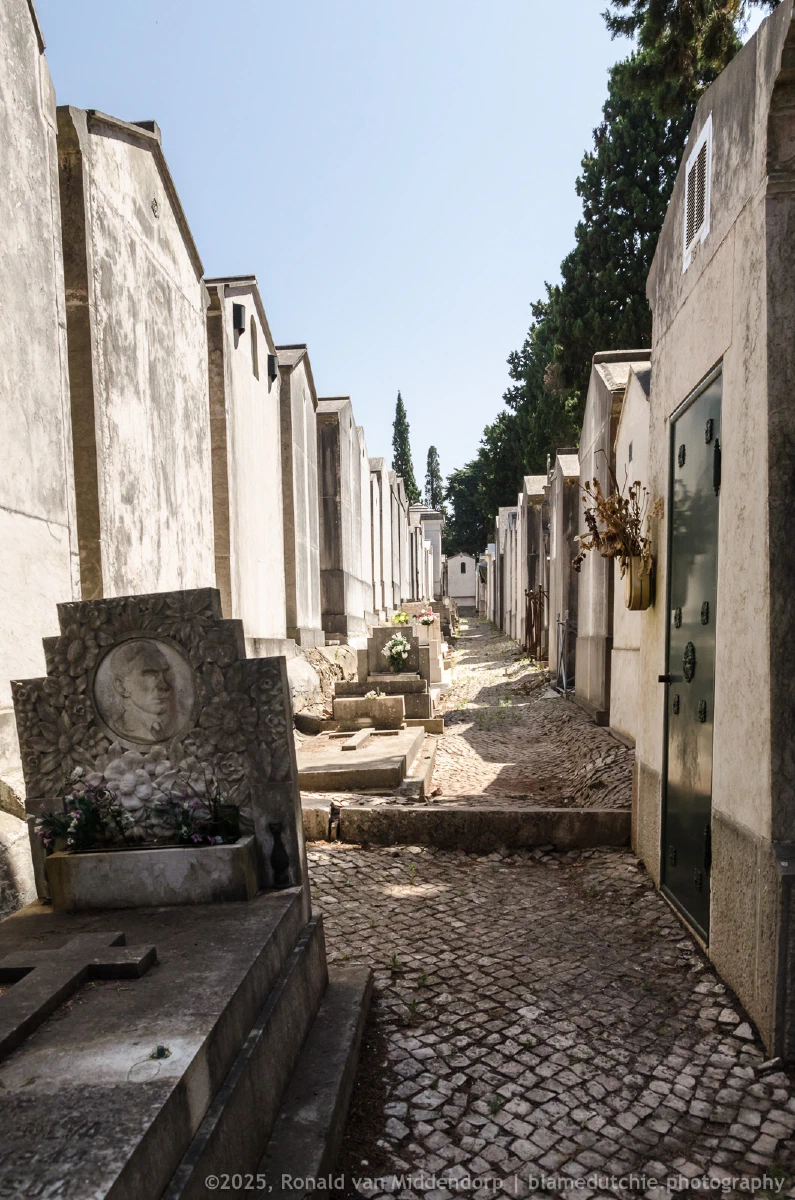
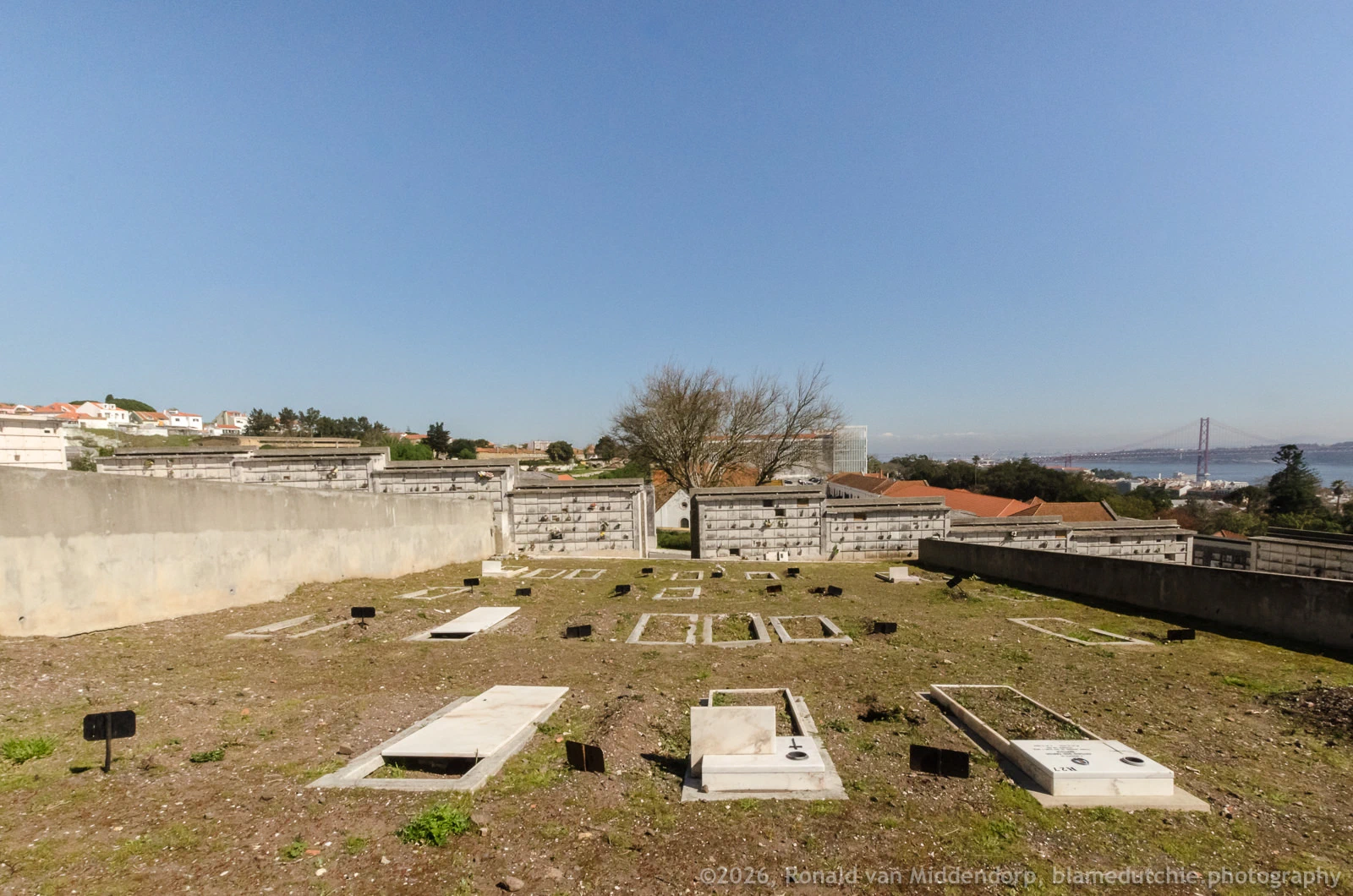
And… Cemeteries can be very quiet. Surrounded by walls, they are often situated outside the busy areas of cities. Not seldom they are on a hill where the sounds of daily life is no longer audible. At the very least they are muffled. In general there is no traffic. One can hear the birds. The quality of the air is better than between the buildings and the rushing cars.
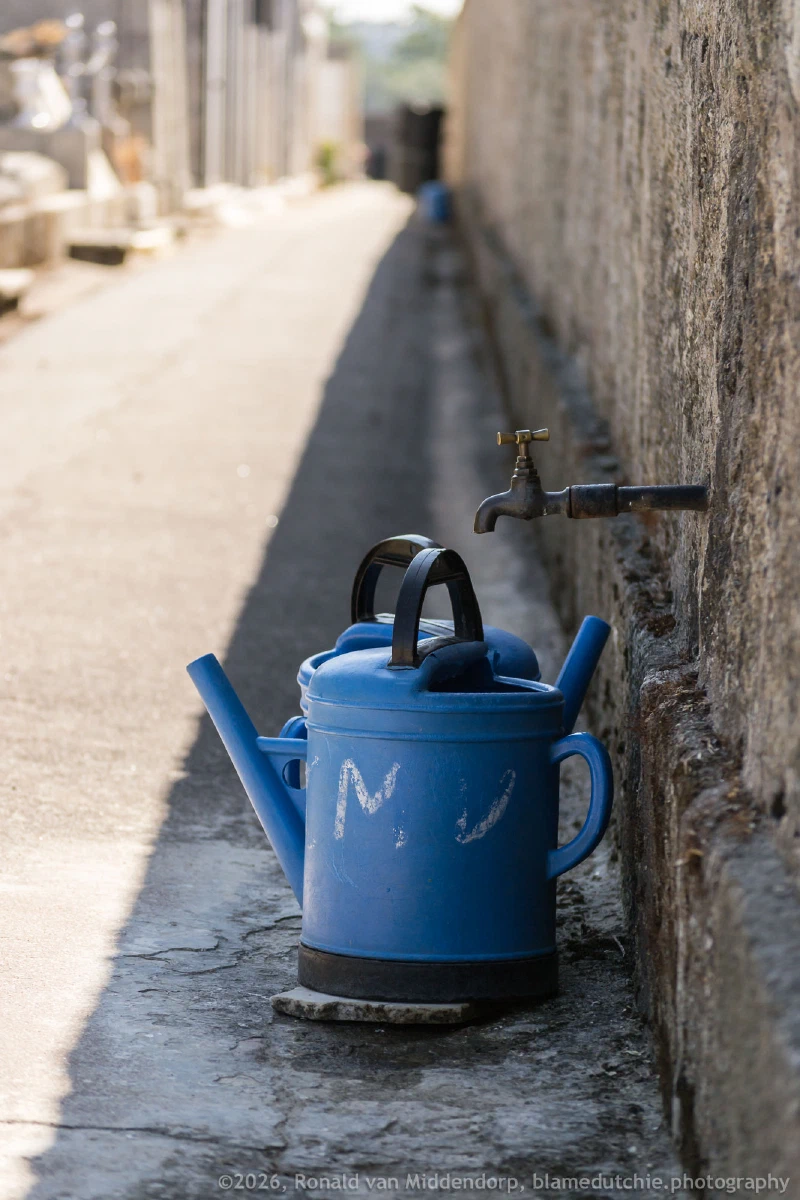
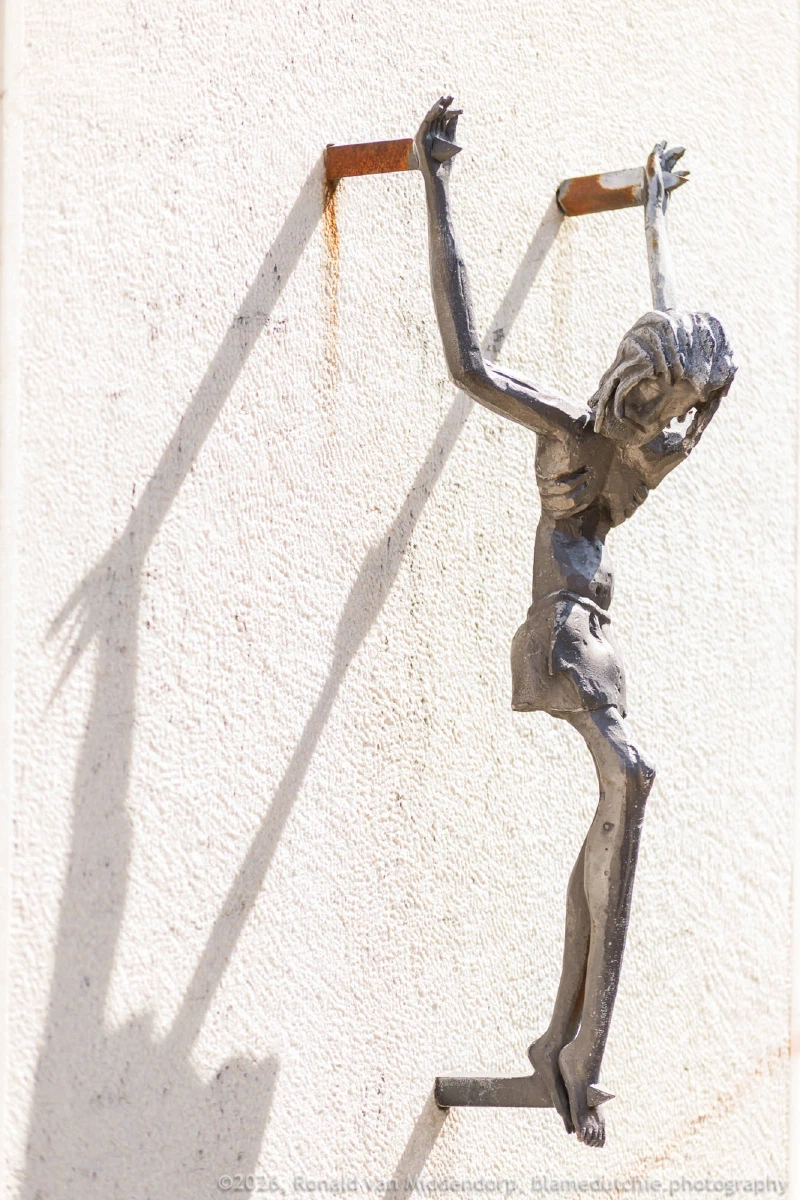
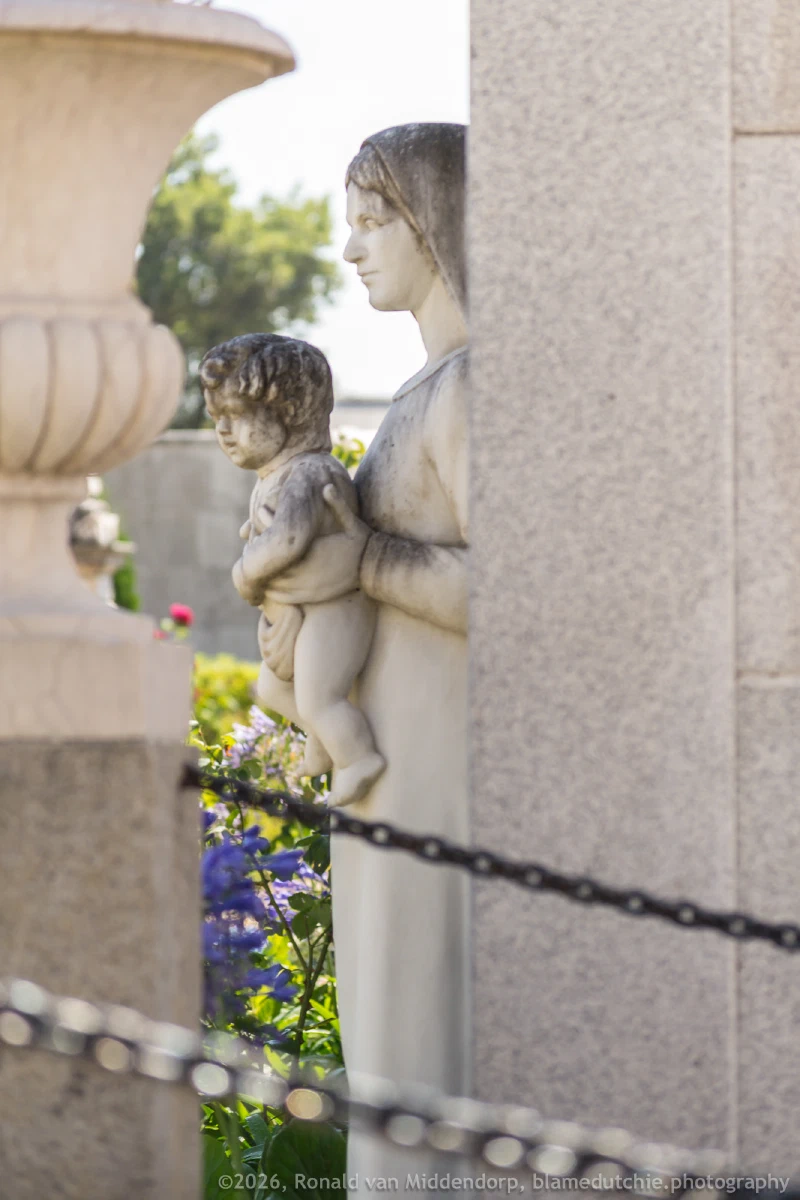
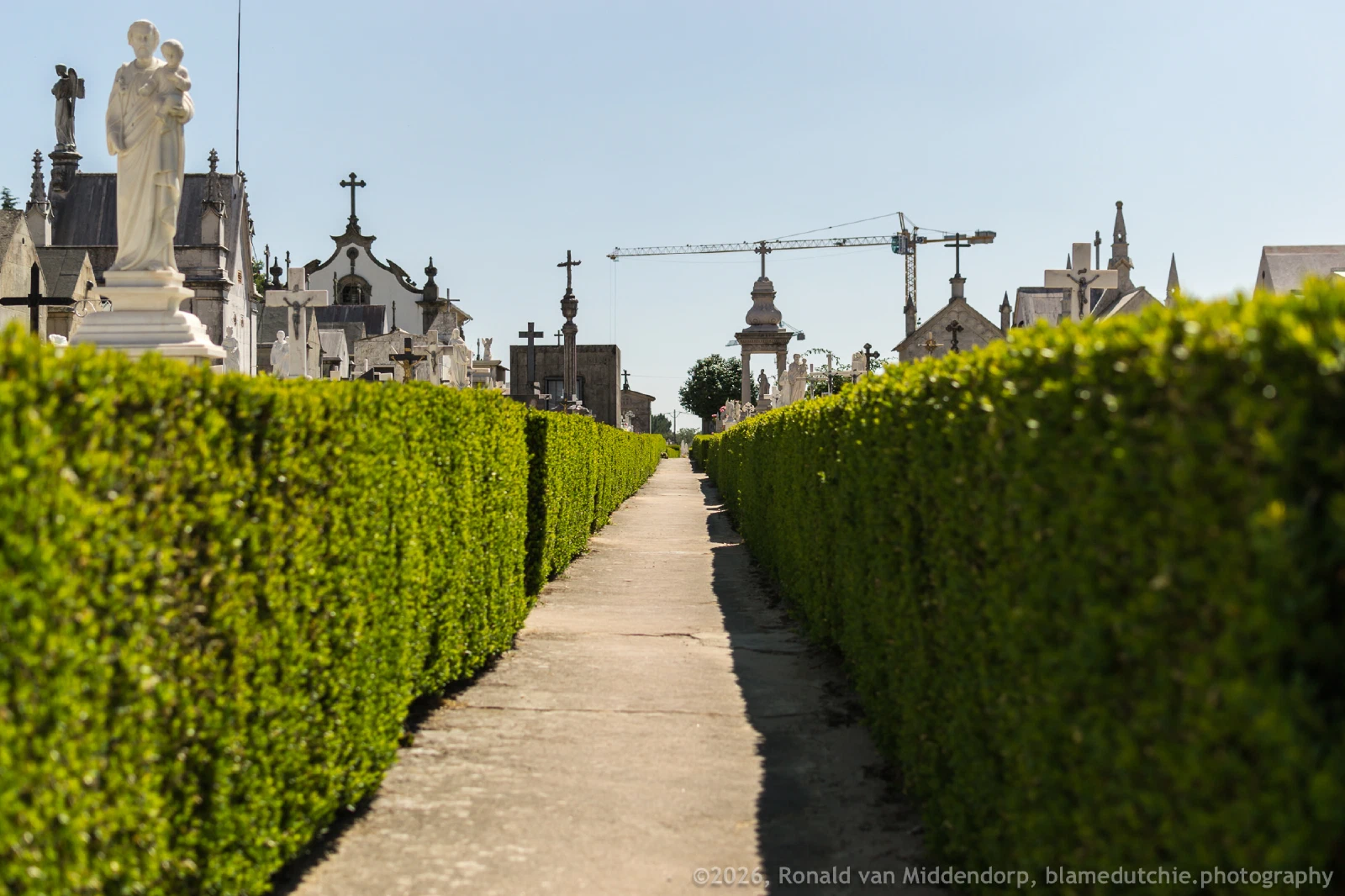
All is calm
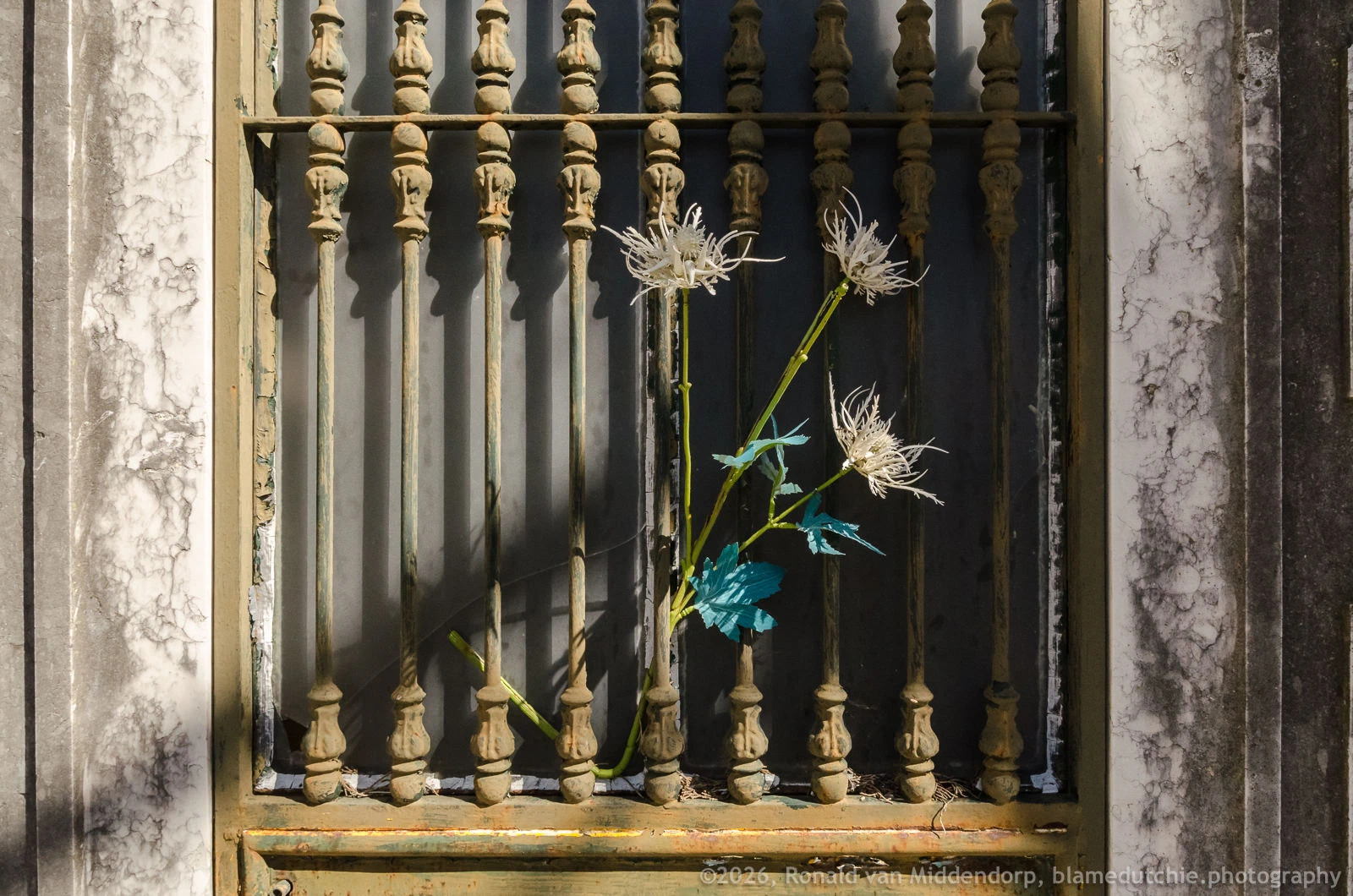
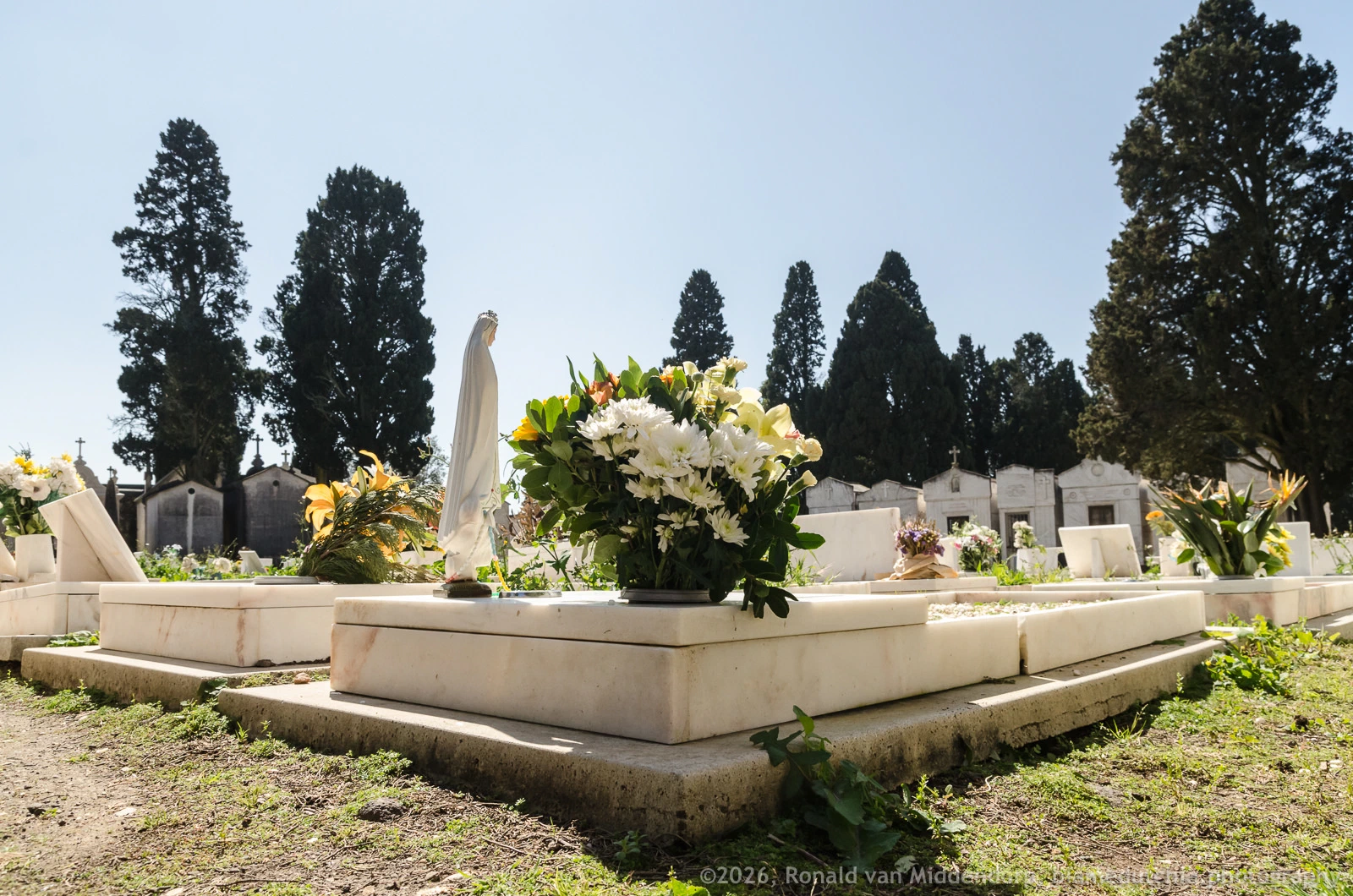
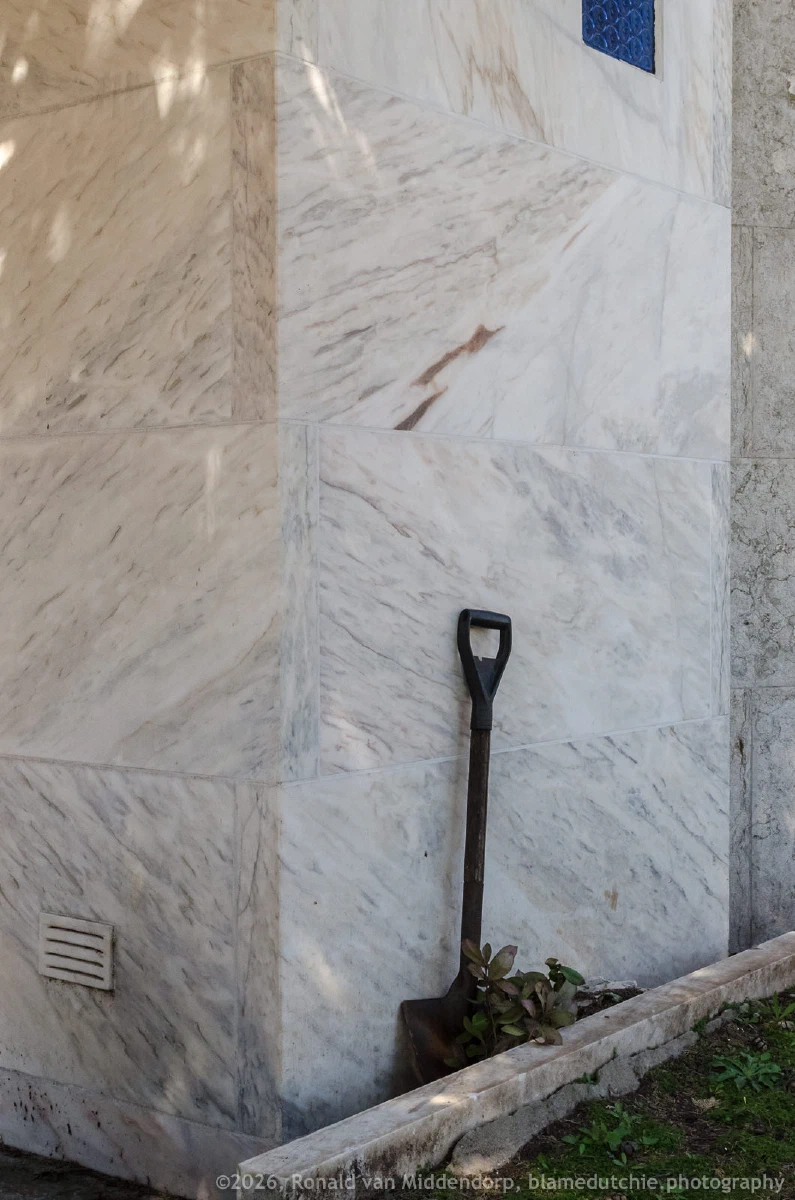
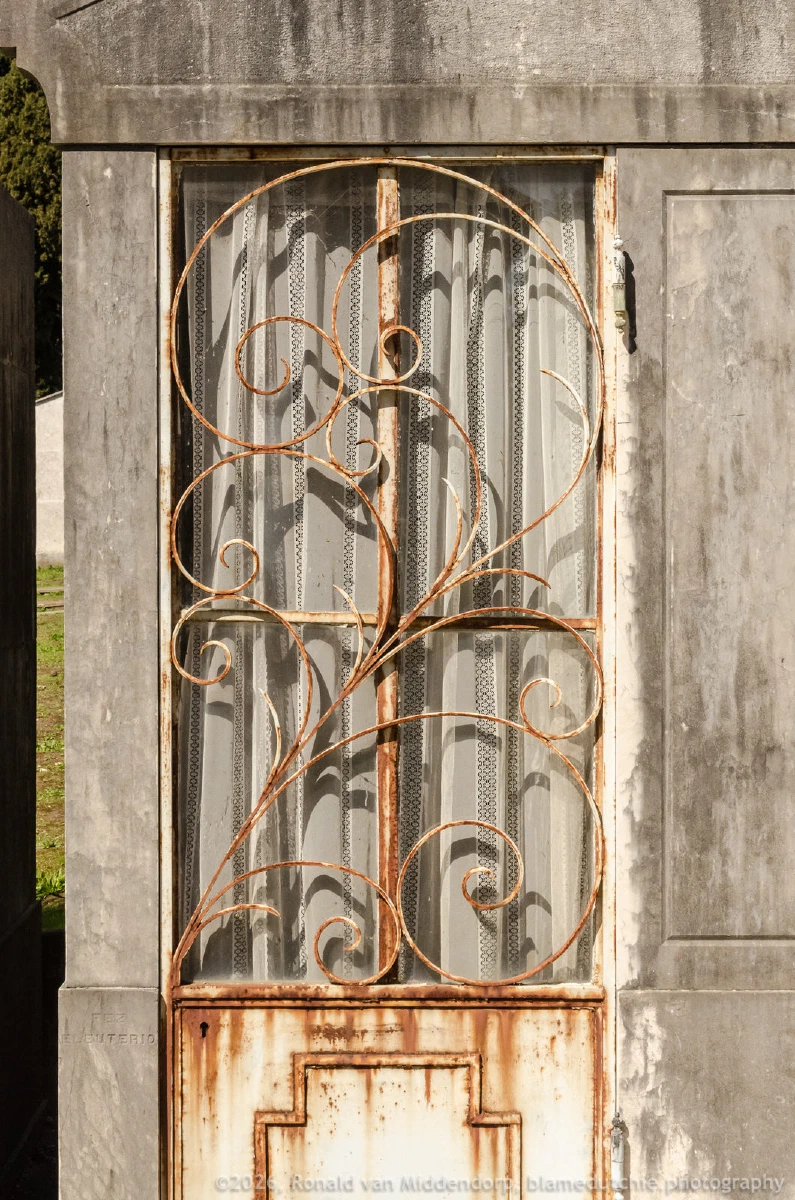
Every once in a while, I feel like visiting one. Though not all of them are interesting from a photographic perspective, I usually find something to photograph and if not, at least I have had a nice walk and slowed down my brain. Most of the time, the stillness makes it easy to walk at a slow pace and explore both the wider scenery and the details. It’s like being in the eye of a storm where all is calm.
I start to notice little things that I may have missed otherwise. Like the changes in the language. How the words being spelled differently over time prove that languages are alive. Even amongst the dead. A single n versus double n, and x versus ch.
Breathing in the silence, taking in the details, and the grandeur of some of the mausolea, I start wondering; when did people start burying their dead and why? And when did the people decide to permanently mark the graves? For what reasons?
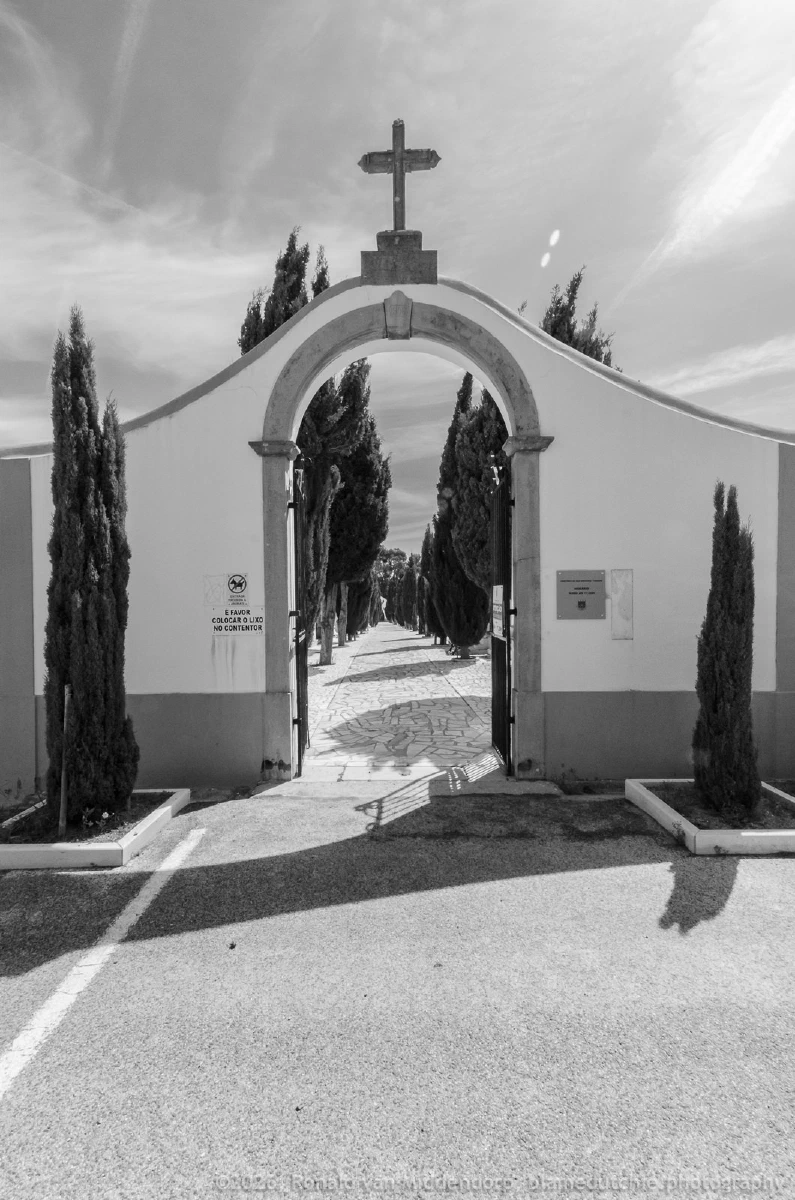
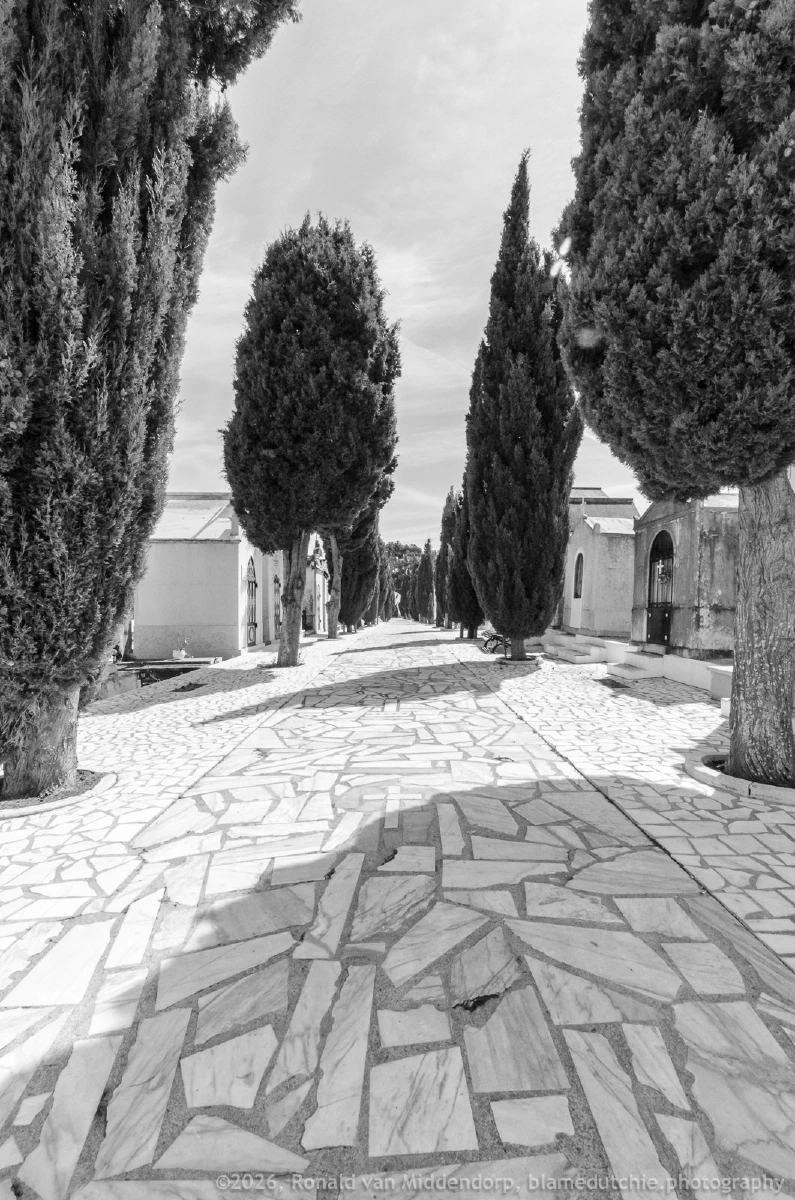
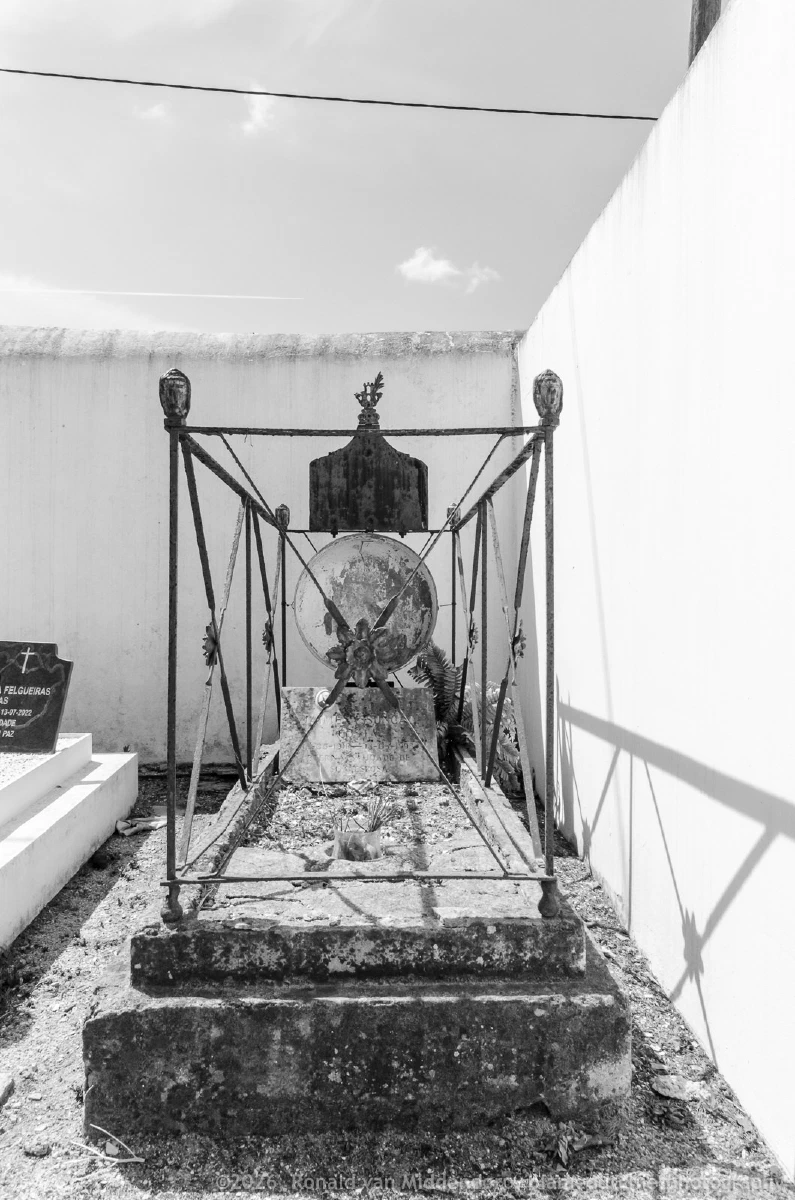
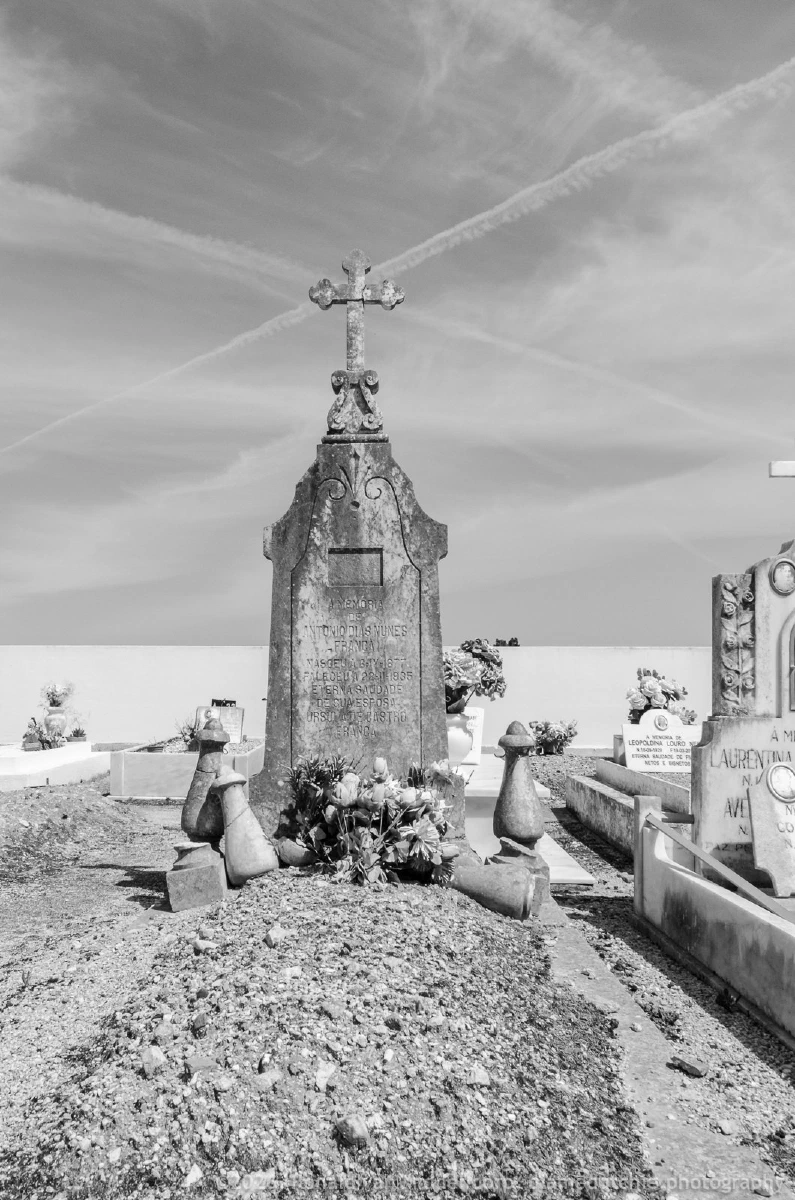
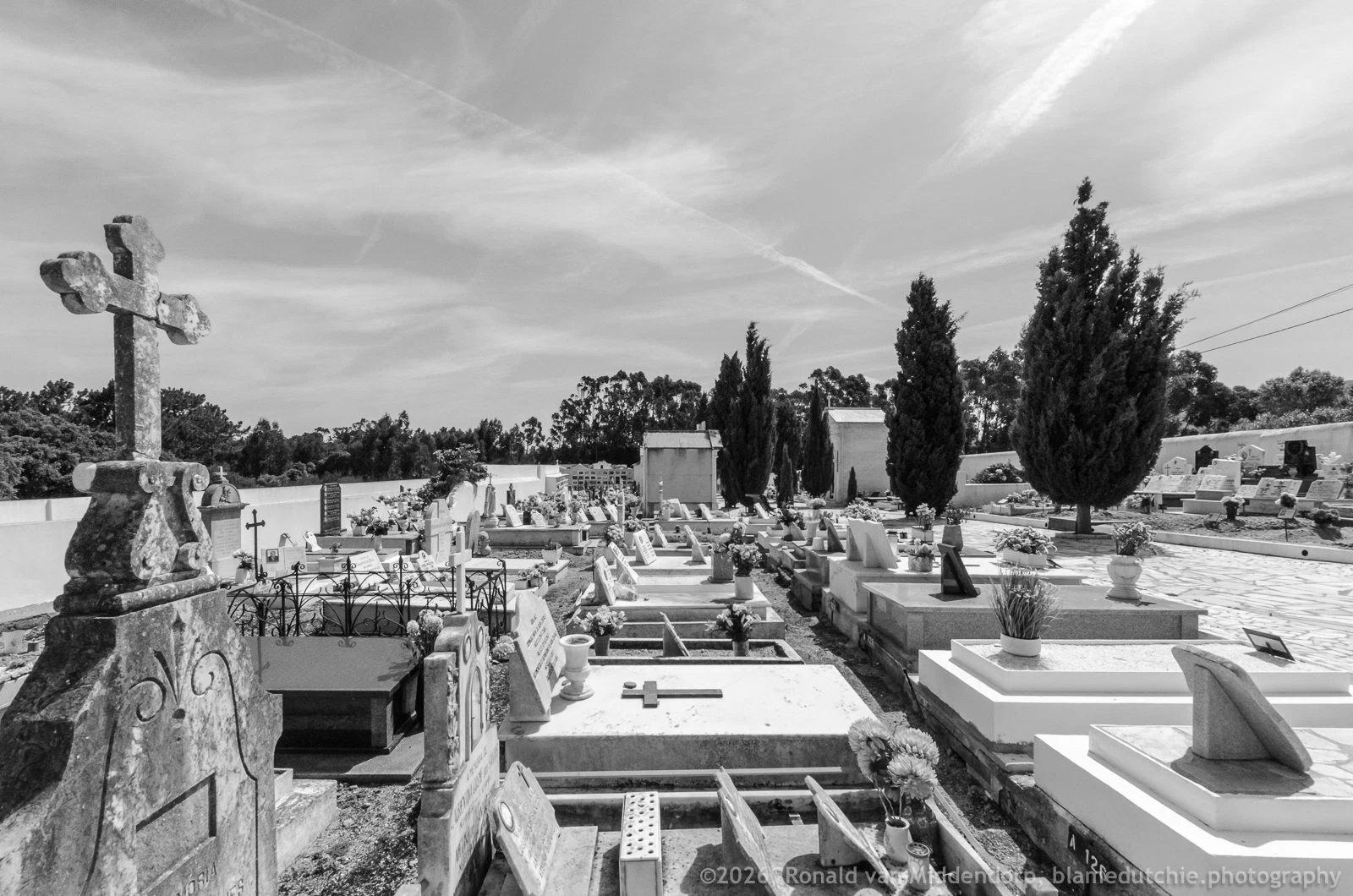
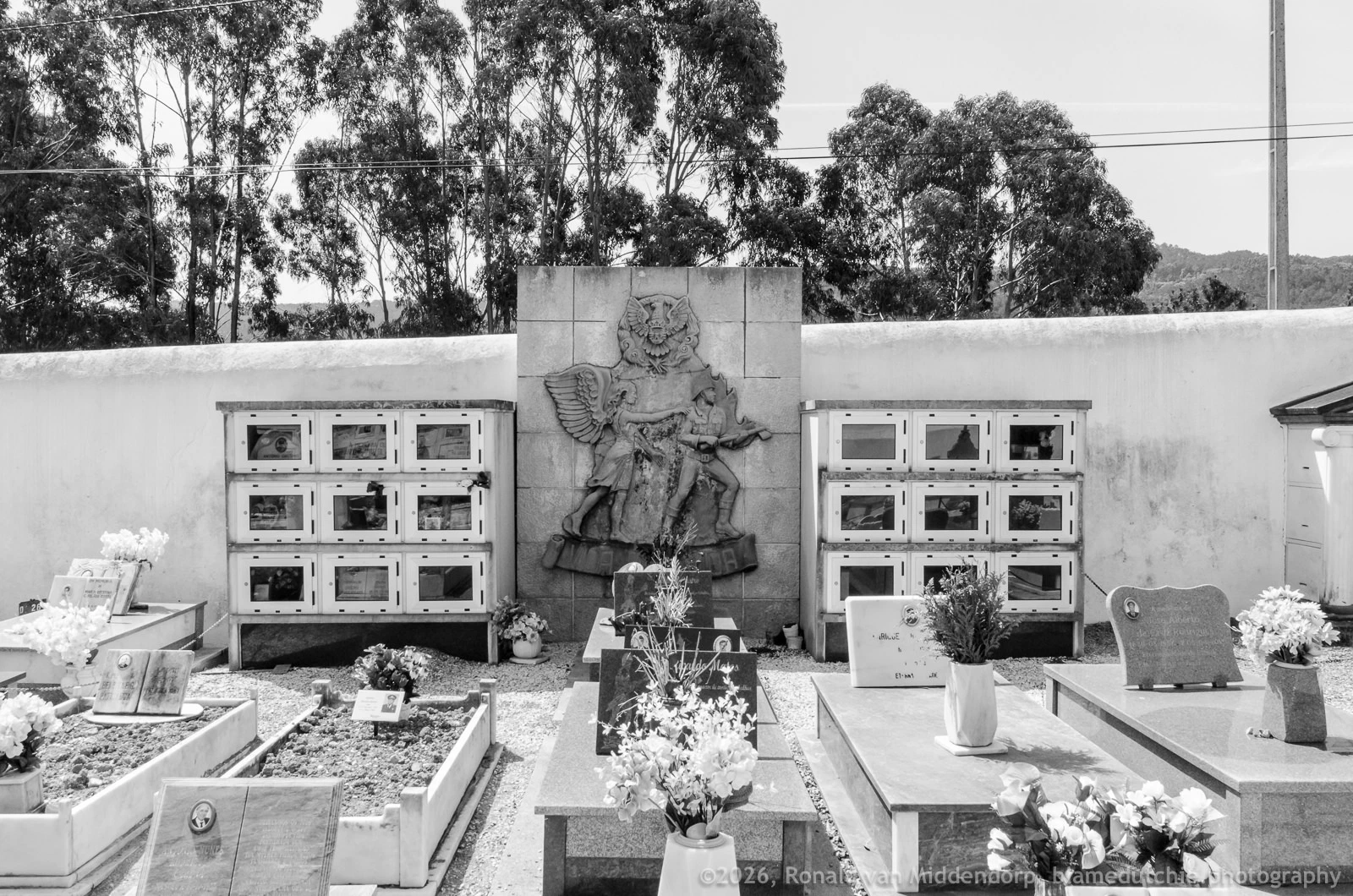
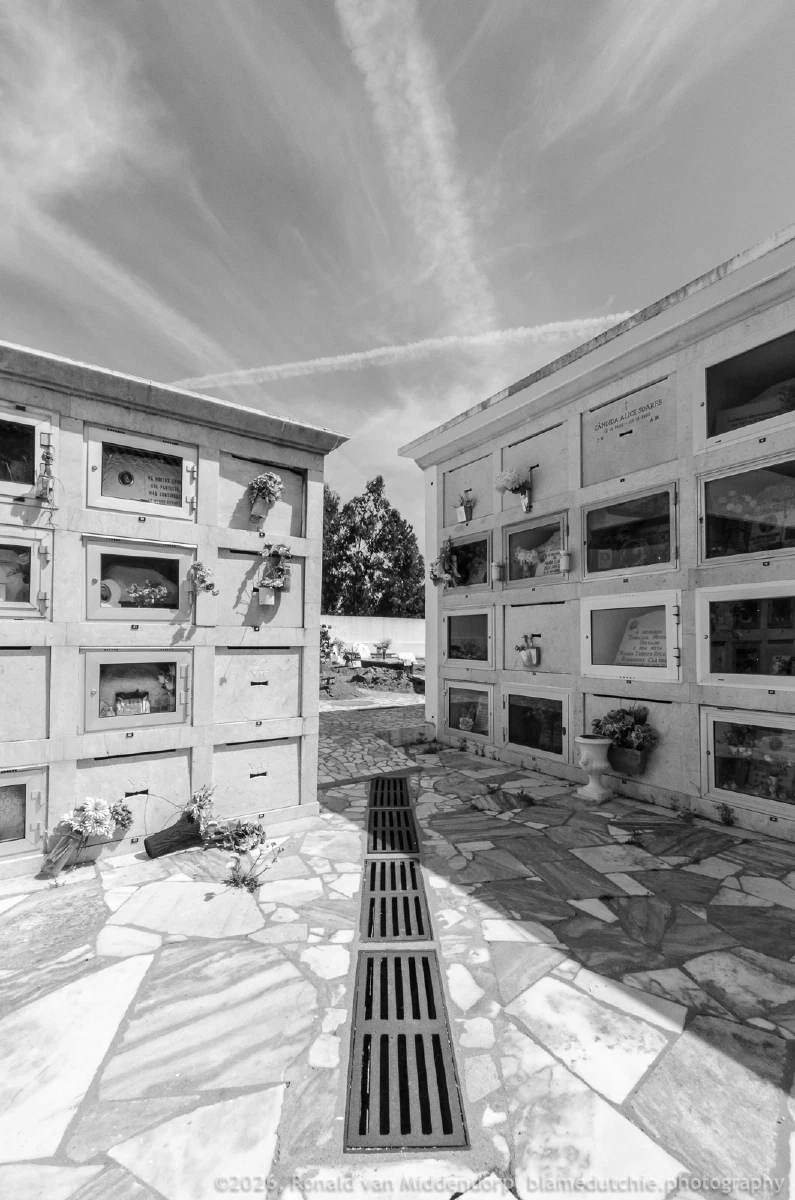
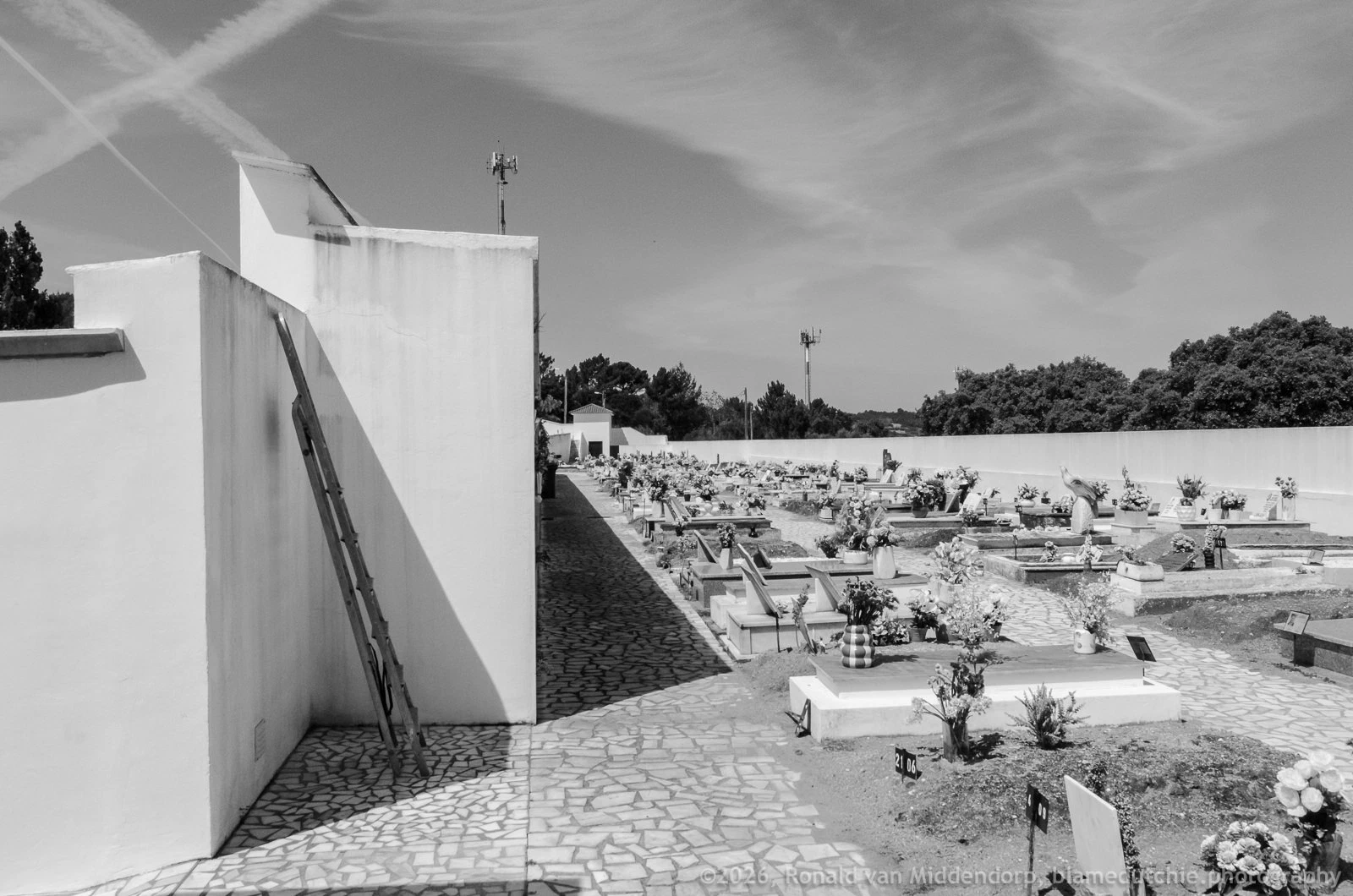
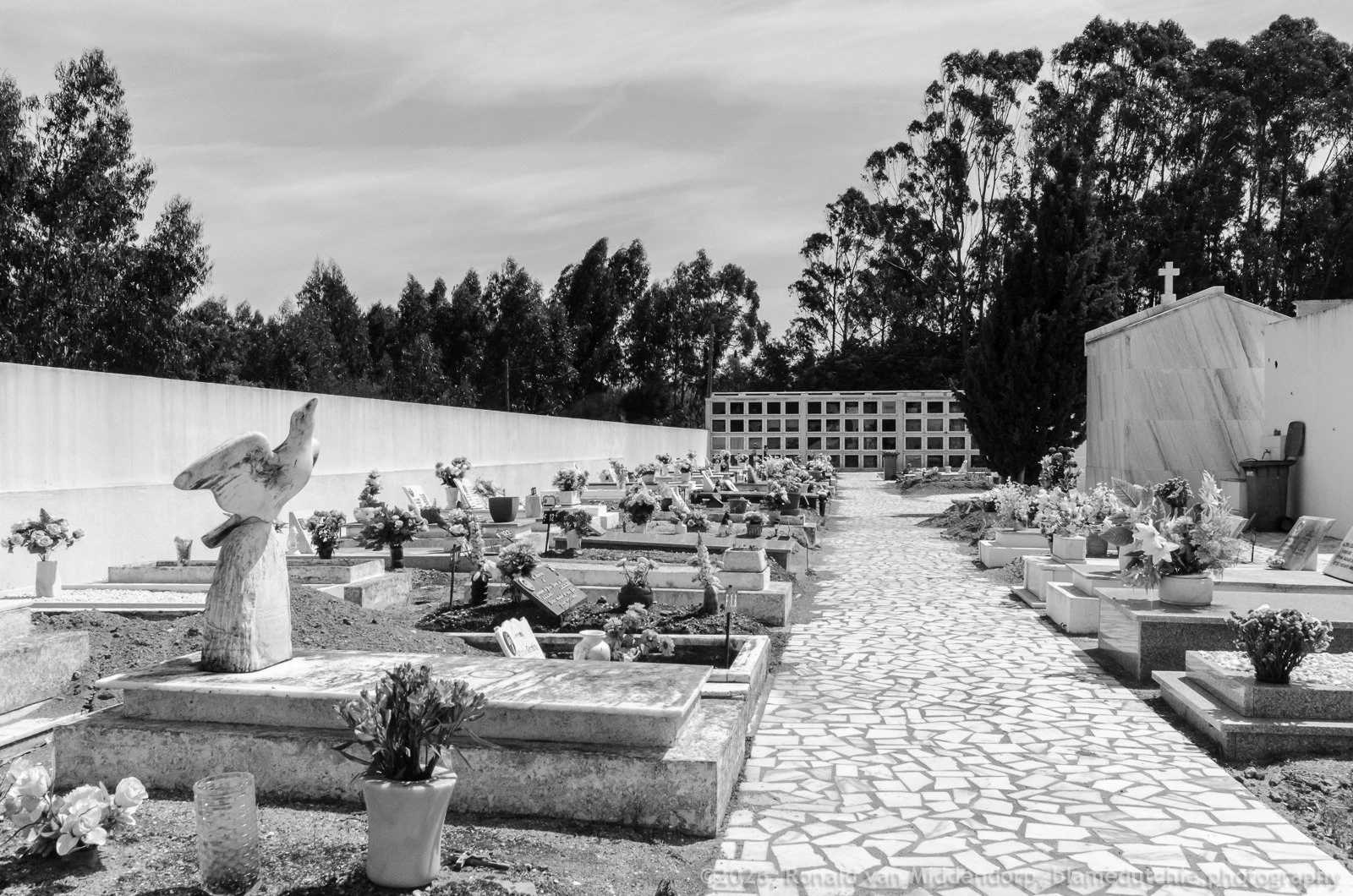
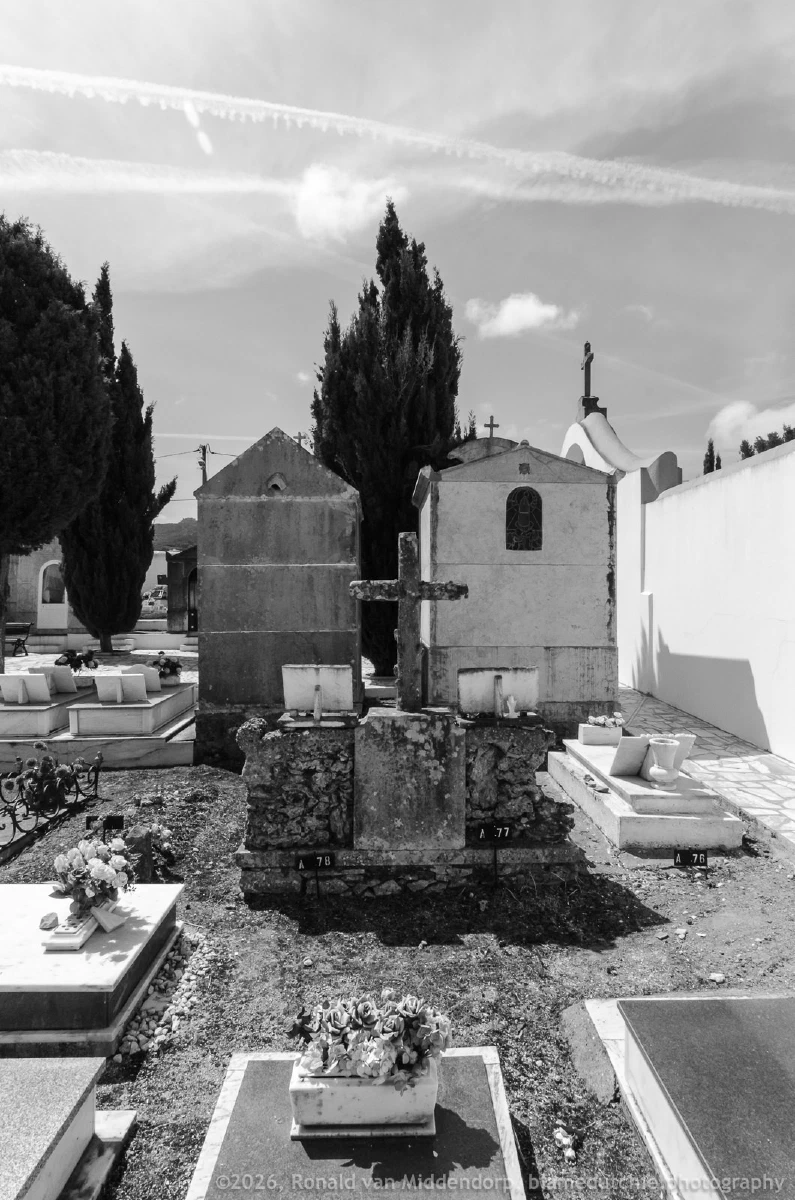
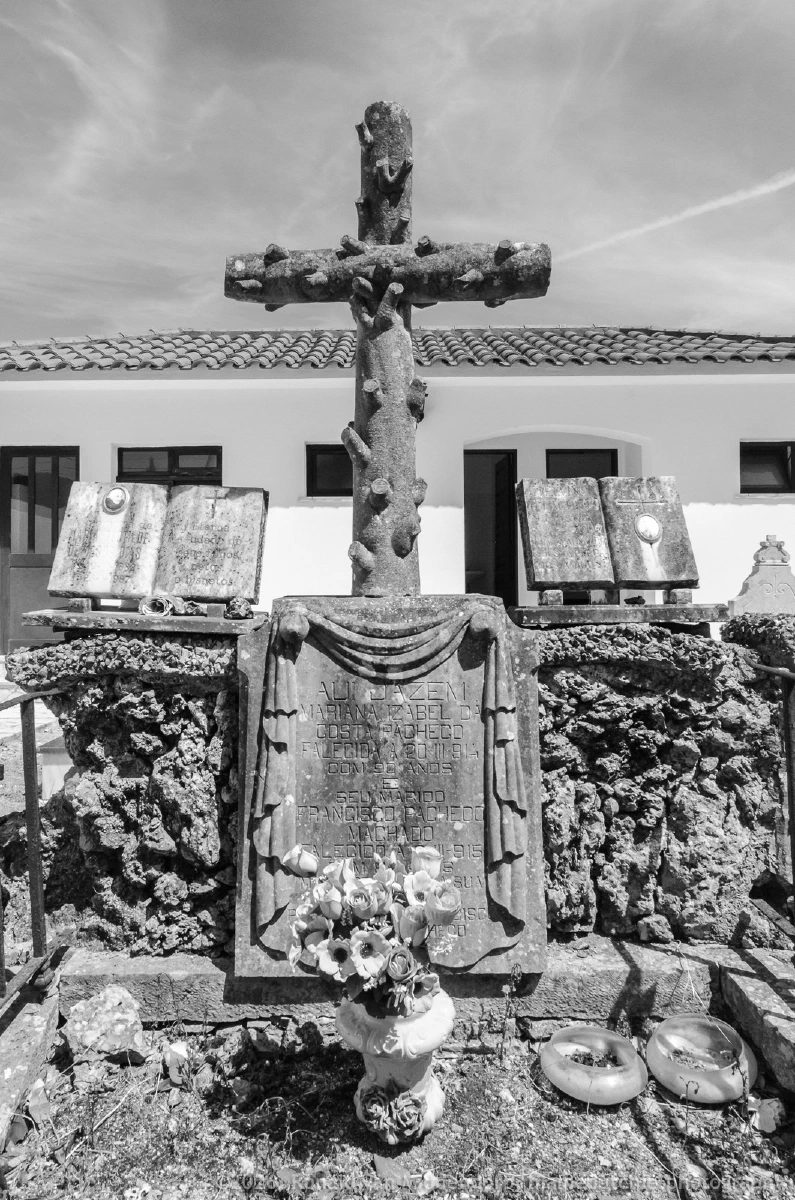
Looking at the statues and inscriptions, it is easy reach the conclusion that religion played a large roll, but it is more than that. Showing off must also be part of the game. When a family decided to build a mausoleum for themselves and their offspring, they must have paid a lot of money for that. If only for the quality of the material and hours of skilled workmanship such a structure required.
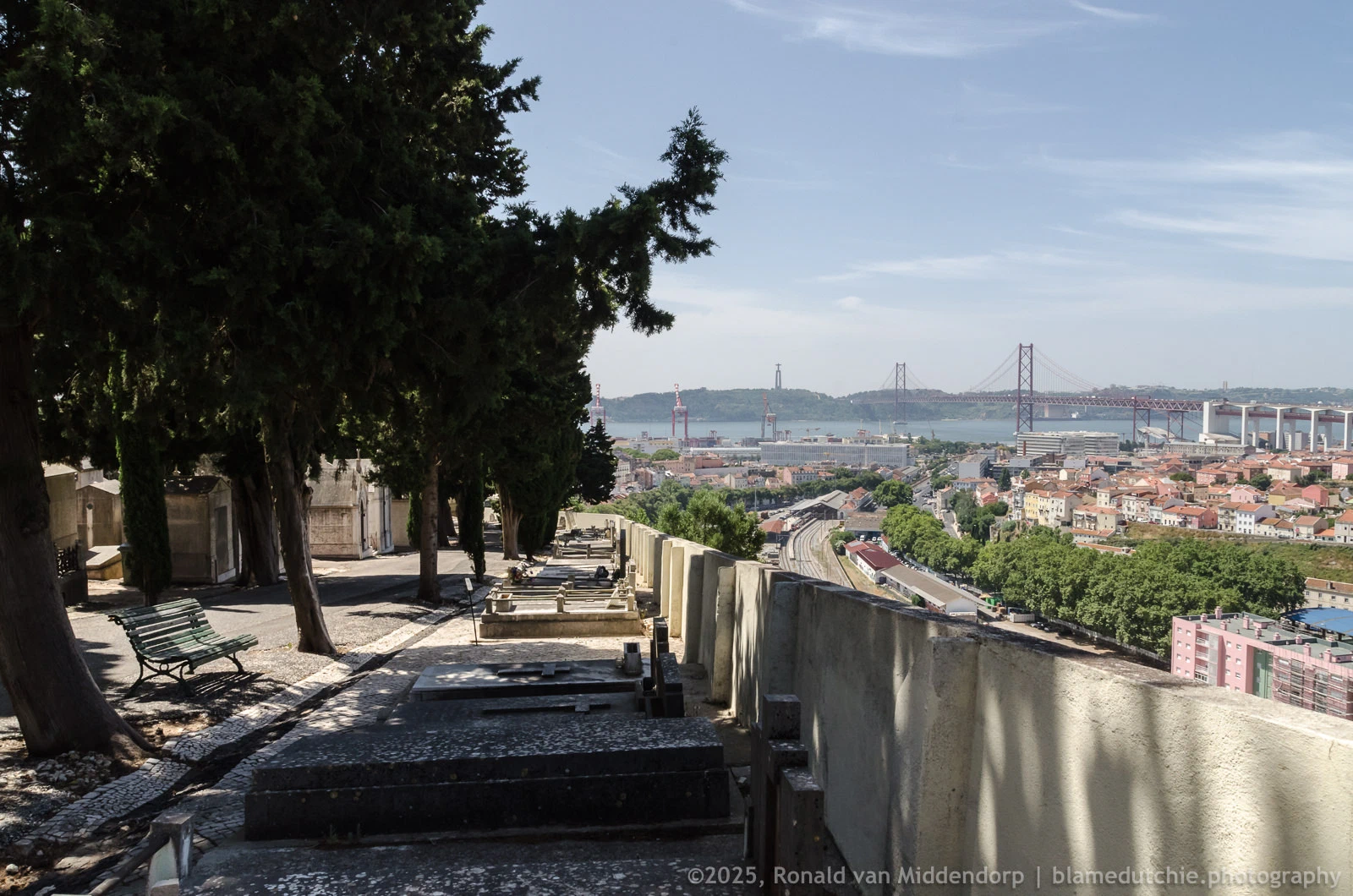
Another important aspect is the location. Many cemeteries are positioned on a hill. The spots that overlook nice sceneries - like rivers, the ocean, green valleys - are more expensive than spaces that are of less aesthetic value. Why? I read that many people feel their loved one’s grave should look out of the river because during their lifetime, they loved the river so much. But… How is that important for someone who is dead?
Could it be that it is be more about the visitors’ experience?
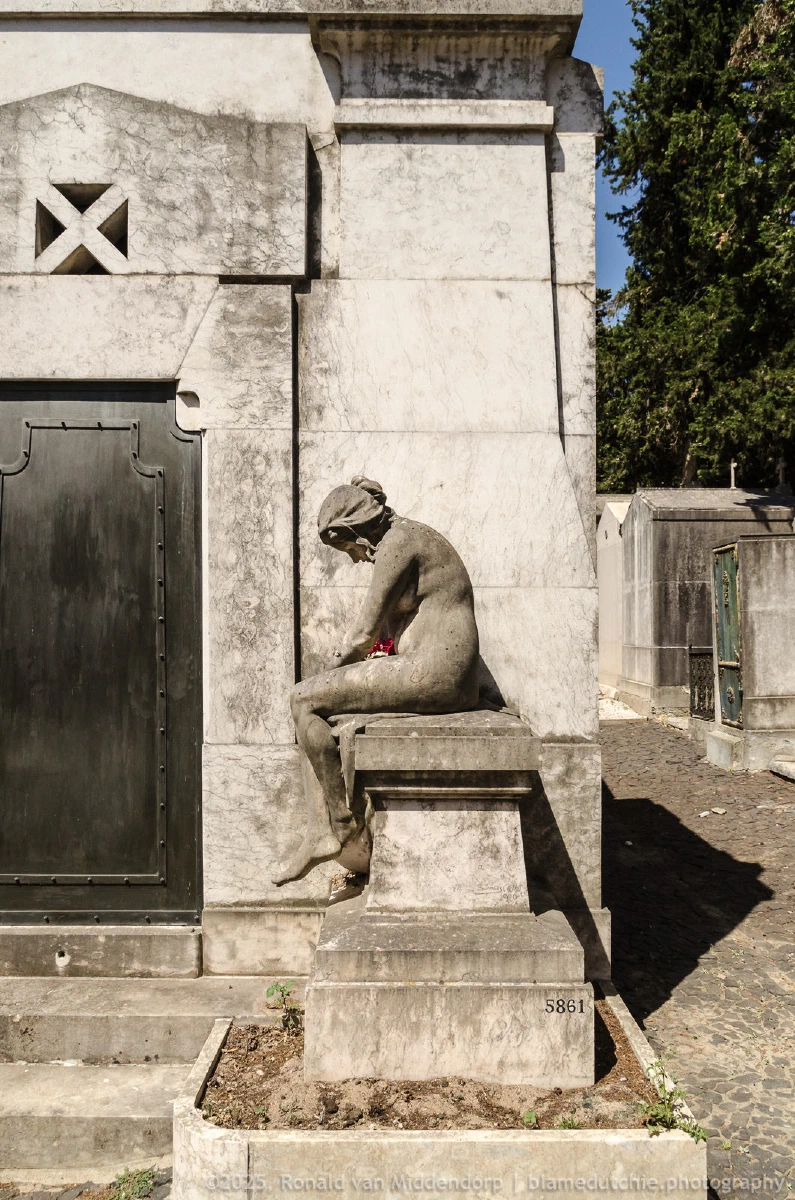
A long history
Like with so many things we try to understand better, research pulls us down a rabbit hole. Facts and speculation mixed with opinions and myths. At times opinions and myths are presented as facts and it requires careful sifting through the information and restrict the level of research. After all, I am driven by my curiosity and not starting a scientific study into the history and mystery of burial practices.
Having that said, it is rather remarkable that burials with Homo sapiens remains have been found that are dated between 120.000 and 90.000 years ago, while Homo neanderthalensis was found in 60.000 year old pits. In both cases, positioning of the bodies as well as associated objects suggest intentional burial.
Unless we consider the possibility that Homo neanderthalensis, Denisovans or early Homo sapiens had communal ideas about divinity, linking burial practices - solely - to religious reasons would be a definite case of lazily cutting corners. It’s not impossible, though. New research, published in the journal Science Advances, suggests that these prehistoric human relatives at least had the genetic hardware for language.
Earlier studies even suggest that different groups of homo neanderthalensis could have had adopted their own butchery styles, which were likely influenced by social and cultural factors. Who knows; maybe the Homo sapiens who’s remains where found in the Skhūl Cave near Mount Carmel in Israel, had specific ideas about prime cuts and their tribe already attended a divinity school.
As usual, I digress. You see what I mean when I say rabbit hole?
| Site | Approx. date (ka) | Location | Species | Key features |
|---|---|---|---|---|
| Skhūl | 120–90 | Mount Carmel, Levant | H. sapiens | Multiple deliberate burials in caves; ochre traces; varied body positions; possible grave offerings. |
| Qafzeh | 120–90 | Lower Galilee, Levant | H. sapiens | Intentional interments with ochre and some associated objects; careful body placement. |
| Shanidar | 65–45 | Zagros Mountains, Iraq | Neanderthal | Several inhumations with deliberate positioning; famous pollen claim (flower burial) debated; evidence of care for injured individuals. |
| La Chapelle-aux-Saints | 56–47 | Corrèze, France | Neanderthal | Individual in flexed position within a pit; interpreted as intentional burial. |
| Kebara Cave | 60–50 | Mount Carmel, Levant | Neanderthal | Partial skeleton placed in a pit; articulated remains indicating deliberate disposal. |
| Sungir (Sunghir) | ~32 | Vladimir region, Russia | H. sapiens | Two children and adults with thousands of ivory beads, elaborate clothing and grave goods; high-status/ritualised burial. |
| Dolní Věstonice | 29–26 | Moravia, Czech Republic | H. sapiens | Multiple burials with ochre; associated figurines and ritual deposits. |
| Pavlov / Brno–Kníničky | 29–25 | Moravia, Czech Republic | H. sapiens | Burials with red ochre, grave goods, and ritual deposits; structured mortuary behaviour. |
| Kostenki (multiple sites) | 30–20 | Don River region, Russia | H. sapiens | Burials with ochre, carved items, complex placements; symbolic artefacts nearby. |
| Mezine | ~20–15 | Ukraine (Mezine) | H. sapiens | Decorated objects, ochre use, burials with grave goods and symbolic carving. |
| Mladec | 31–28 | Moravia, Czech Republic | H. sapiens | Flexed burials with ochre; evidence of ritual treatment of the dead. |
| Grotte du Renne (Arcy-sur-Cure) | various, contested | Burgundy, France | Neanderthal / early H. sapiens (debated) | Burials and symbolic artefacts in mixed layers; interpretations complicated by stratigraphy and dating. |
(Note: dates are approximate thousands of years ago [ka]; site interpretations reflect mainstream archaeological assessments and, where relevant, noted debates over context or symbolism)
Modern man
On a more serious note, reading the headstones, it quickly becomes obvious that the majority of the graves have a seriously religious tone. Phrases like “at peace with God”, “In God’s care”, “Eternal paradise” and “Was called to eternal glory” are very common. And even a simple “Eternally missed” often is accompanied by imagery of folded hands, an angel, a saint or a branch of a tree. The latter, I assume to be a reference to the tree of life.
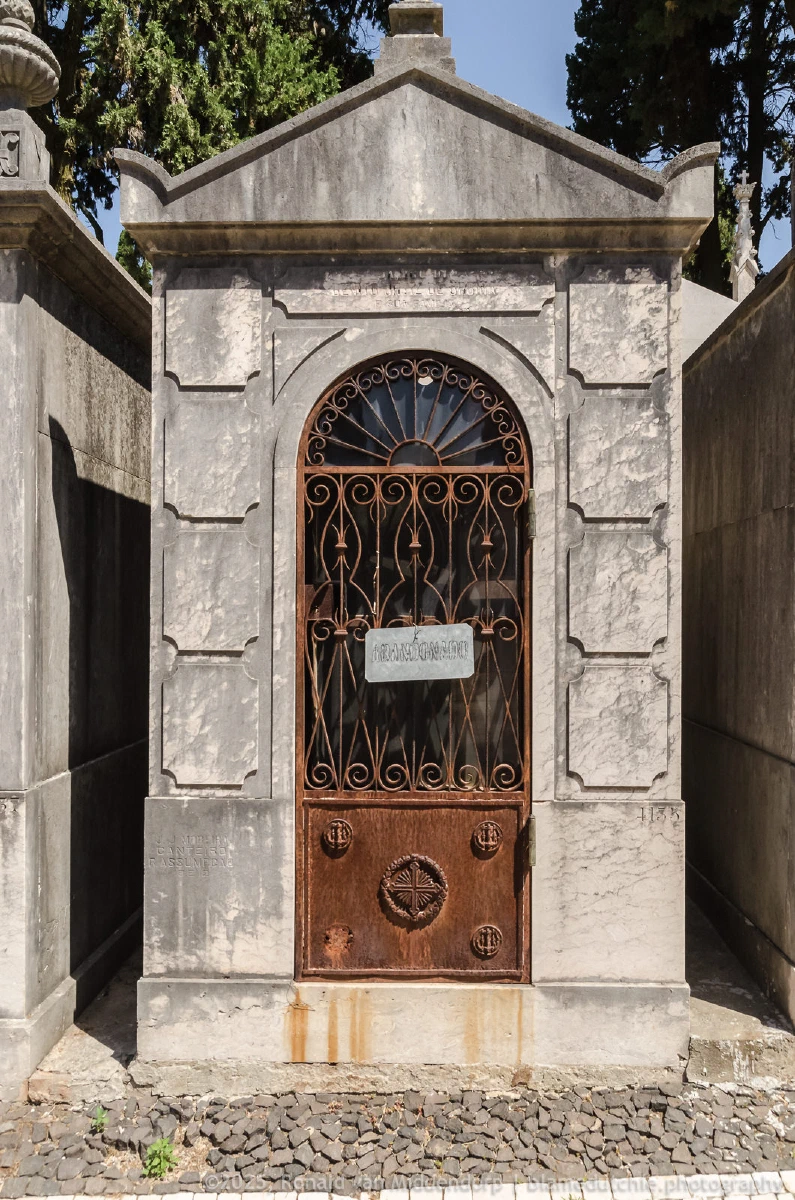
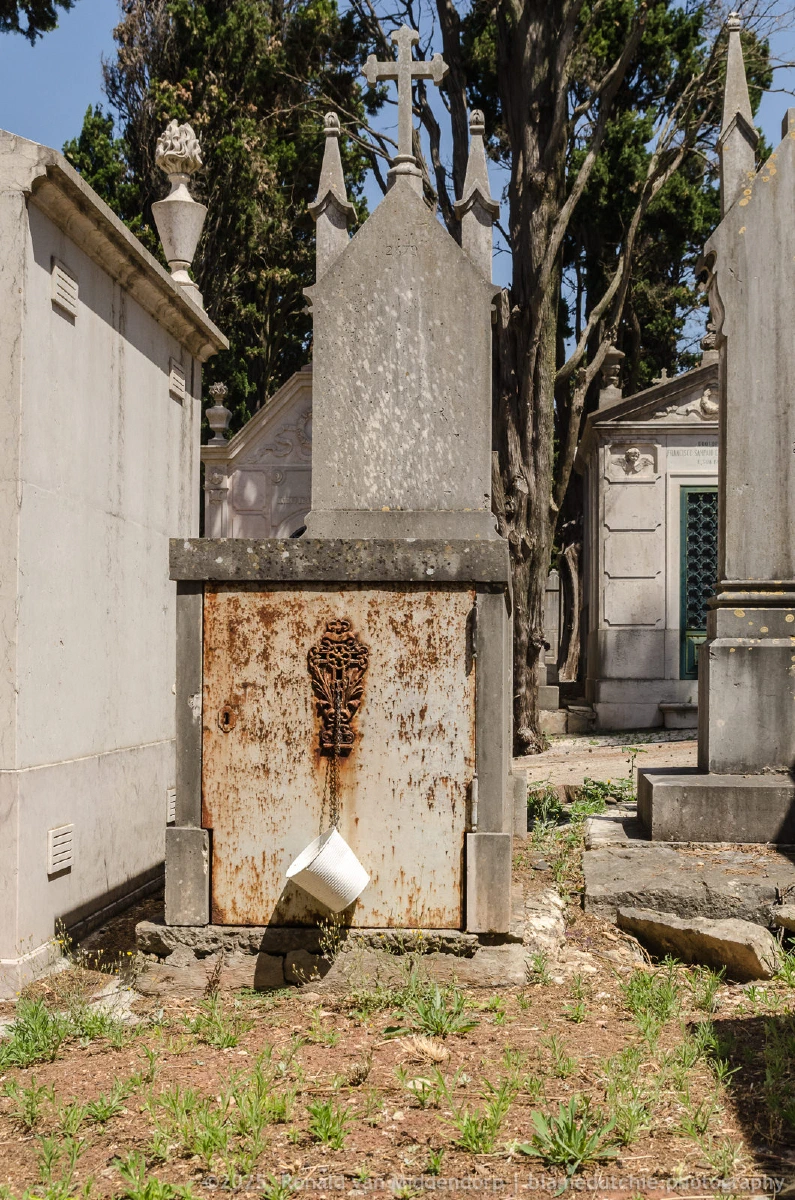
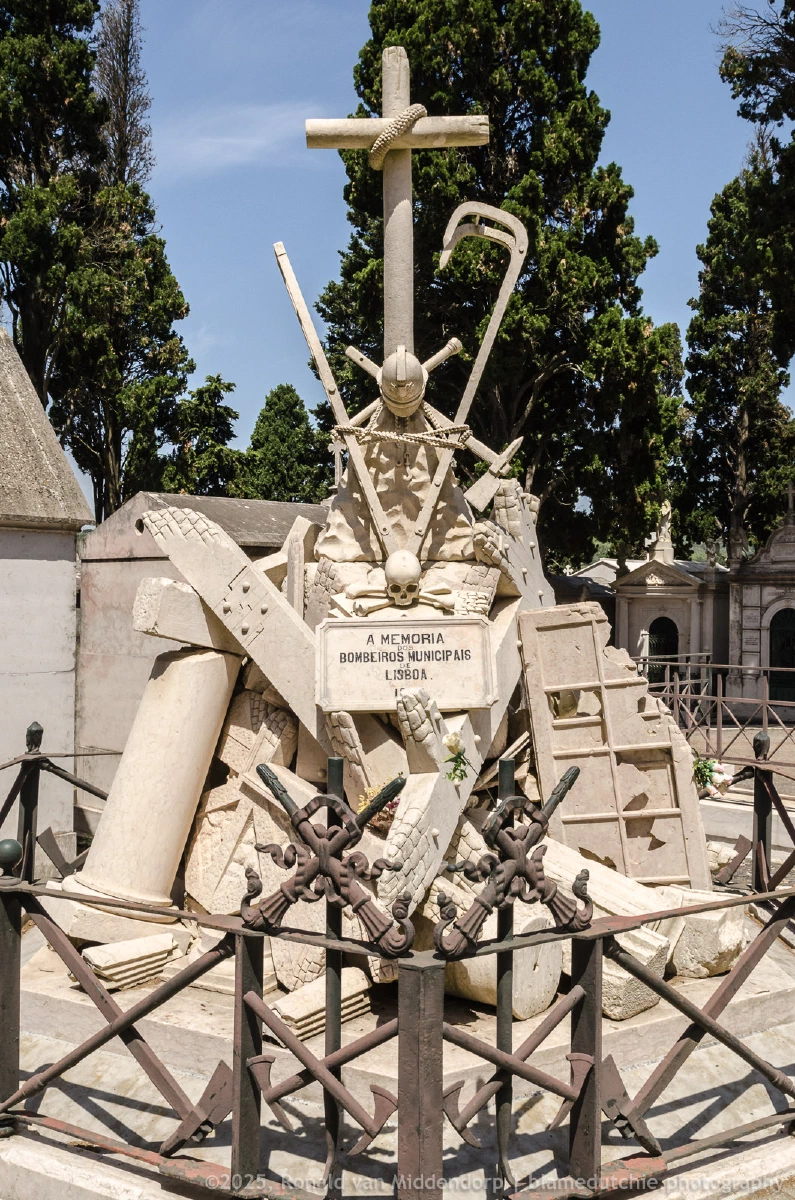
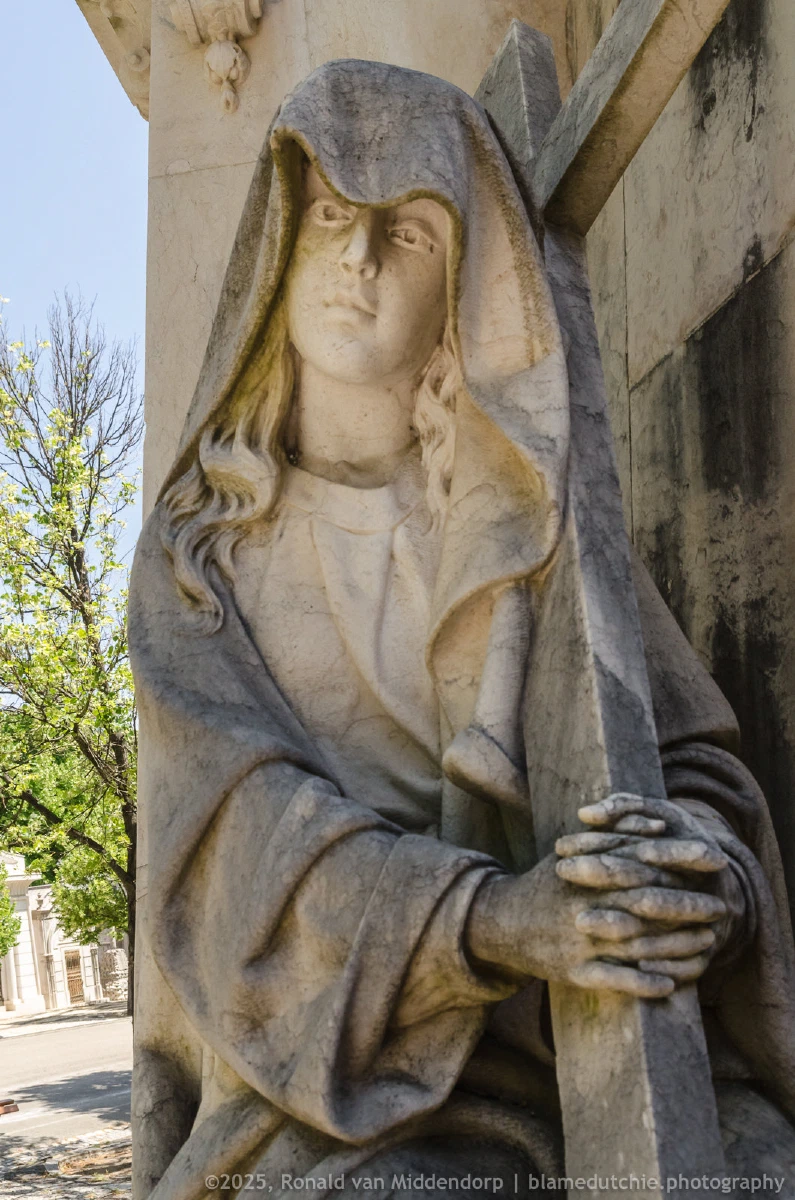
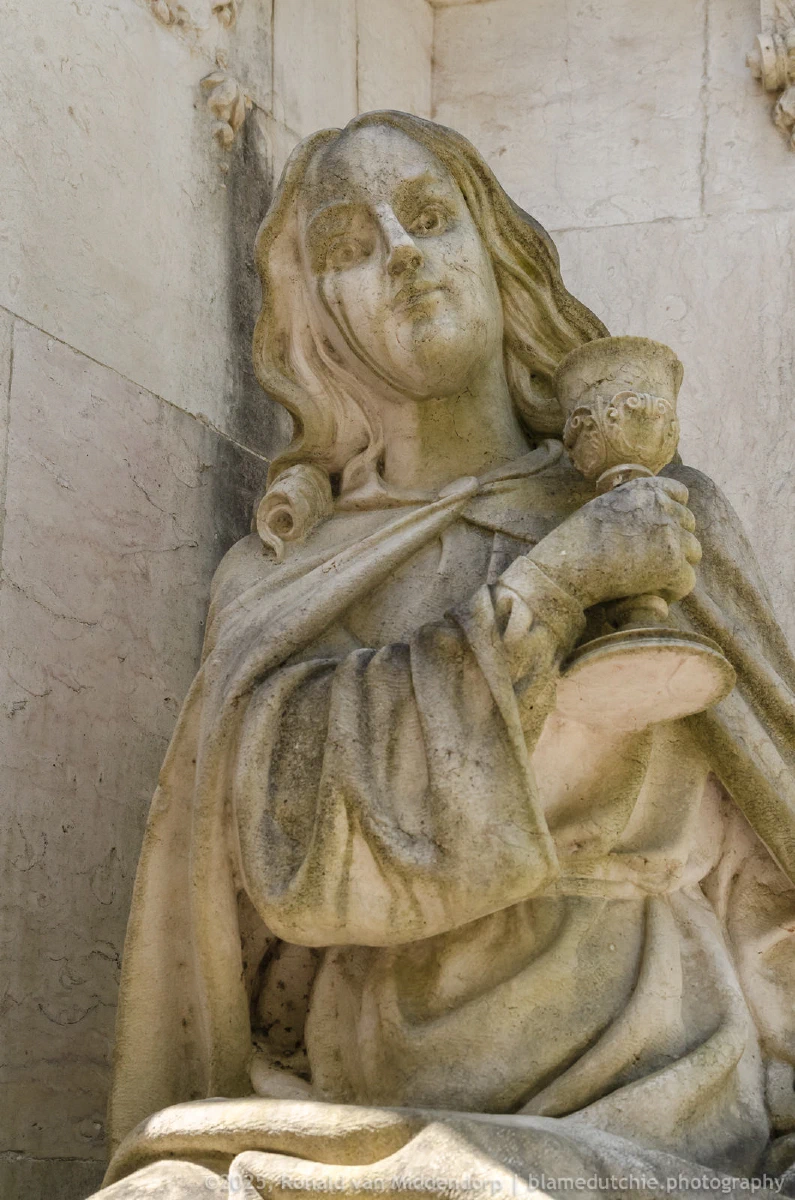
As an atheist, I find these expressions interesting. I wonder how these religious notions about eternal life, resurrection, heaven and paradise are linked to the burial practices and more specifically to the idea of conservation of the remains. If a person is dead, and some divine entity takes care of everything, what is the purpose of embalming and subsequent burying of the body in order to let it decompose in a box? And on top of that: why preferably in a `pleasant´ environment.
Diving deeper into the rabbit hole, I read that this has to do with the way christianity looks at resurrection.
Divine intervention
The christian resurrection divers from other notions of afterlife in a sense that it see it as a supernatural divine act and not a natural process. At its core, the doctrine argues that the body and soul, separated at death, will be reunited at the end of time through an act of divine power. As such, it is not the continuation of biological life. Nor does the soul return as a ghost or - as in hinduism’s reincarnation - a new earthly existence. The whole person undergoes a transformation into a glorified, imperishable state. The survival of the soul is only a partial victory; for complete redemption the body’s participation is required. The entire event is initiated and carried out by God, not by any inherent capacity of the human person. This makes resurrection unique among religious doctrines of life after death.
This still doesn’t tell me why a room with a view is important, so it my assumption this is for the ones who live on.
While many christian groups still favour a decent burial, cremation has become more and more accepted in the past decades. Most will demand, however, that the ashes are buried as a sign of respect for the diseased and not be scattered.
How believers make this fit their ideas about resurrection is beyond me, but hey: to each their own.
As usual, I thank you for your visit, and hope you enjoyed the images.
What are your thoughts on this post?
If you liked this post, feel free to use one of the sharing options below. It always makes me smile when I see someone enjoyed it.