What is the discussion about?
Like many discussions about how something should be done, the street photography discussion is filled with and built on dogmatic thinking. Many people who engage in the conversation, have heard or read (or think they have) some opinion on some aspect of photography or art in general and that becomes their truth. And often in an almost religious way.
Some start websites and write articles in which they regurtitate and rehash things that someone wrote a hundred years ago. Some start selling workshops to uncertain new photographers and/or people with too much money and not enough sense to realise they are the reason that the teachers can afford to travel the world to take their breathtaking pictures. Pictures that often are being shot using equipment provided by sponsors - although that trend seems to be on its return for some time now.
Now, understand me well please: I am not saying there are no fantastic photographers amongst those workshop sellers! There obviously are and quite a lot of them teach valuable lessons. But… Like with football players; not all of them play in the major league, right?
Let’s get back on track, to the discussion - and the dogmas - I am referring to.
Dogma’s
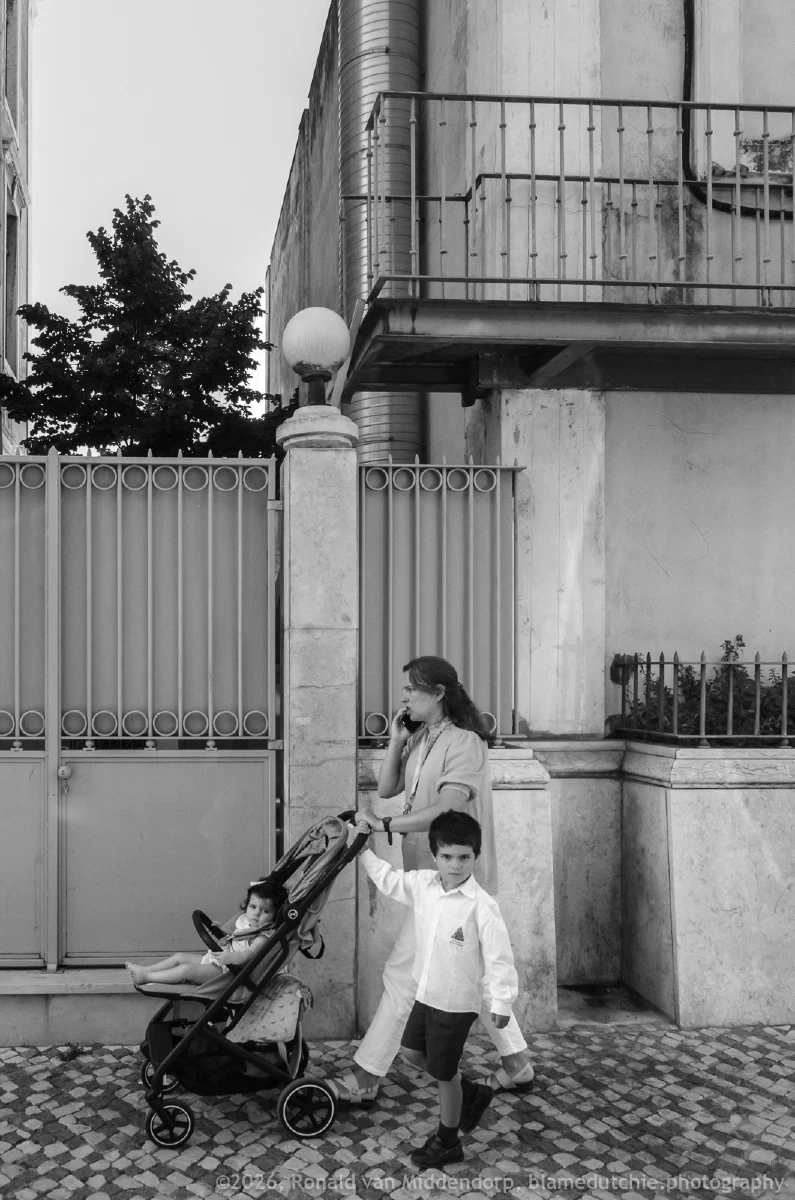
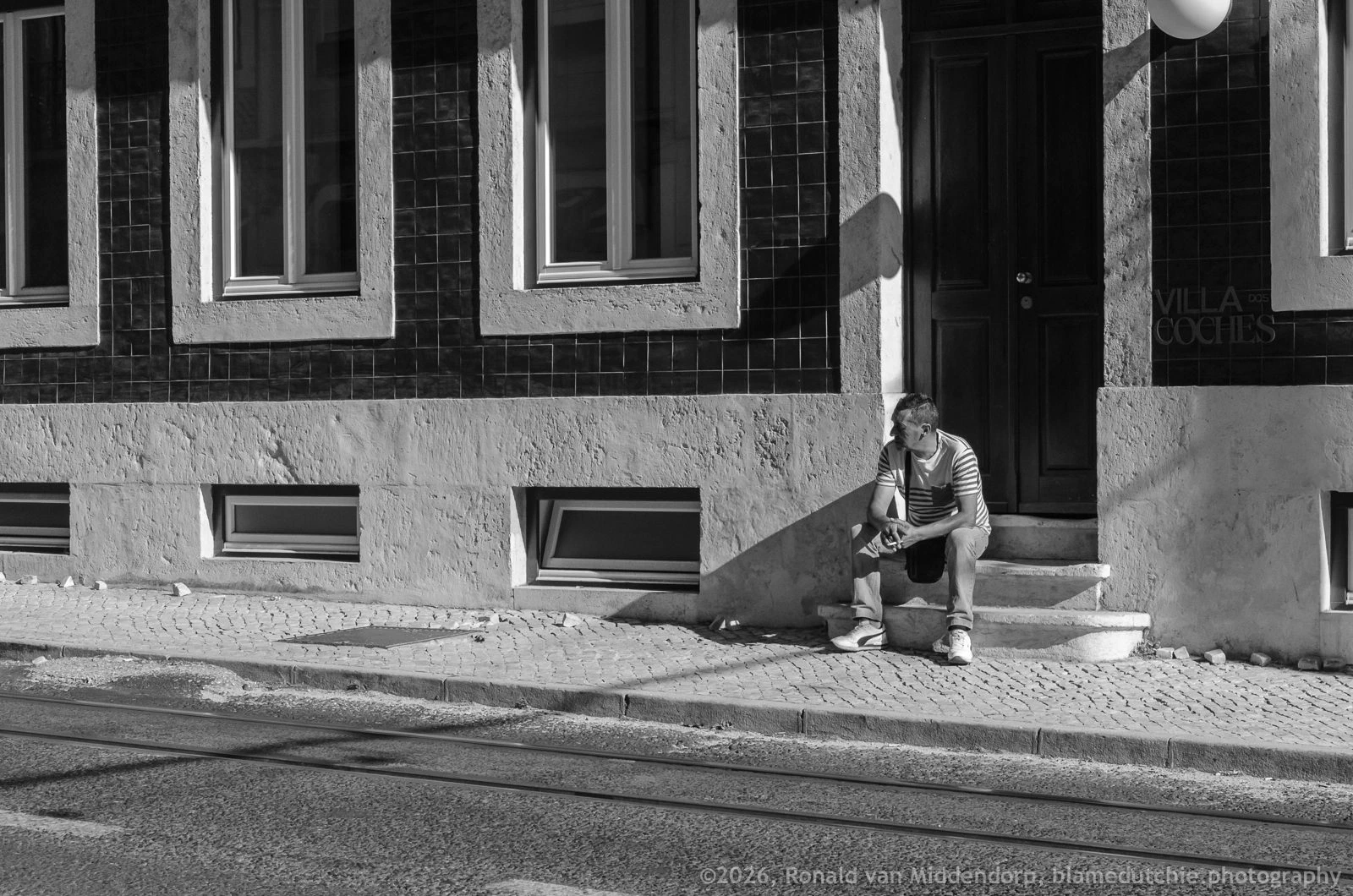
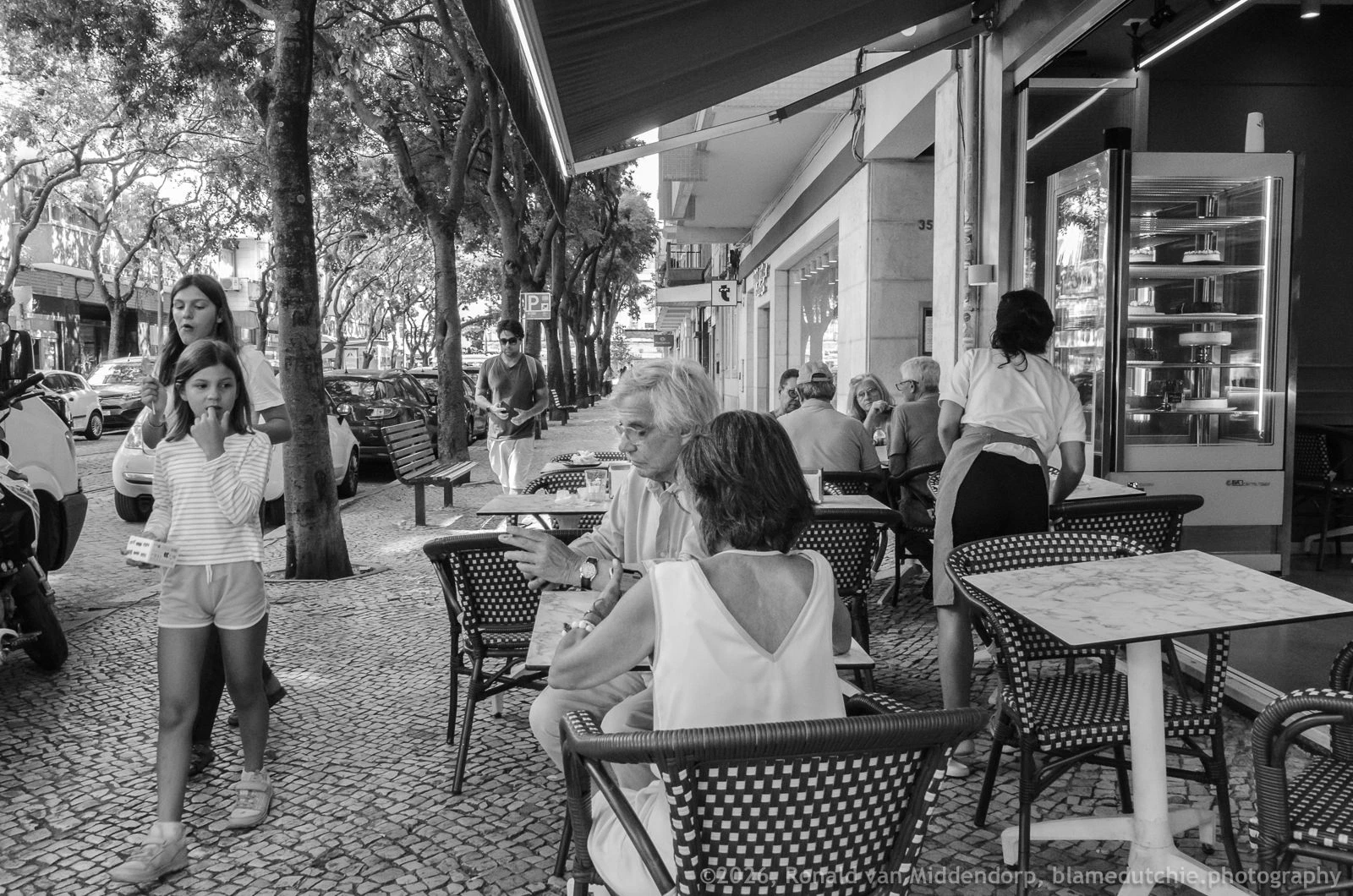
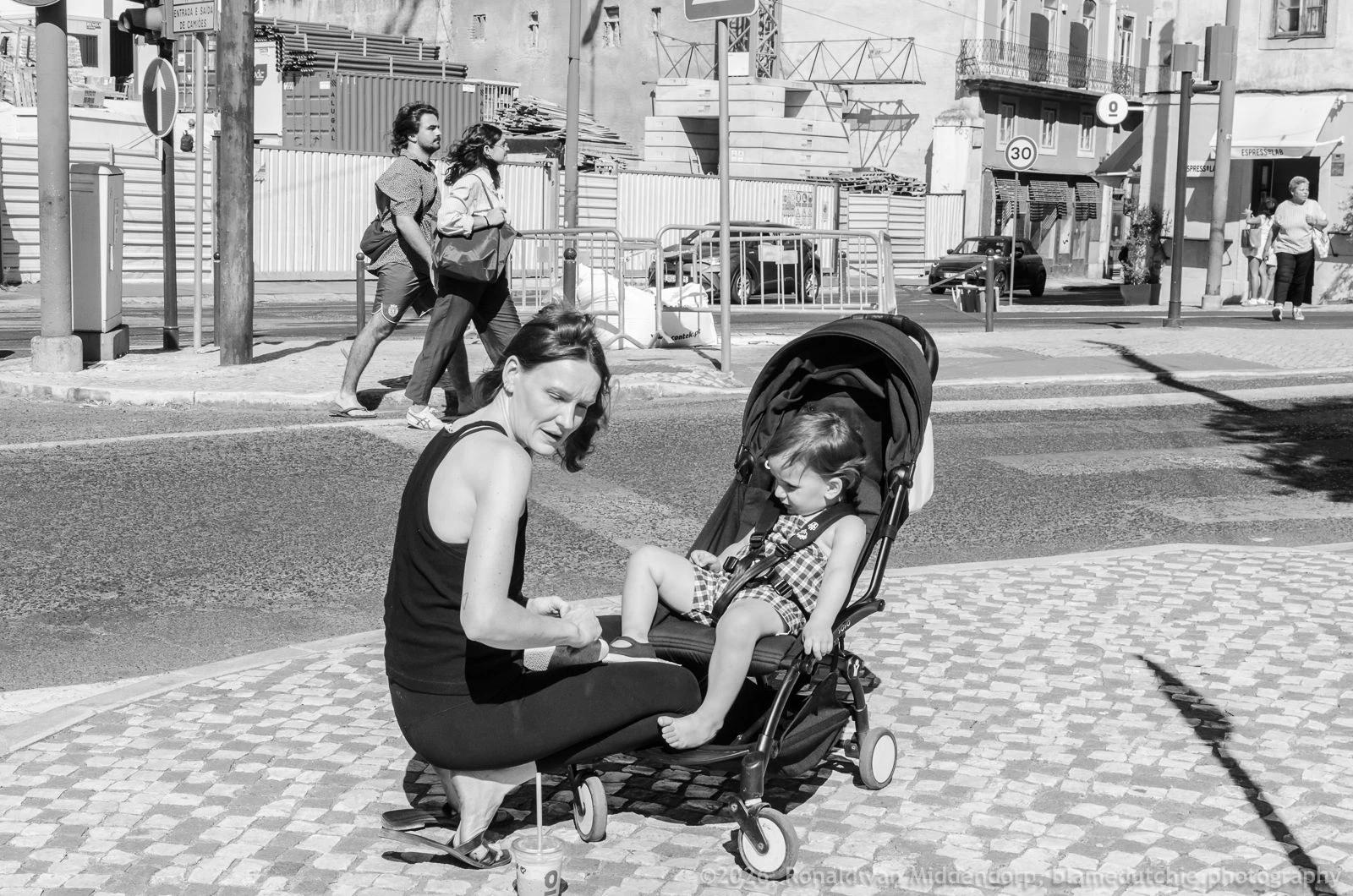
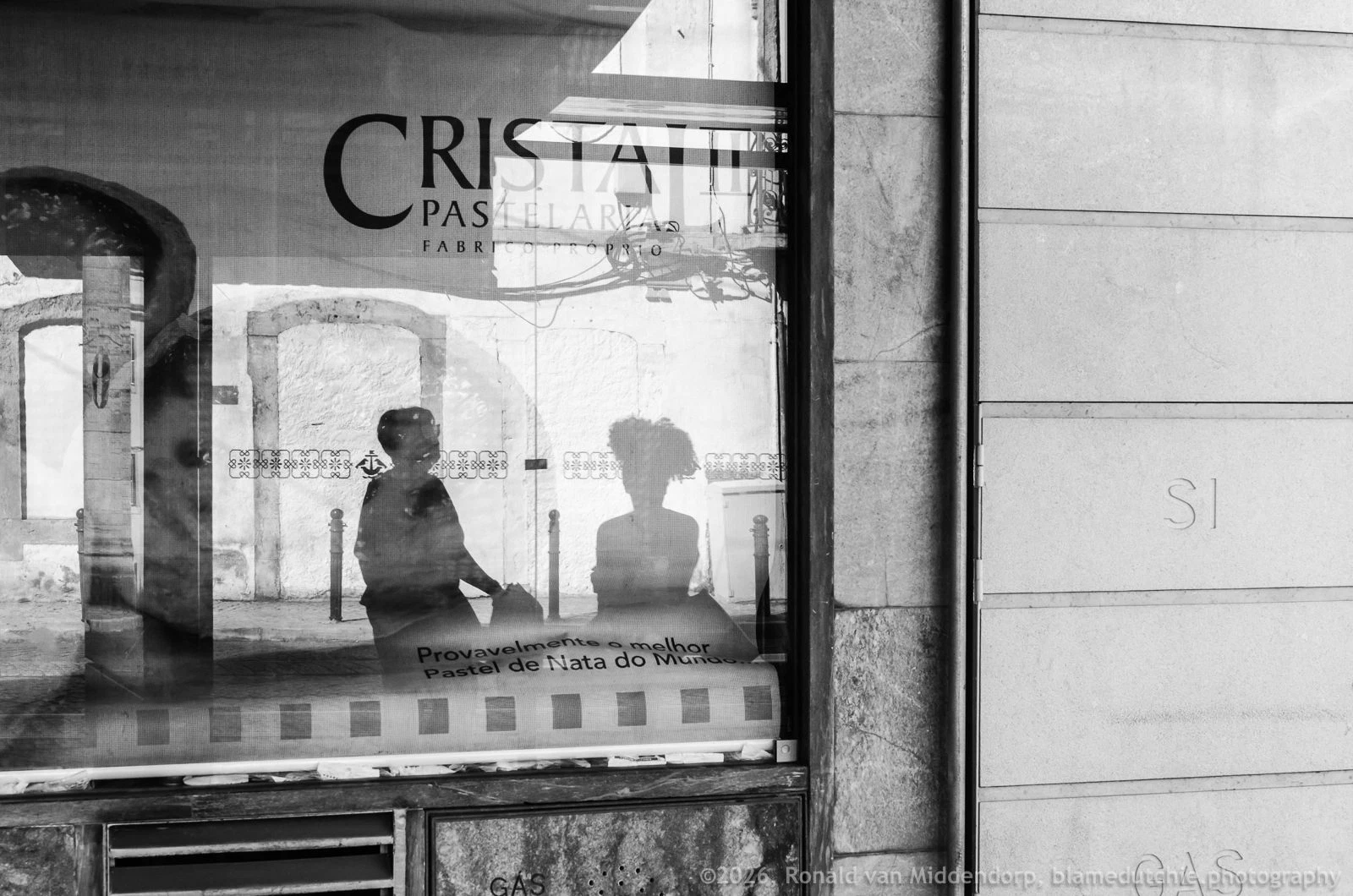
- The image needs to have people in it;
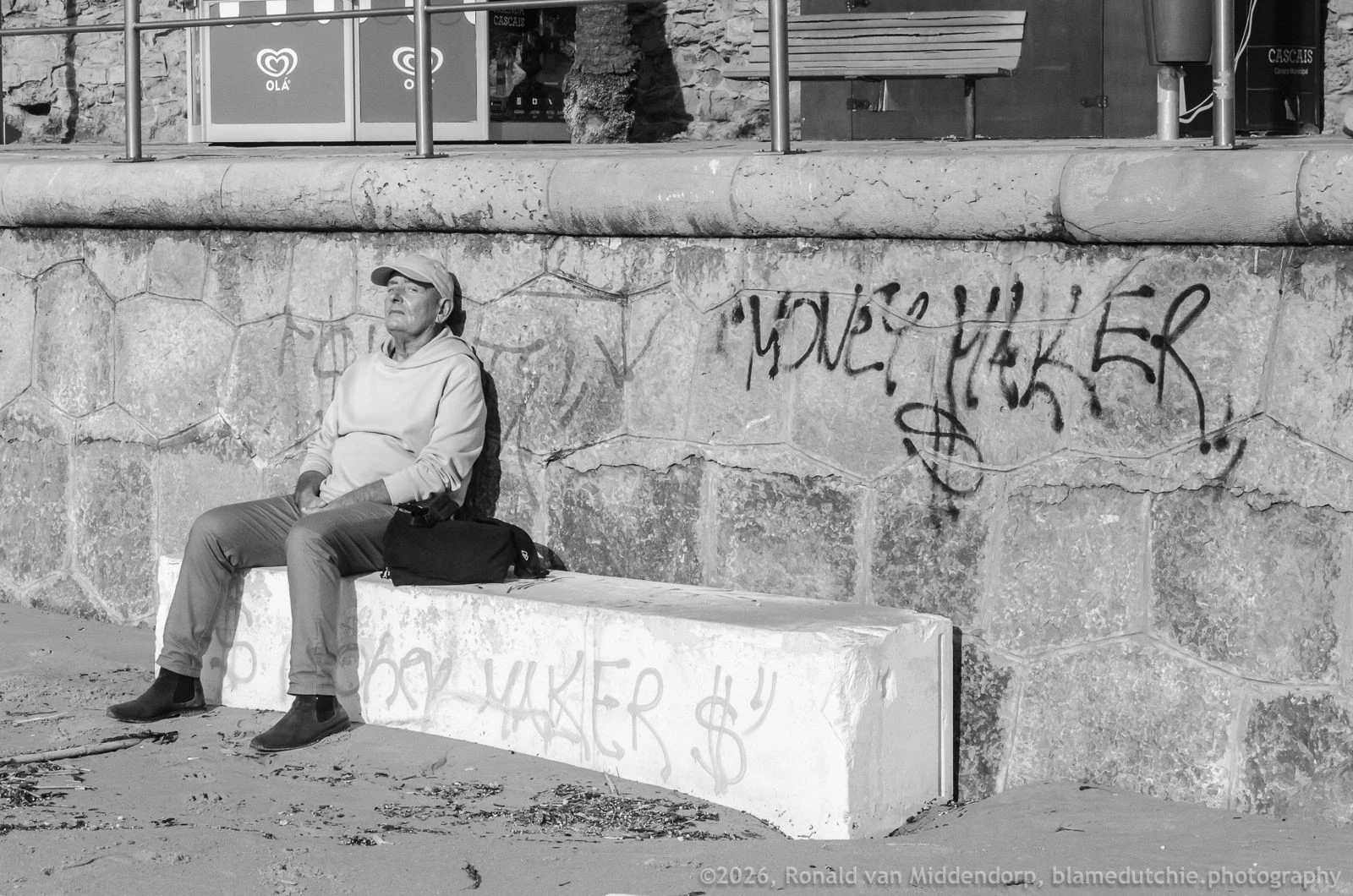
- The image has to be black-and-white;
- The image should be sharp;
- One should not crop;
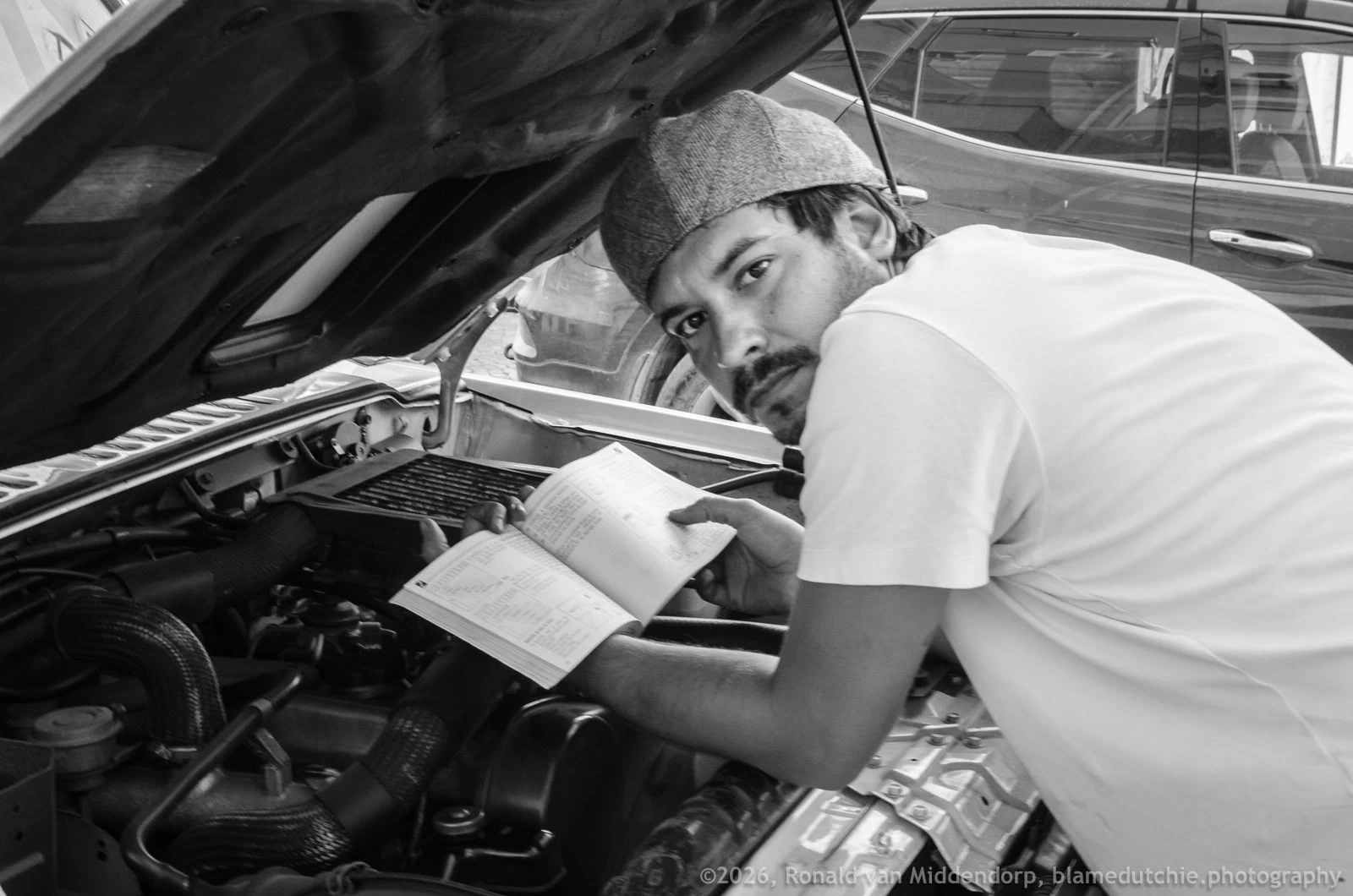
- One should always/never ask for permission;
- Interaction with the subject is/is not essential;
- One has to use 35mm lens;
- Real street photographers use a Leica.
And the list goes on. And on. If I were to come up with a rule and if I were able to write about that in a gripping way, create a few videos about it and spread, spread, and then spread it some more so it gets traction, people would talk about it. And if the rule would make some kind of sense, at least some people would adhere to it. And, following the path of enshittification, someone would make it gospel and turn it into an income.
Why does this happen? Bottom-line: because people are insecure, and insecurity is a market.
History
When we look at the dogmas that are (being kept) alive, they all come from people interpreting the ideas from photographers that were taking their cameras to streets in the beginning days of photography. In those days, making photos was really, and I mean really, hard. More often than not, the restrictions that a photographer felt were not based on a philosophy but on the material.
Black and white
In the early days, one did not have to think about shooting in either colour or black and white. Black and white was the only thing available. And when the time came that Henri Cartier-Bresson thought his intense thoughts about the art of photography, colour was possible but difficult to accomplish in a consistent manner. In his essay Images a la Sauvette (translated as The Decisive Moment), he writes the following:
Color photography brings with it a number of problems that are hard to resolve today, and some of which are difficult even to foresee, owing to its complexity and its relative immaturity. At present [1952], color film emulsions are still very slow. […] Though it is difficult to foresee exactly how color photography is going to grow photo-reporting, it seems certain that it requires a new attitude of mind, an approach different than that which is appropriate for black-and-white. Personally, I am half afraid that this complex new element may tend to prejudice the achievement of the life and movement which is often caught by black-and-white.
So, what we see here is a man who looks at his art and makes a conscious decision, based upon ideas about the images he wants to create as well as the (learnt) techniques available to him. In his view - at that specific moment in time - black and white is his chosen form.
People in the image
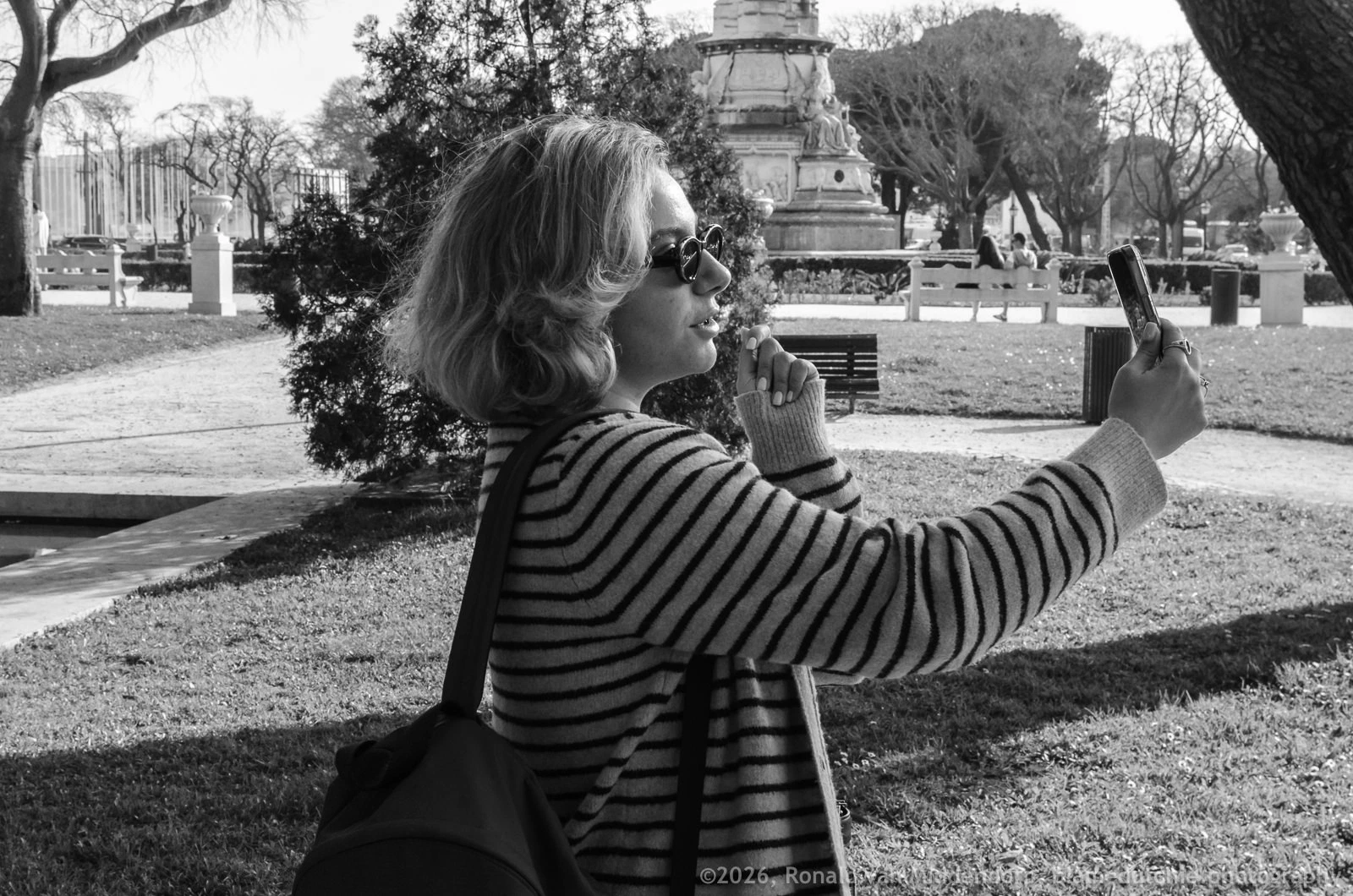
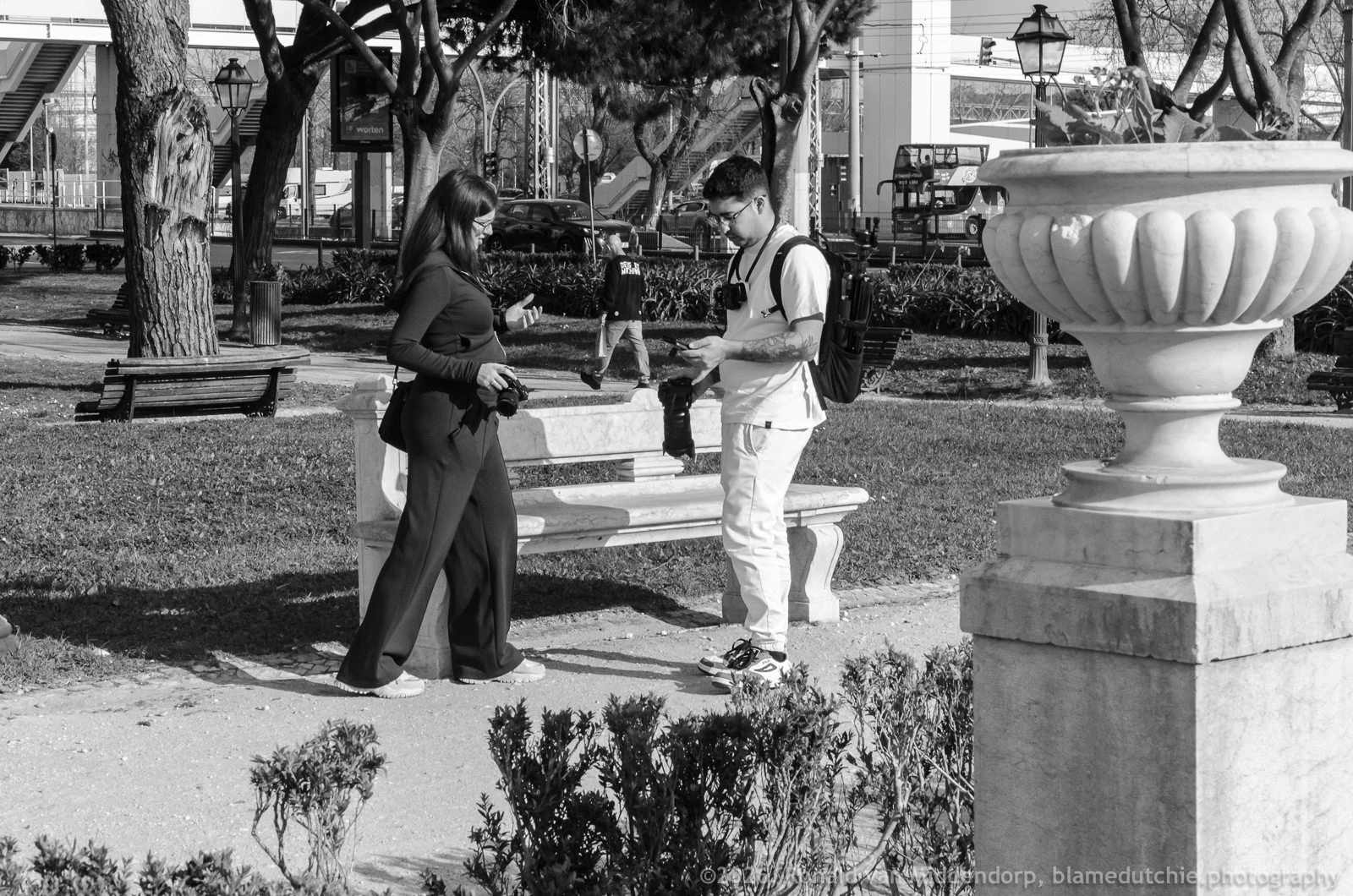
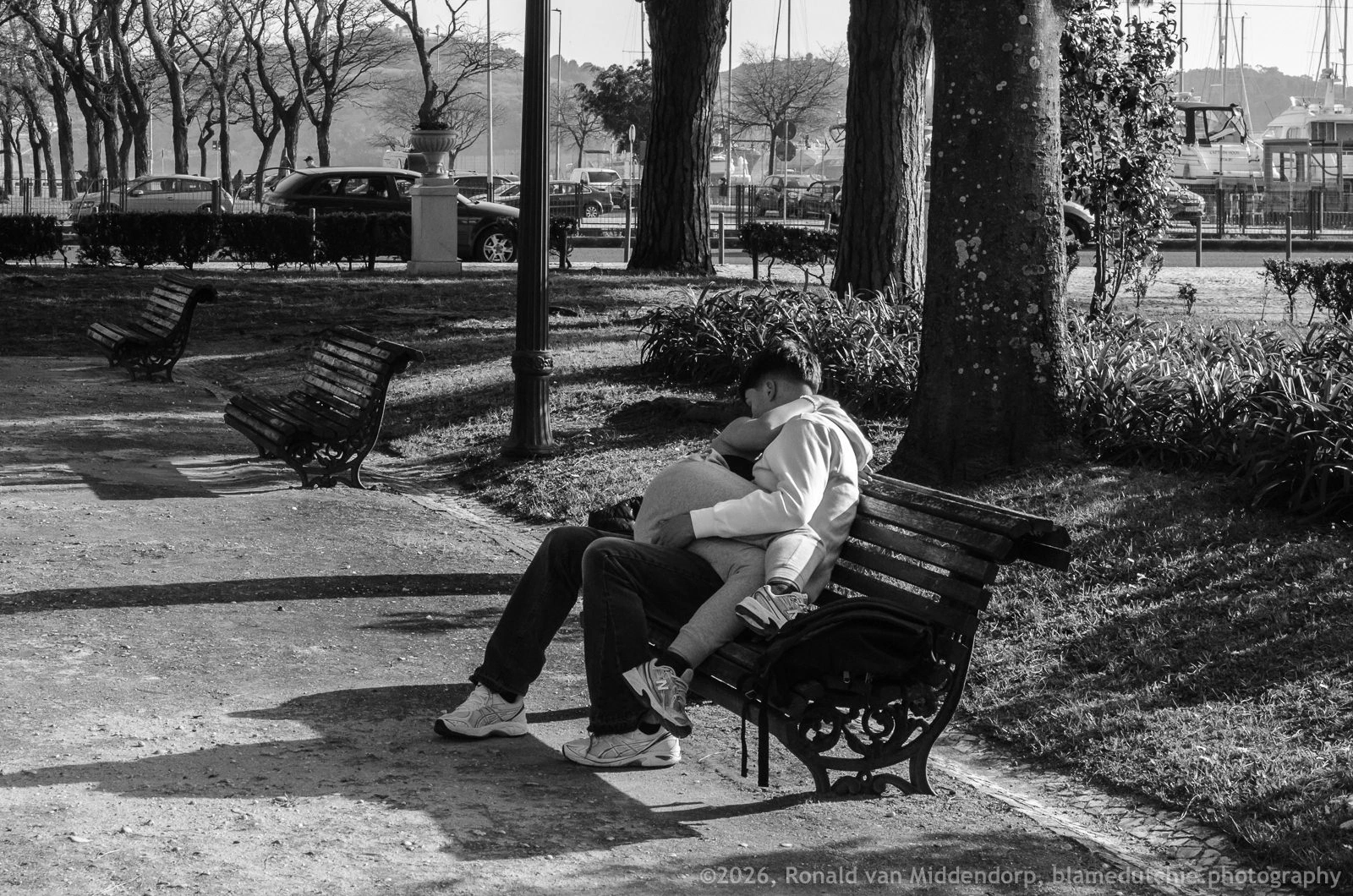
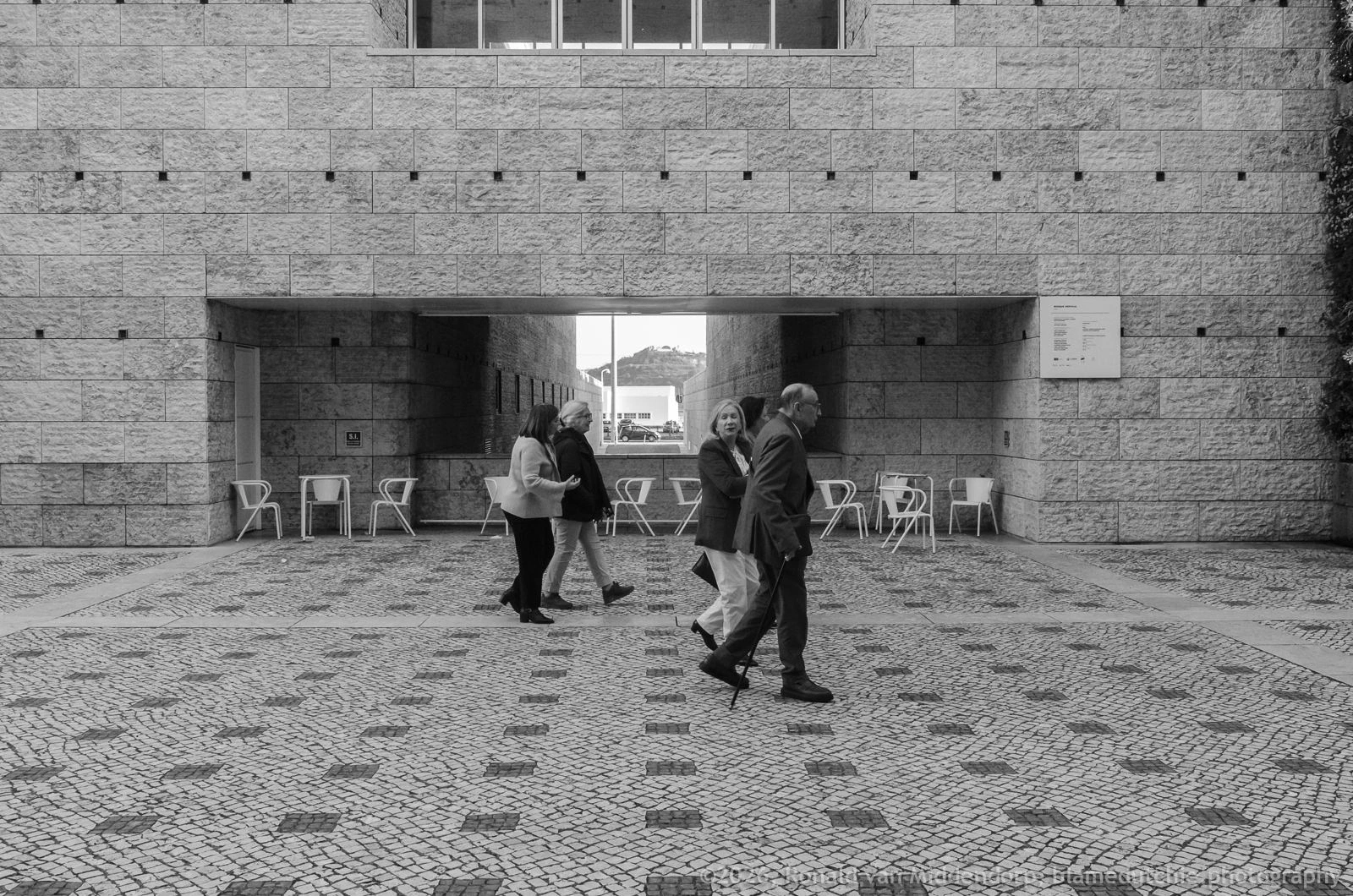
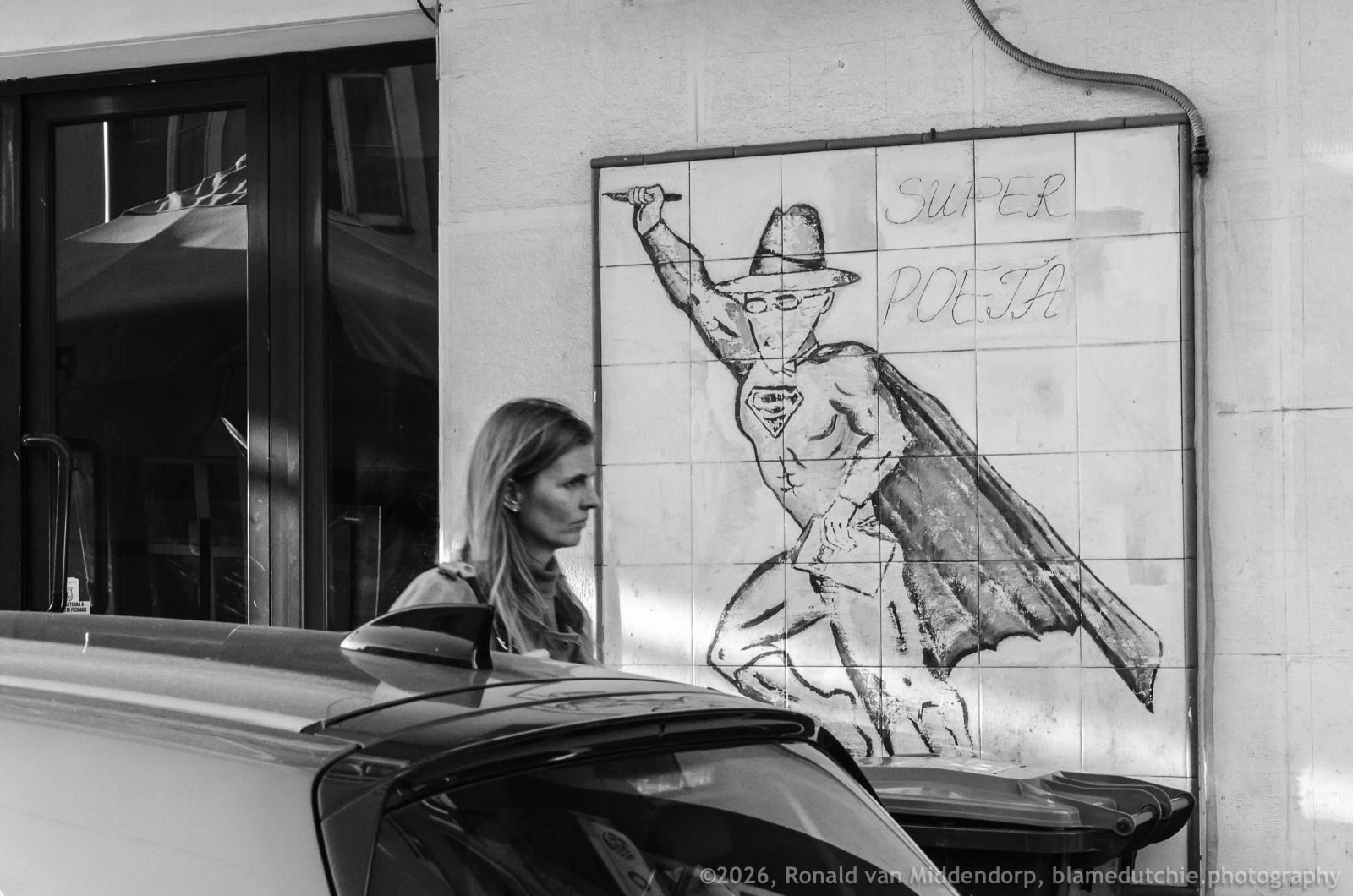
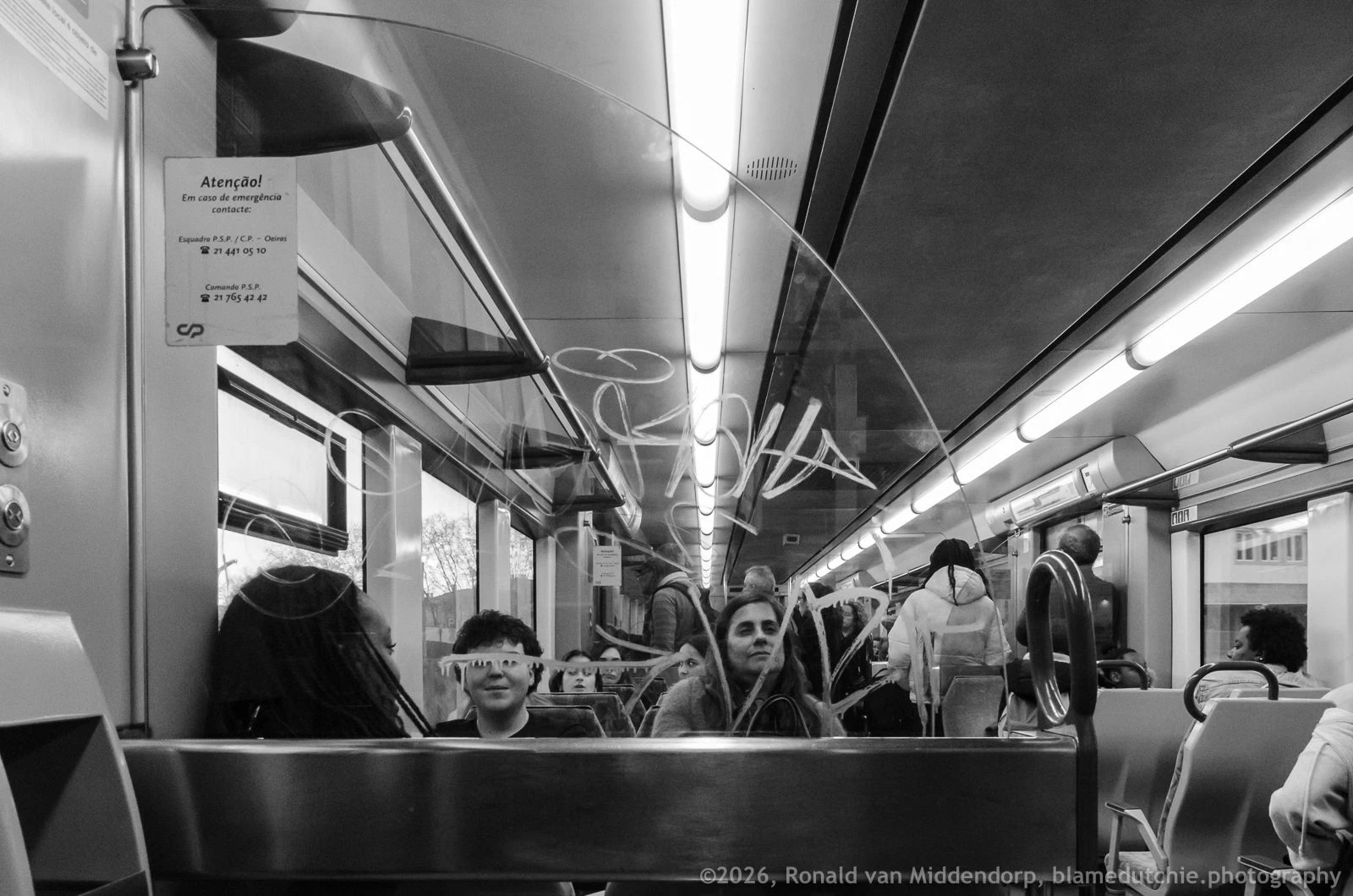
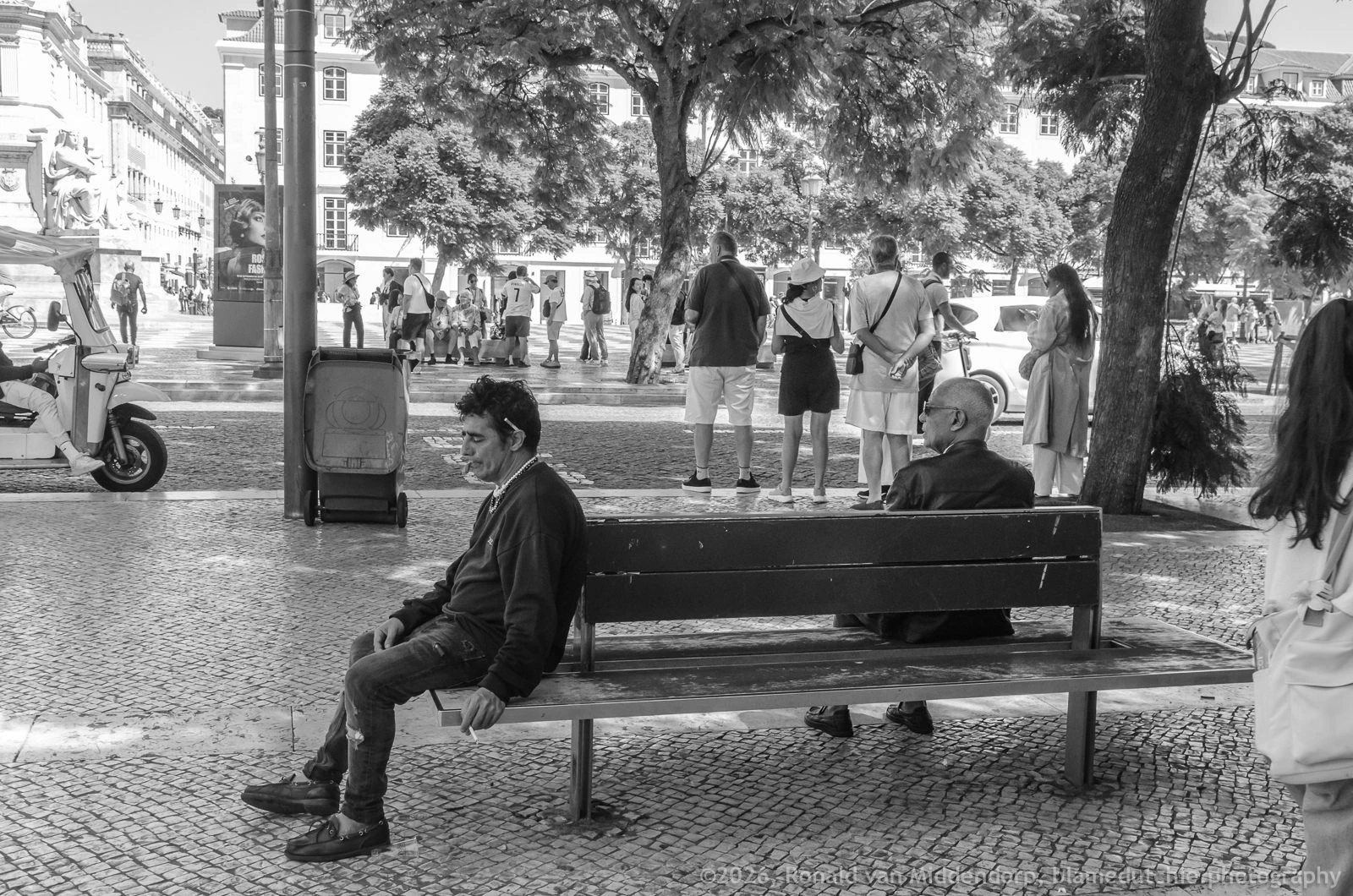
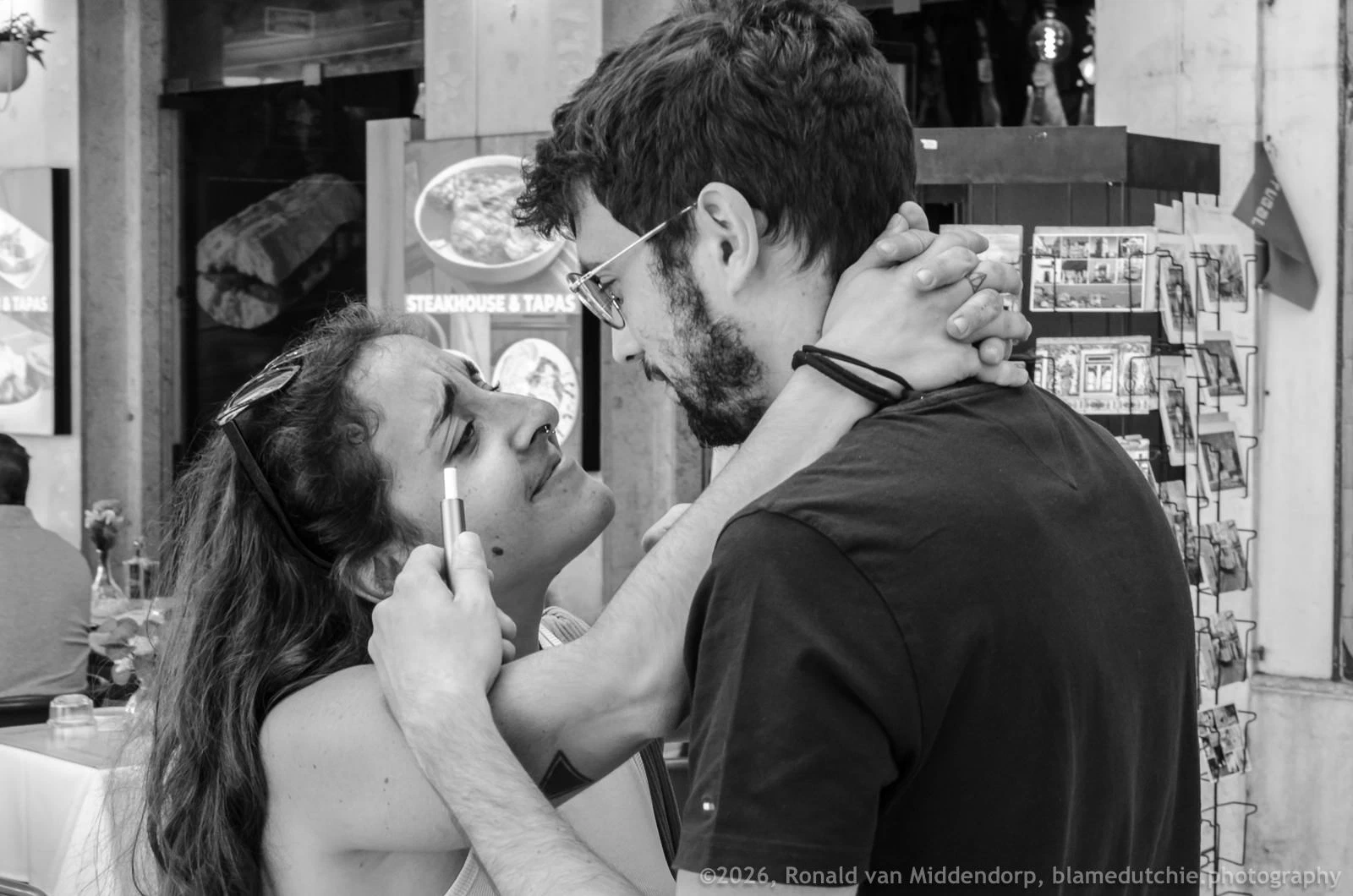
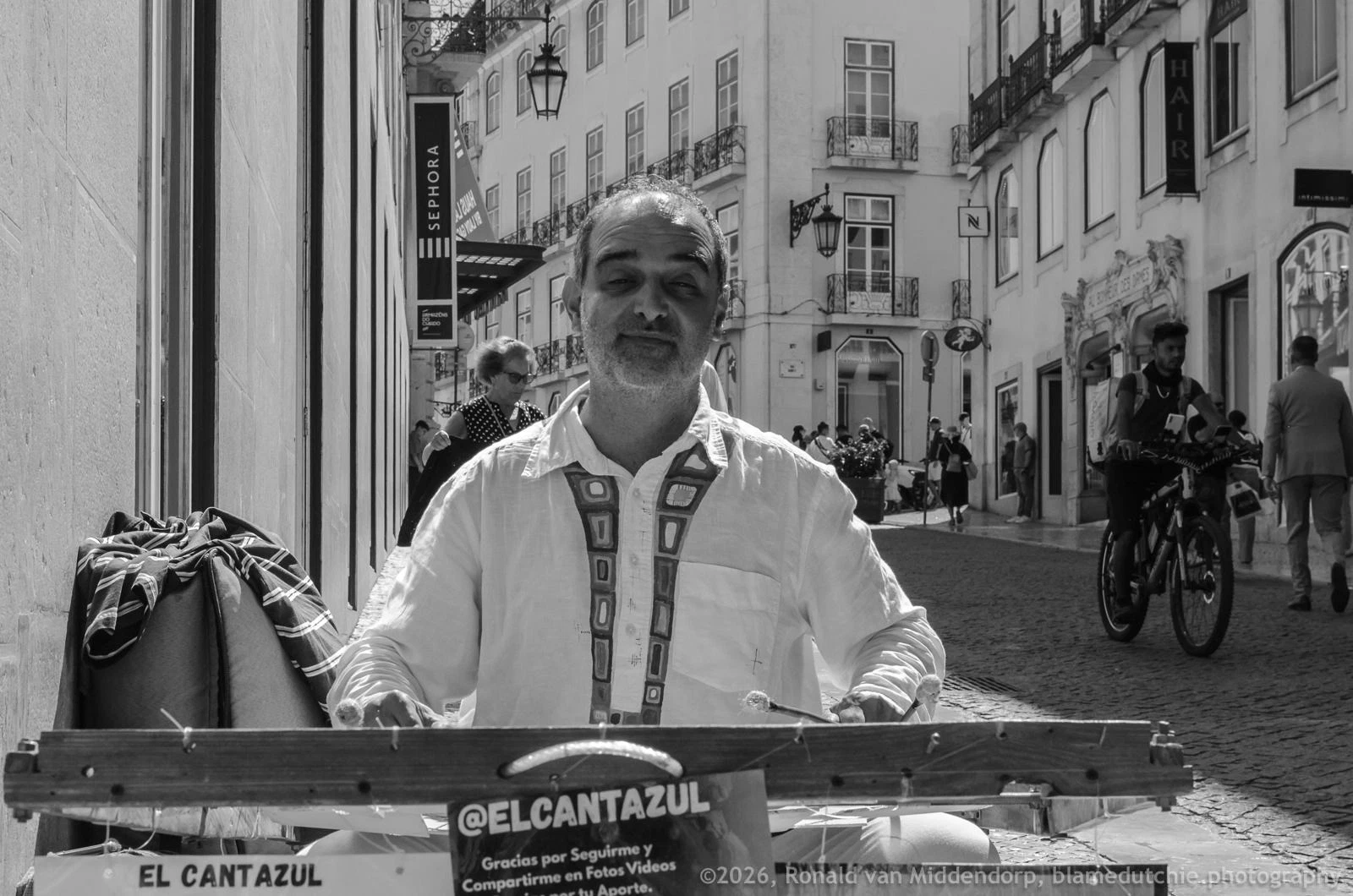
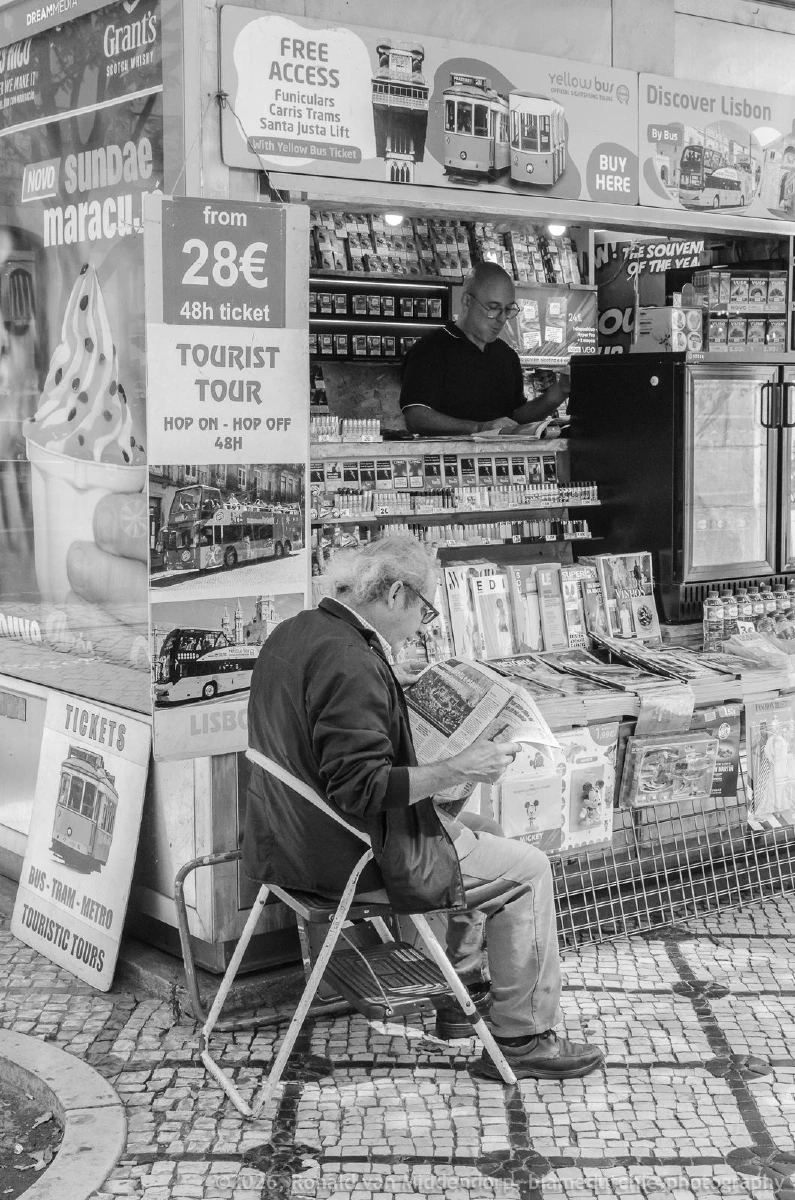
In the essay, he specifically mentions photo-reporting as the territory of photography. Looking back at those years, it is easy to see that together with other photographers - in particular after founding Magnum - he laid the groundwork for the field photo-journalism. And yes, for that field they created rules that turned out te be very important. Understanding that every photo leaves out far more than it captures, seeing and framing became extremely important. The question of which elements should be in any given picture, in order to create an image that is a smaller lie than it otherwise would be, is the most important one as it defines the composition. The composiition becomes both form and content of the message. This may be less a technical than a ethical discussion. Reporting on human interest will, in most cases, result in images with people.
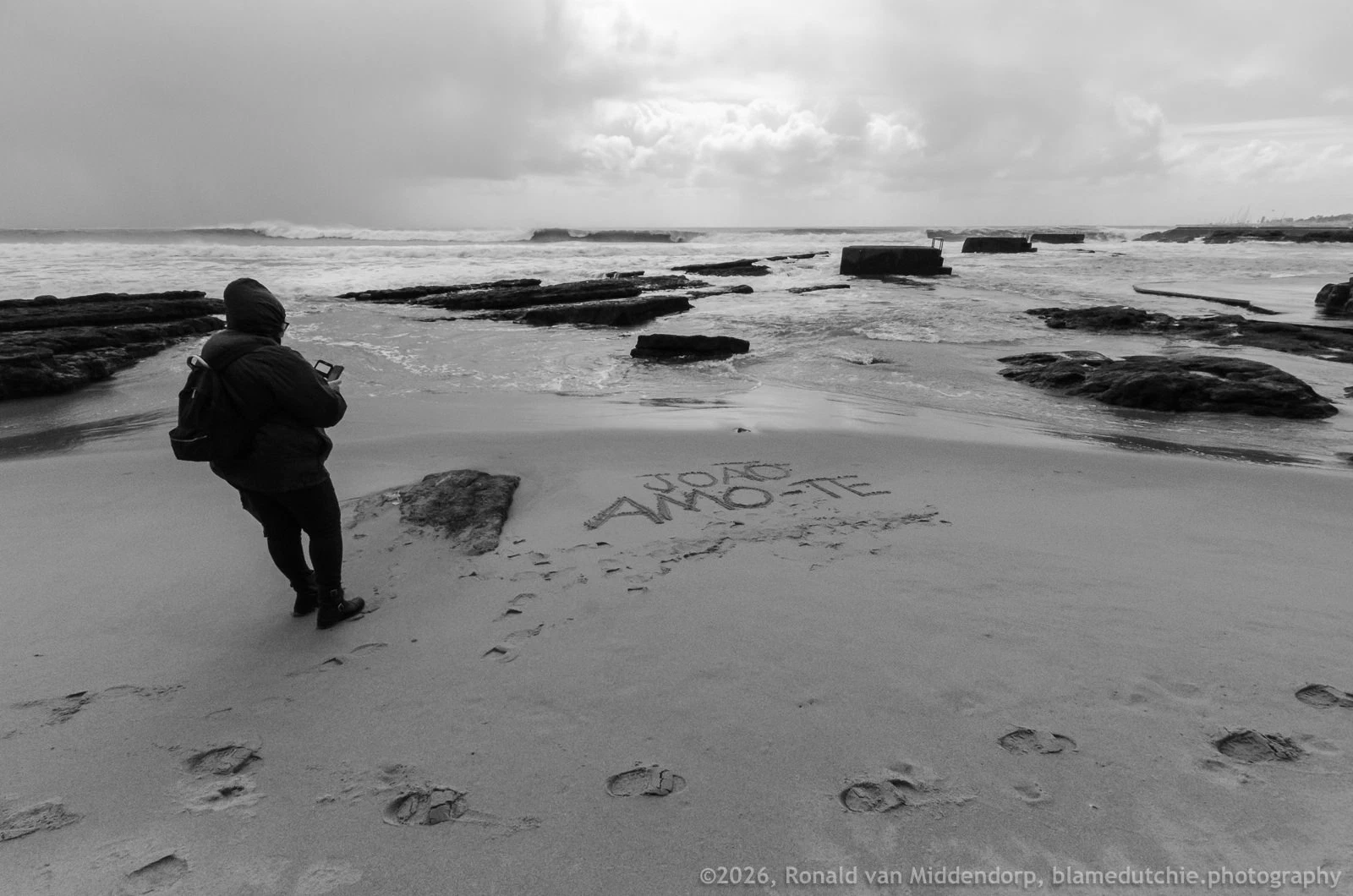
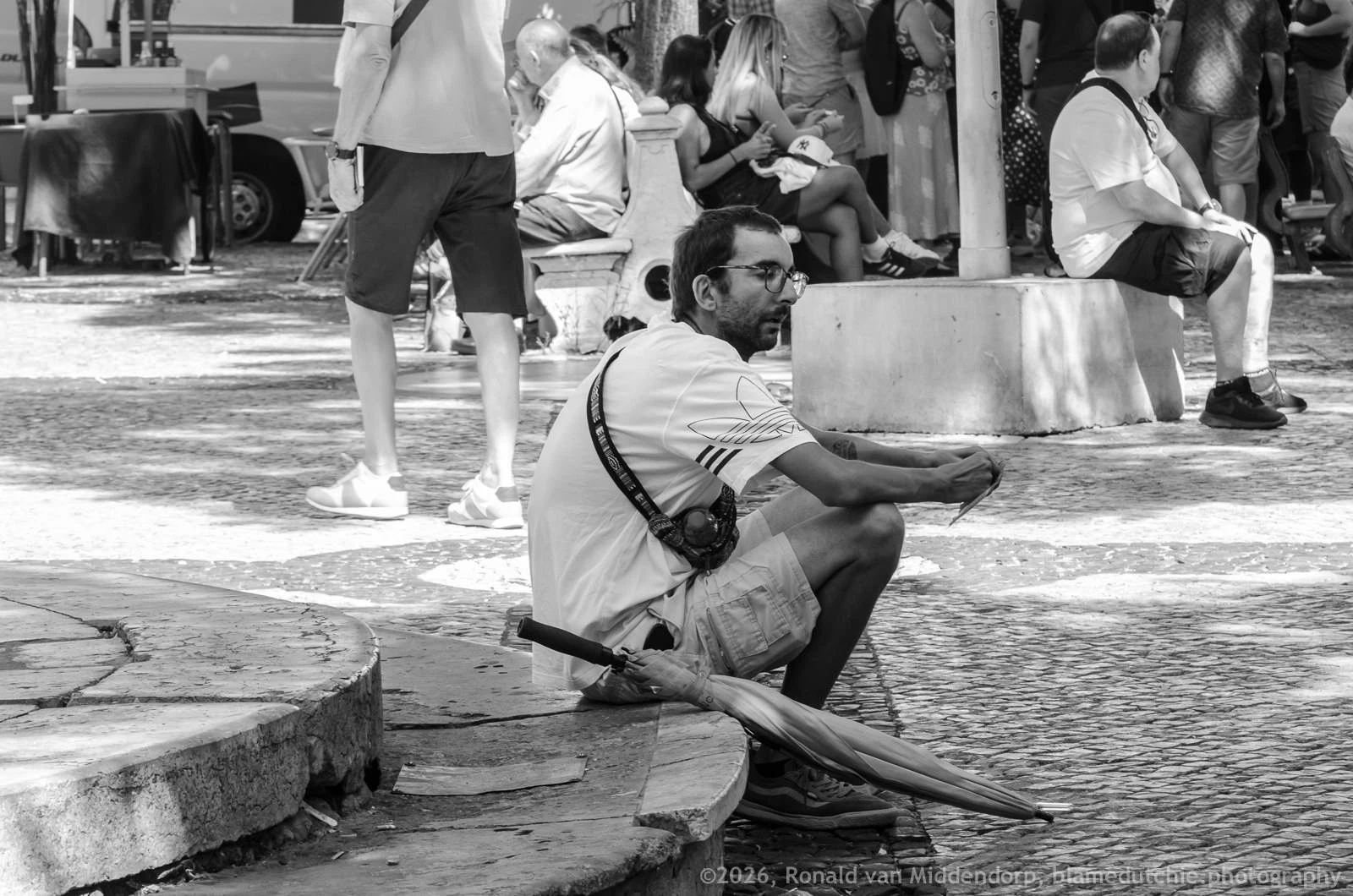
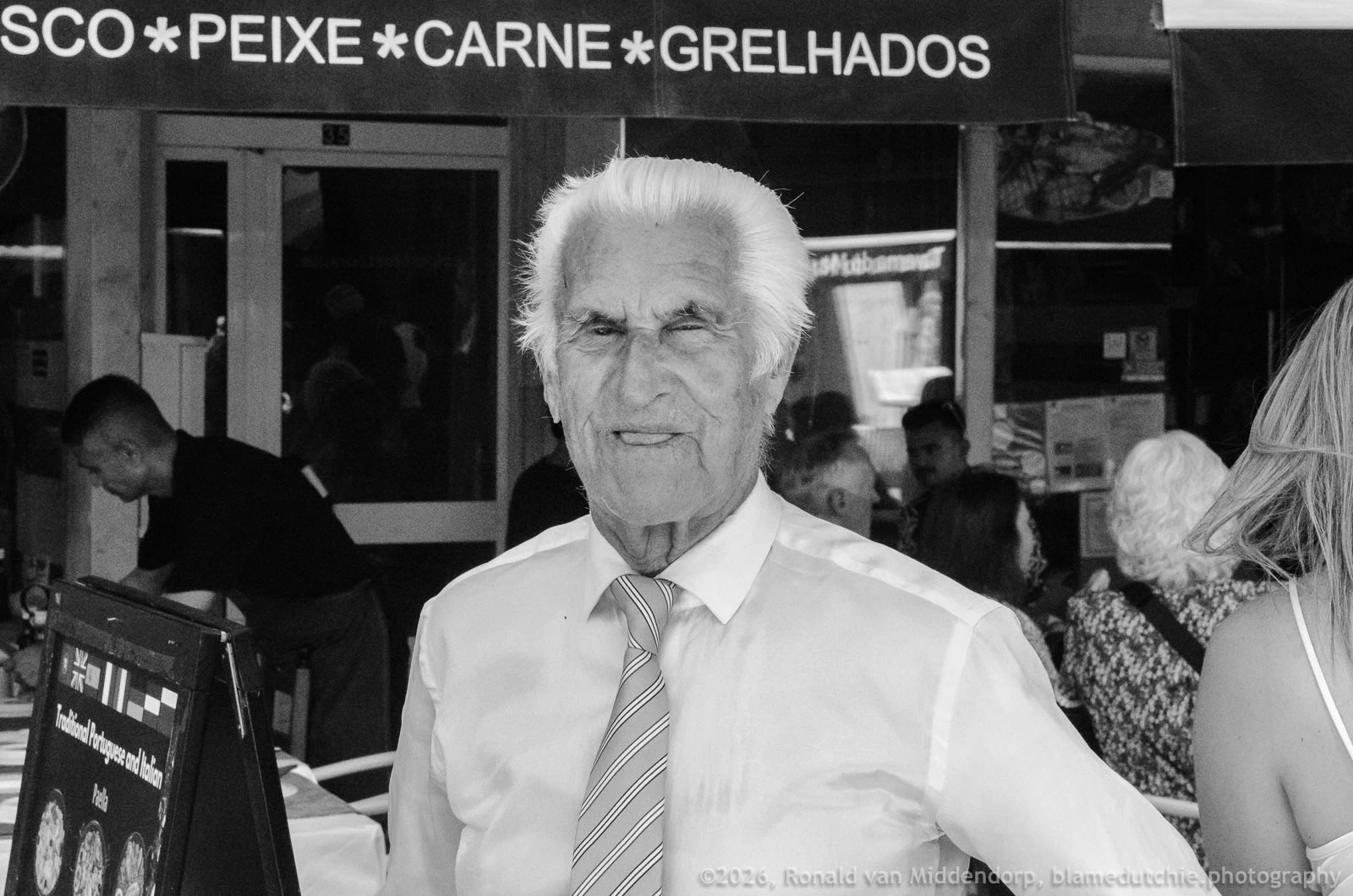
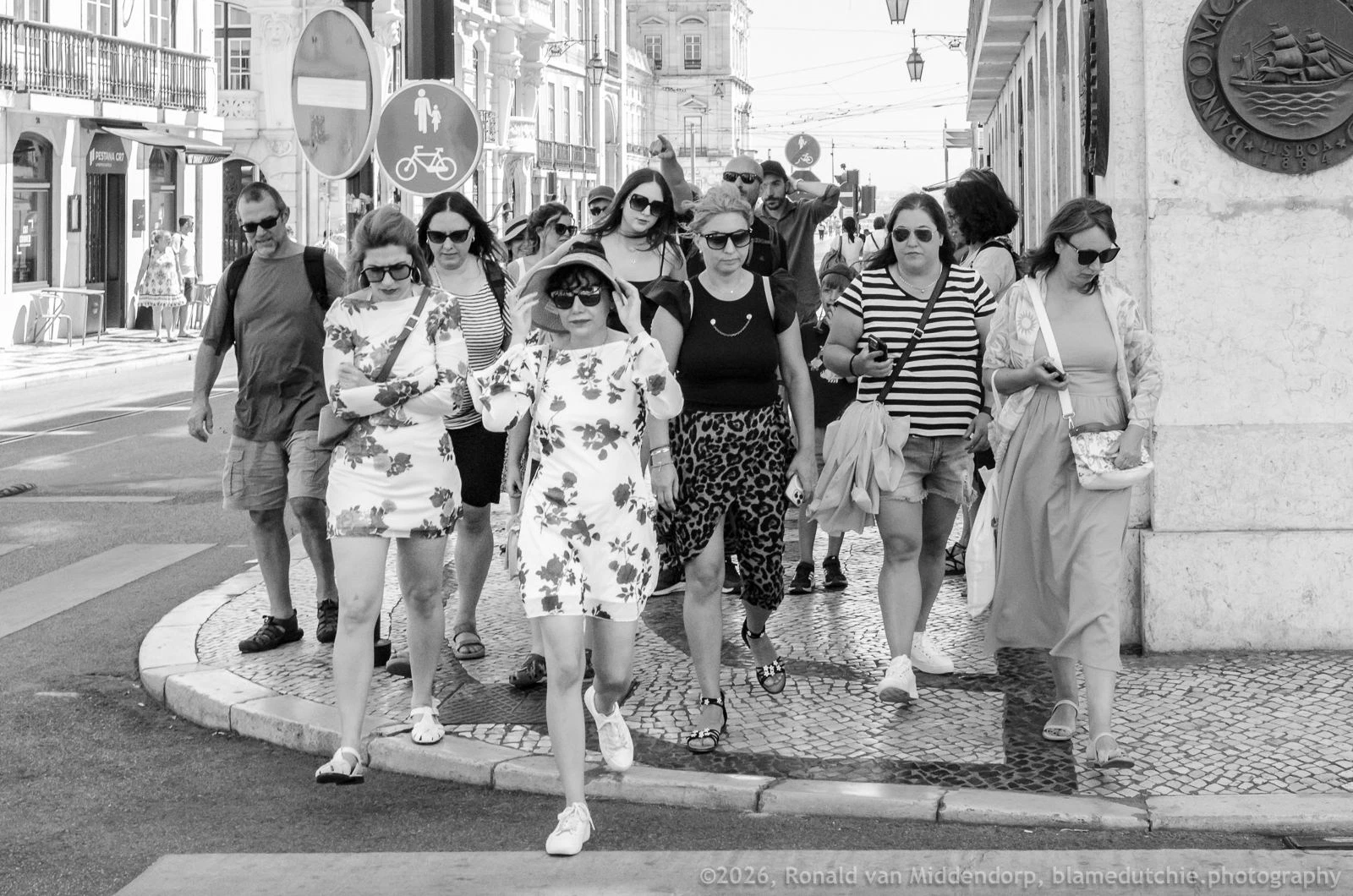
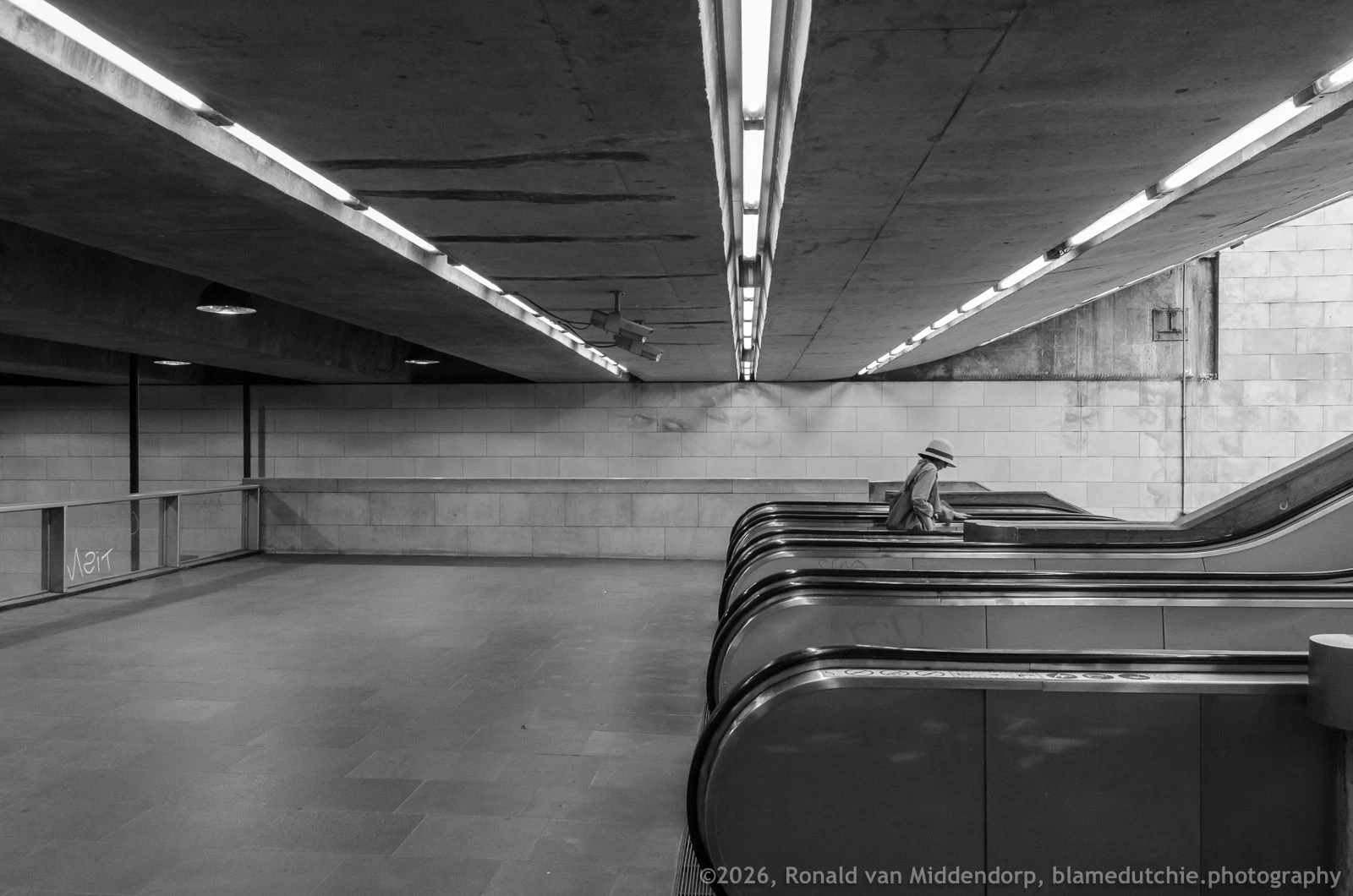
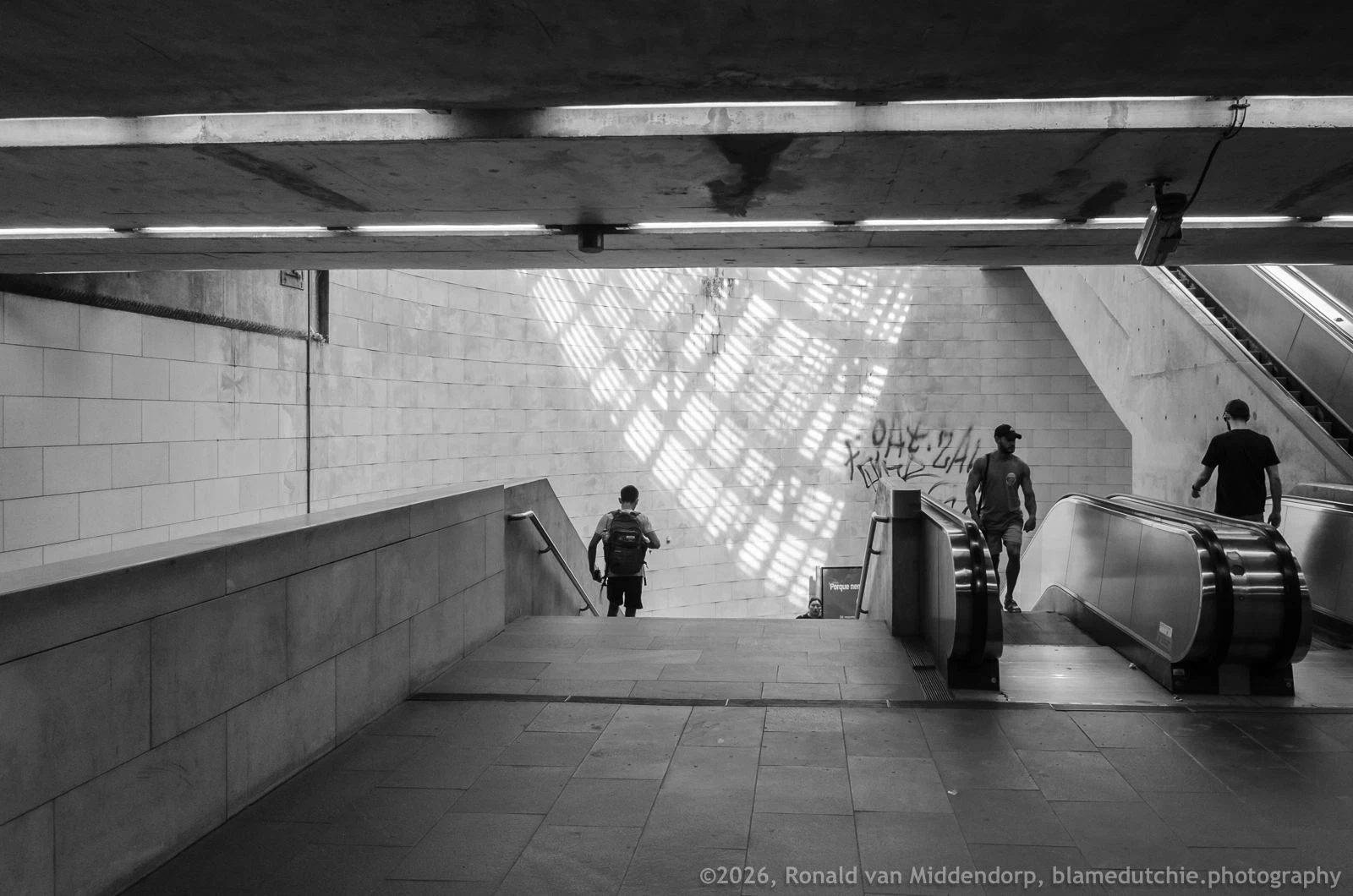
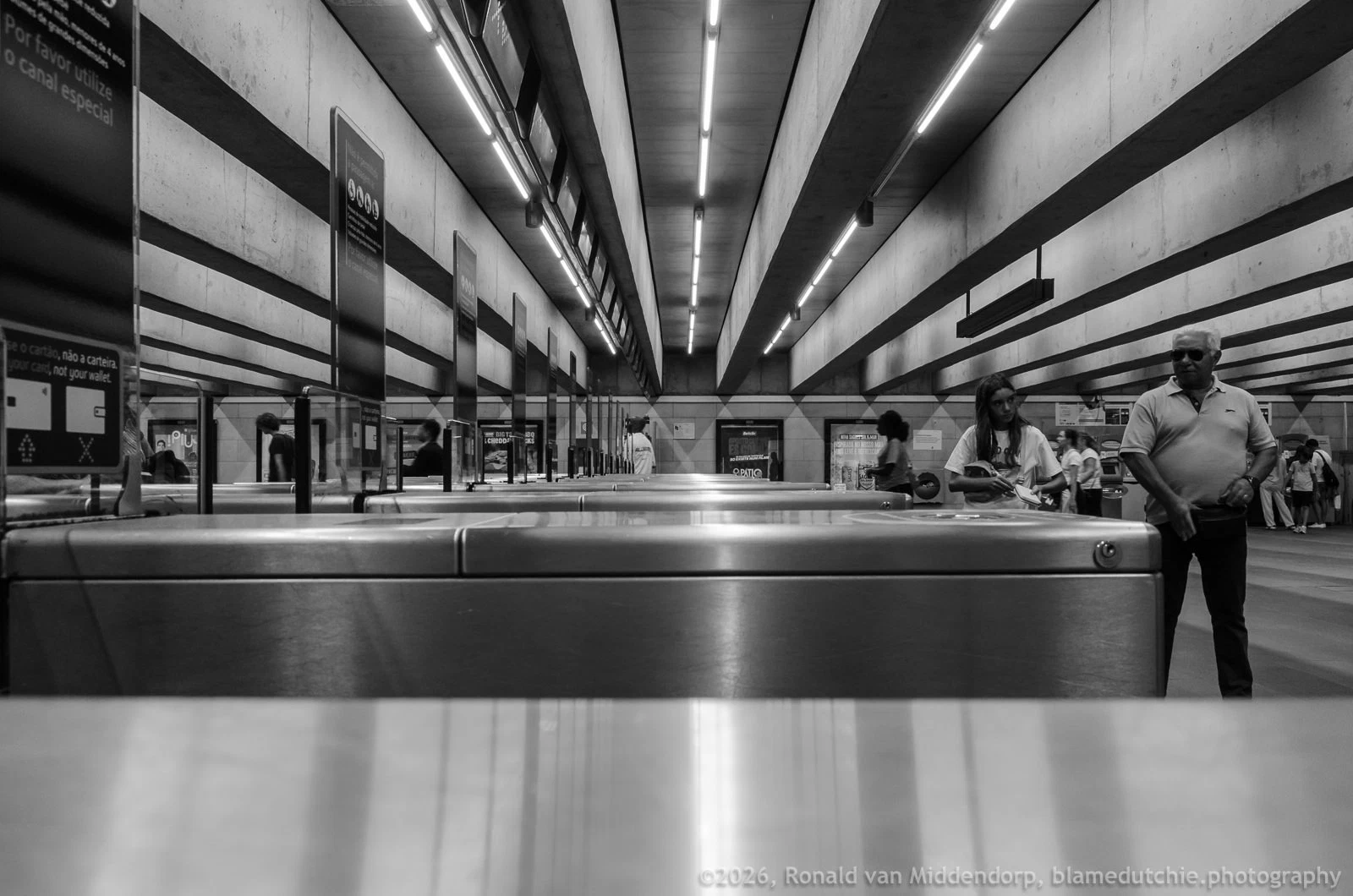
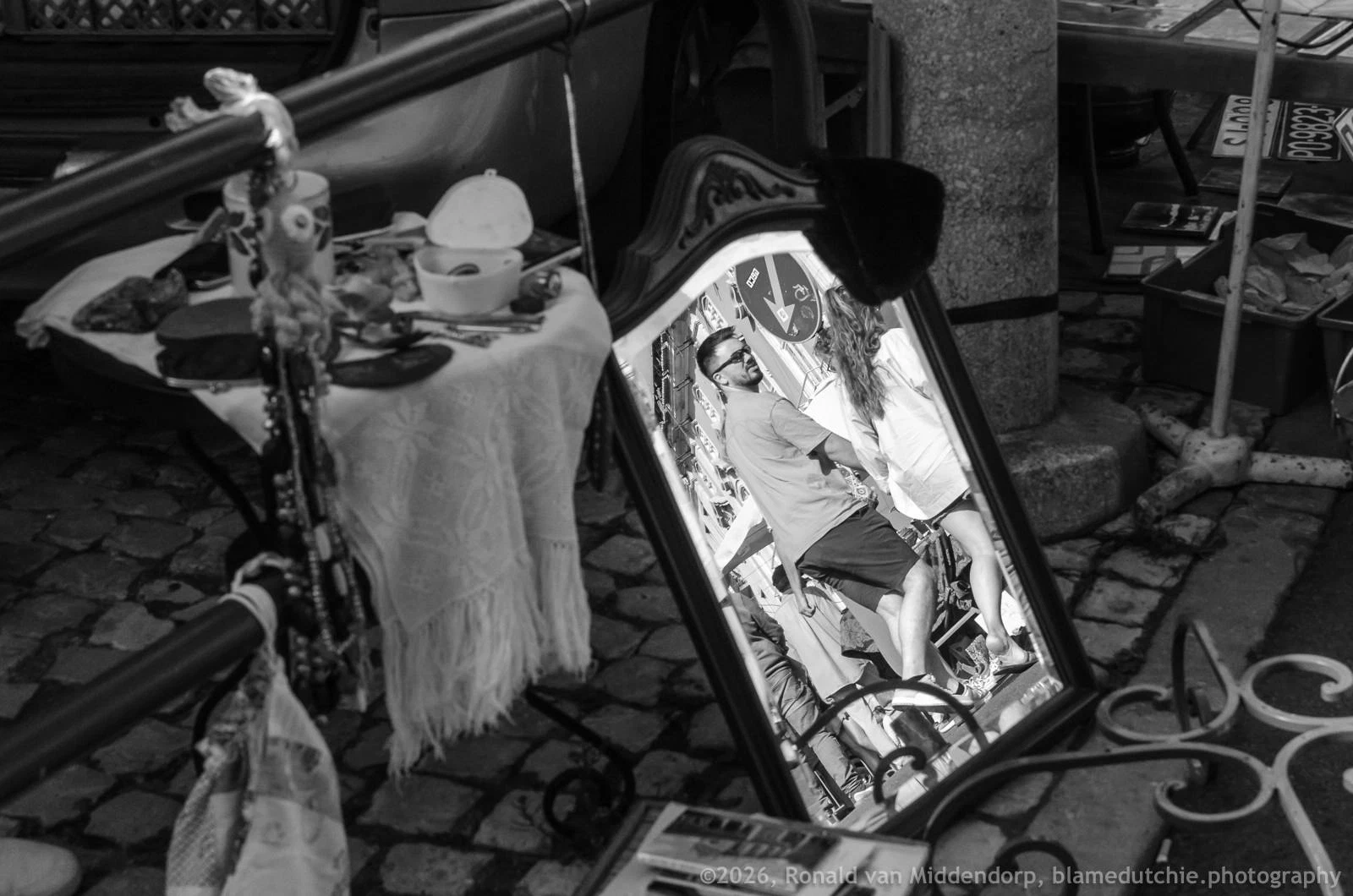
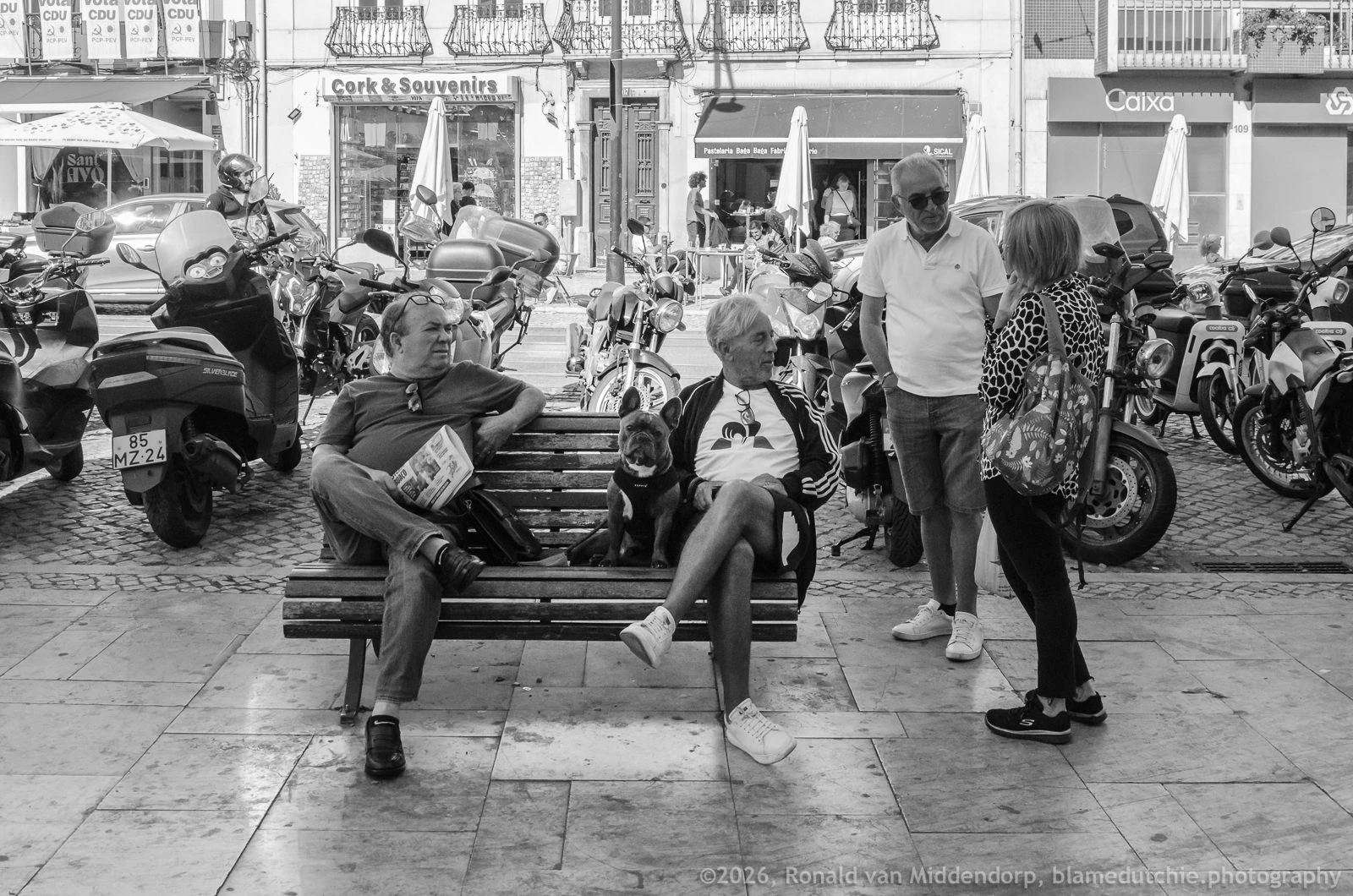
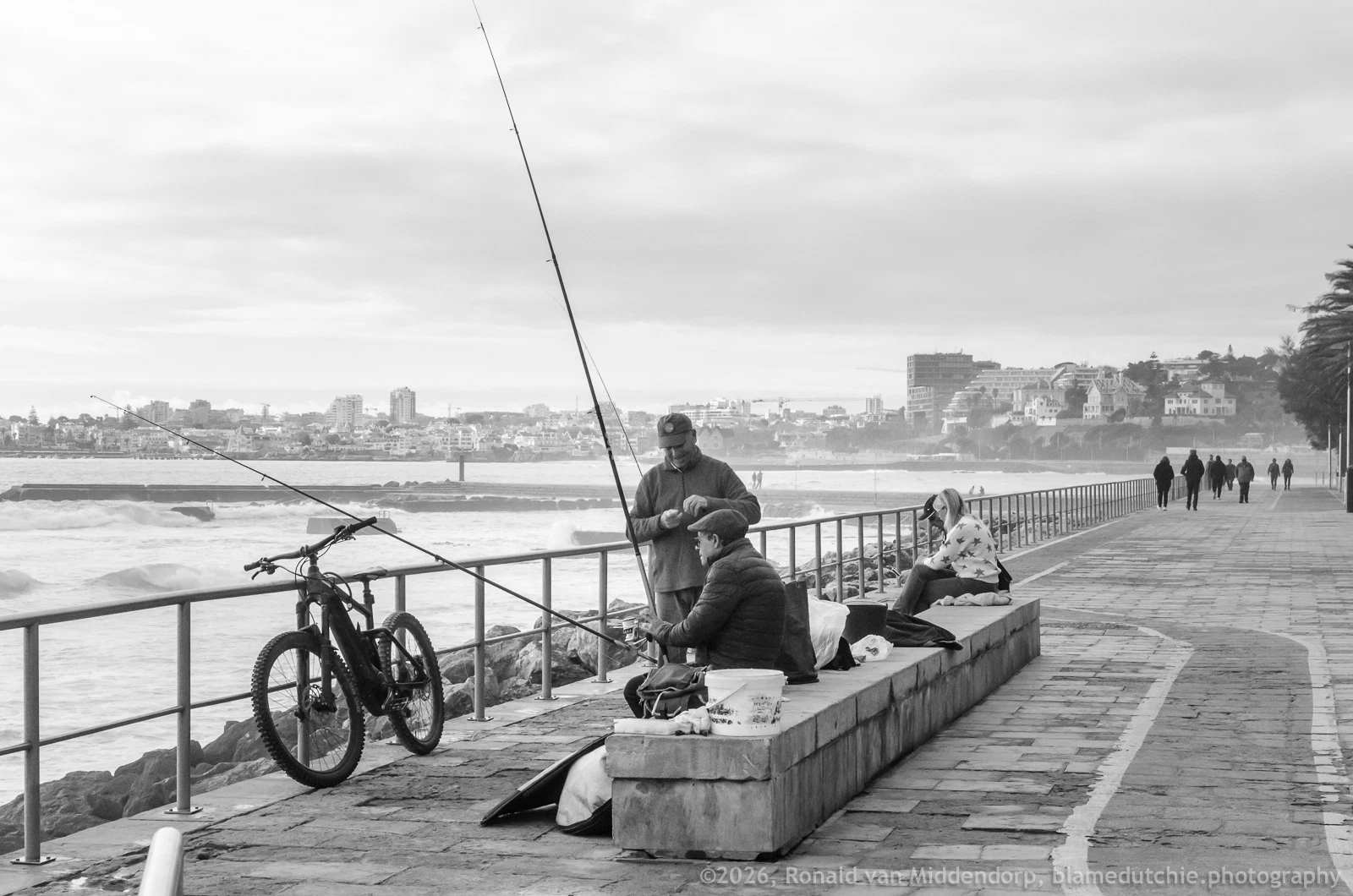
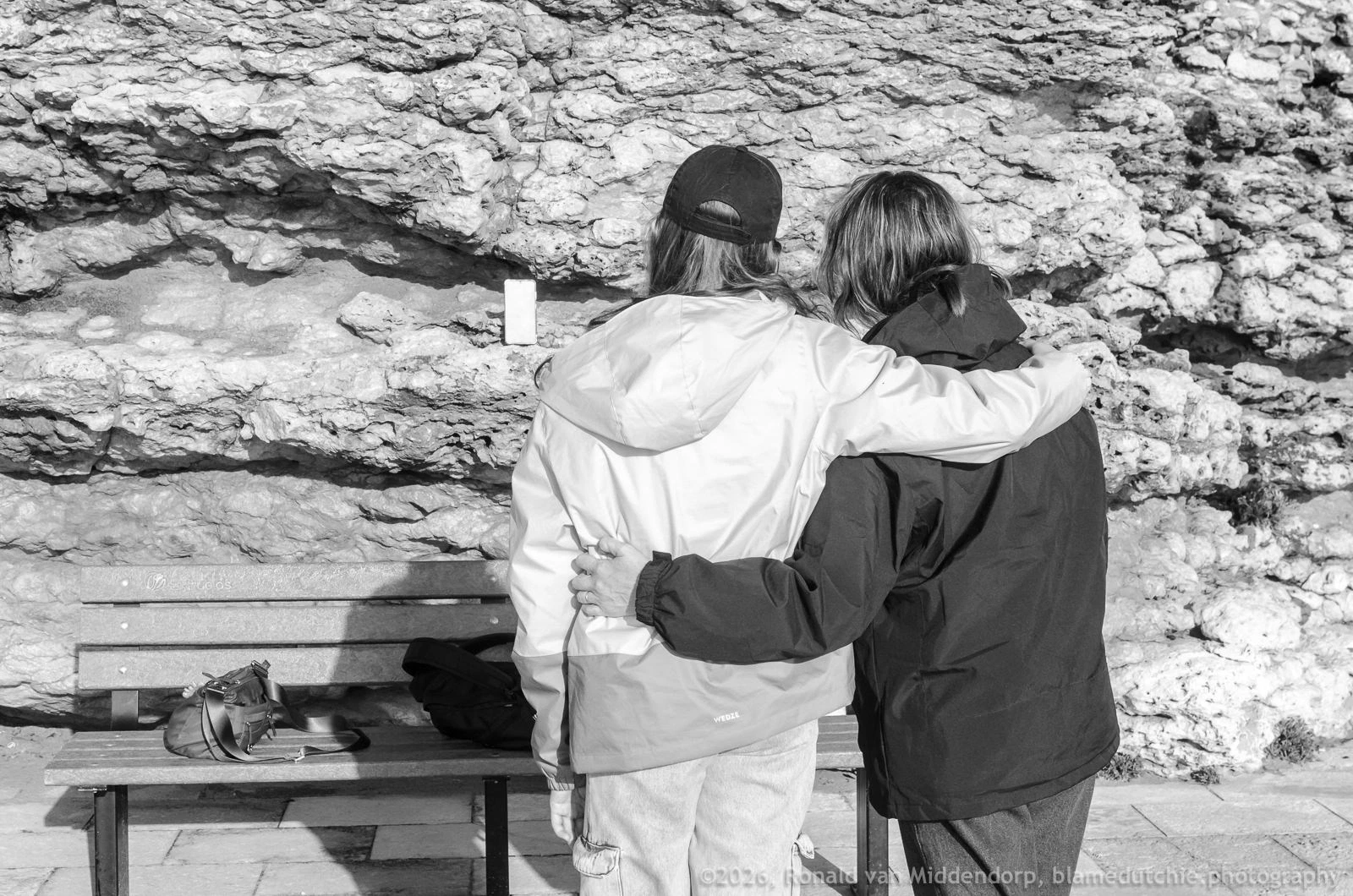
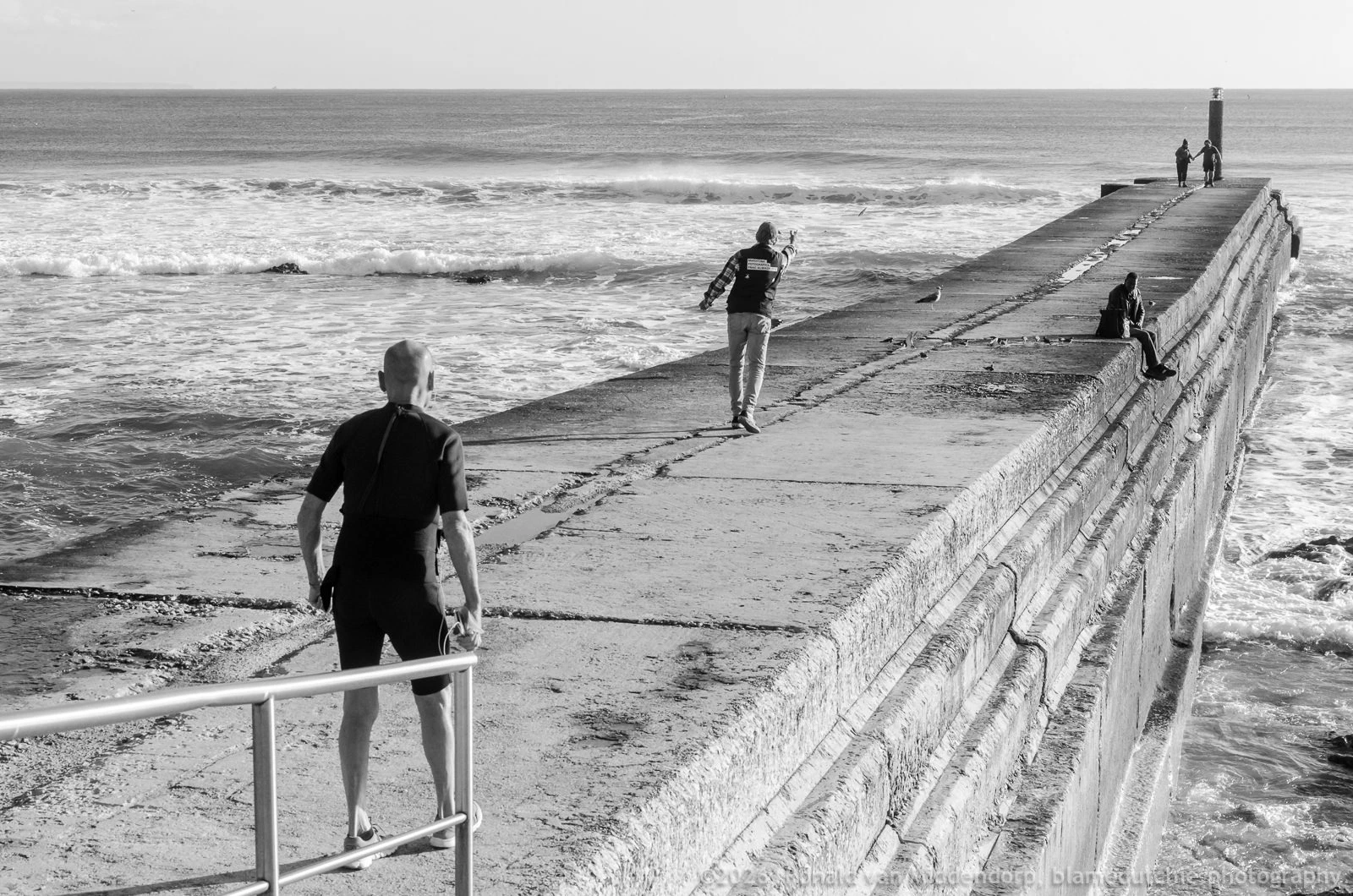
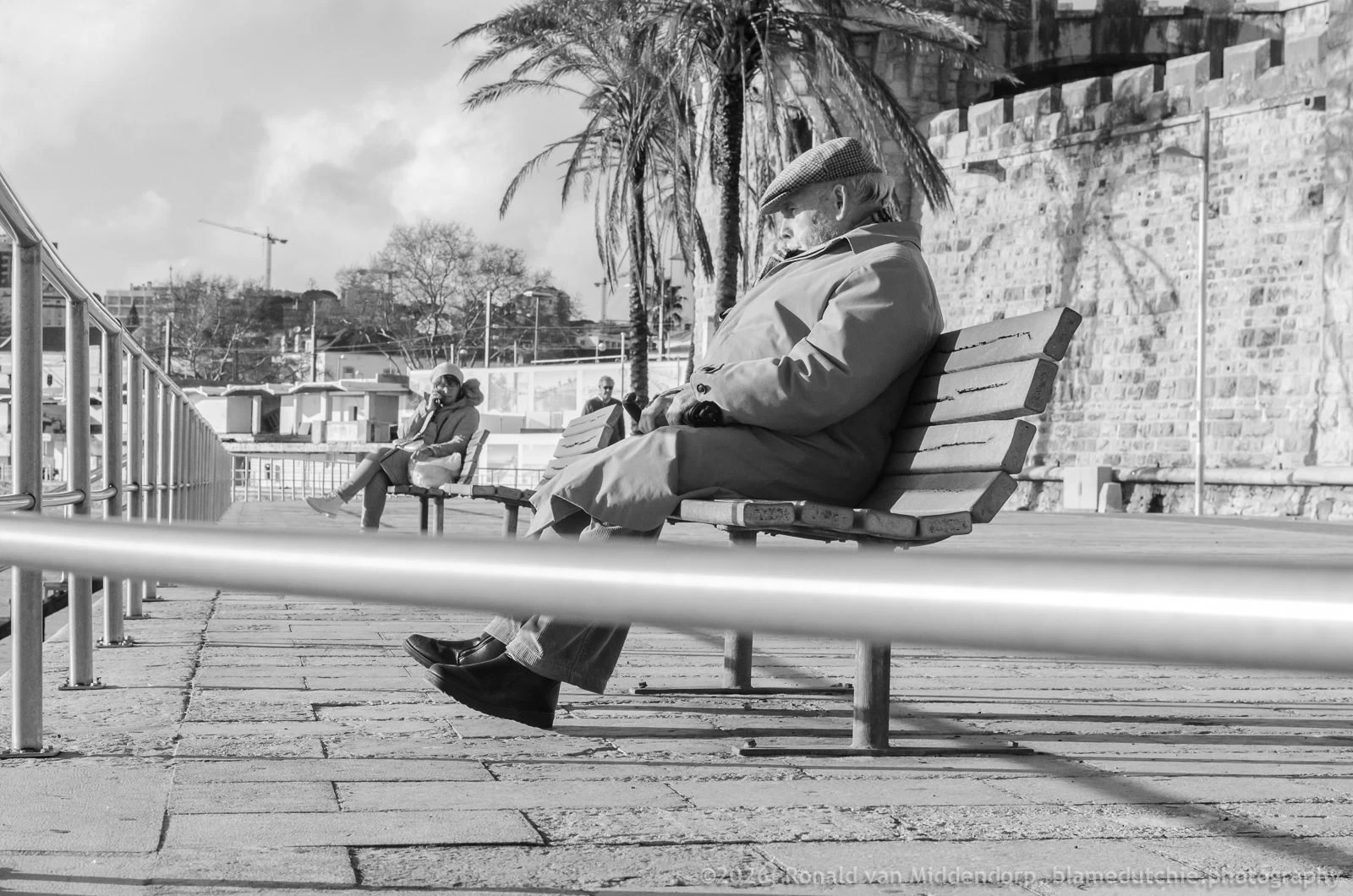
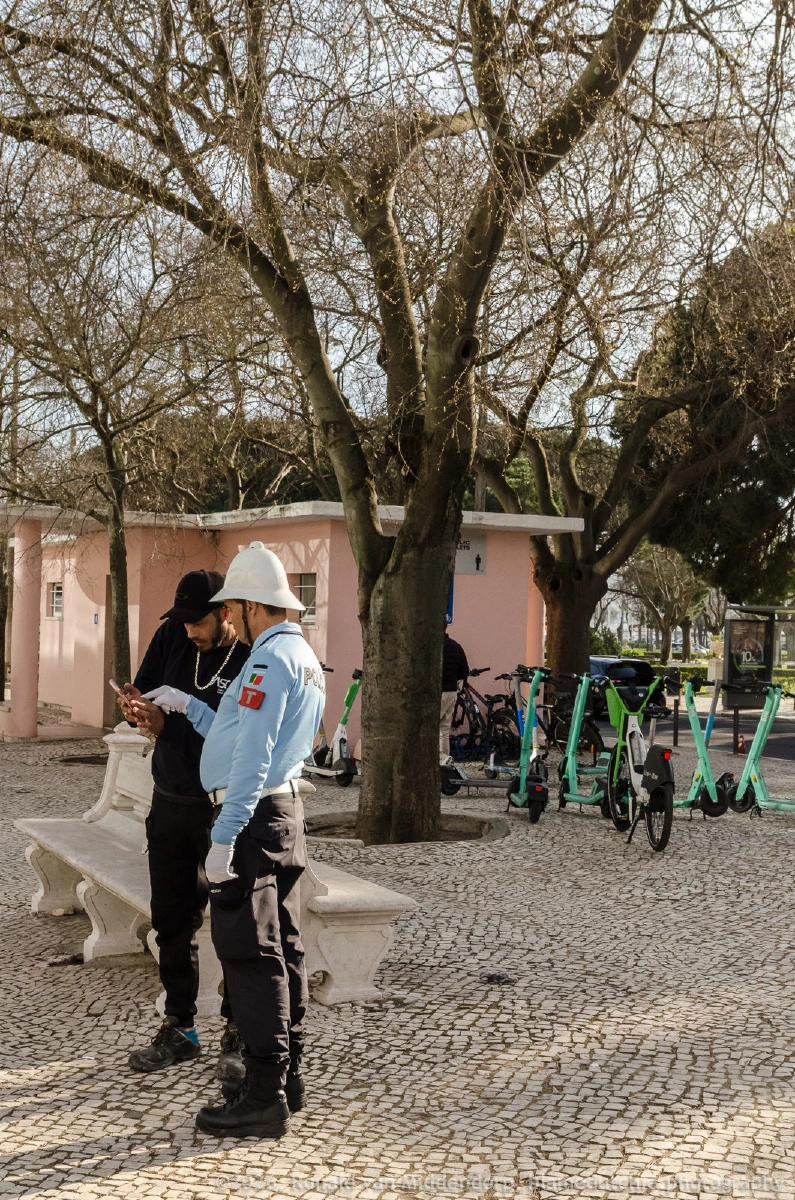
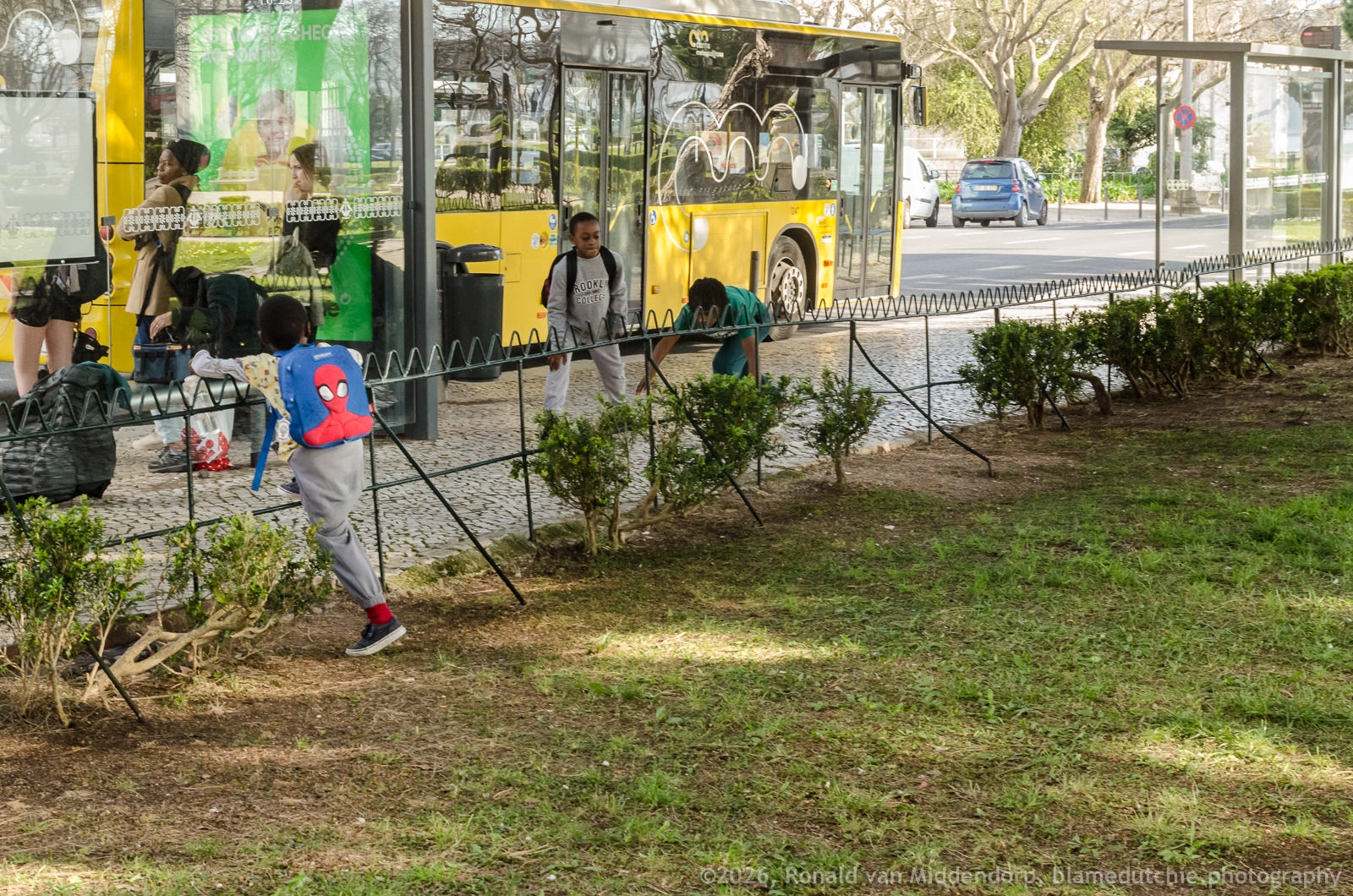
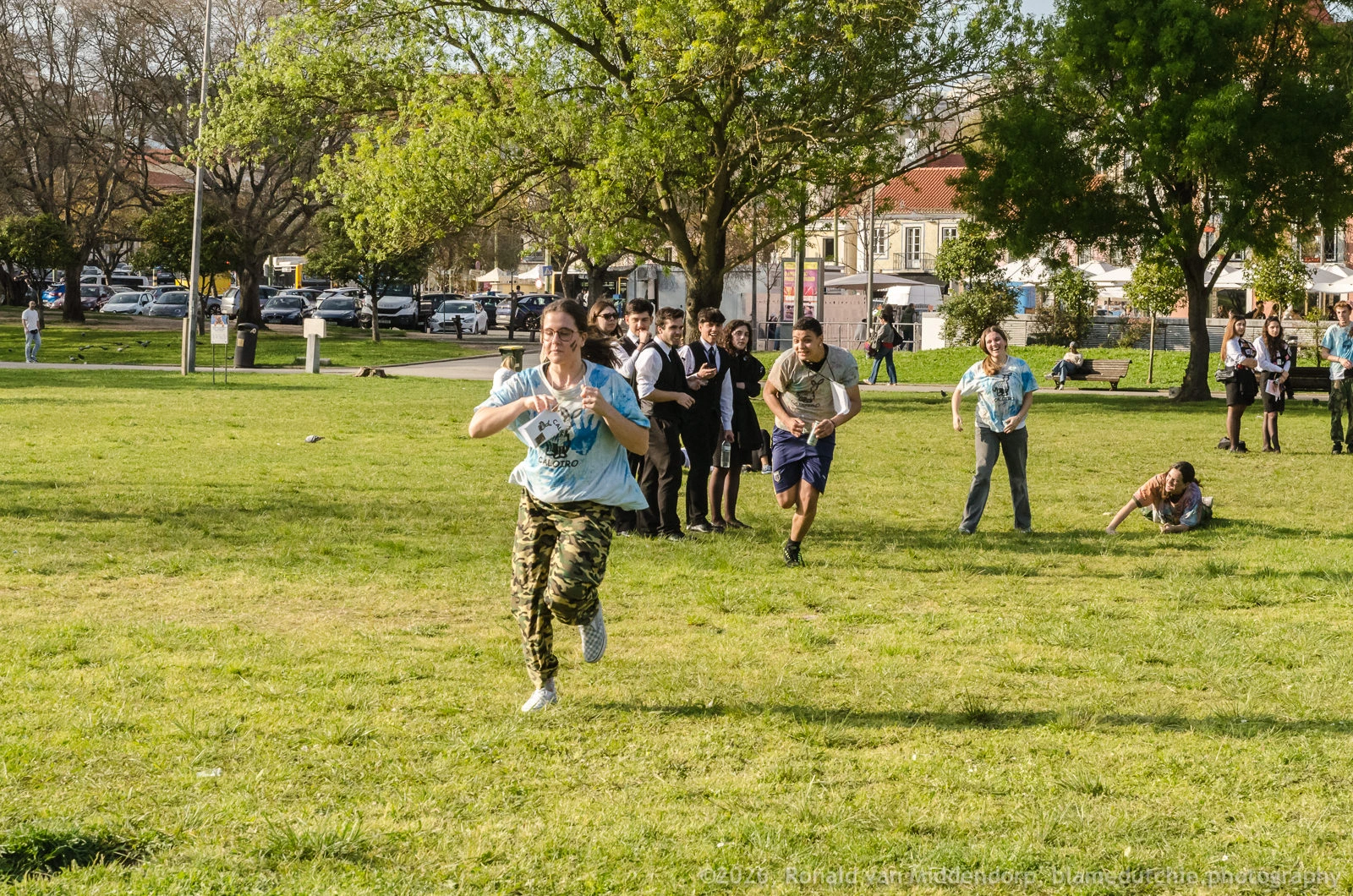
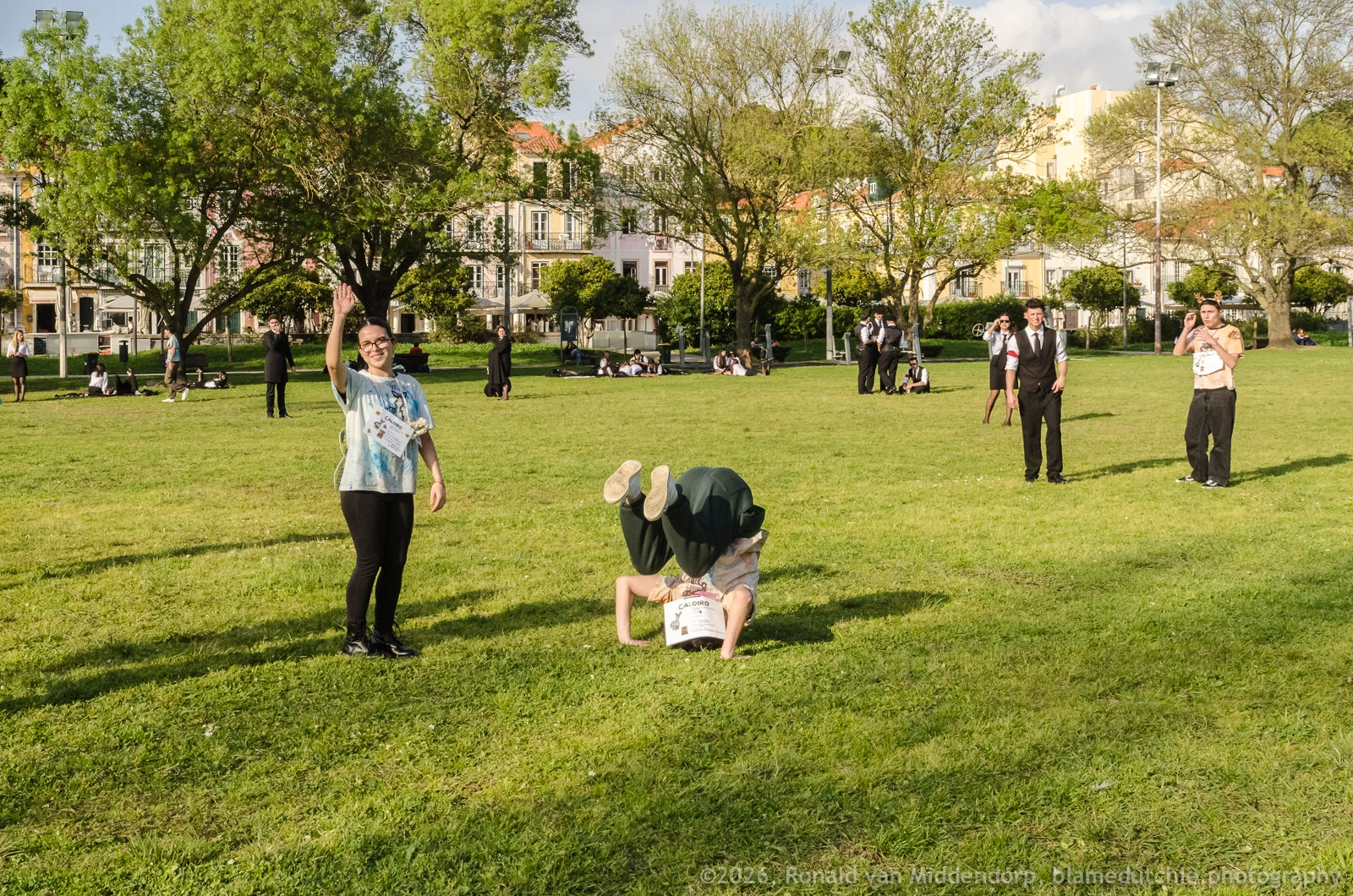
One can argue that, as time progresses, streetphotography becomes a sub-field of photojournalism. The term itself is of later days. Stating that streetphotography needs people in the picture is an opinion that someone came up with and some will embrase that opinion because it makes sense to them. For others, any image taken in the streets (or on the beach) is streetphotography.
To crop or not to crop
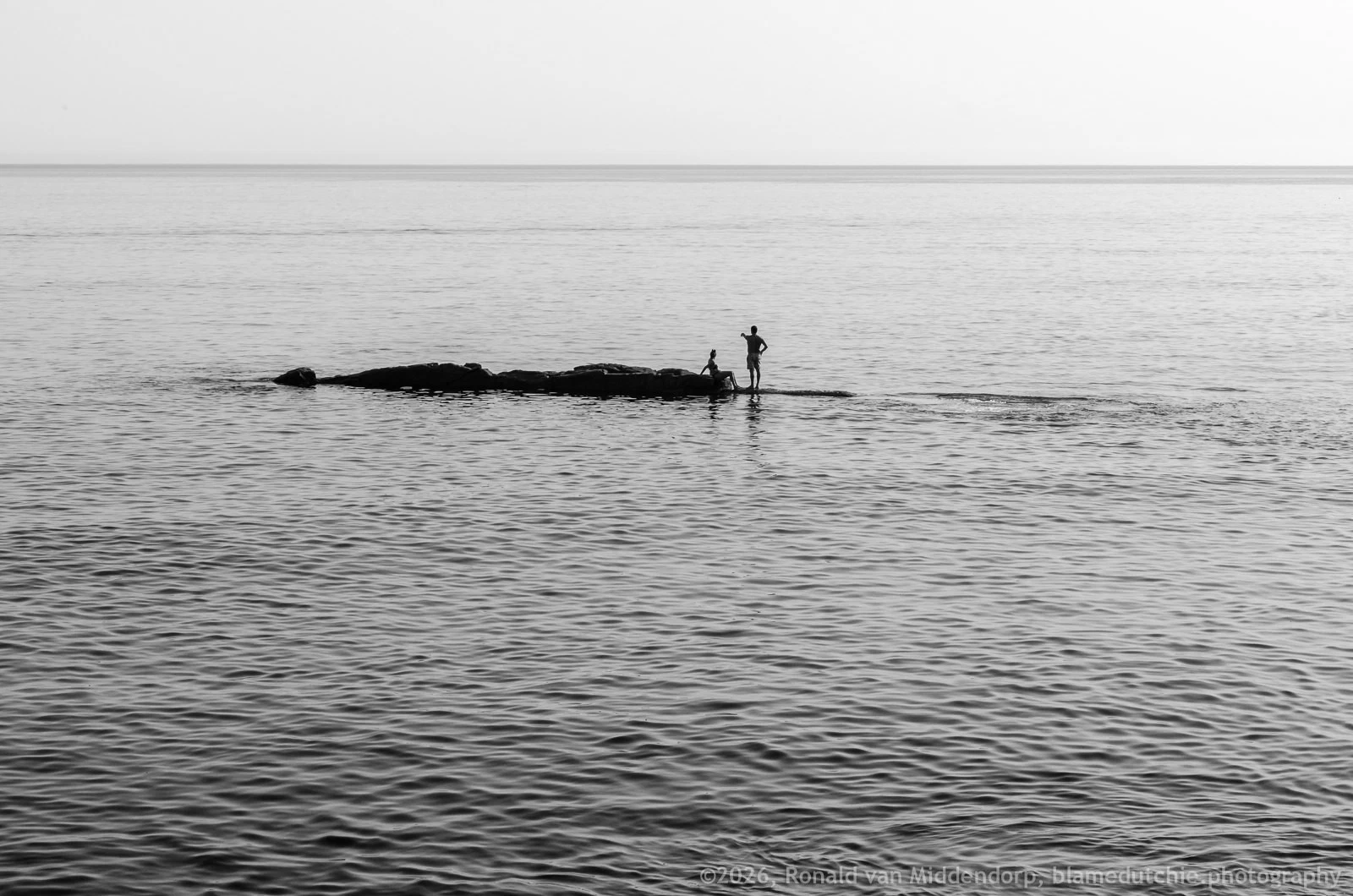
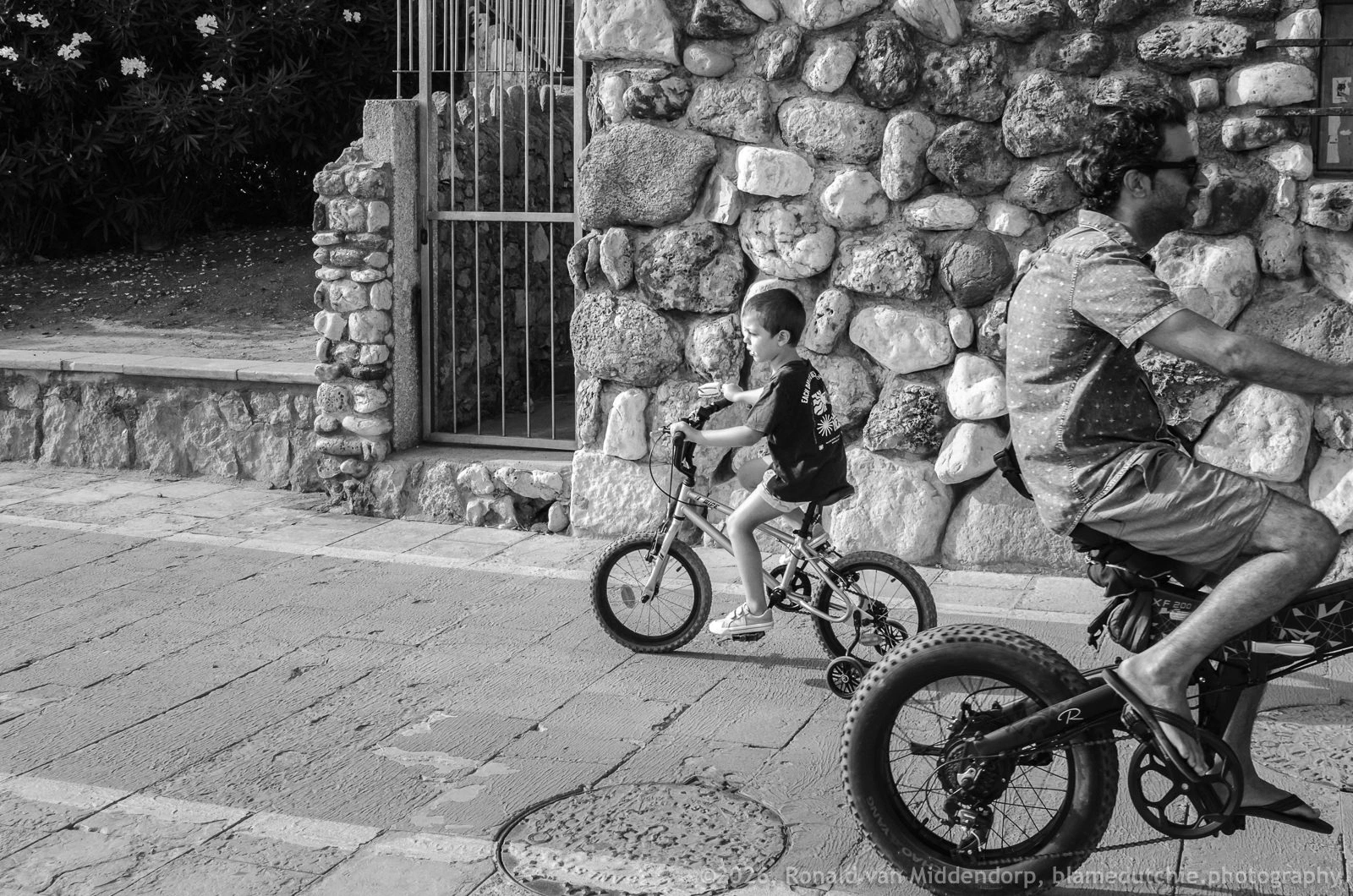
A few years I had a conversation with the photography editor of a major Dutch newspaper and he told me that at least at that newspaper they did not accept (obviously) cropped or overprocessed images. As a journalistic medium they wanted to be as sure as possible about any image they published. The rules for their photos were an integral part of their style-book.
William Klein embraced cropping as part of his “anything goes” approach, including grain, blur, awkward framing and painting over an image. “As soon as I have a negative, I can do anything I want,” was his mantra. Vivian Maier gave specific instructions to the labs she worked with directions about how to print and crop her negatives, which suggests cropping mattered to her as part of making the final image.
Cartier-Bresson was more rigid on the subject. He stated that cropping a good photograph damages “the geometrically correct interplay of proportions” and that it usually cannot rescue a poorly composed image. He also linked that view to his broader idea of “integrity of vision,” meaning the frame should be right at the moment of shooting, not fixed later.
Again, the dogmatics who say that one should not crop, usually base this opinion on the latter’s view.
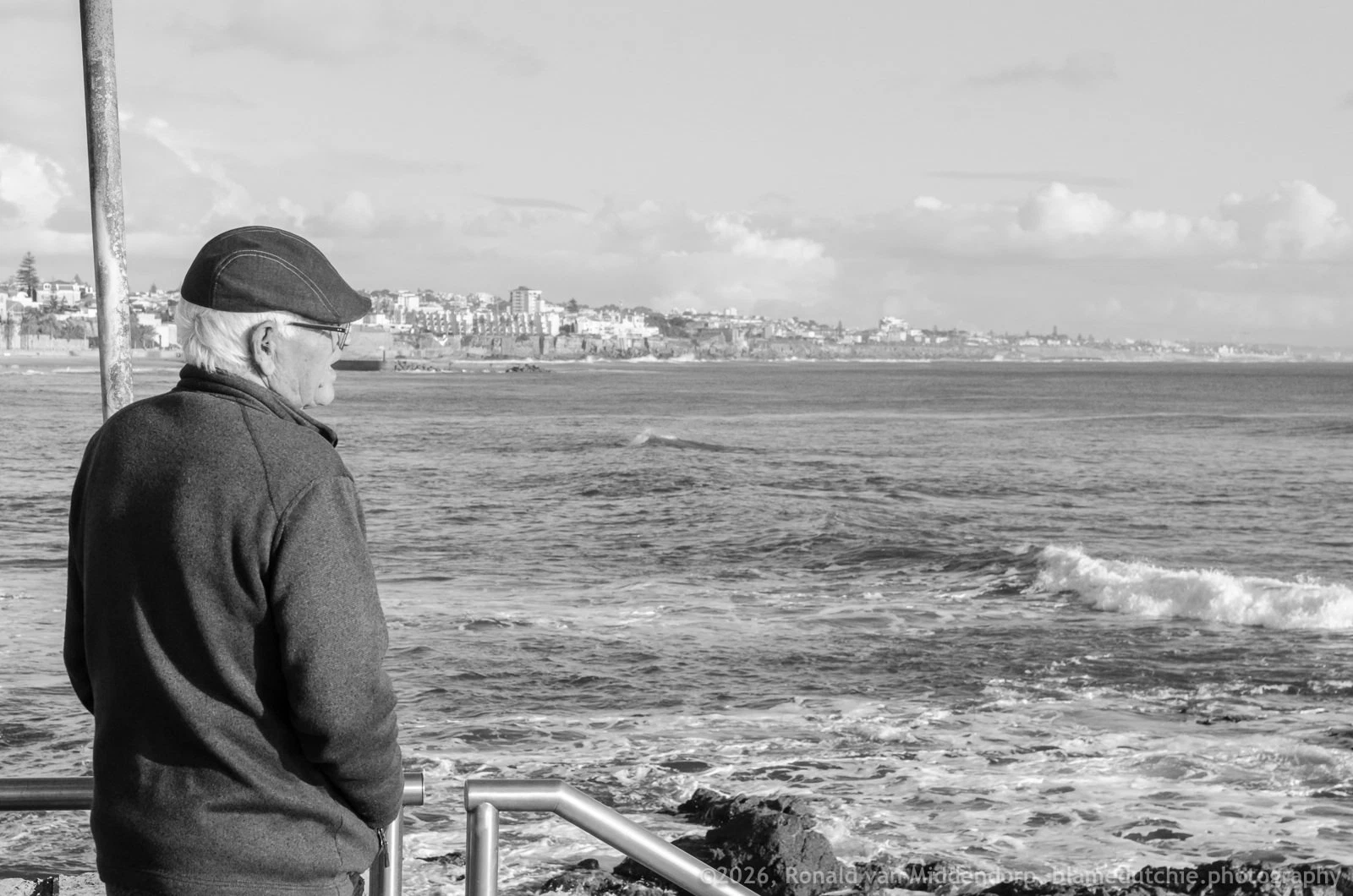
Without doubt, one can say that striving to become really good at framing your subject, helps to become a really good photographer. When we, instead of looking at, really start to see the scene, we will be more capable of getting it right the first time. Then again, I have cropped out an annoying microphone stand that ruined an otherwise great photo and one of Cartier-Bresson’s most famous images was definitely cropped.
Permission
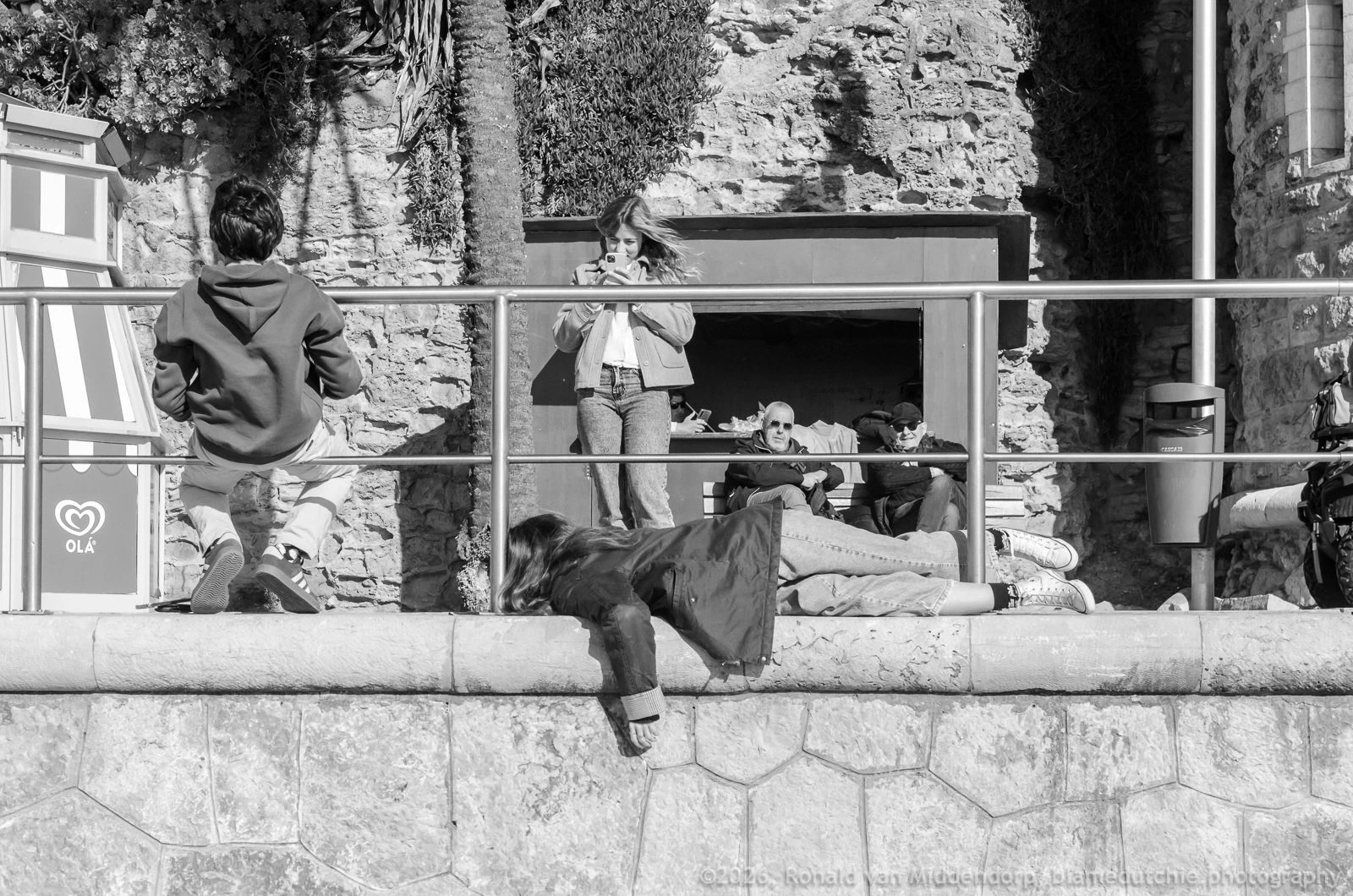
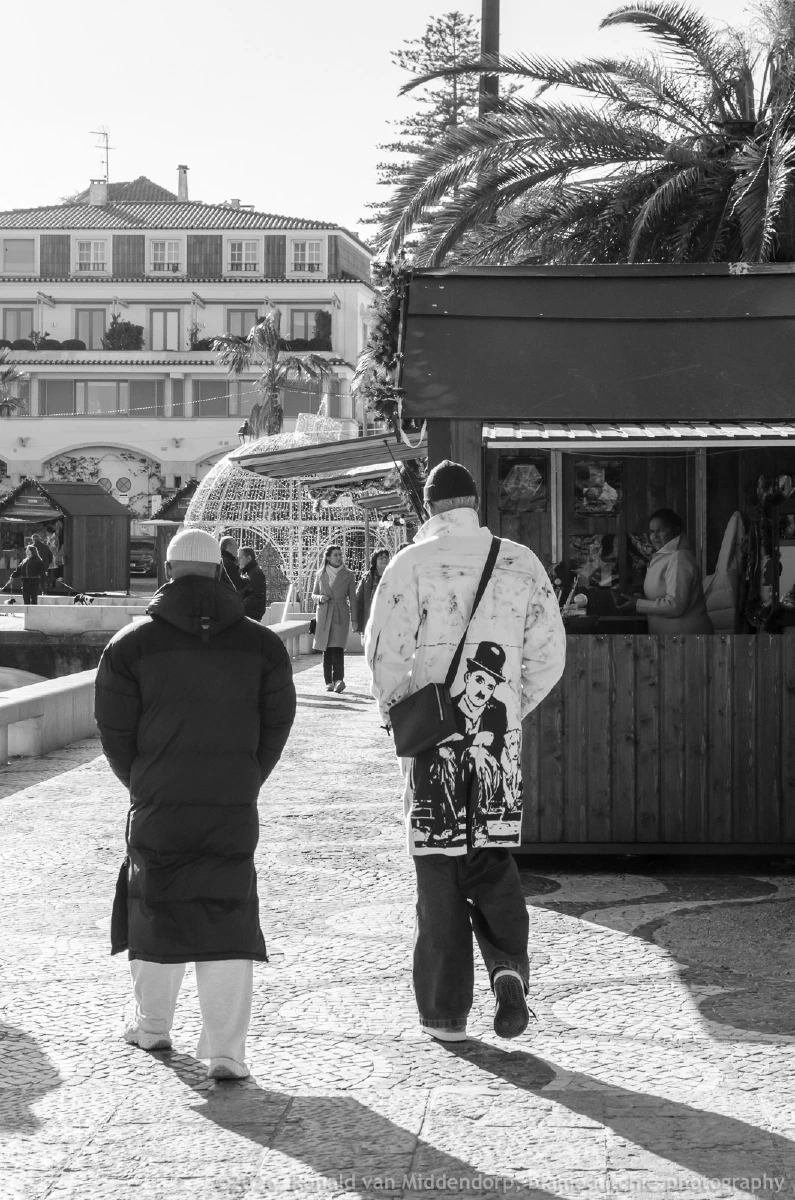
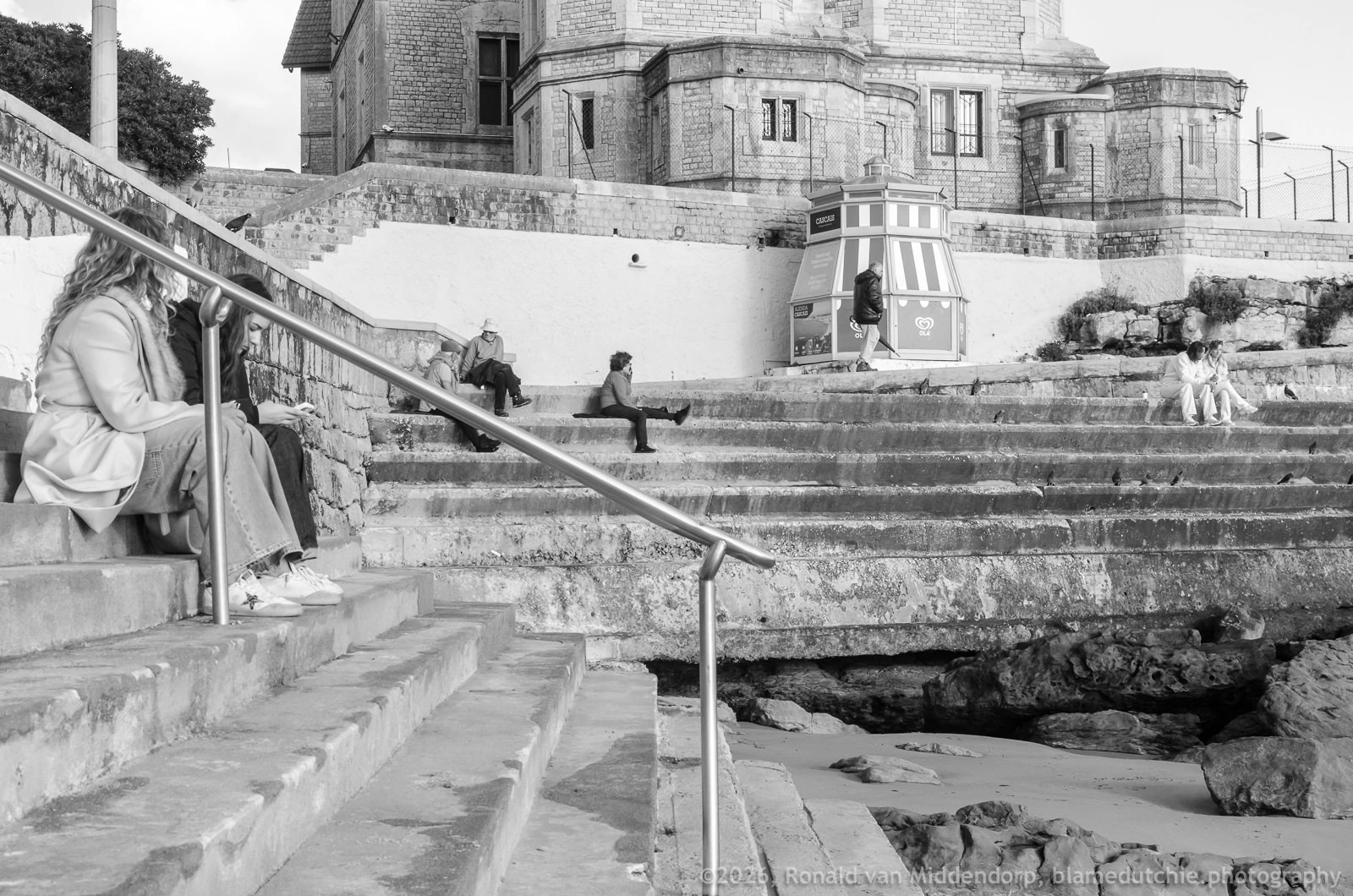
For me, the question of permission is a no-brainer. When I go out with the intention to indulge in streetphotography, I have my mind set to making candid shots (a la Sauvette, if you will) and asking permission for that would be a complete contradiction. Sometimes, the situation ask for or even demands it and then I ask. Obviously, this makes it almost impossible to create images that are loaded with spontaneity.
Of course, every once in a while someone objects to having their picture taken, and usually that results in a conversation that can be pleasant or not. Defusing a situation, taking the sting out, is also a skill we have to develop.
Naturally, when we want to engage in a mor in-depth foto report or even a long-term project, we have to get a lot closer to our subjects. In general, this means facing our fears for connecting and real interaction. Some would consider this the hardest part of any type of photography: how to get people to want you to take their picture.
Is the discussion important?
Whether discussions about the various dogmas are important, I am not so sure. Discussions have a tendency to turn into verbal battles where the yes camp strongly opposes the no camp, and in the end each will dig in their heels and nobody gets any the wiser.
Talking about ideas and techniques is definitely useful. Even if the conversation can become fiery at times - we talk about something that is important to us, after all - there is so much we can learn. About photography, the techniques, the reasons we are out there, the people, the buildings, the world we are part of. Everything is connected. The better we understand what we are trying to achieve and why, the better we will know what we need to accomplish it. It could be a different lens, a specific place, an assistant or a mentor.
We learn all that when we start to understand whose shoulders we stand on when we frame our shot.
“I wanna see three things. When I see the centre of interest, I start looking around for other things I can include to give strength to the centre of interest.”
To be at ease with the idea that not every photo has to be tack-sharp and in infinite focus. Understanding why John Free came up with his idea of only taking the shot when there are at least three things going on in the frame, can help us on our path to be a better photographer tomorrow than we are today. Both technically and ethically.
In the end, the best way to really learn to take good - and hopefully even fantastic - pictures, is to go out and shoot. Often.
And, through that, maybe even become a better person.
Links:
- Henri Cartier-Bresson profile at Magnum
- Berenice Abbott at Art in Context
- Raghubir Singh at Britannica
- Daido Moriyama at The Independent Photographer
- Saul Leiter at The Independent Photographer
- Garry Winogrand at Brittanica
- Vivian Maier at Smithsonian Magazine
- Robert Blomfield
- William Klein at The Independent Photographer
- John Free’s Youtube Channel
What are your thoughts on this post?
If you liked this post, feel free to use one of the sharing options below. It always makes me smile when I see someone enjoyed it.