Marchas Populares - Origins
As so very often, when studying the history of certain events and traditions, we find sources of information telling different stories. Sometimes these stories corroborate each other, often they contradict. Especially when traditions - appear to - have a political component or background, we have to be careful to separate facts from opinions. It is not unusual to find that further reading on a specific subject leads to a discussion that shows some facts are actually factoids, coloured by the glasses through which the author looked at the events.
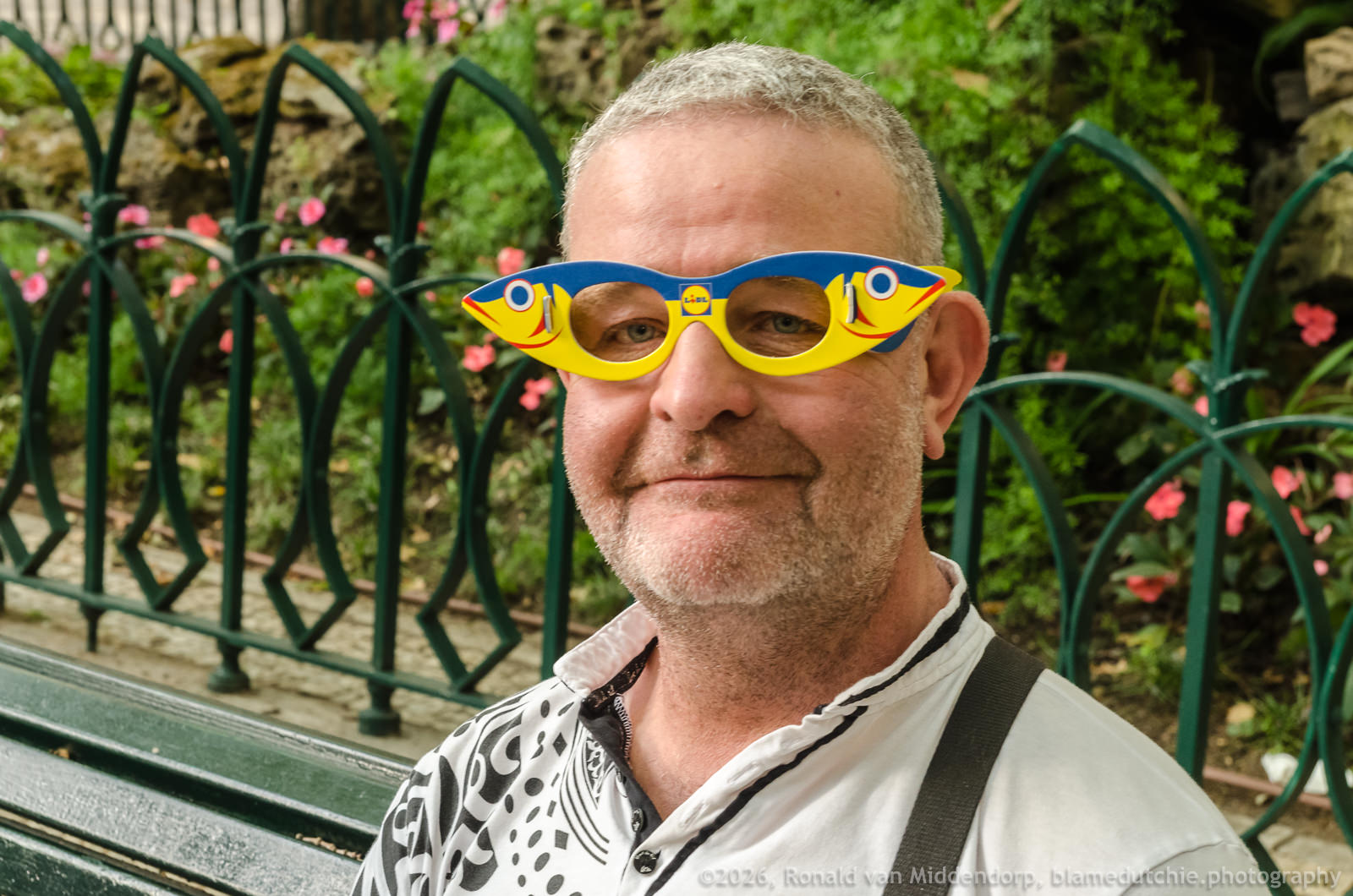
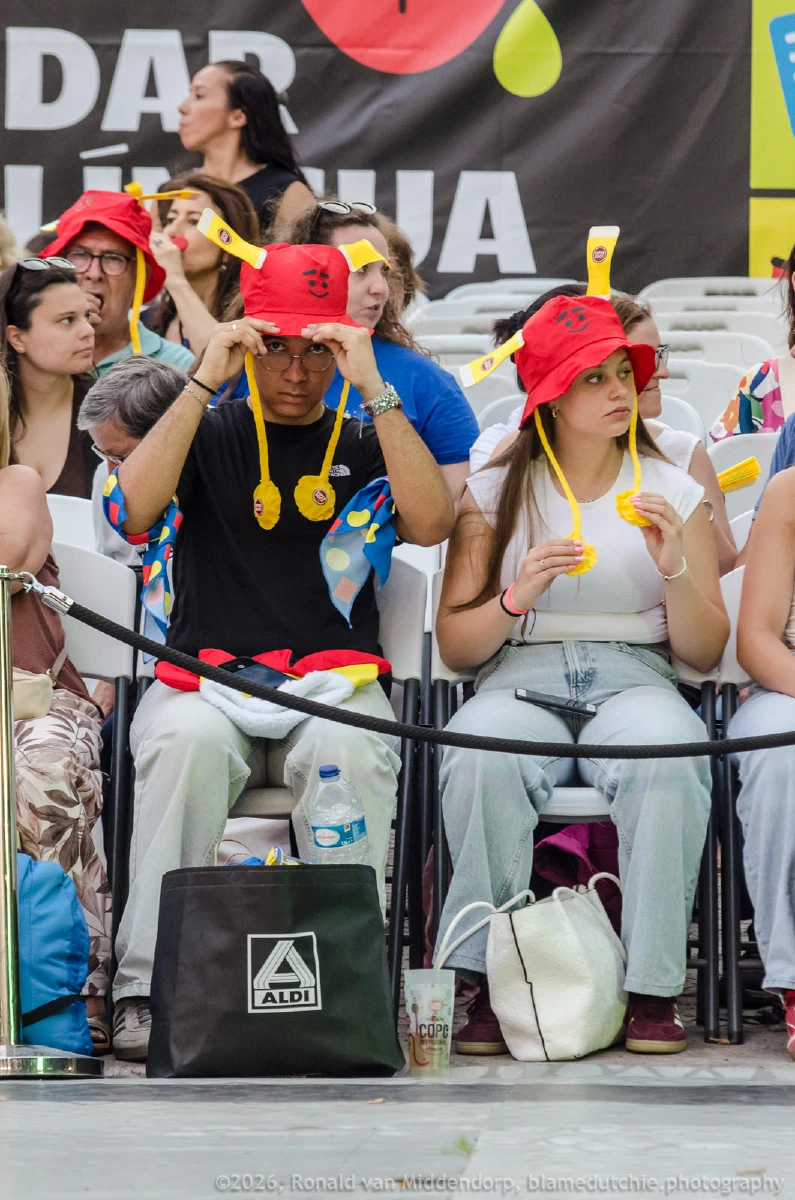
Hangover with cardboard spectacles.
Add to that, the fact that most documents are written in a language that is not my own, Portuguese, and quite a lot of history from the years before or around the revolution that ended the dictatorship is - still - shrouded in mist. Not all facts are known by everybody, yet everybody thinks they know the whole story. History is an animal with many skins.
However, some form of consensus exists about the origins of the Marchas Populares de Lisboa in their current competitive form. Strictly factual, the first competitive marches were organised in 1932 under the guidance of José Leitão de Barros, the then commercial director (or editor-in-chief) of Notícias Ilustrado. Several authors state the marches go back to at least the 18th century. The only reference I have found to support that is by Orlando Raimundo, connecting the marches to the celebrations of Santo António in specific neighbourhoods.
Facts mixed with opinion tell a story of political manipulation - or at the very least adaptation - by the Estado Novo regime. António Ferro, responsible for the cultural policy of the Estado Novo regime, tasked Leitão de Barros with organising a neighbourhood marching band competition on the night of Saint Anthony’s Day. Artut Campos Figueira de Gouveia, administrator of Parque Mayer, joined the initiative. The idea was to appease the people by creating a new form of urban folklore: a circus, in the absence of bread.
Although six groups responded to the call, only Alto do Pina, Bairro Alto, and Campo de Ourique competed in the marches, because they were the only three that managed to gather enough marchers to attend. The festival was a huge success. So much so, that in 1935 the Lisbon mayor would officially recognize the Popular Marches initiative, associating them with the city’s festivities, which took place at Terreiro do Paço (currently called Praça do Comercio - nudge, nudge, say no more).
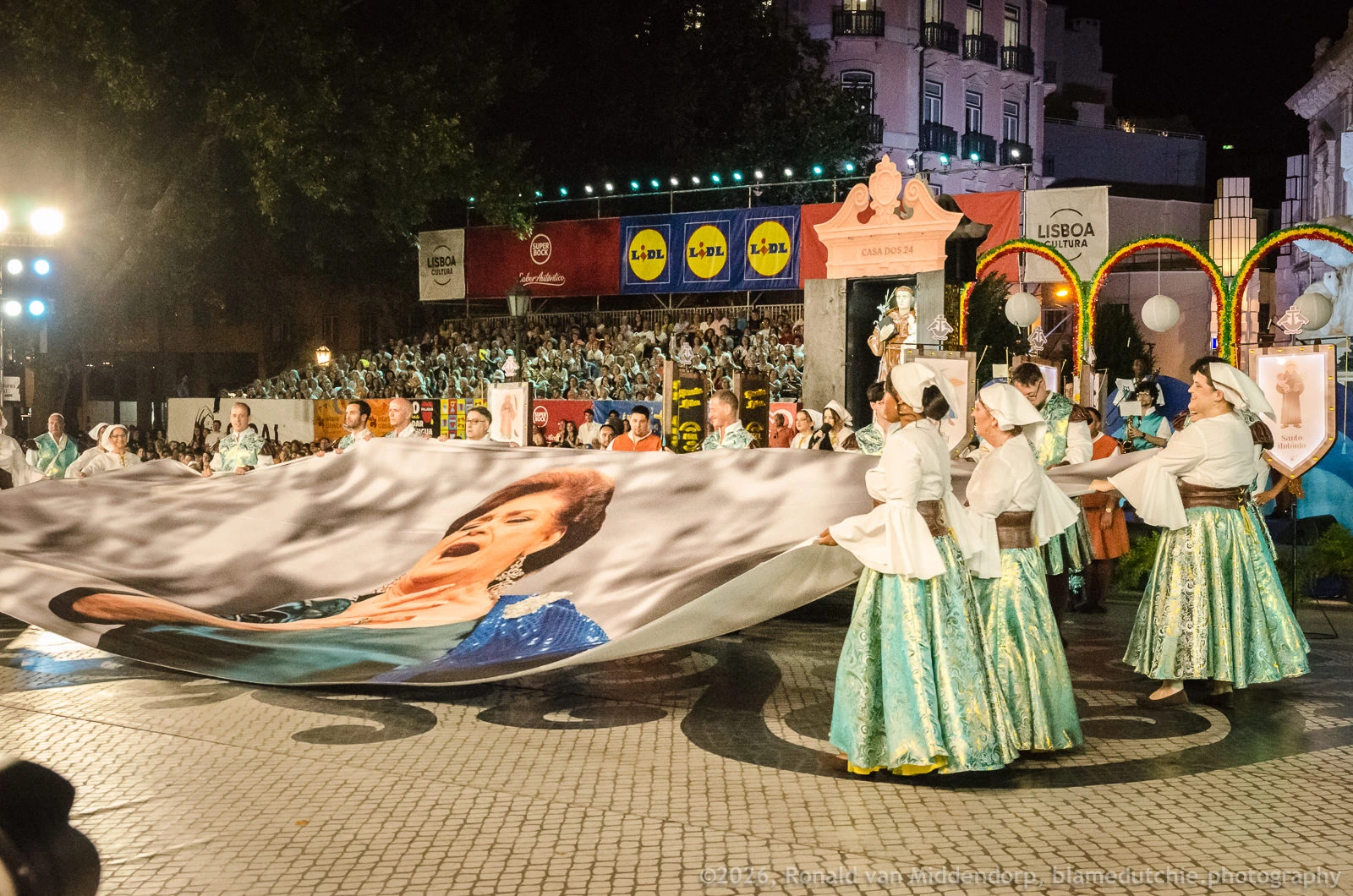
Journalist and writer Norberto de Araújo is the author of the lyrics for most of the twelve competing neighbourhoods’ songs, highlighting the picturesque, simple, and poor daily life of the people of Lisbon. We are “poor but honourable” (and happy!), the maxim promoted by the dictatorship. Also in this year, Amália Rodrigues, then a fifteen year old amateur fado singer and street vendor of fruit and souvenirs on the Rocha docks, enters the scene, representing Alcântara, where she lived, performing the “Fado de Alcântara” (Alcântara, vem cantar…):
Alcântara vê o Tejo aos pés
Que vem ao mar
E anda a bailar no vai e vem das marés
Cantar e rir
Não há melhor p’ra mim
E notem bem
Feliz de quem sabe viver assim
Following this historic interpretation, the tradition of the competitive Marchas Populares does not date back to ancient times; it was invented, promoted, and institutionalised in 1932 by António Ferro, later adopted by the Lisbon City Council, and, over the years, warmly embraced by the Portuguese people as well as vigorously commercialised.
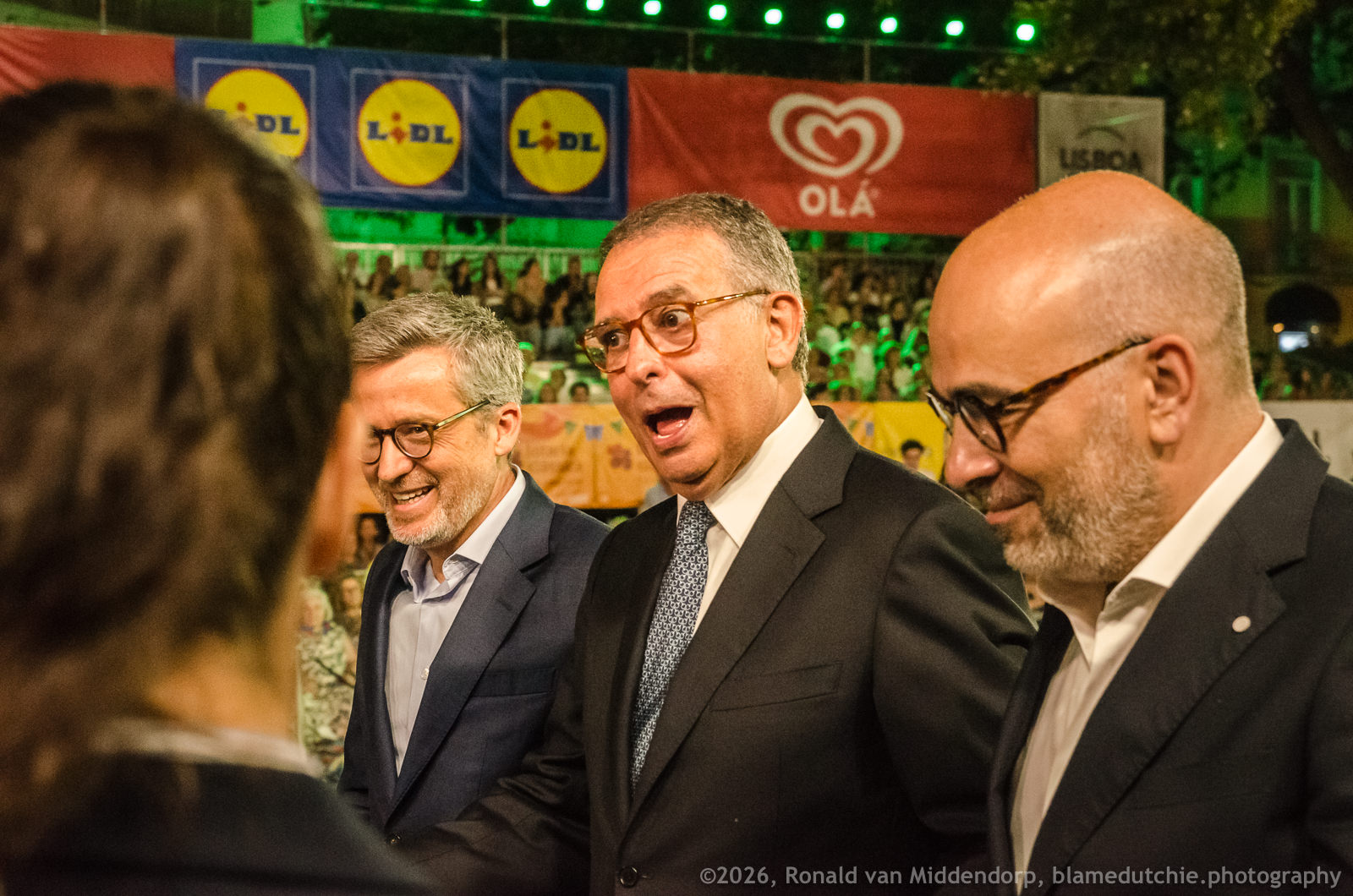
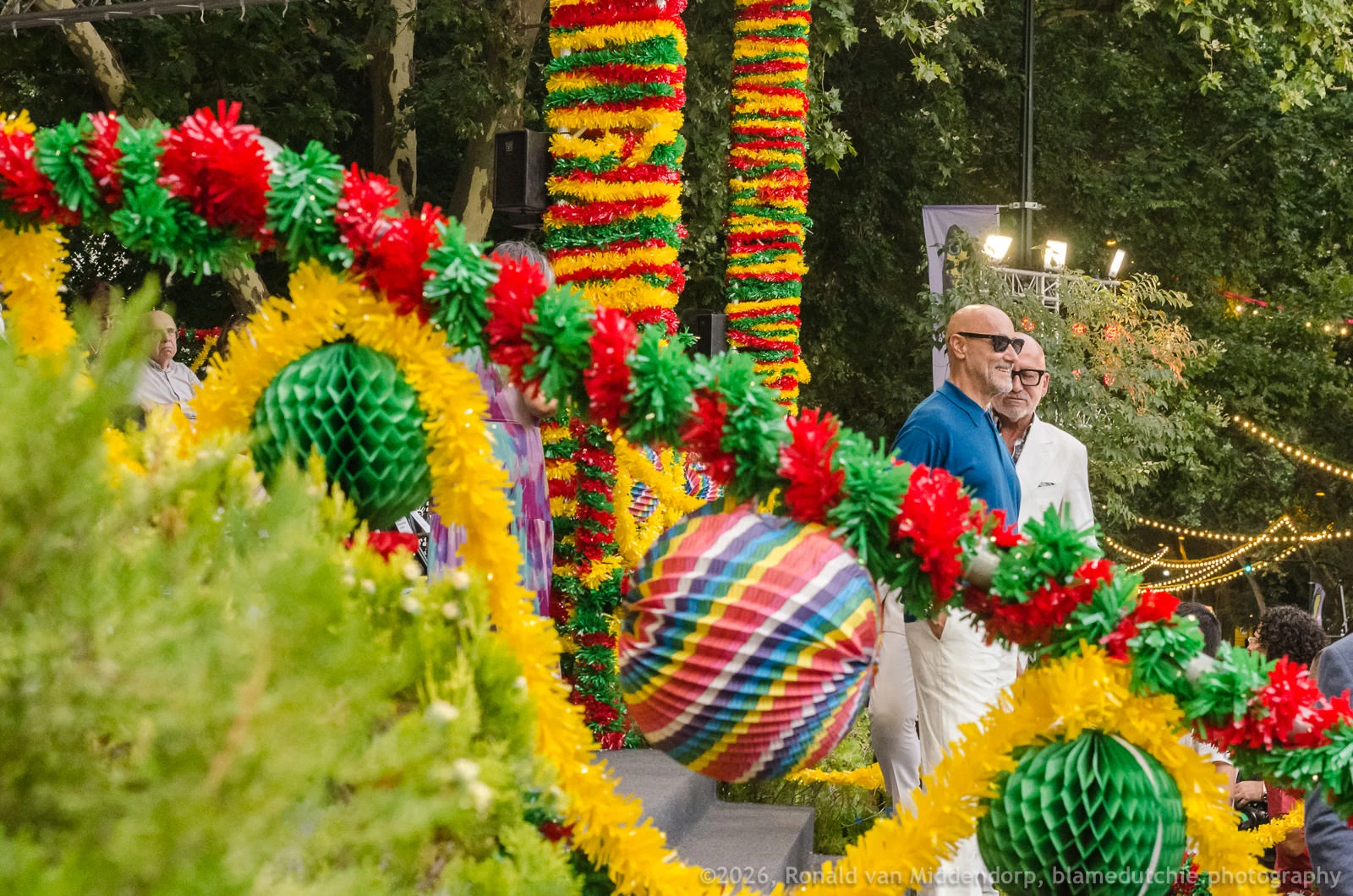
Presidente da República and Presidente da Câmara meeting the press
As Orlando Raimundo explains in “António Ferro – The Inventor of Salazarism”:
“The ritual that the people of Lisbon practiced, associated with the cult of Santo António, since the reign of the mad queen D. Maria I, with the approval of the Church (which relinquished Saint Vincent as the patron saint of Lisbon), was the round of the fountains. At the end of the night of the street parties and the blindfolded parades, at dawn on June 13th, the residents of Lisbon’s poor neighbourhoods would go to the fountains, two by two and in single file, to wash their faces, imitating the Parisian “14 Juillet,” evocative of the Storming of the Bastille.”
Getting ready
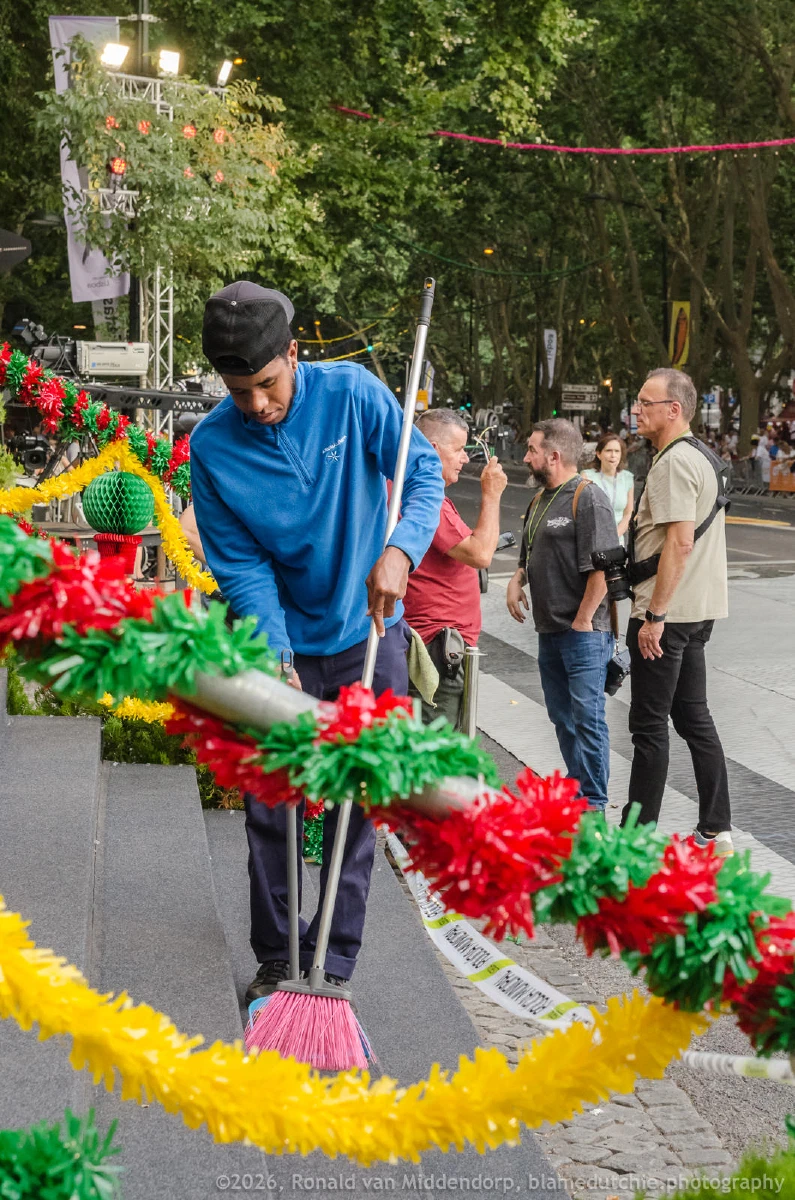
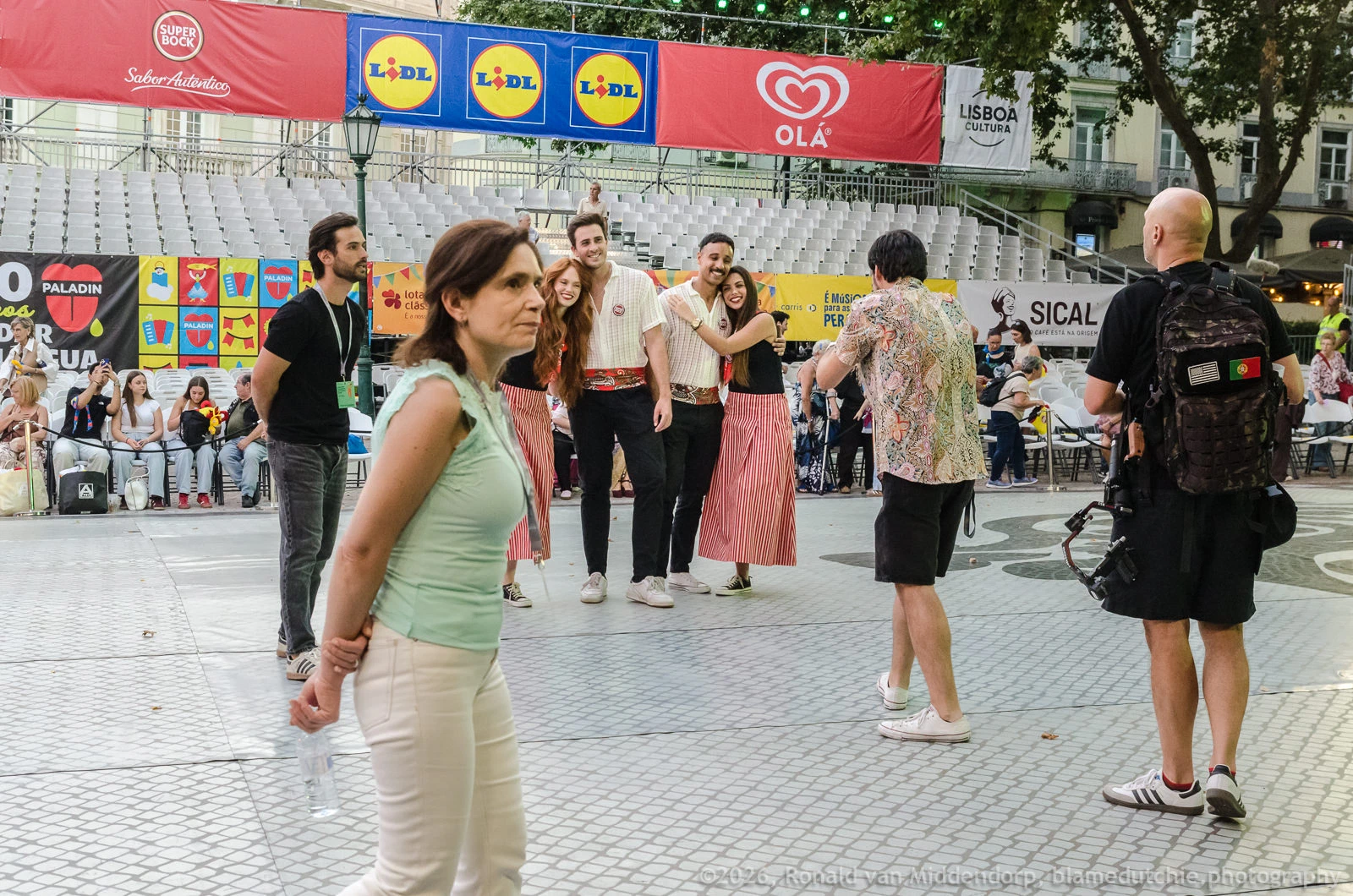
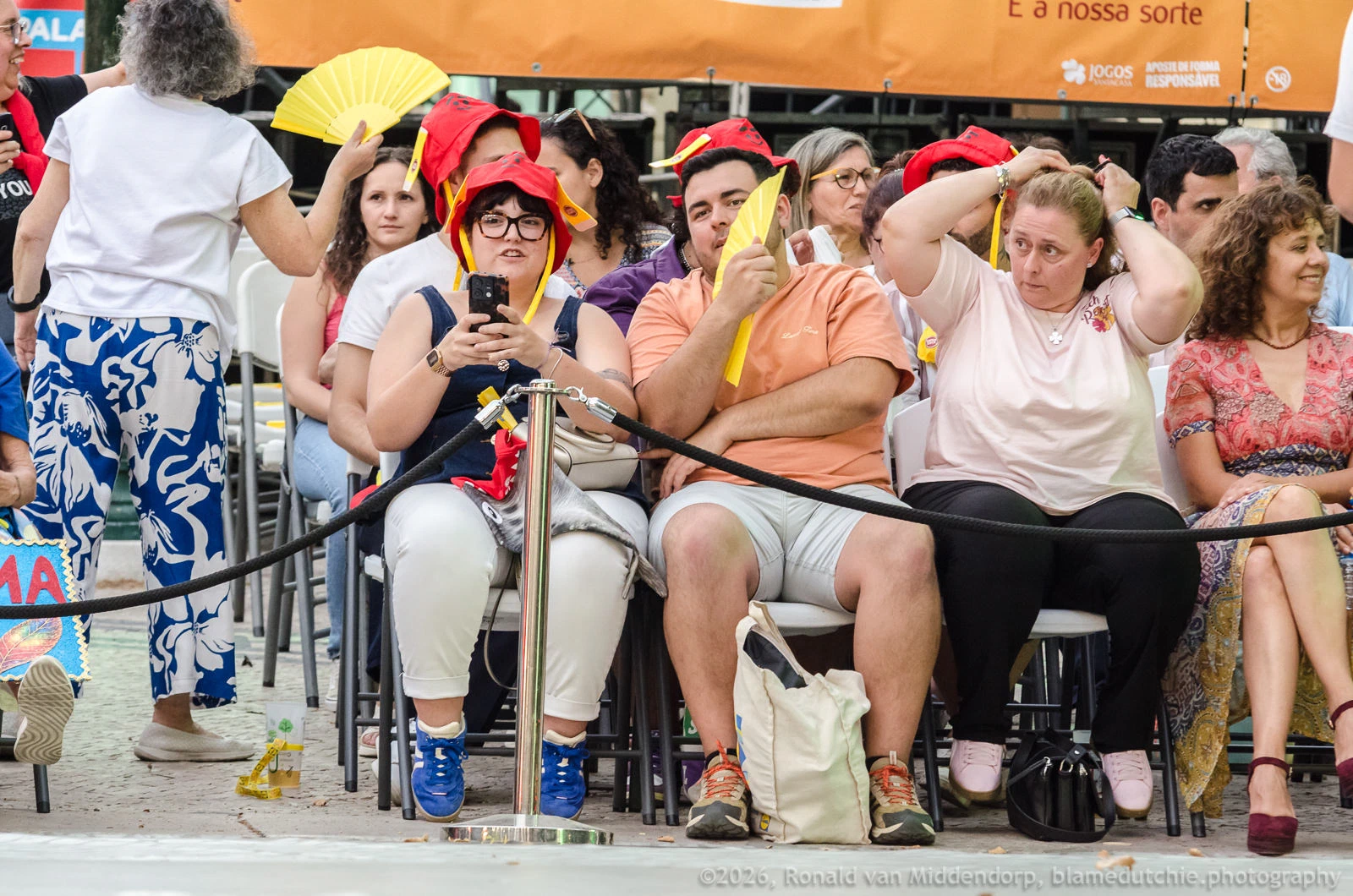
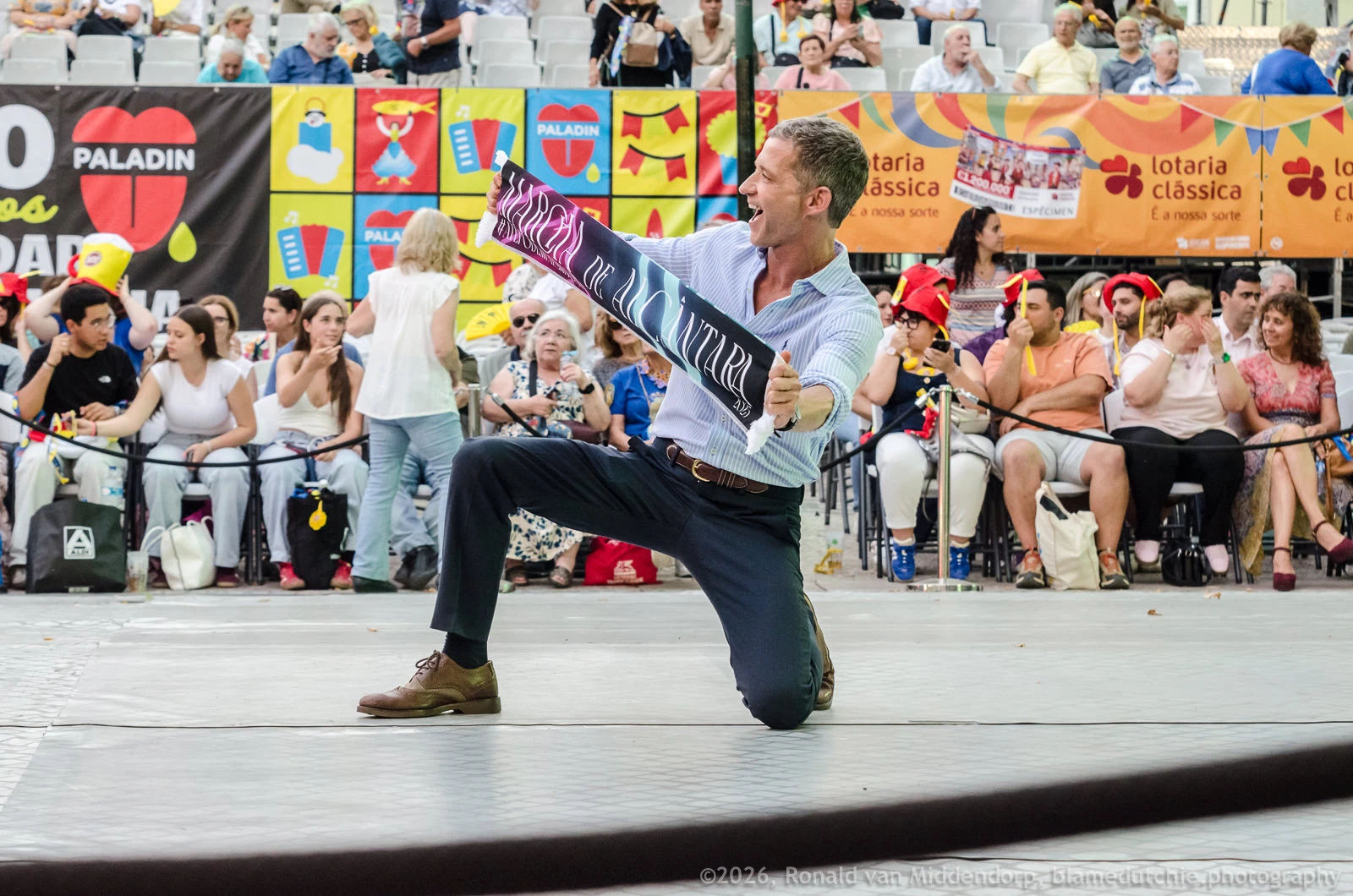
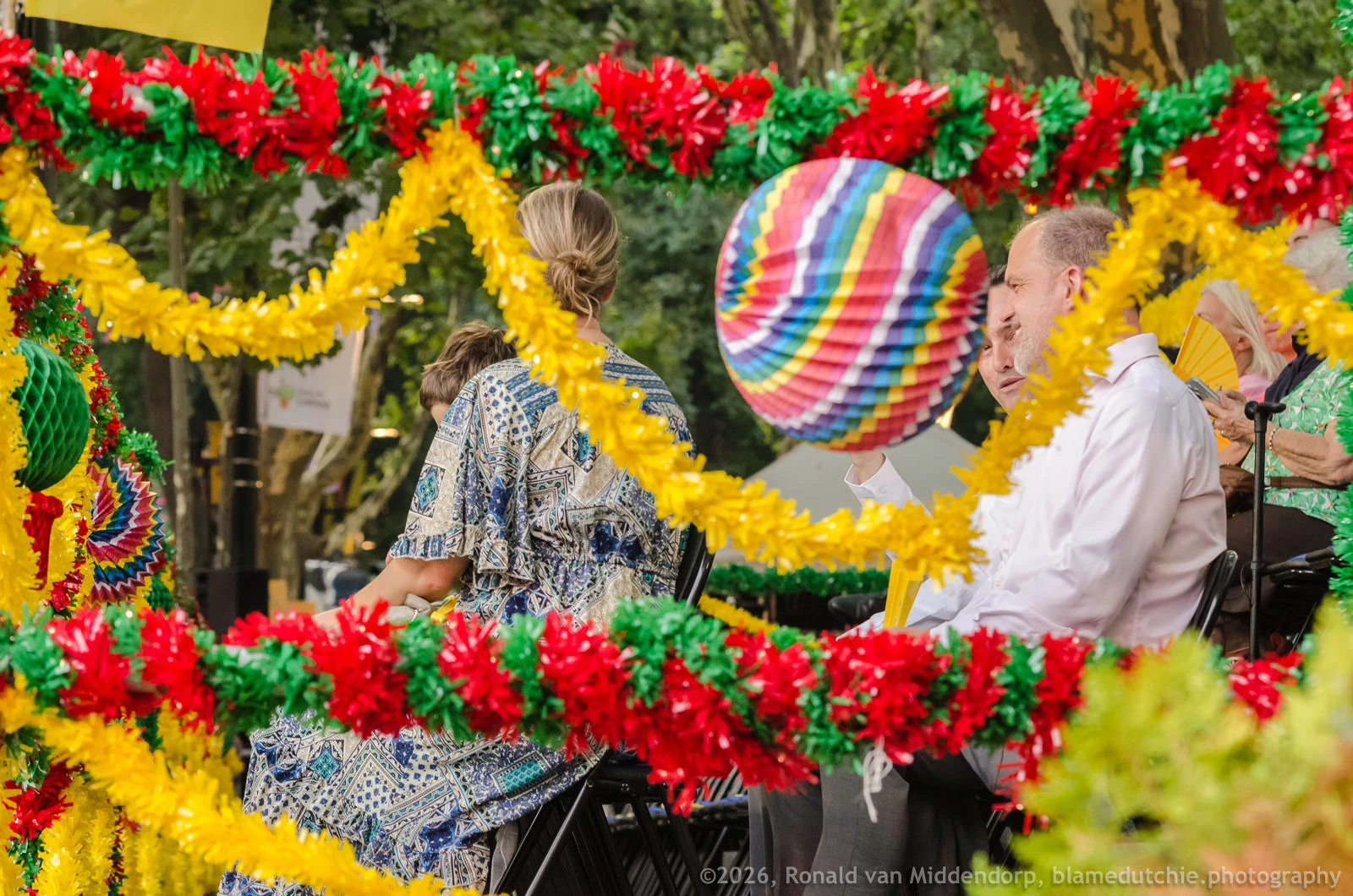
Those have followed my photography, know that - contrary to many professional shooters - I can not ignore the people that make the festivals possible. From the technicians who set up the audiovisual systems to the volunteers and trainees sweeping the floor the dignitaries will walk on without giving him or her a second glance or thought. Or even a first, for that matter. And the audience, let’s not forget them!
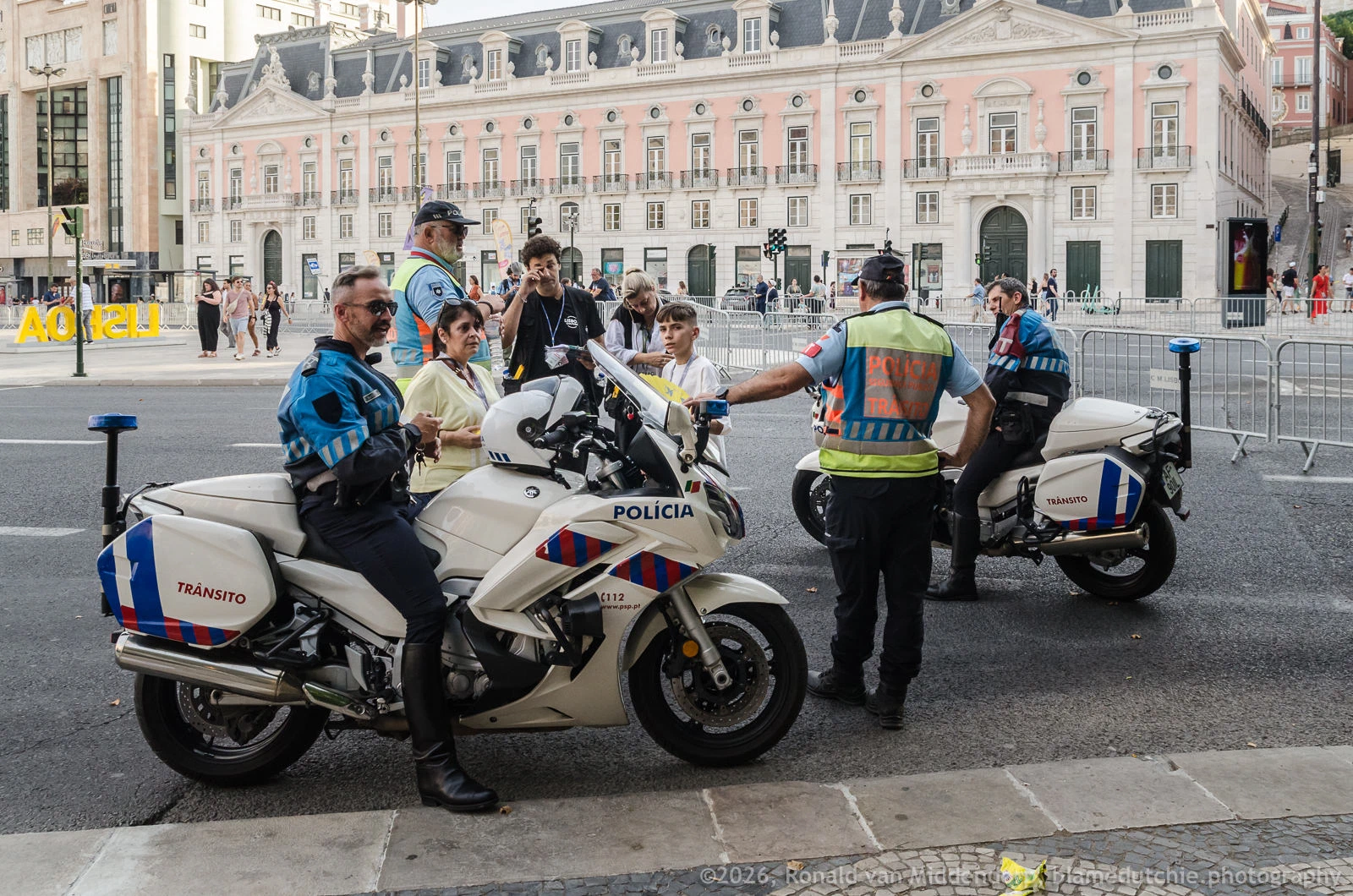
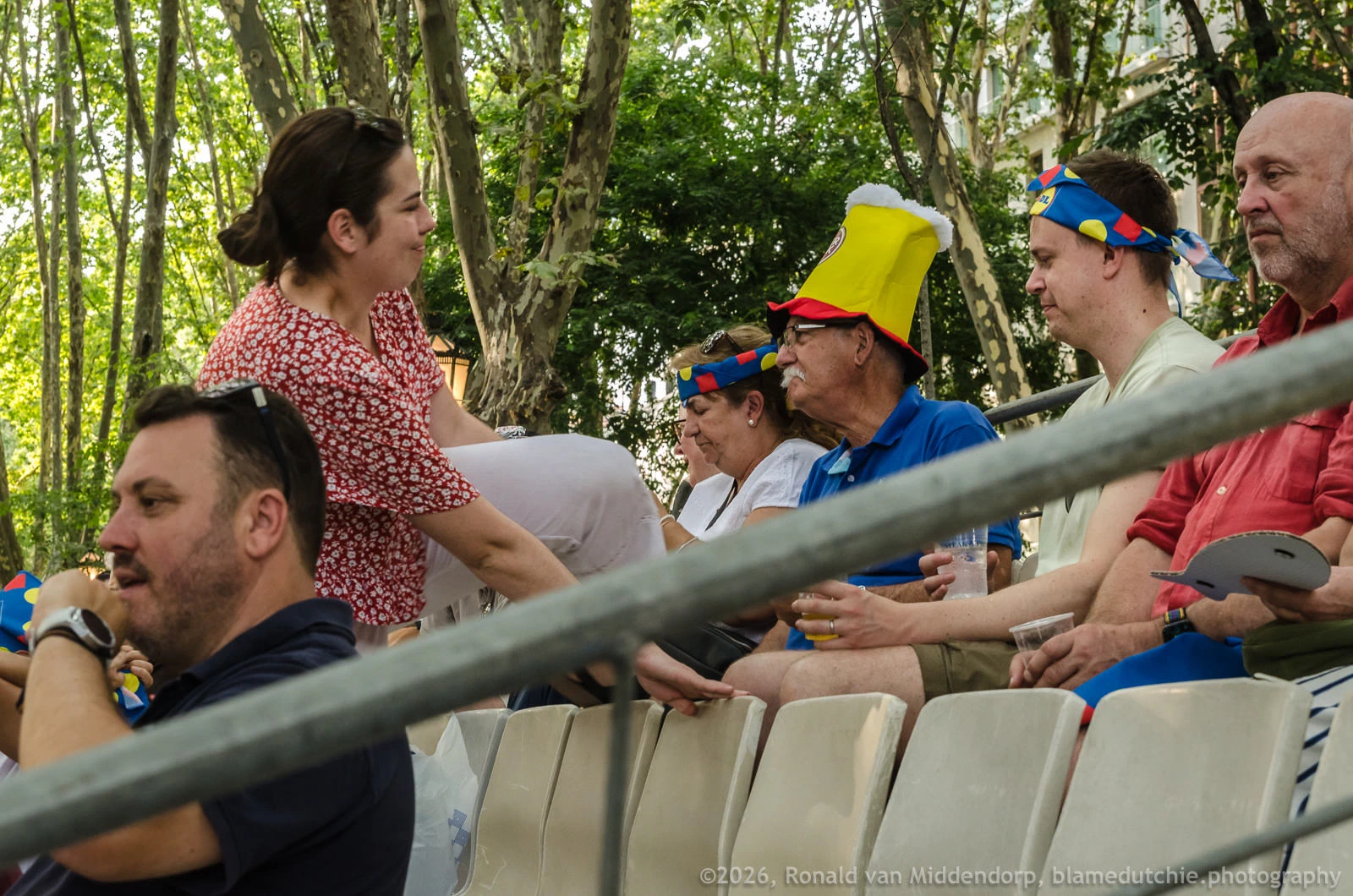
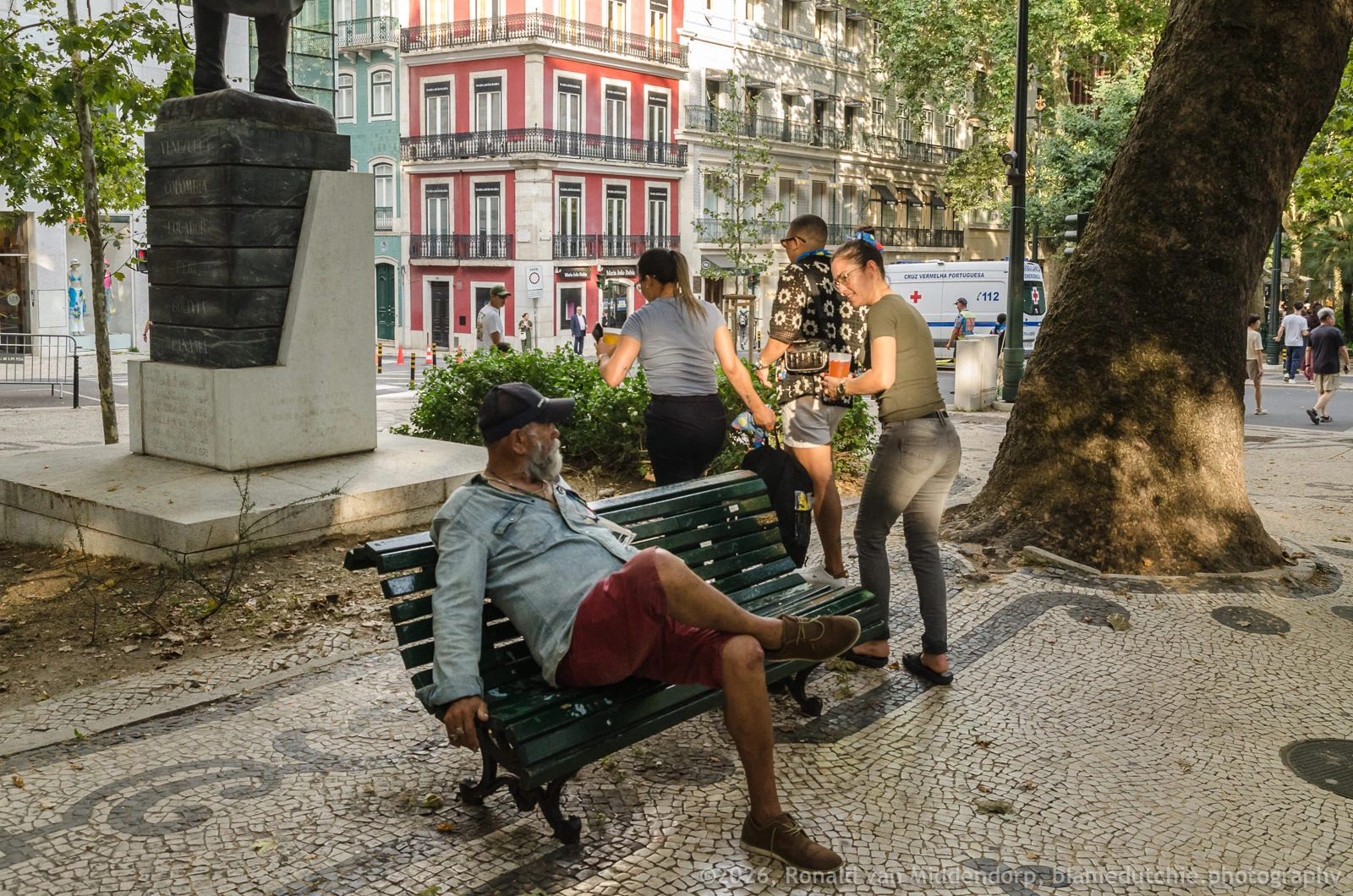
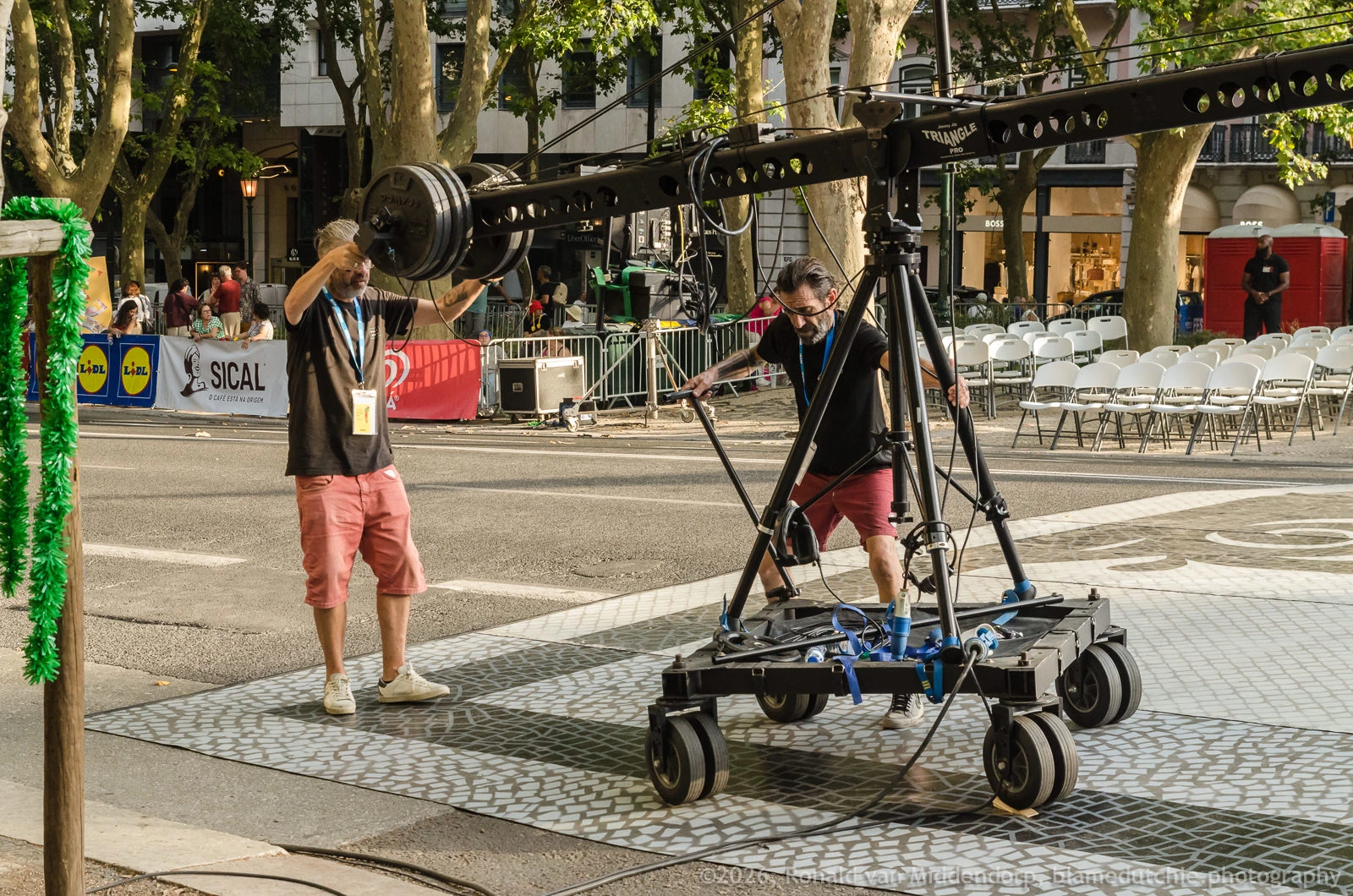
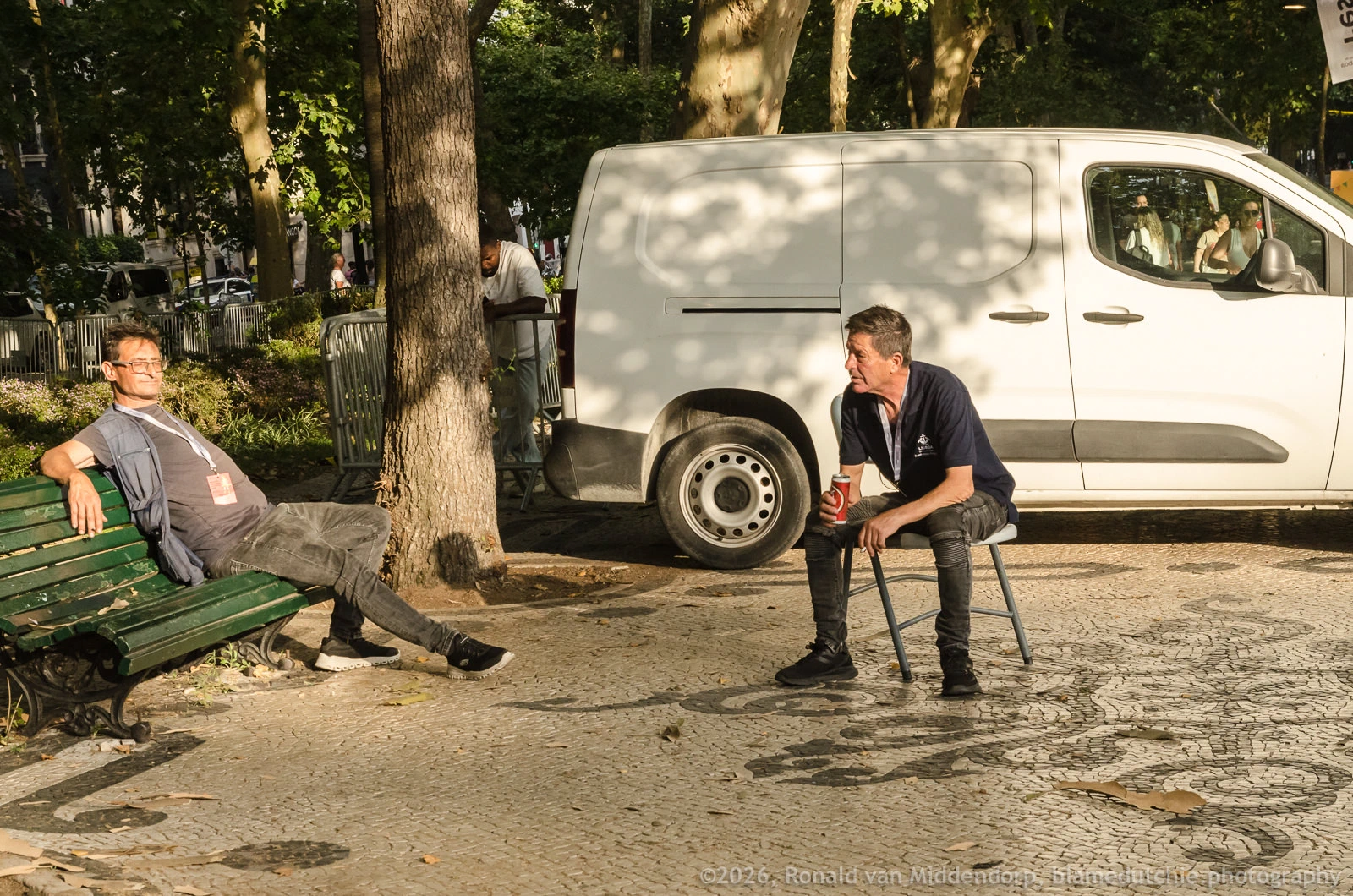
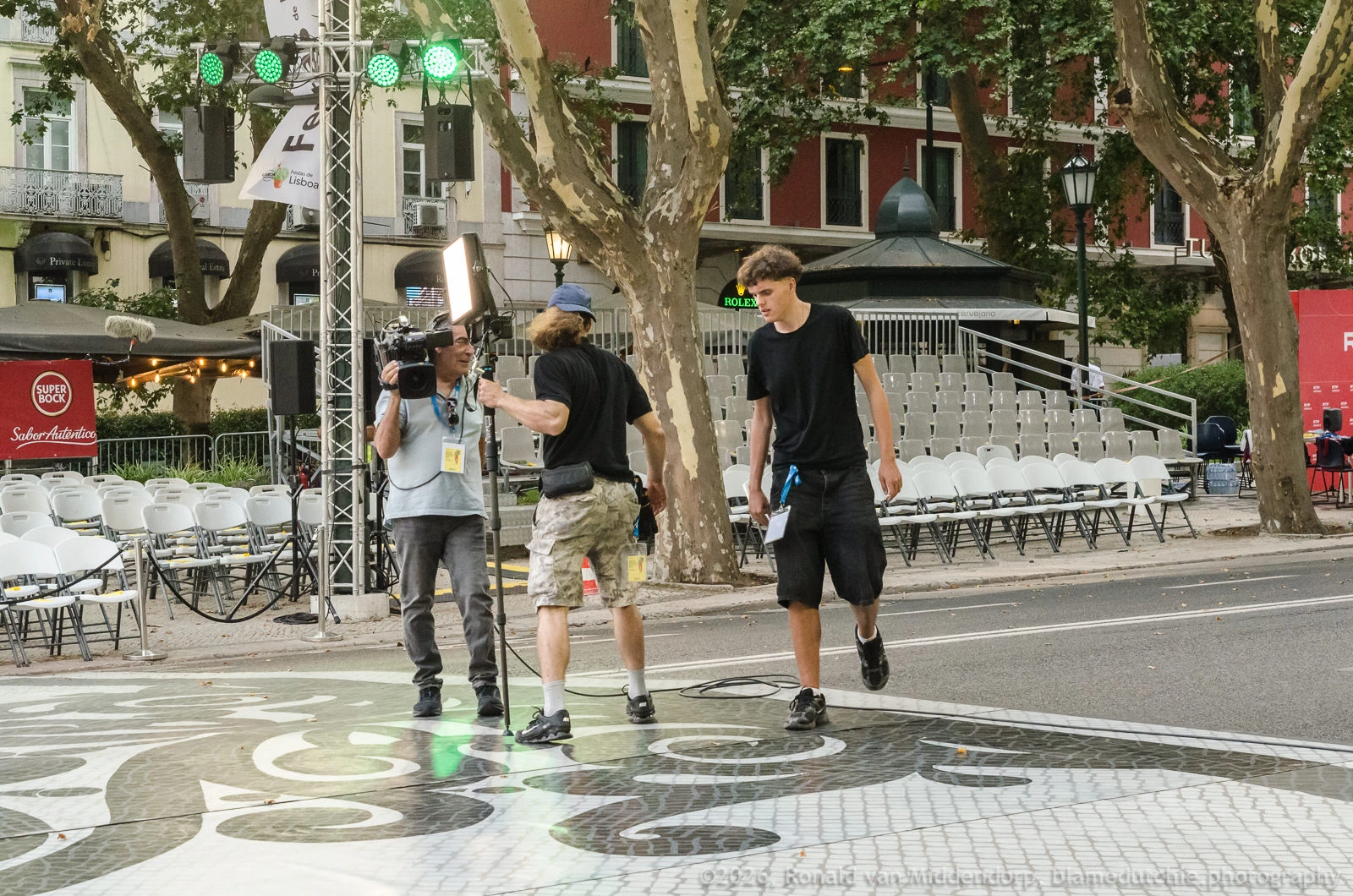
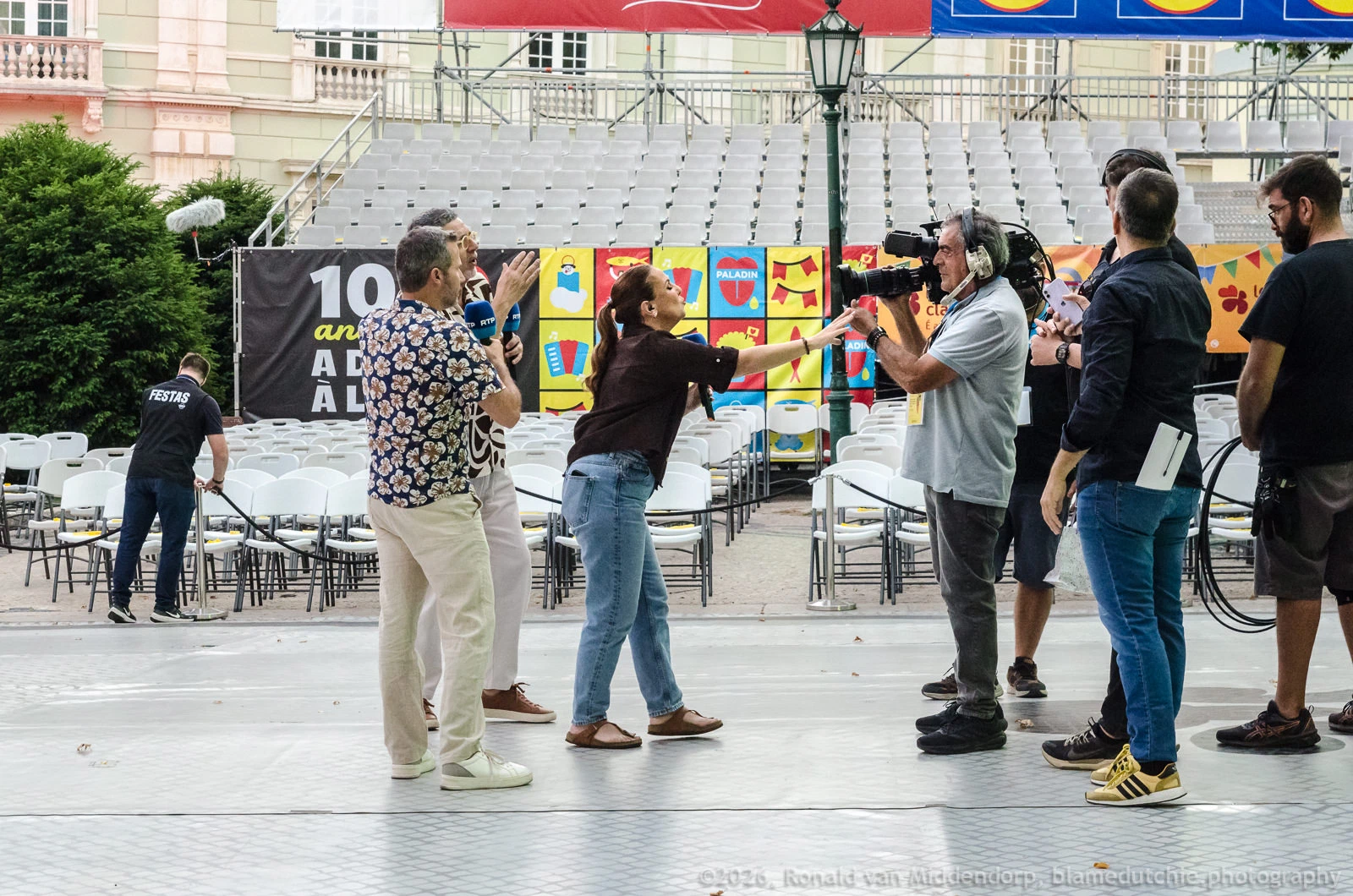
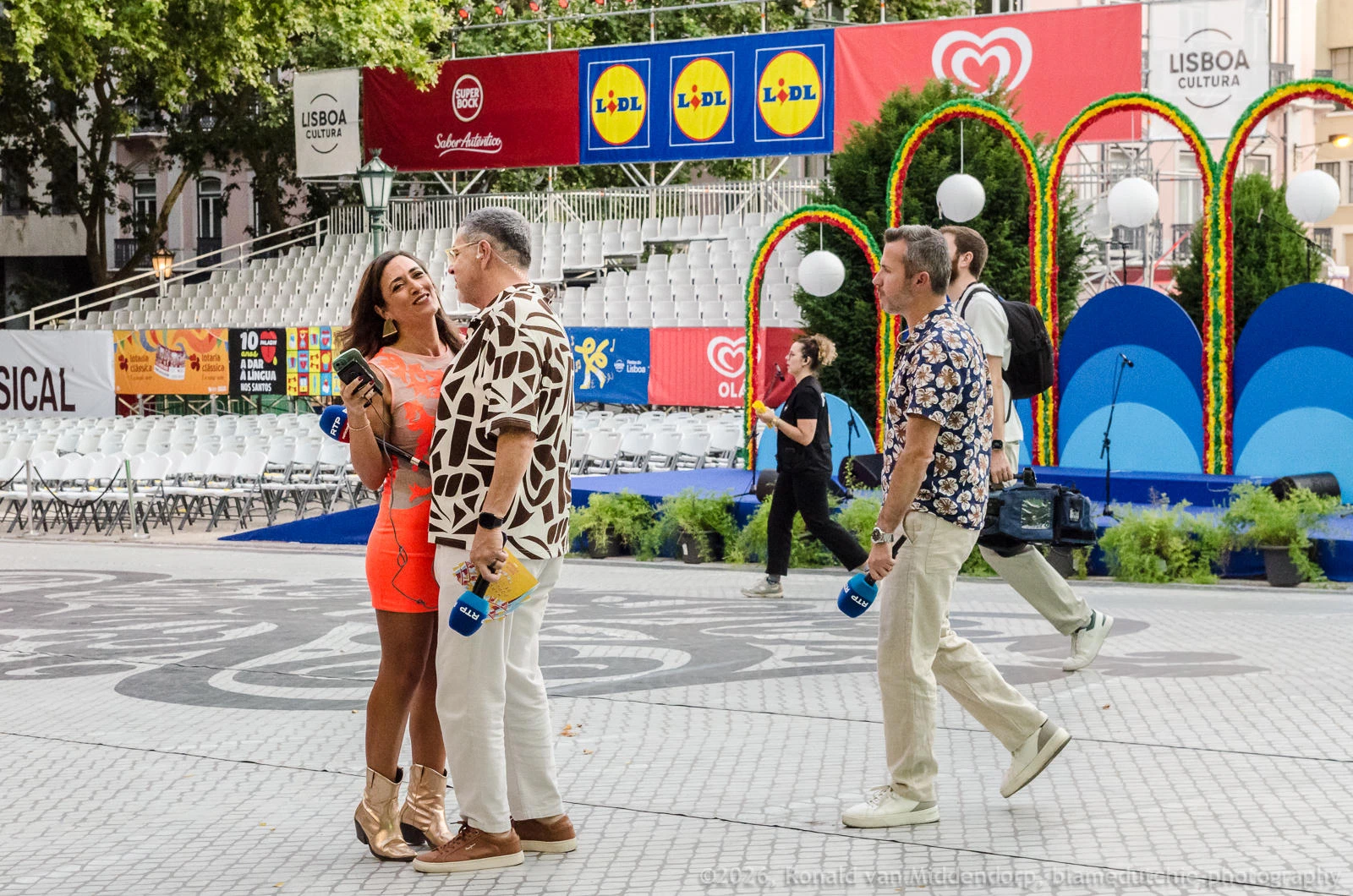
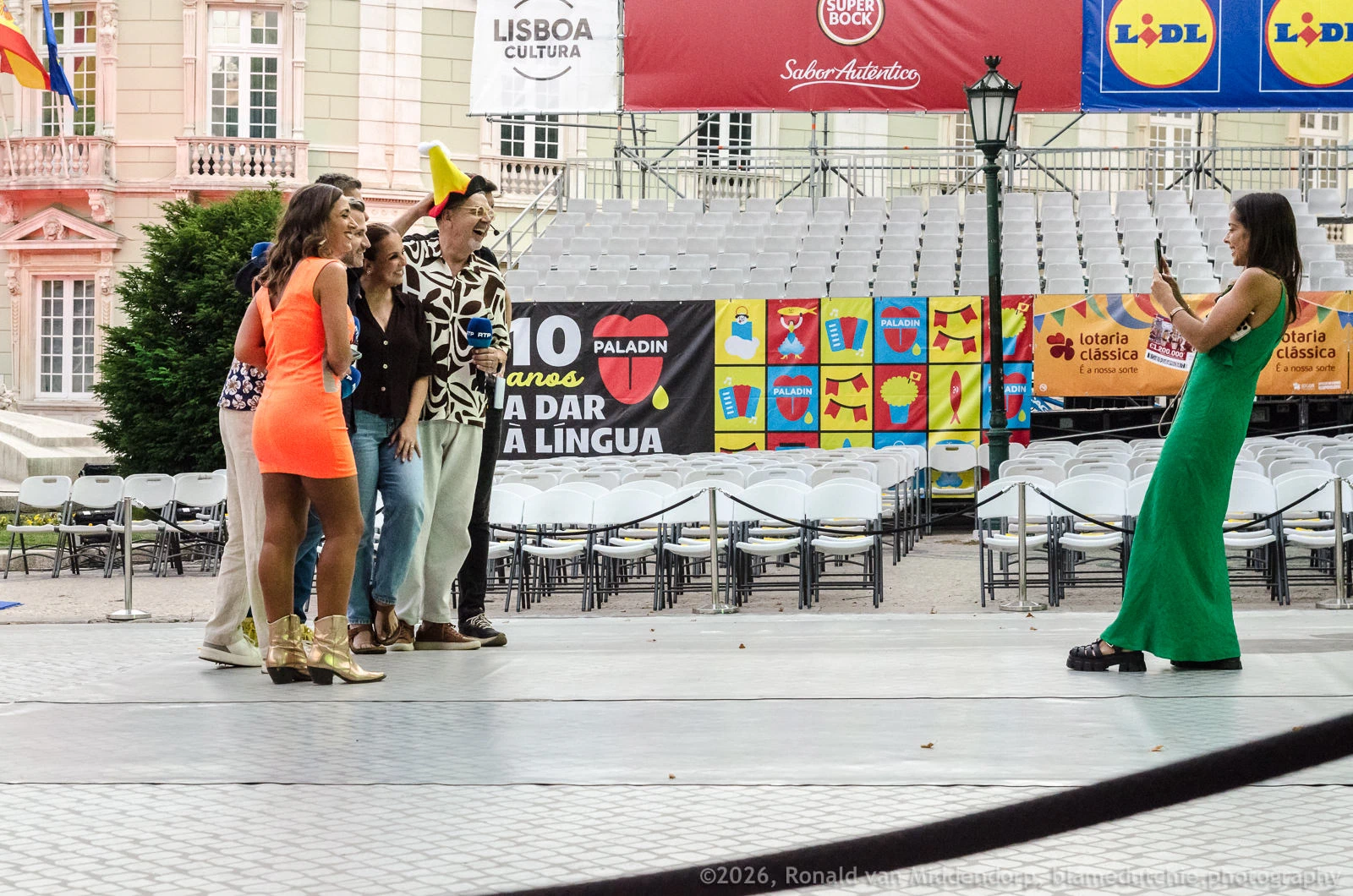
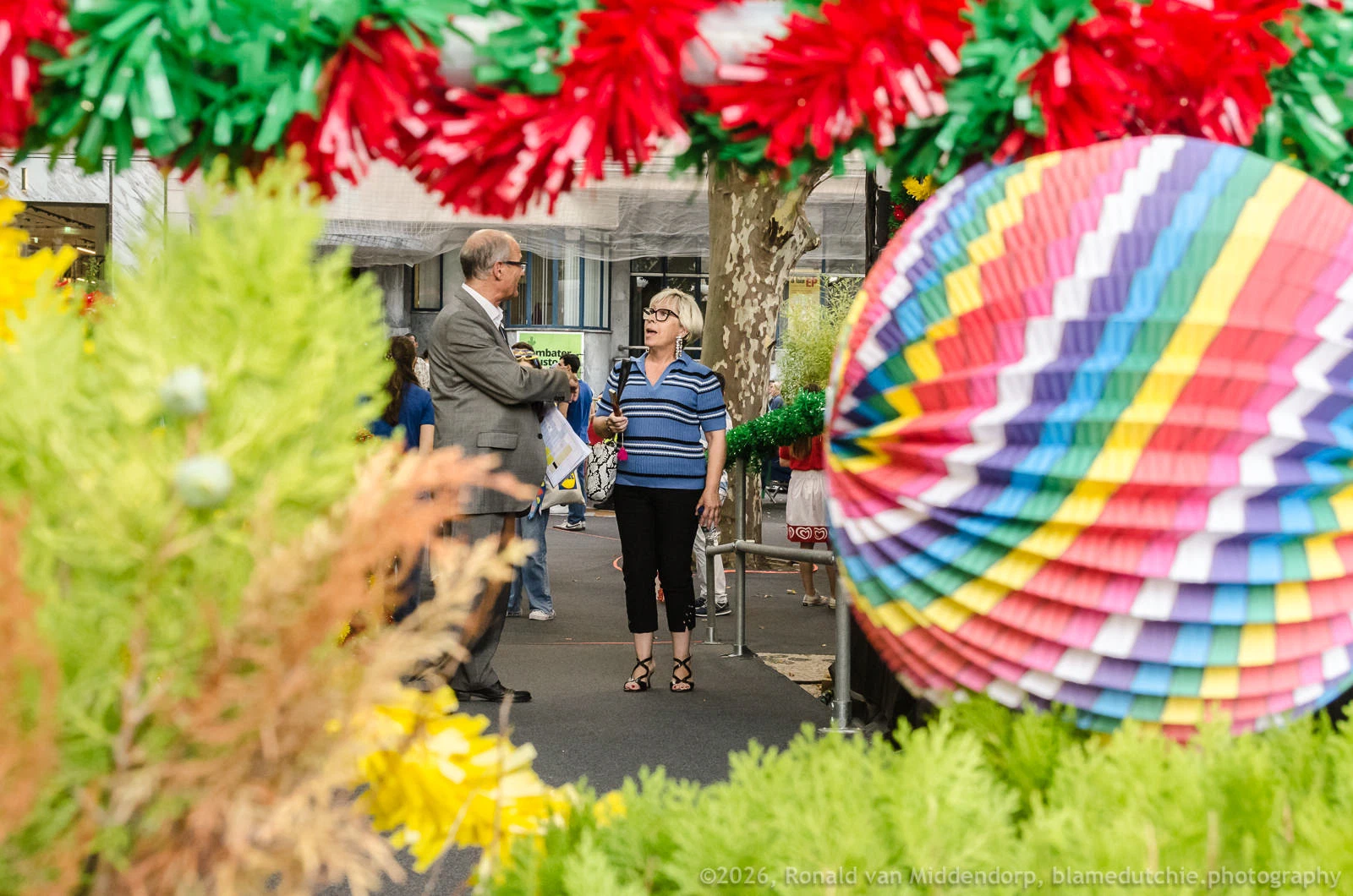
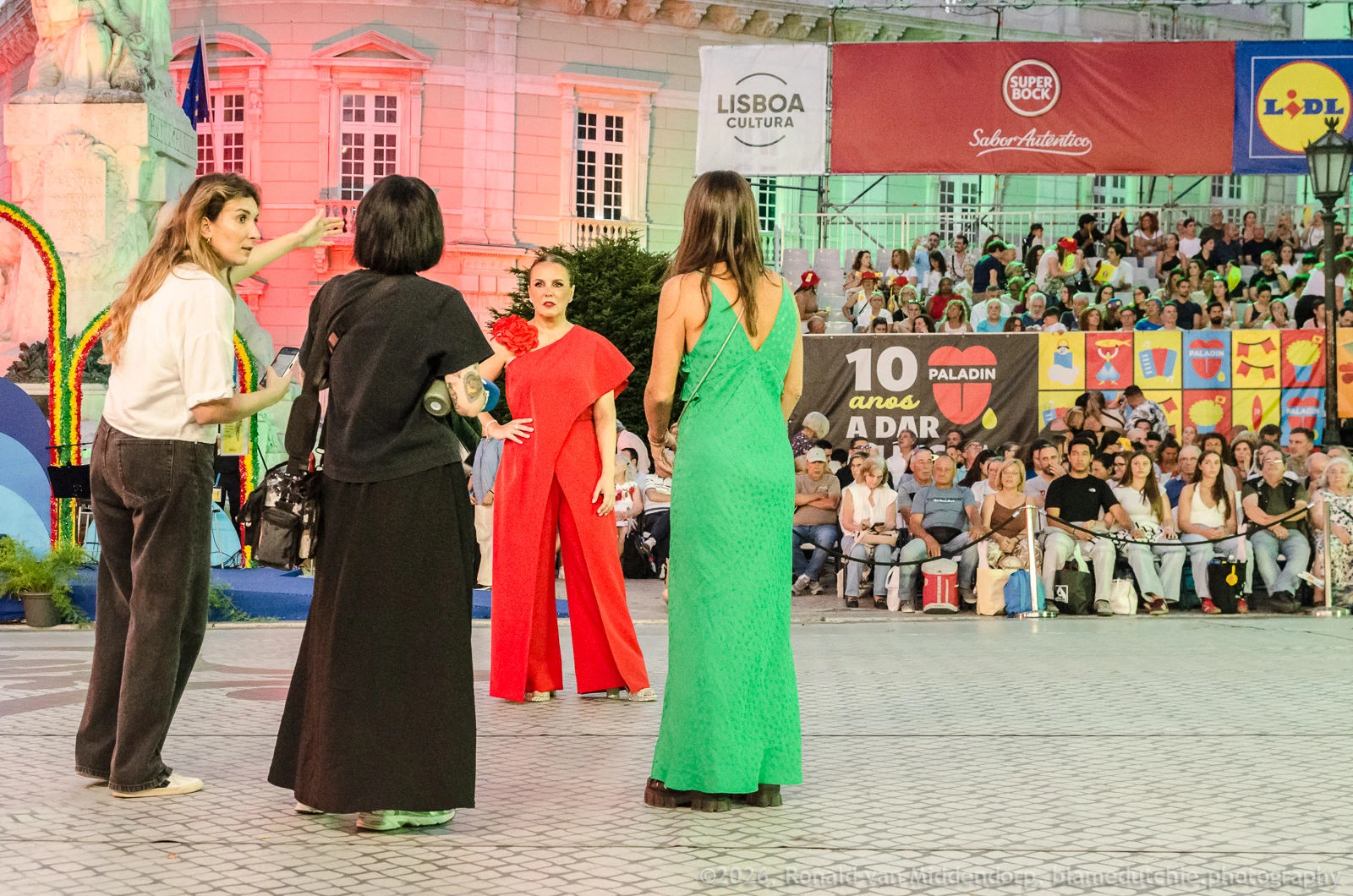
Waiting some more
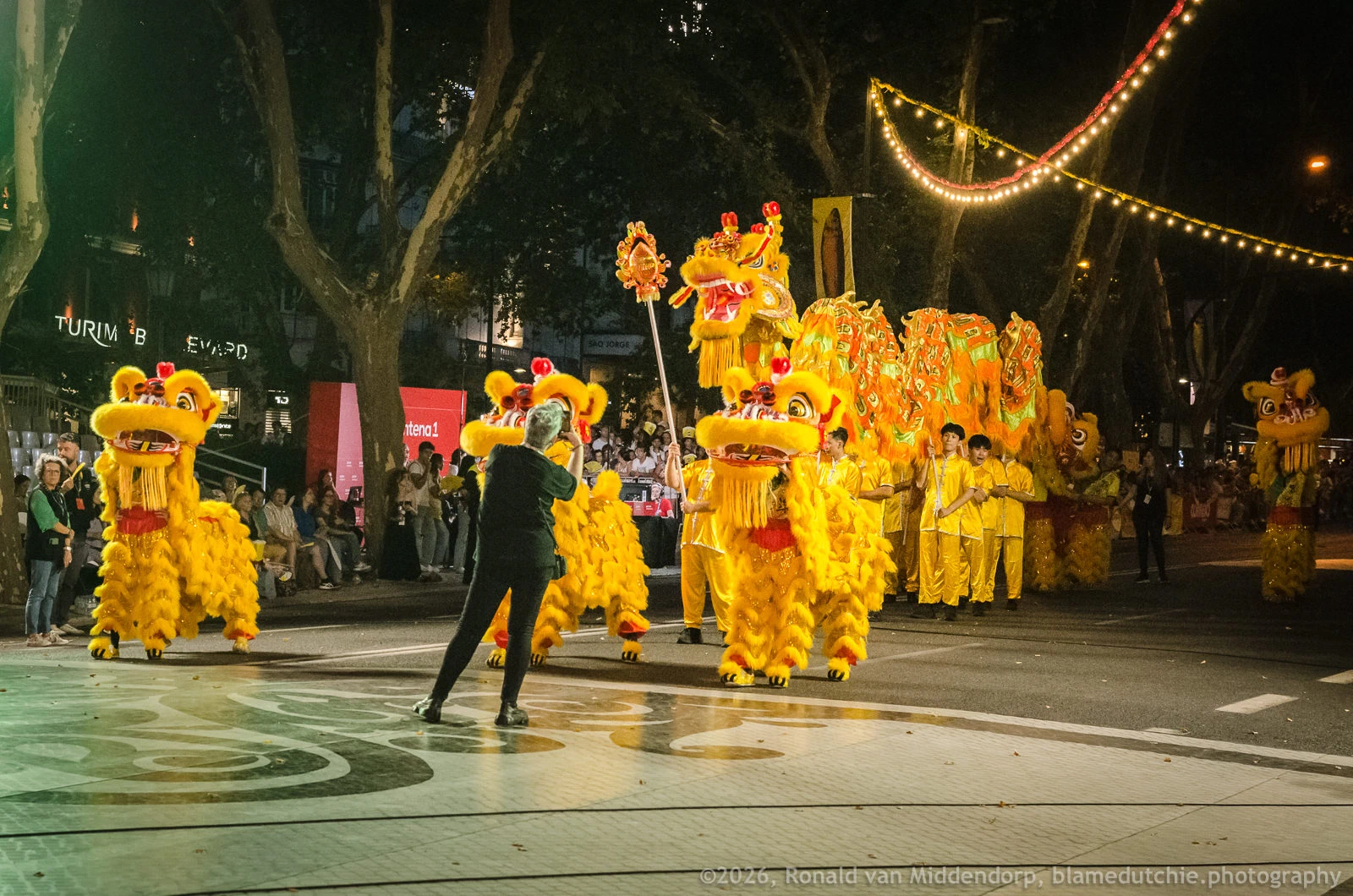
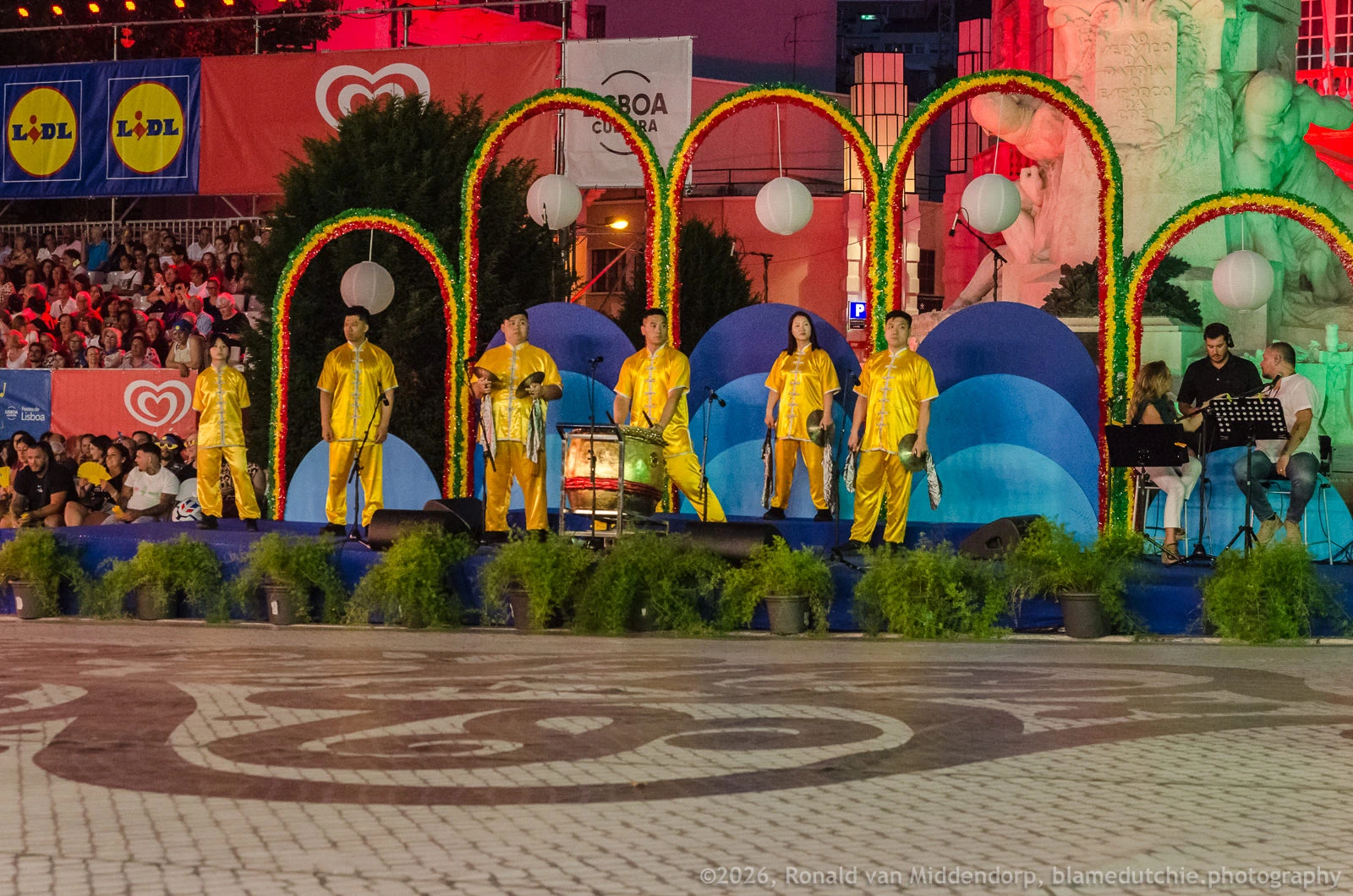
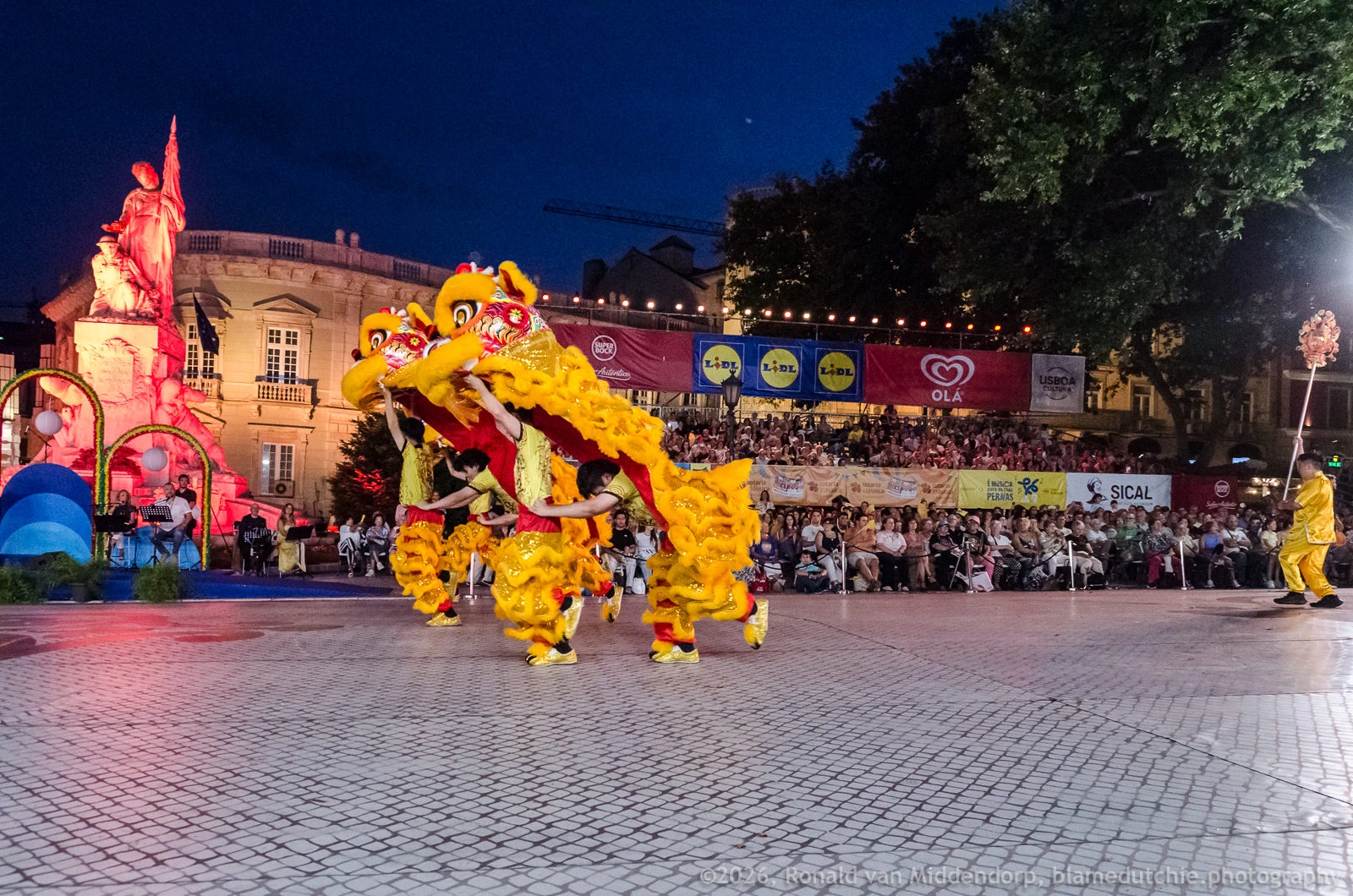
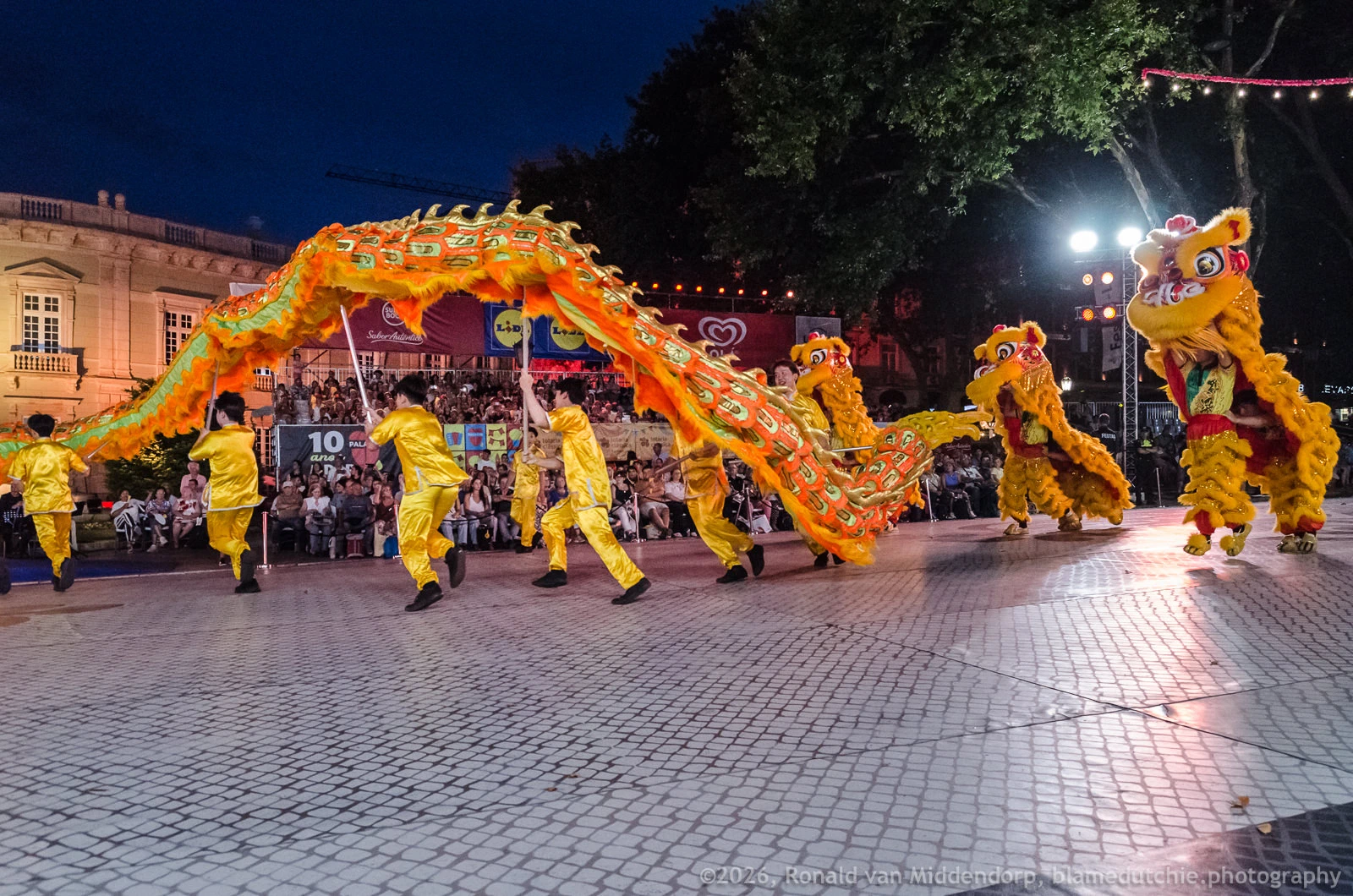
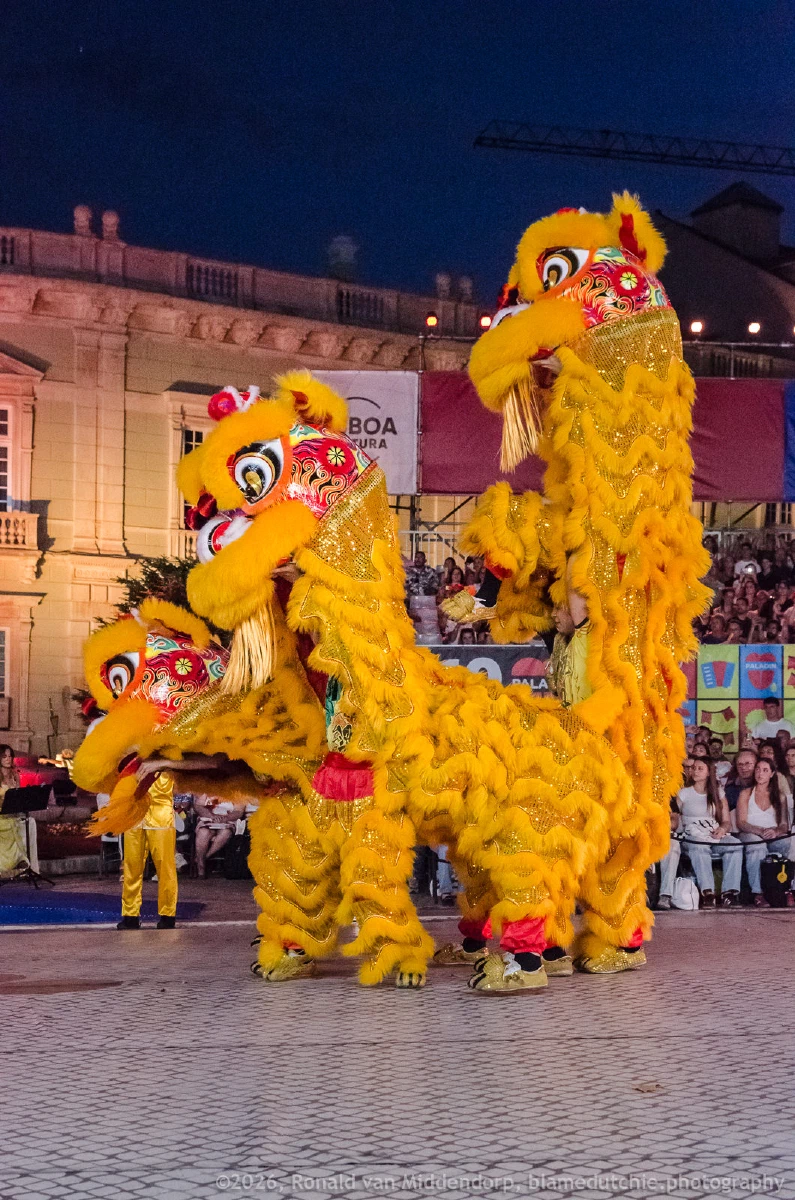
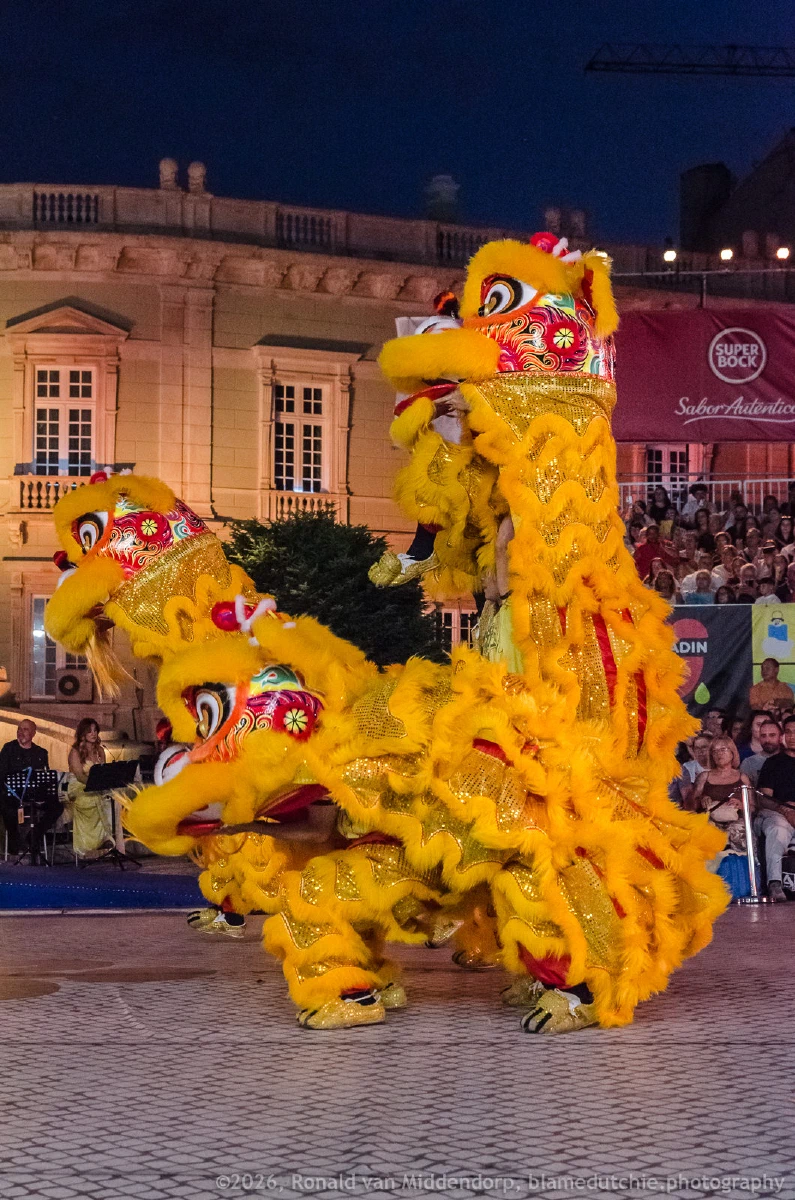
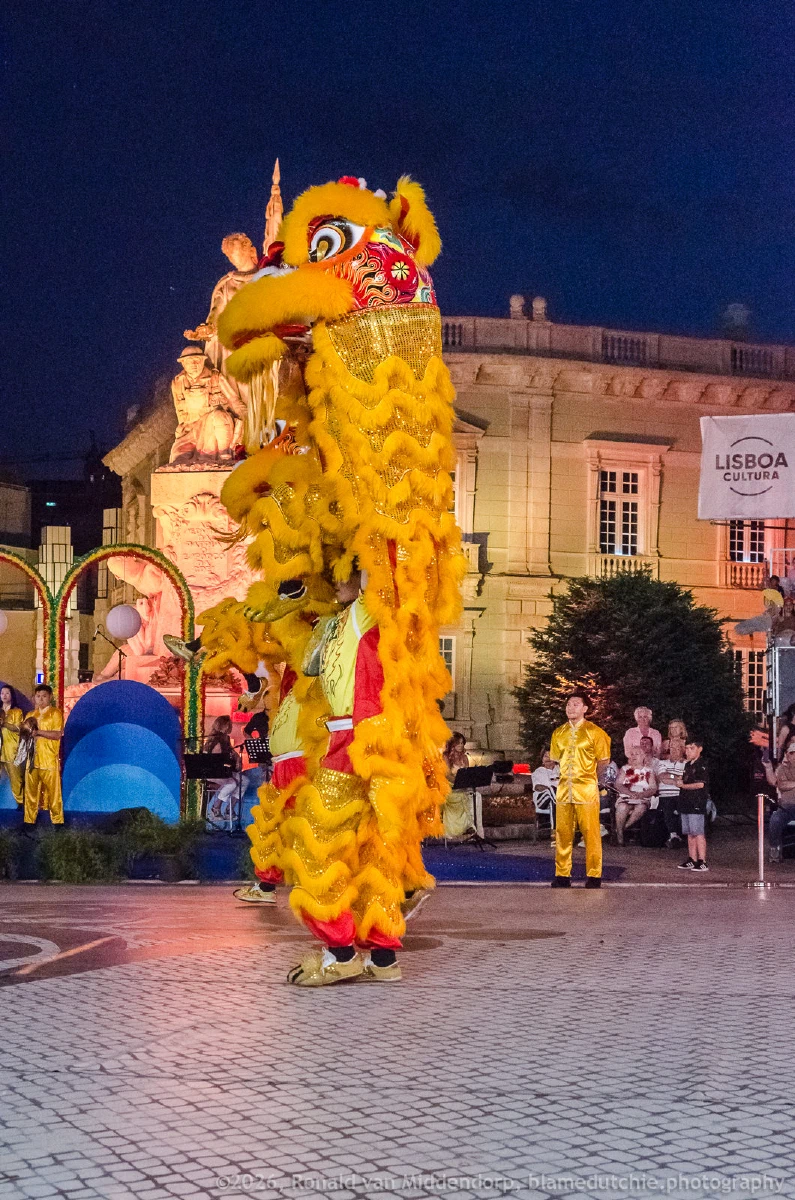
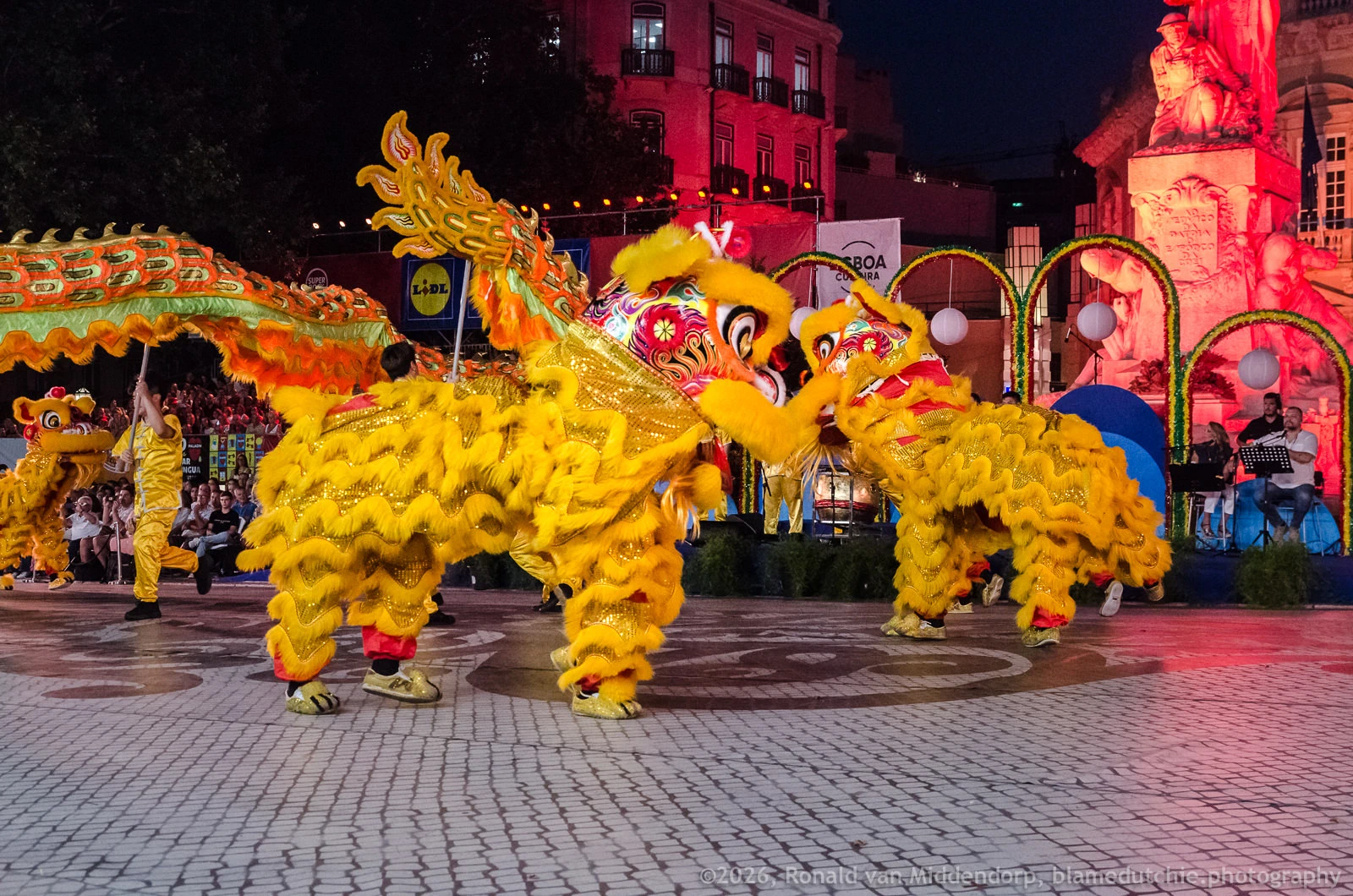
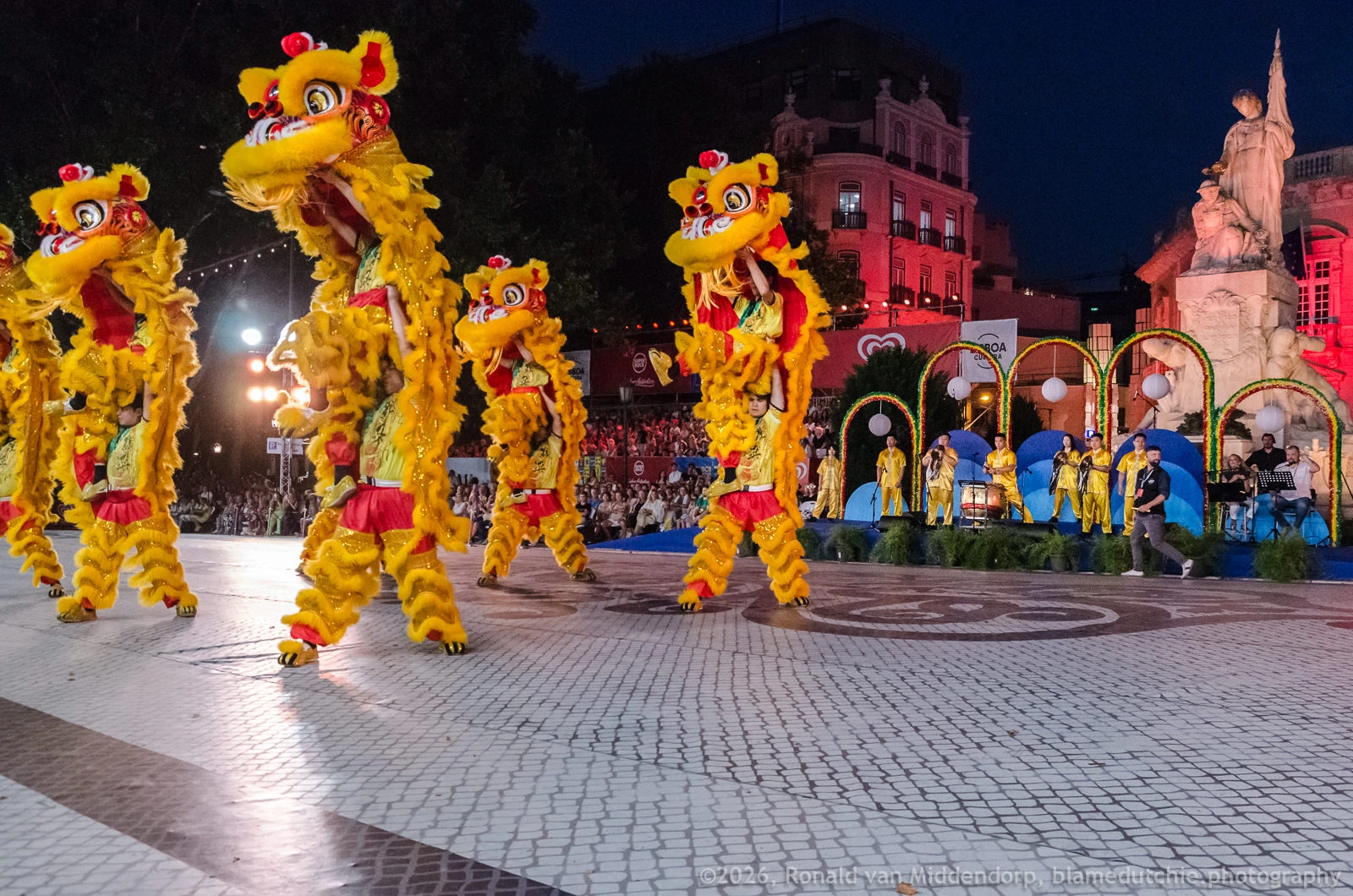
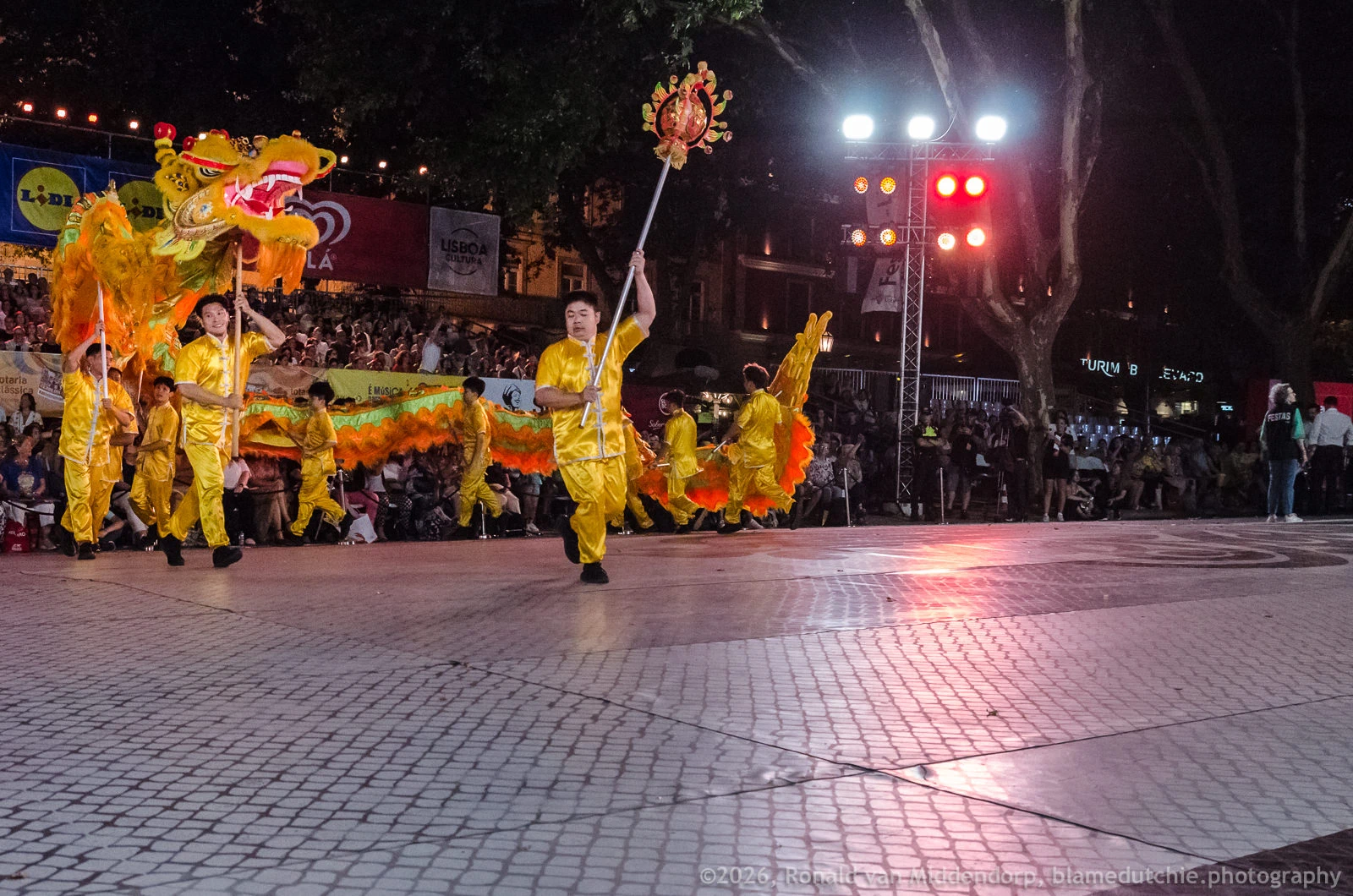
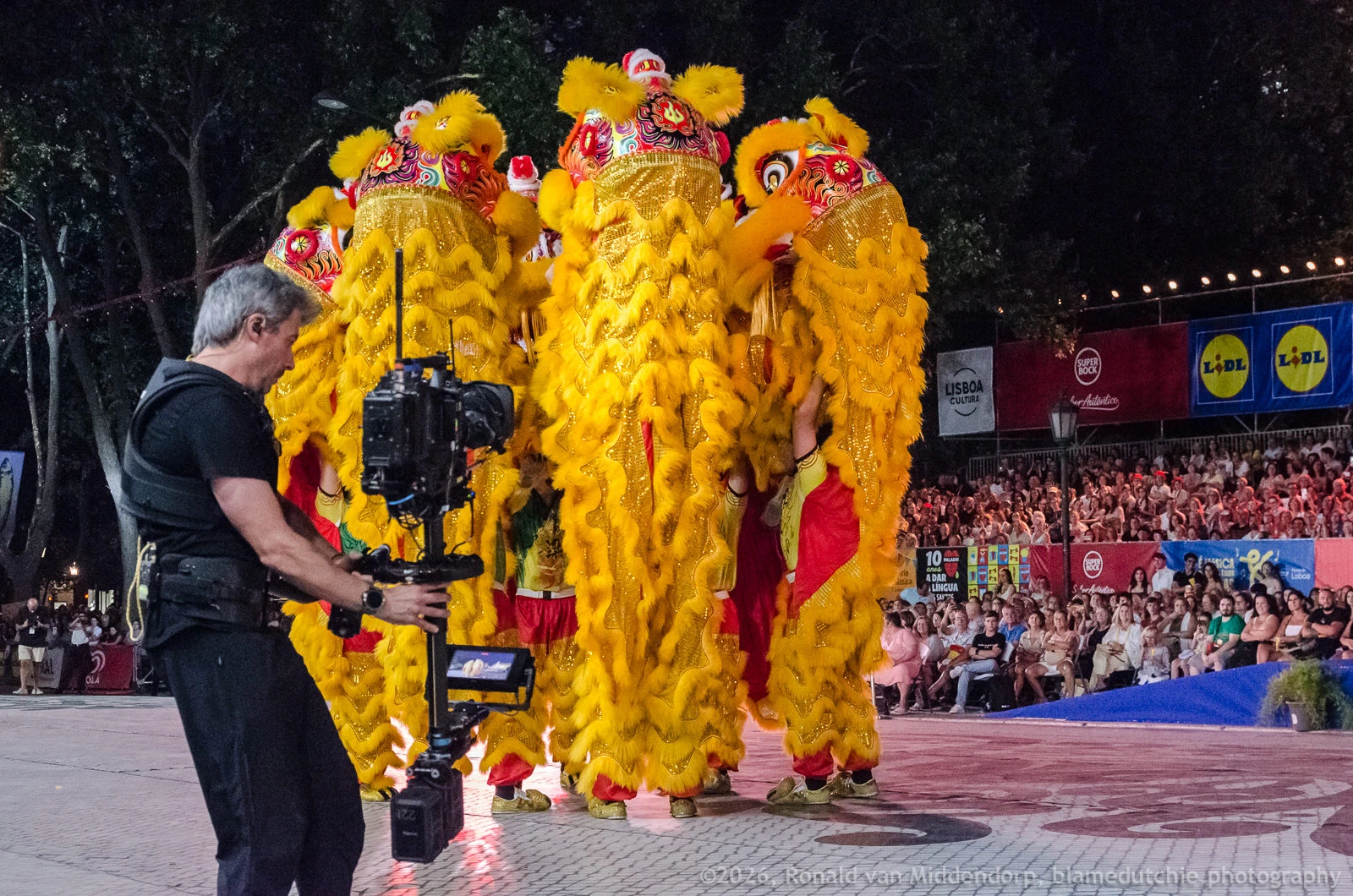
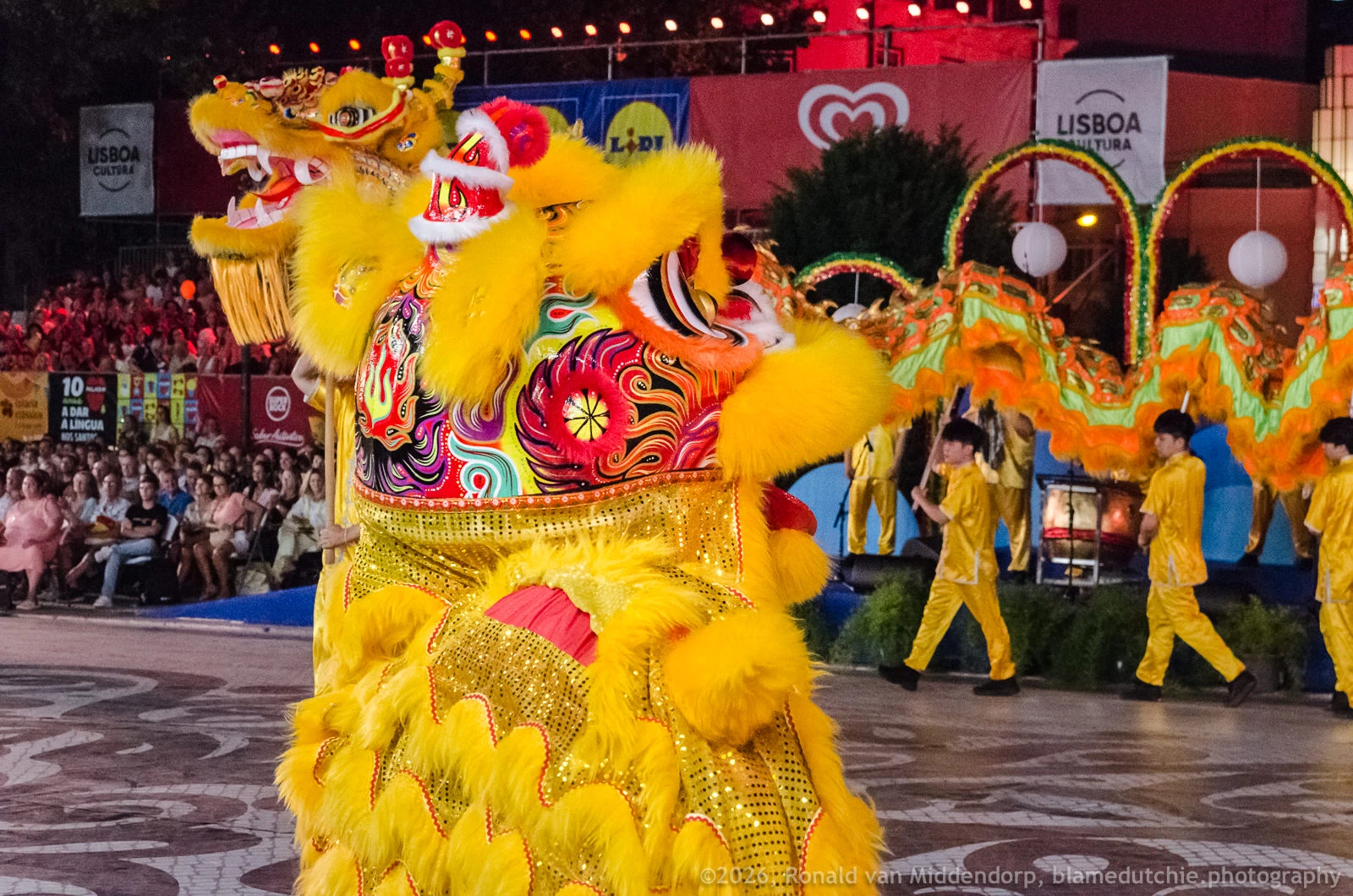
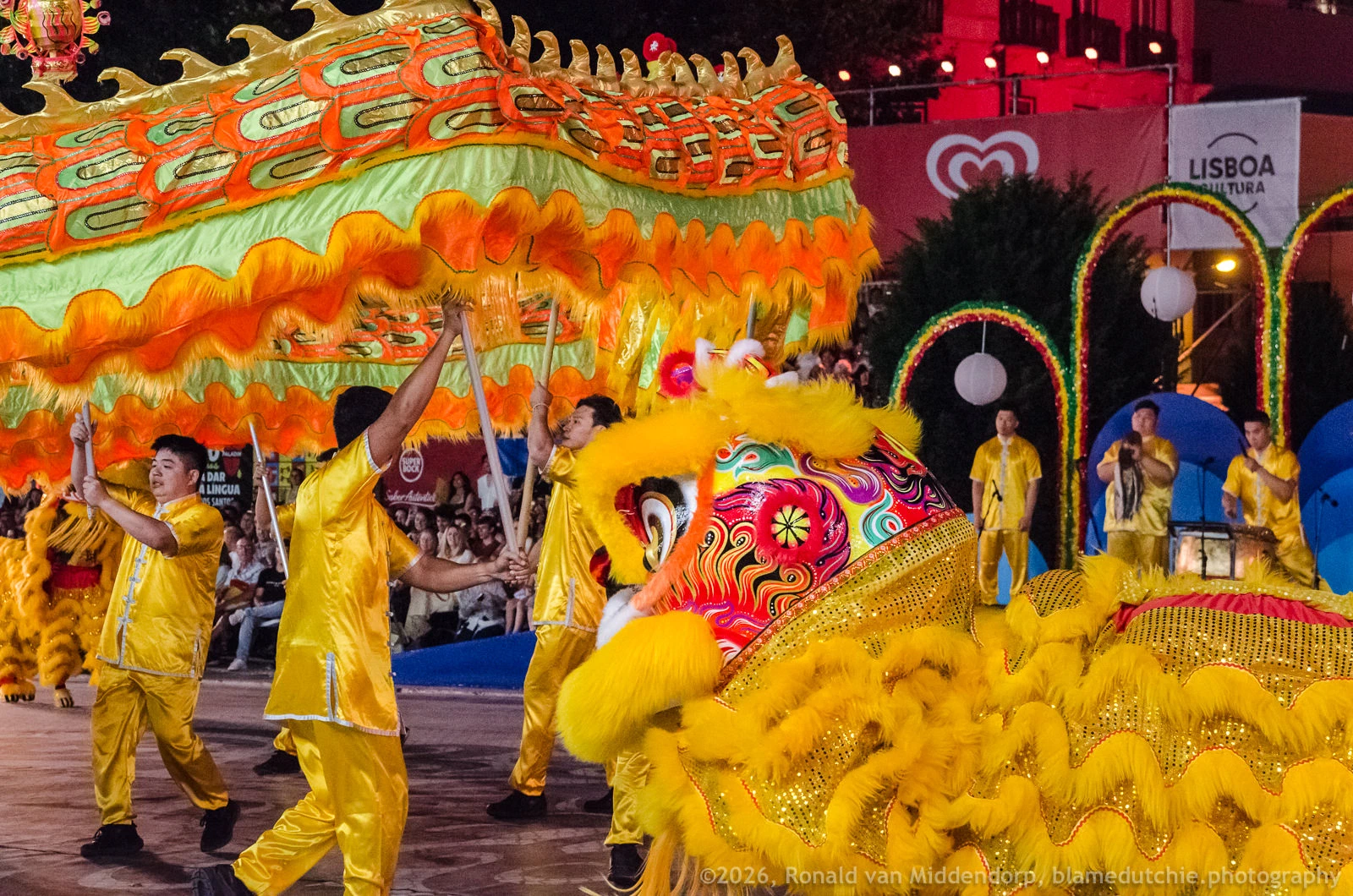
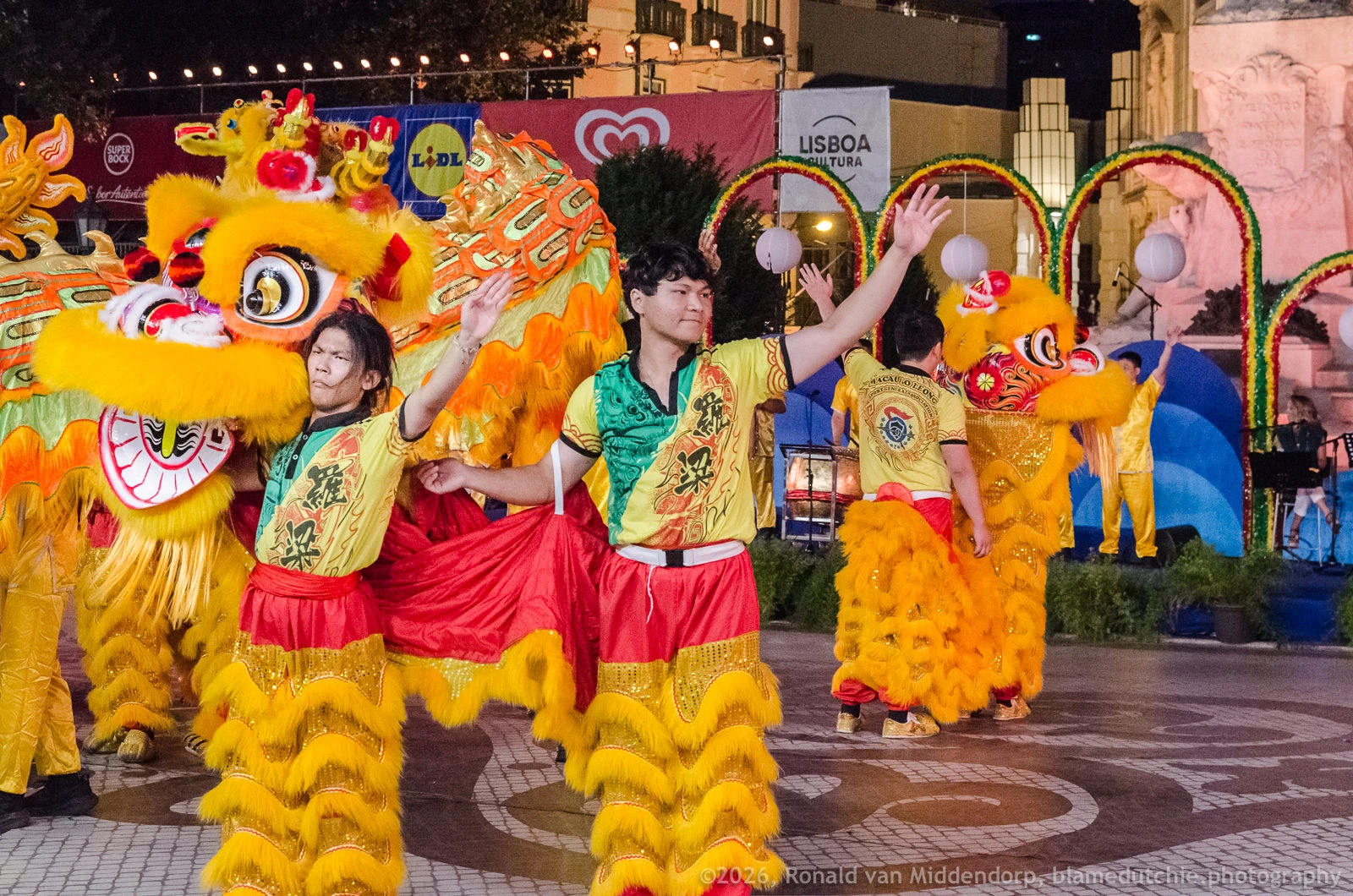
And while the dignitaries are arriving (too late, dinner first!) to have their pictures taken by the assembled professionals, the invited Associação Geral Desportiva de Macau Lo Leong who will open the marches waits. And waits some more. Until finally, they can start their performance of the Dança do Dragão e dos Leões Dourados.
Teach the children
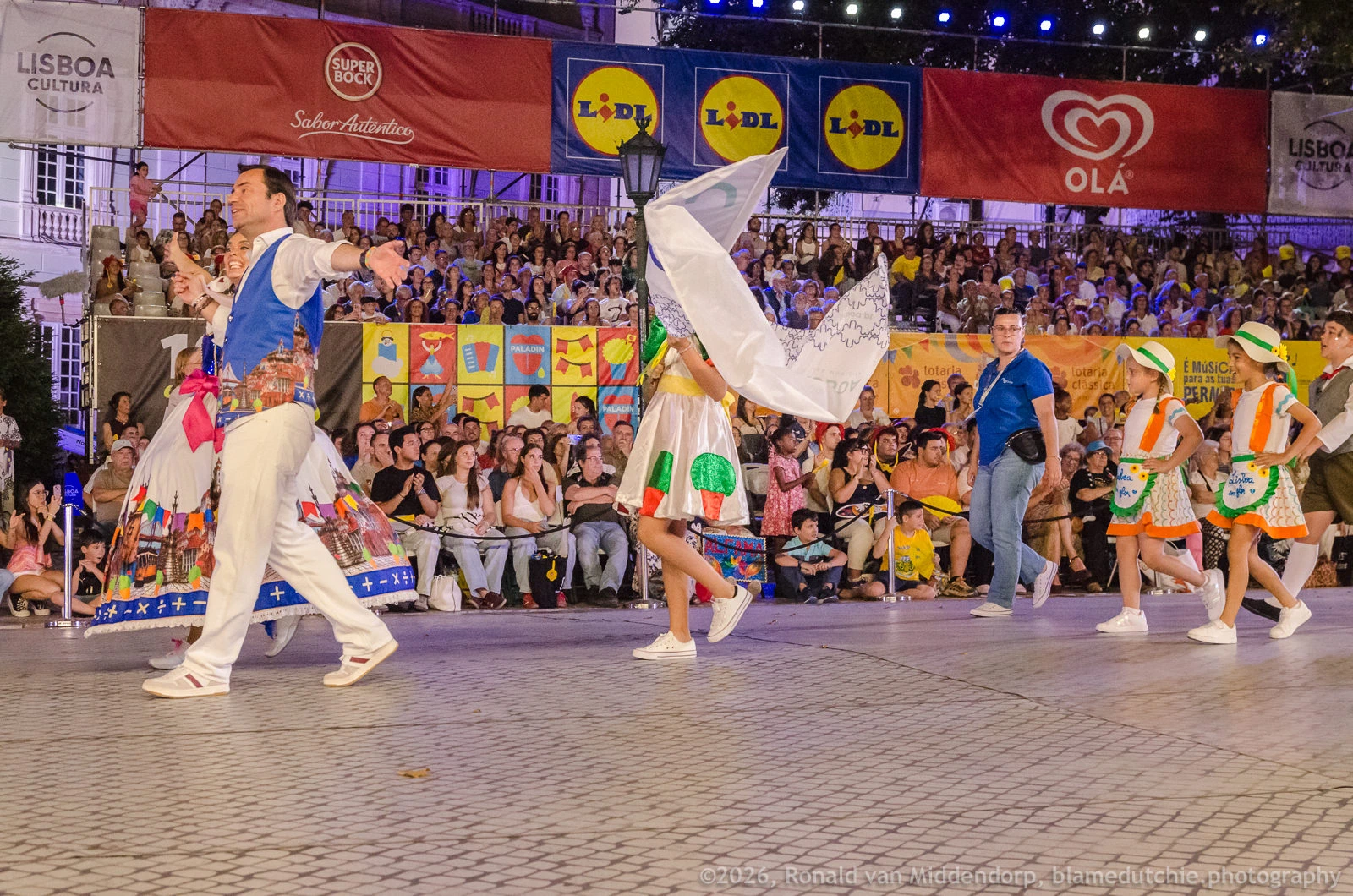
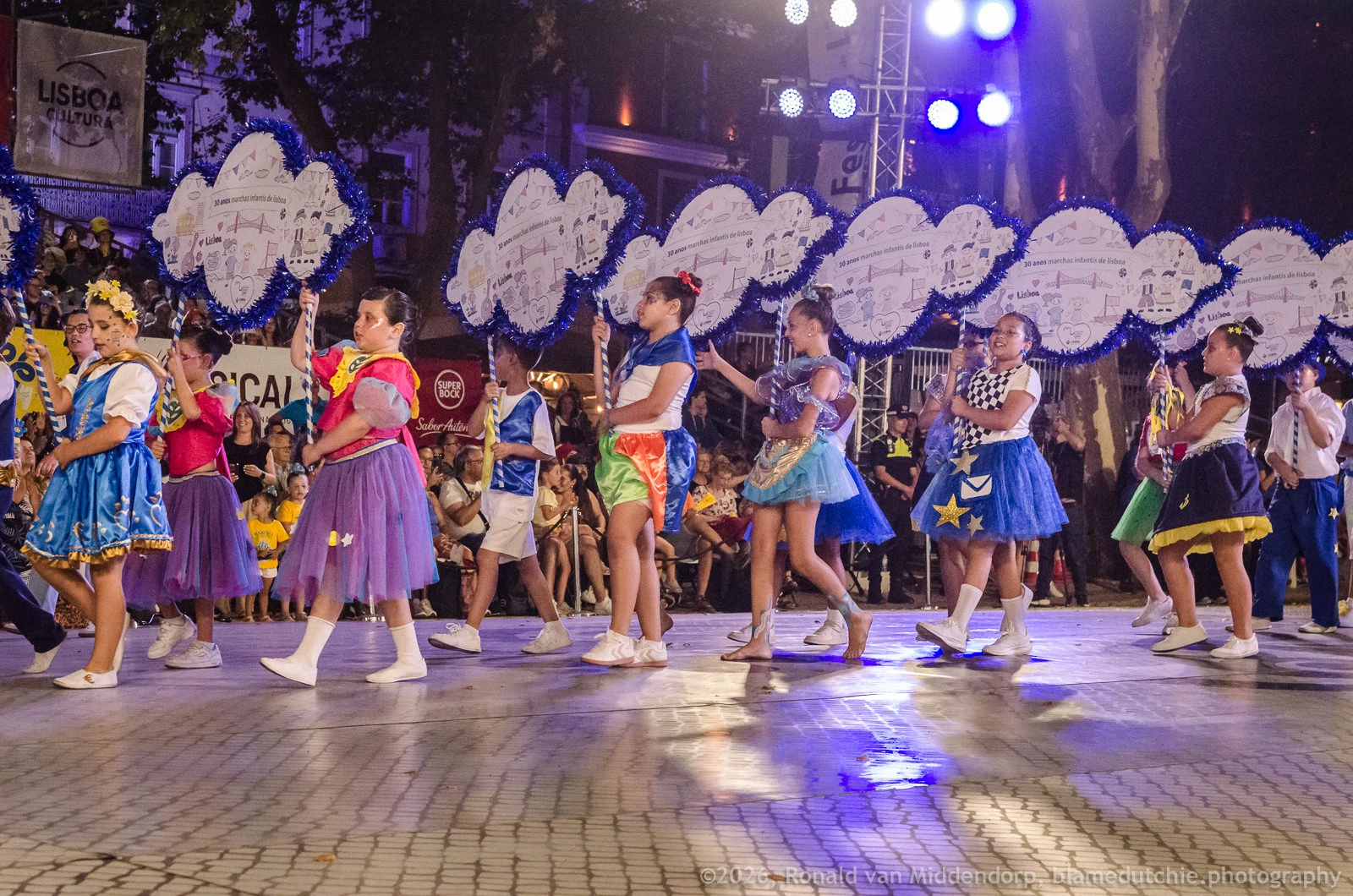
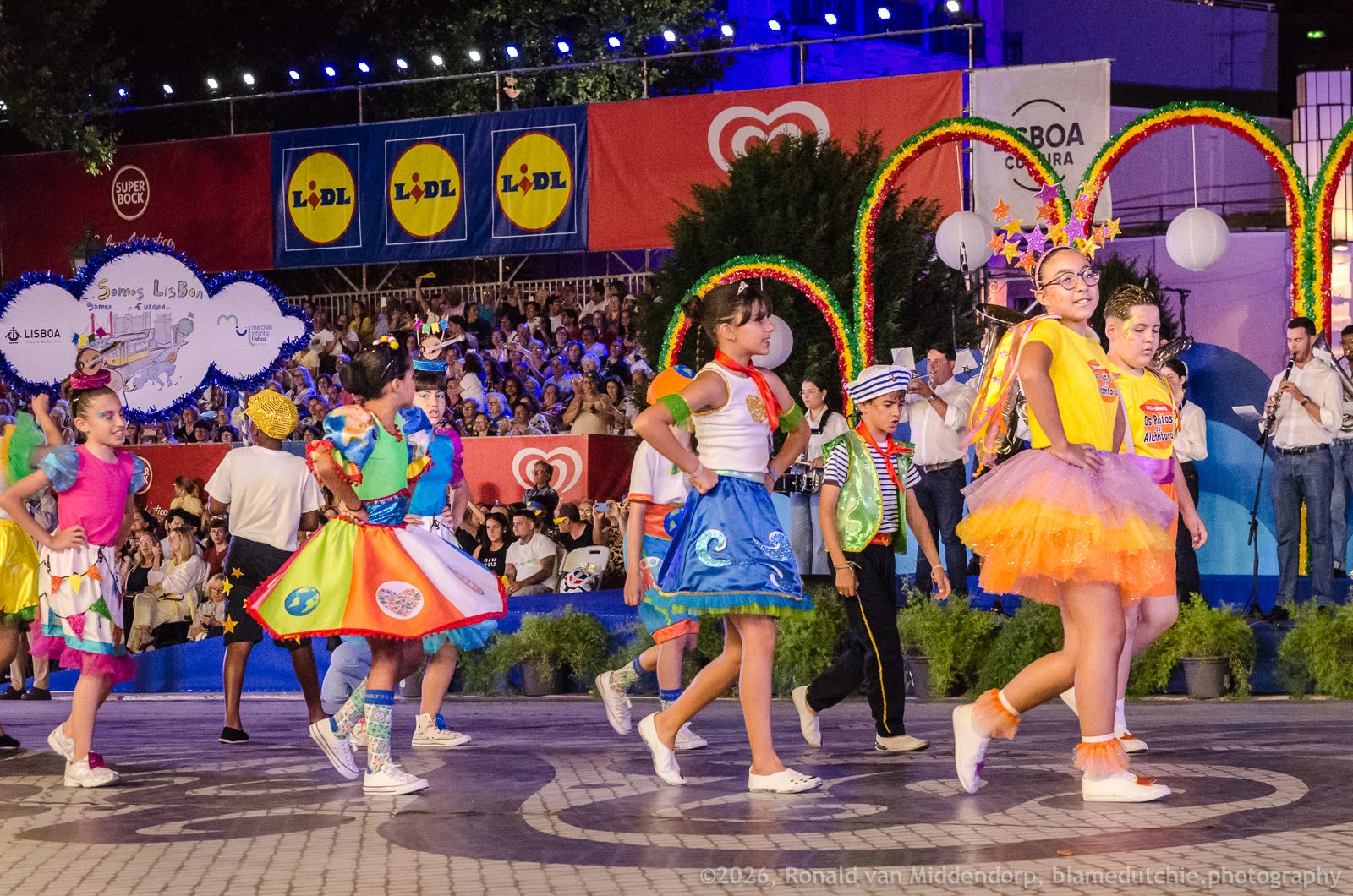
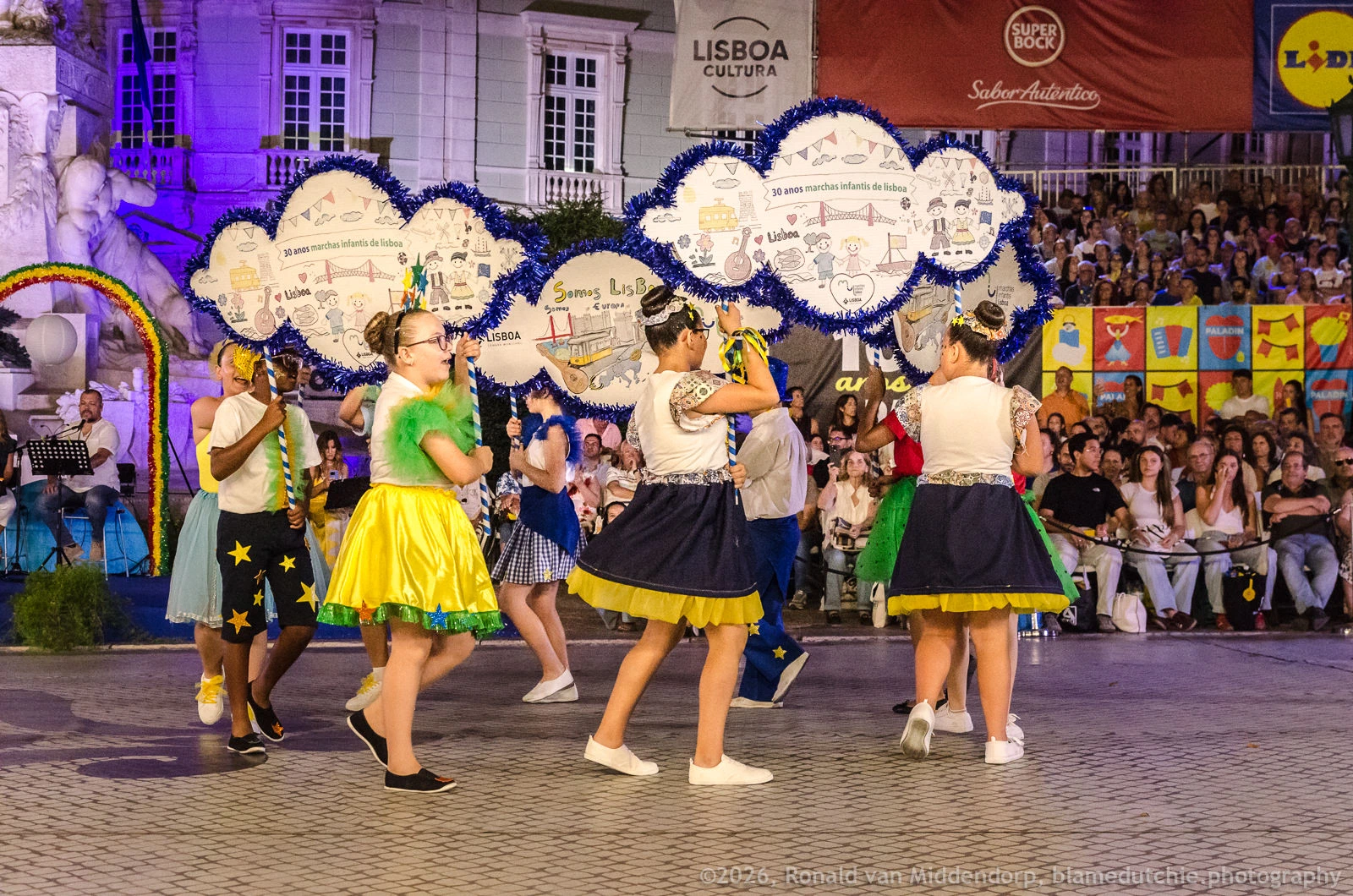
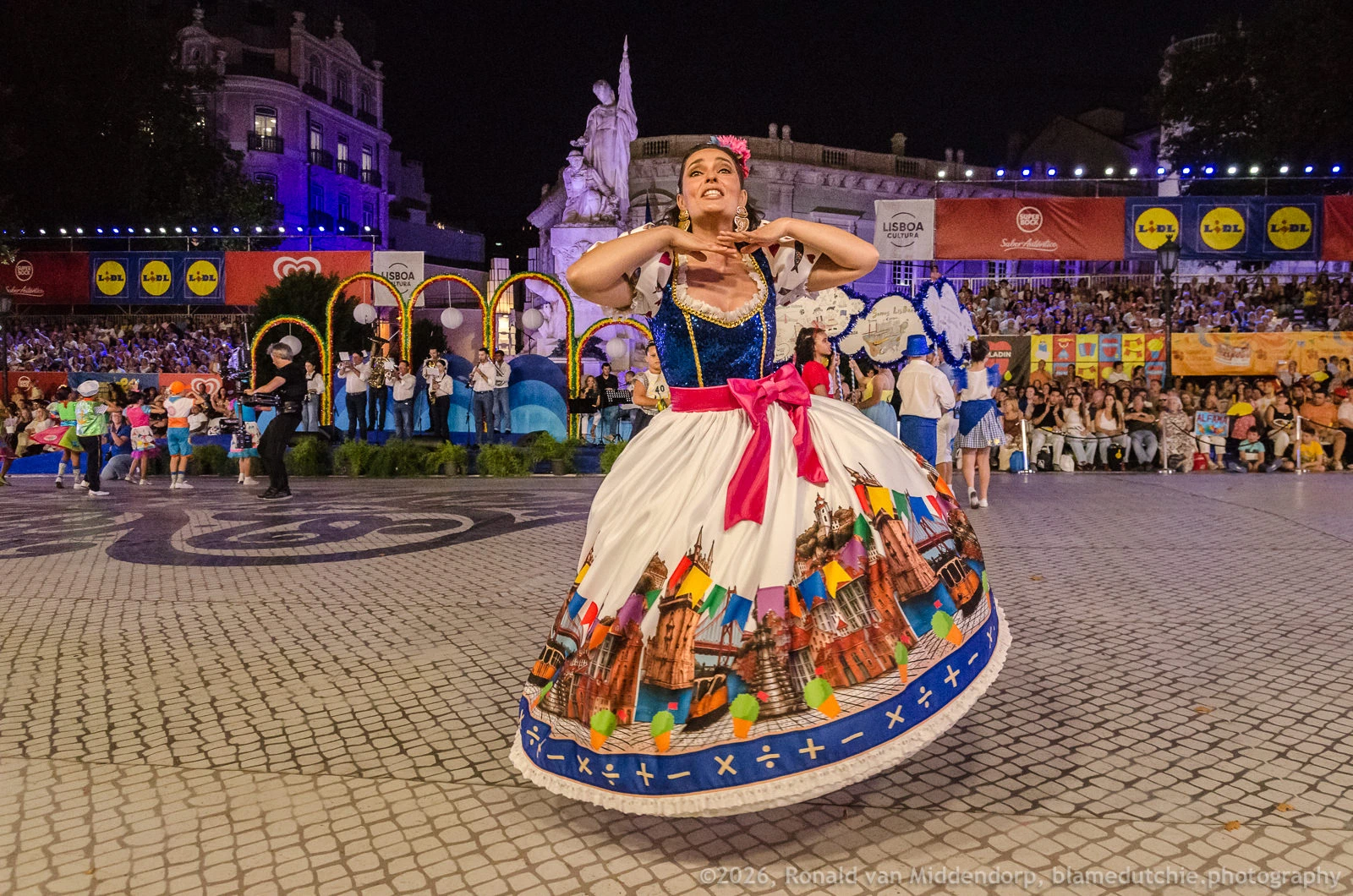
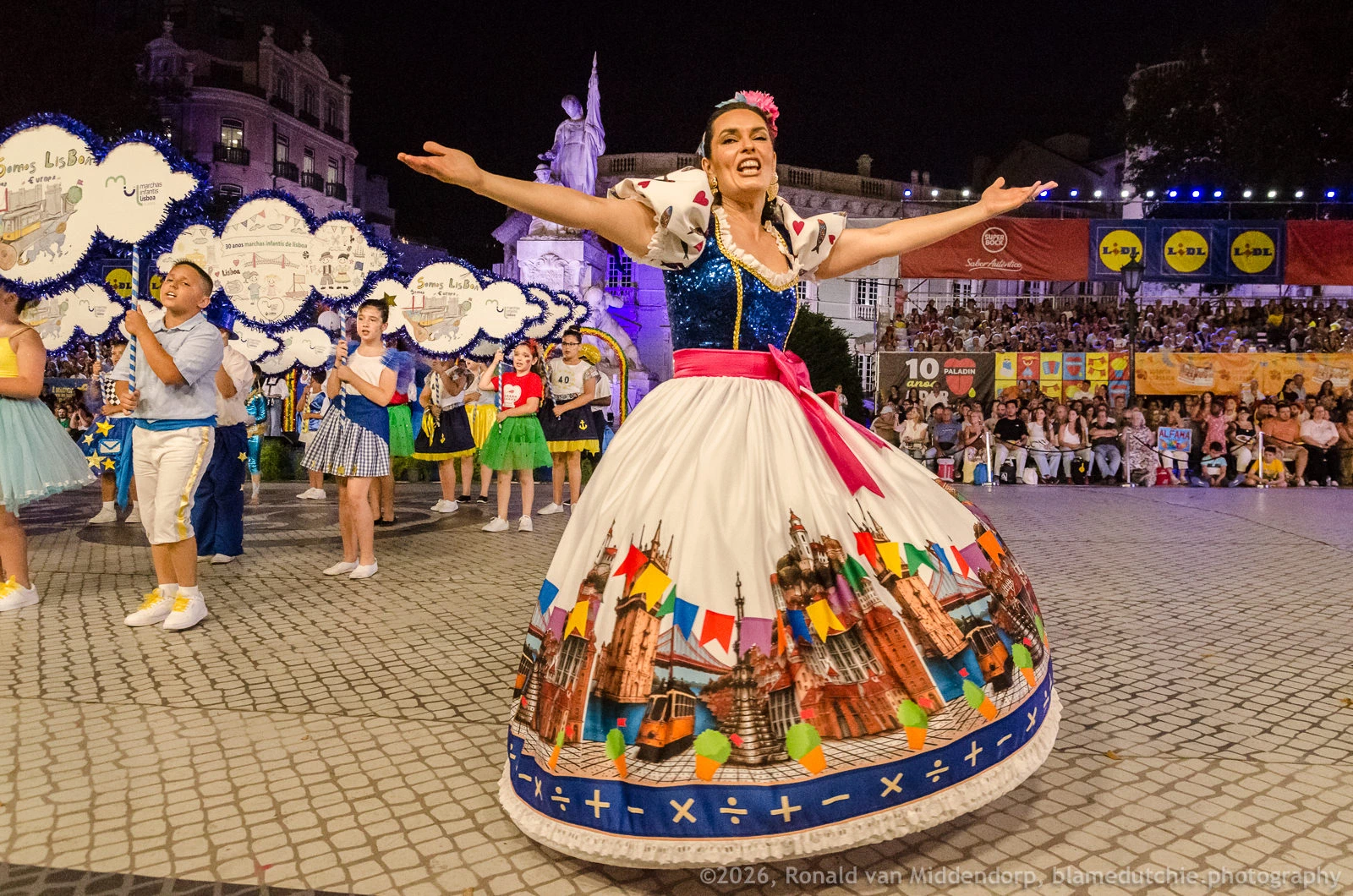
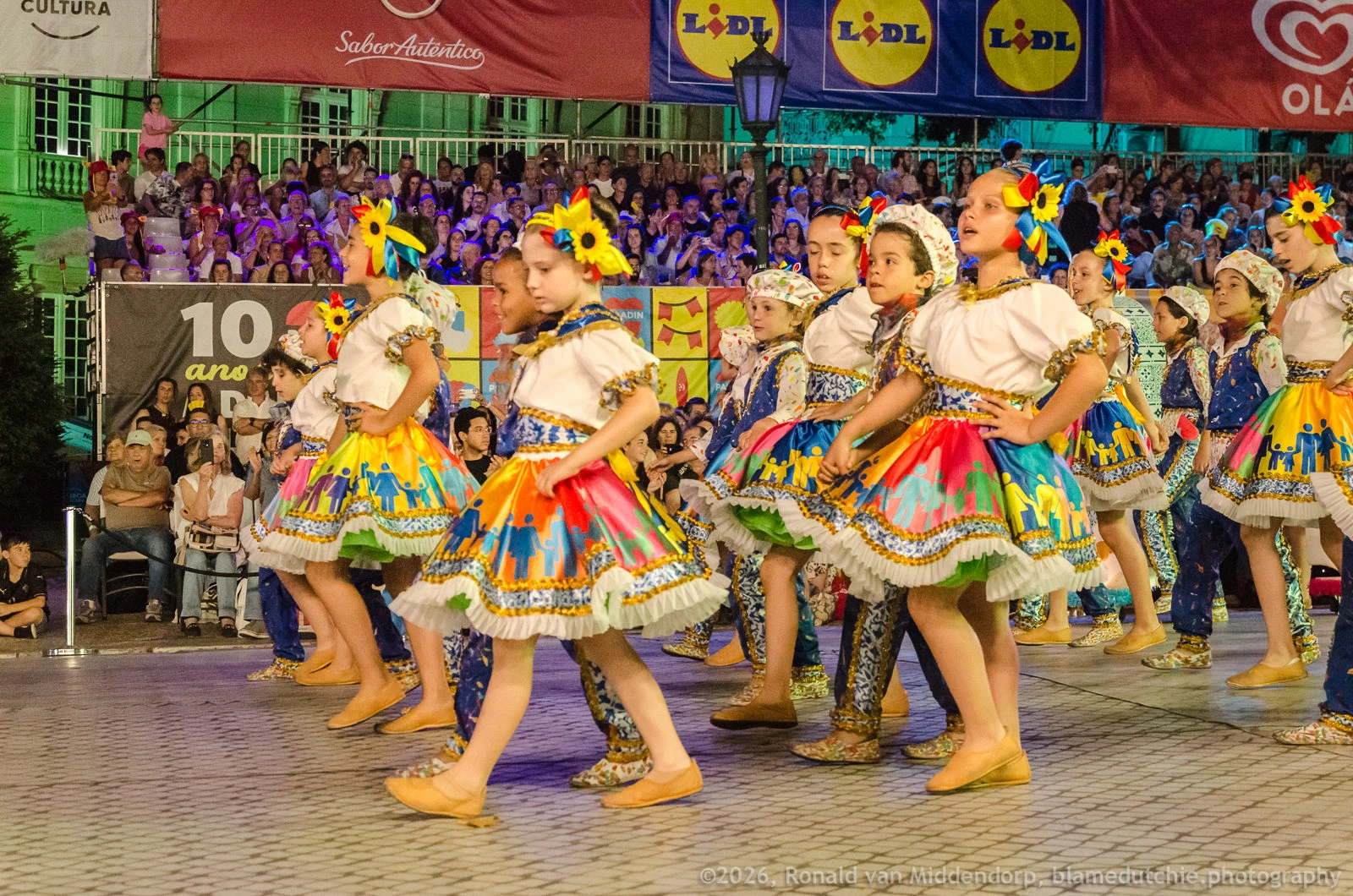
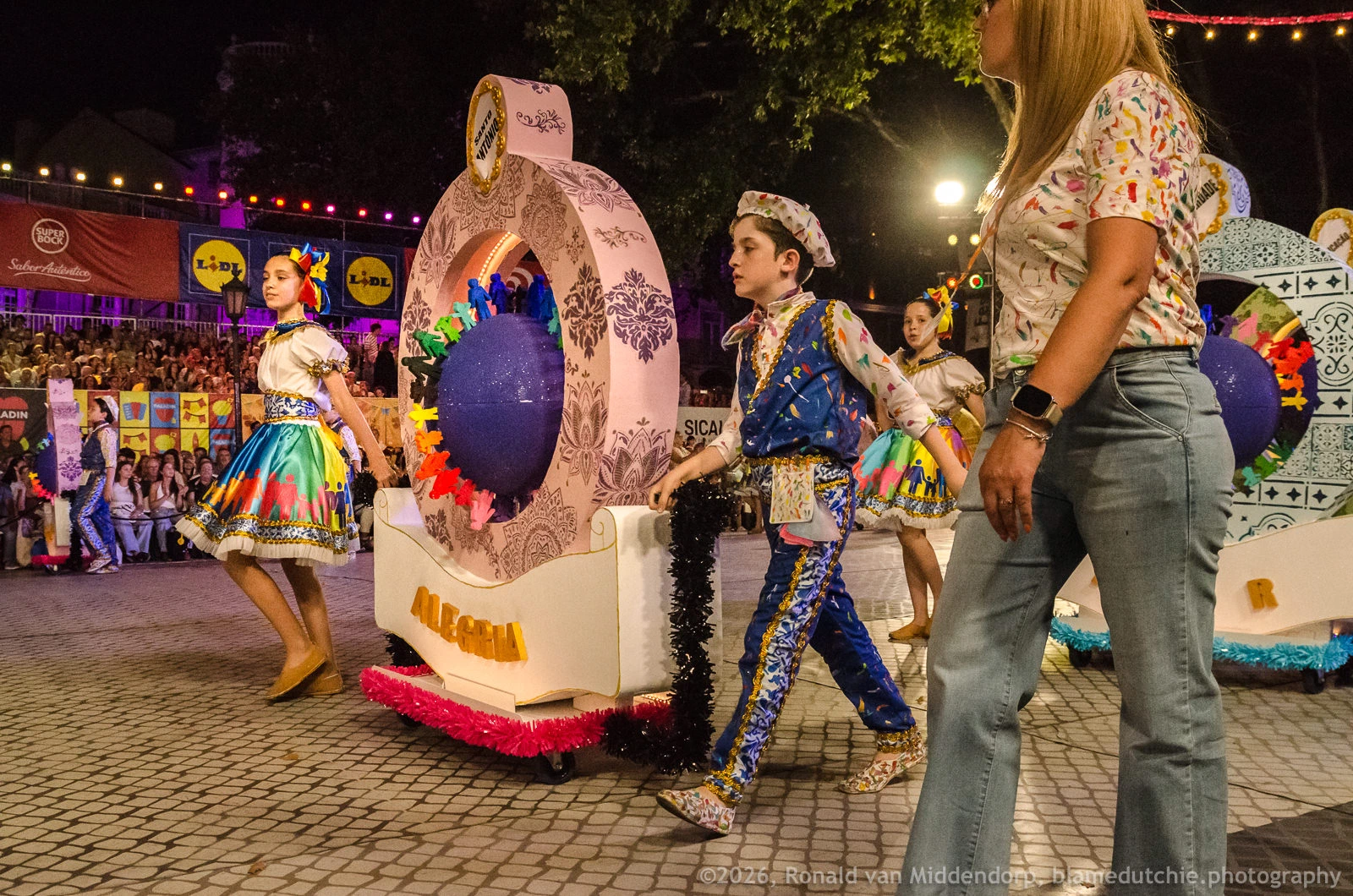
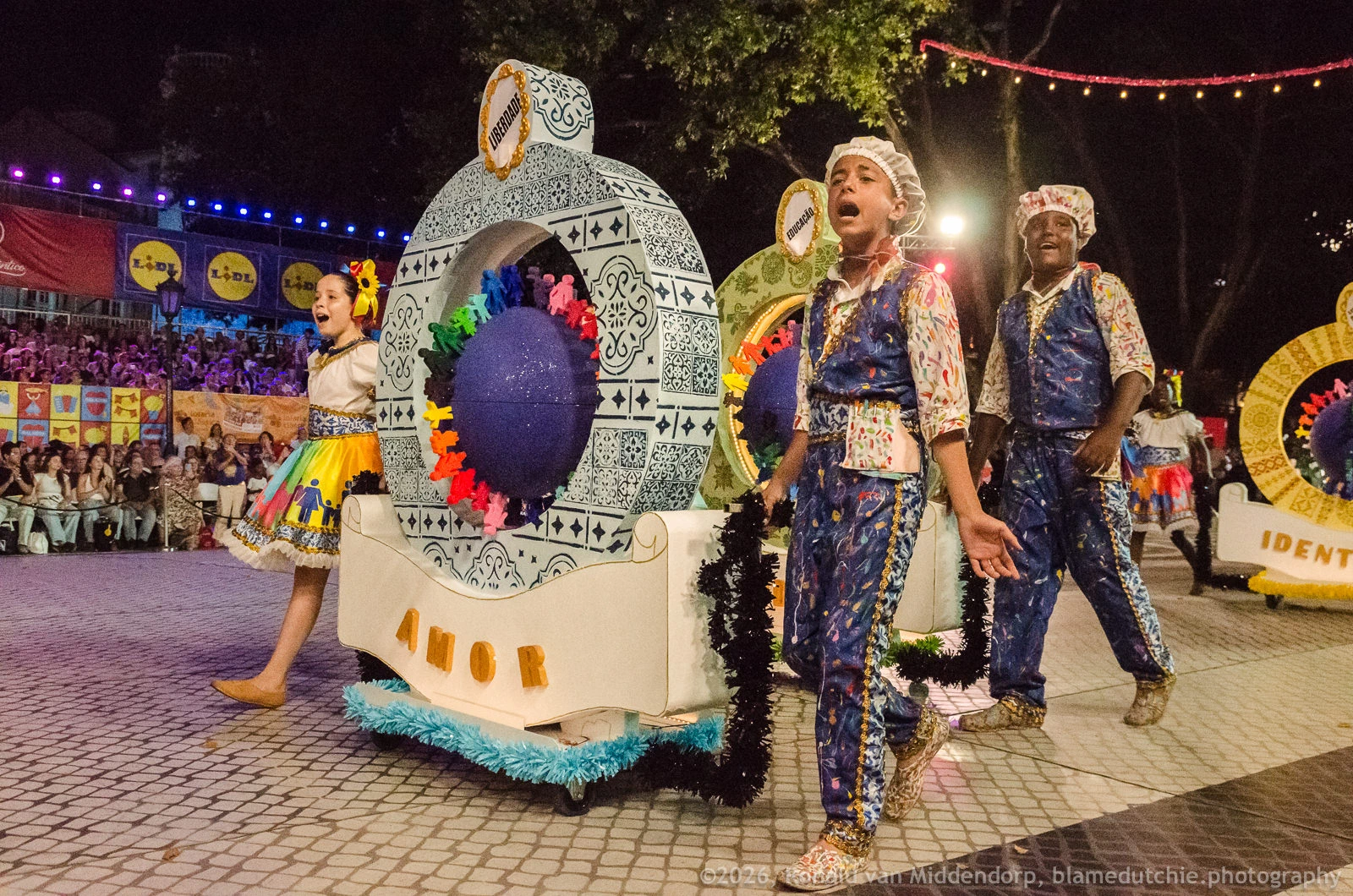
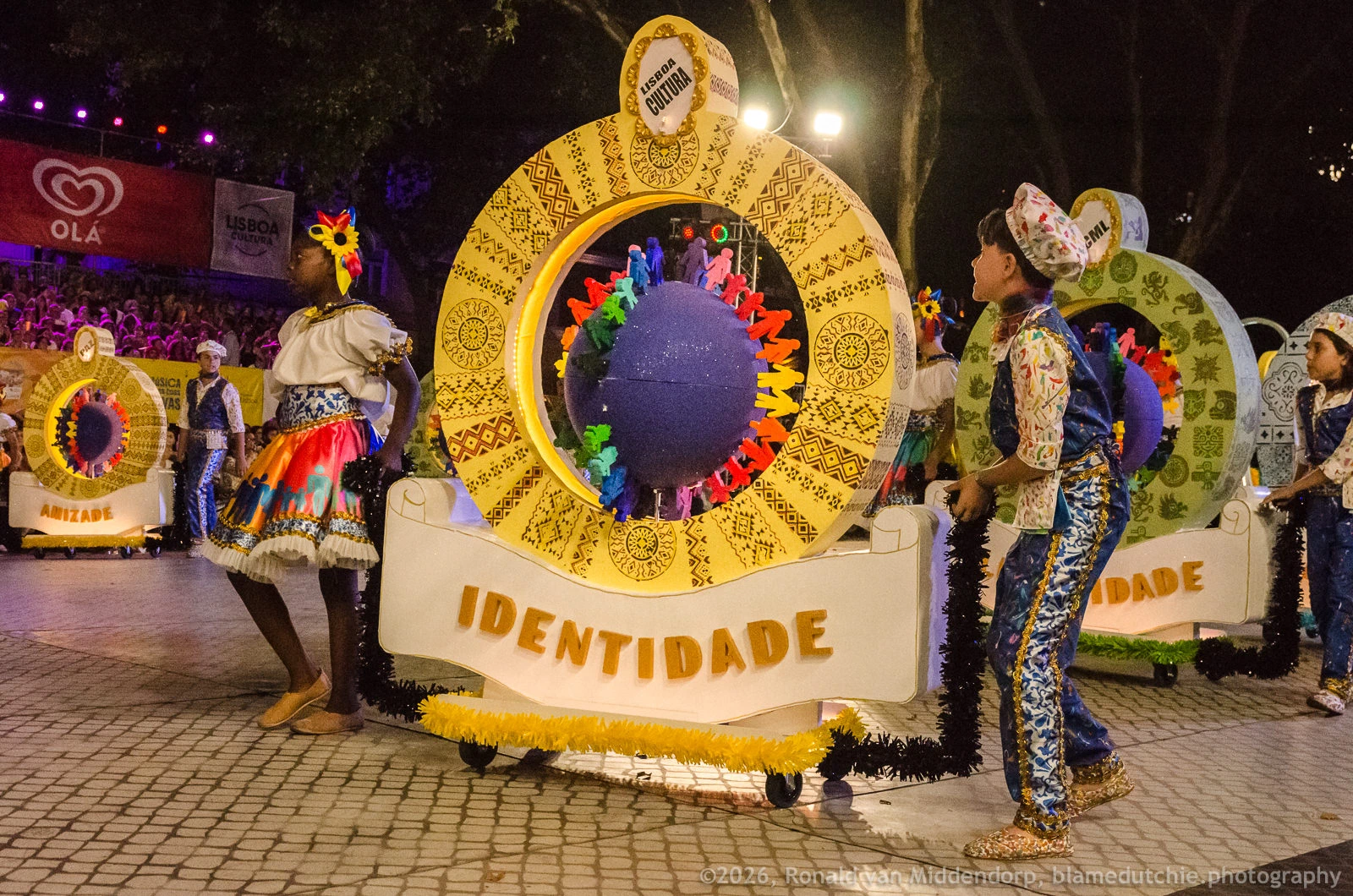
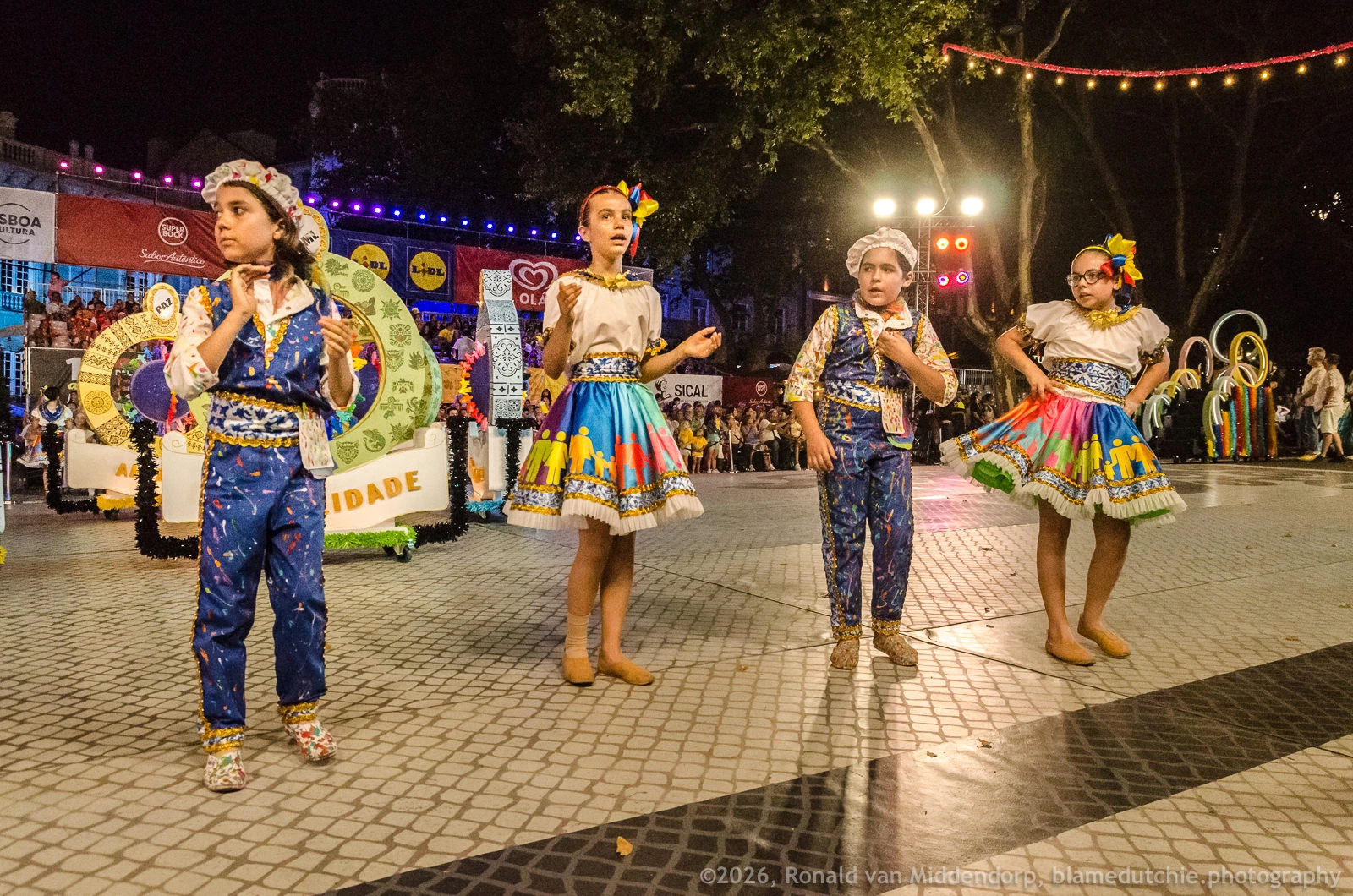
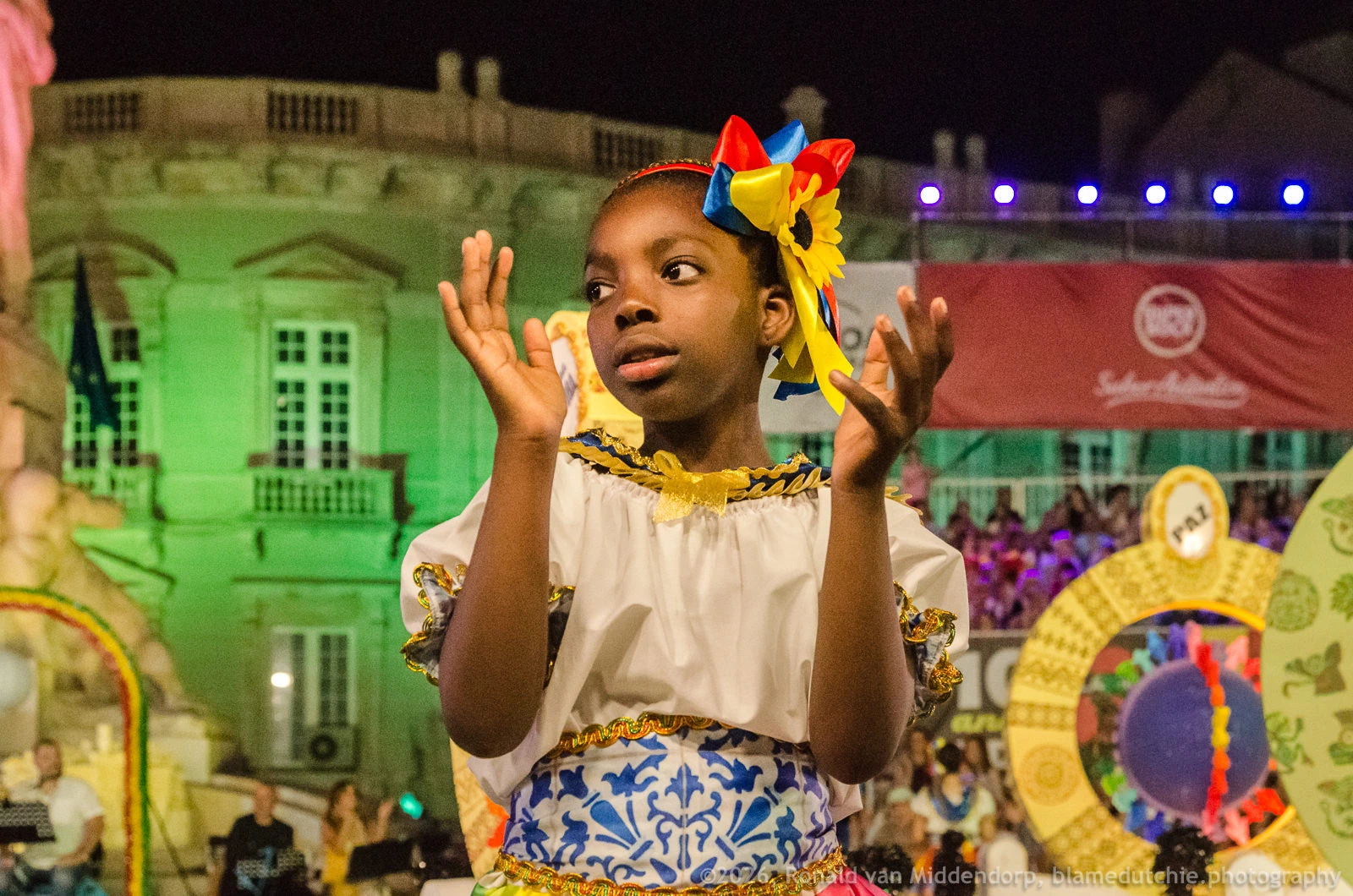
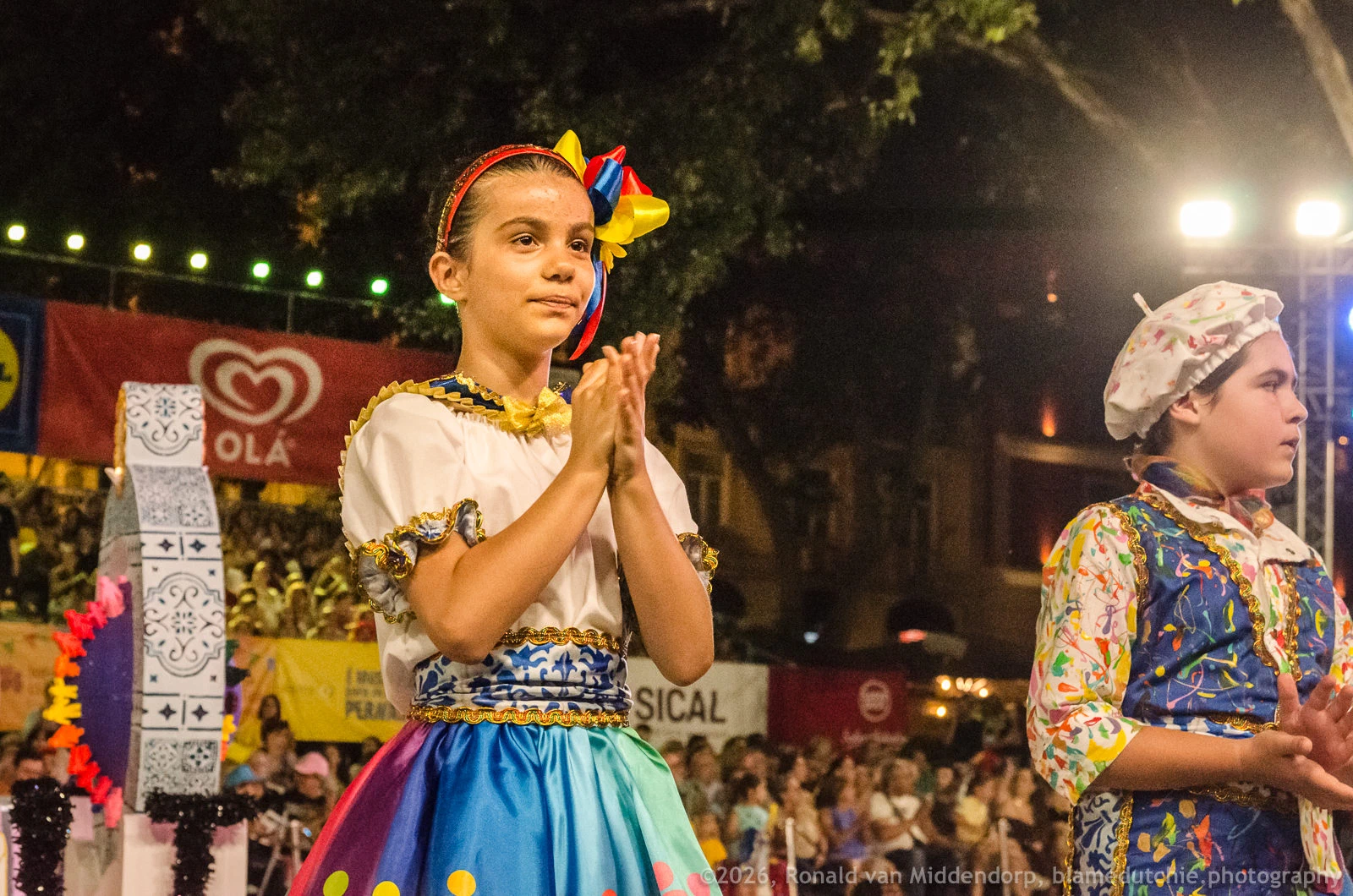
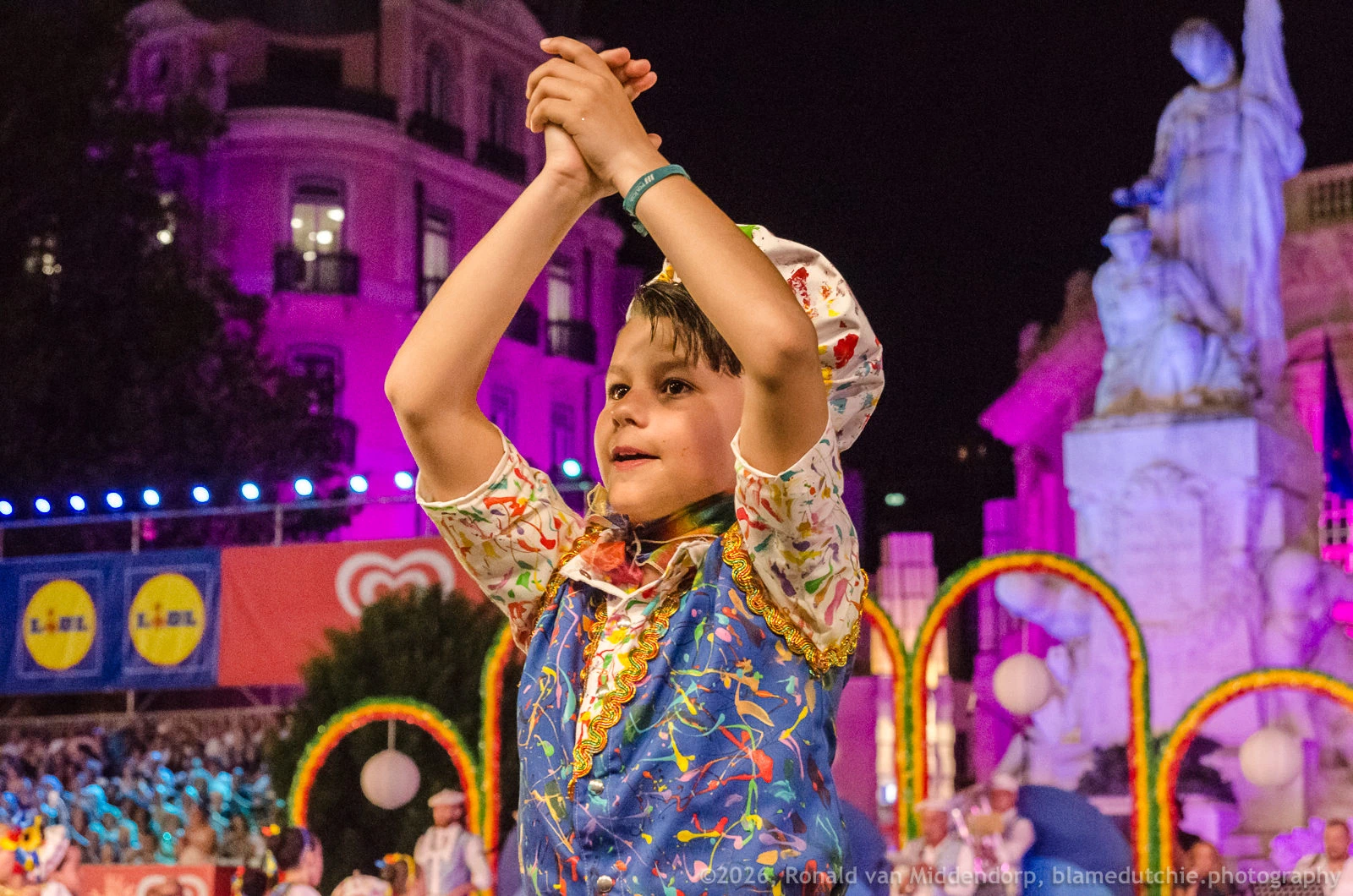
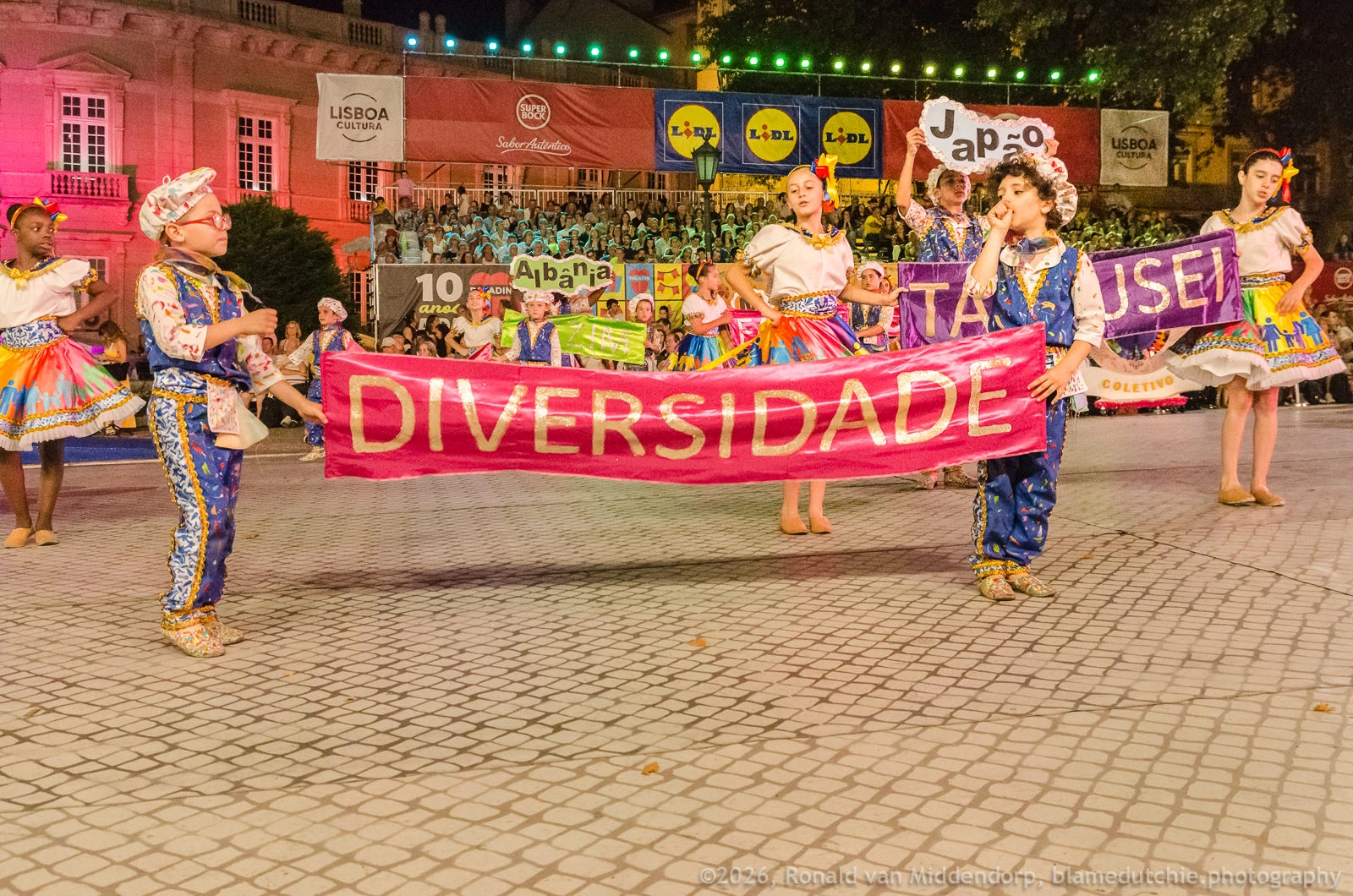
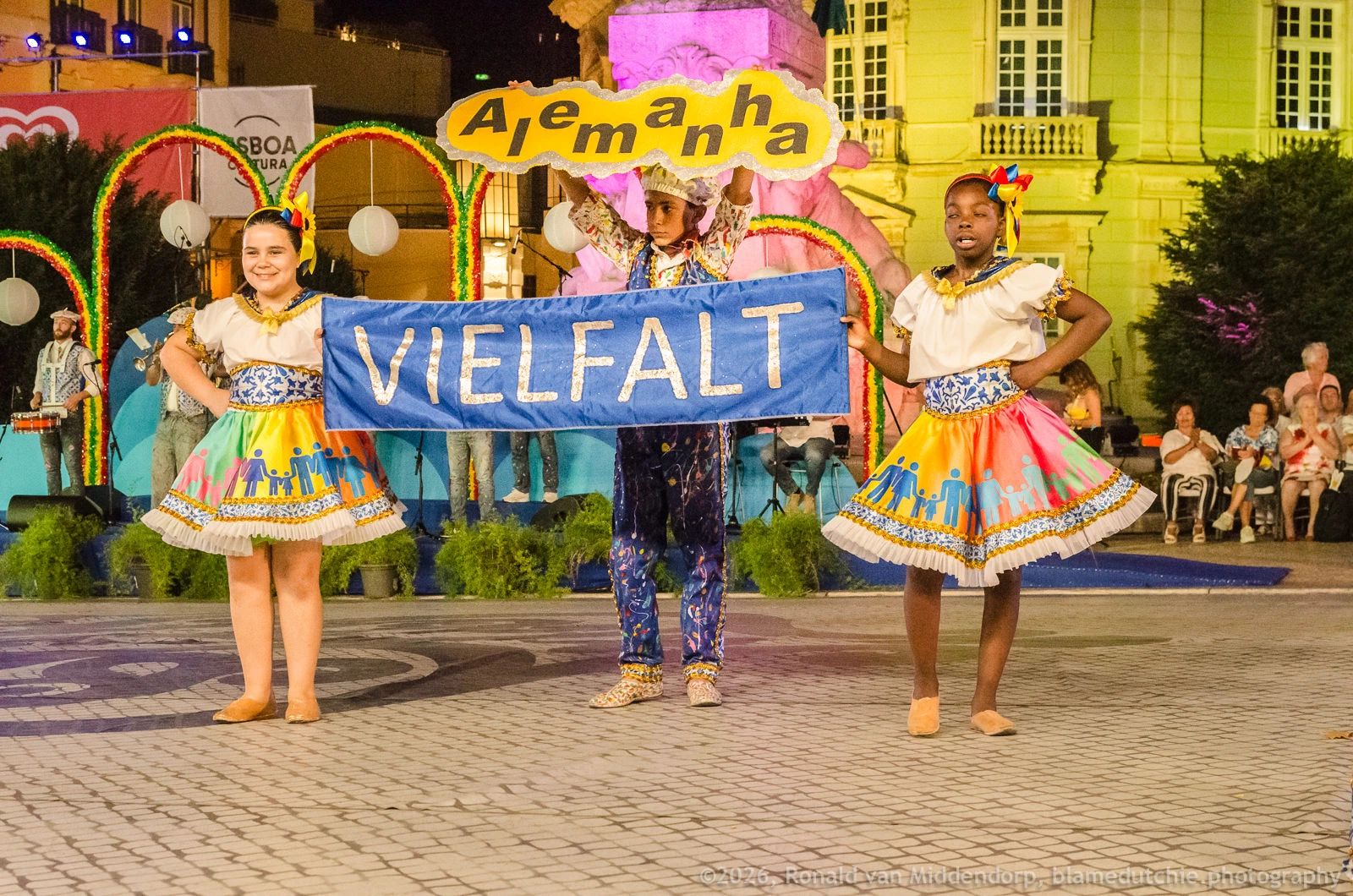
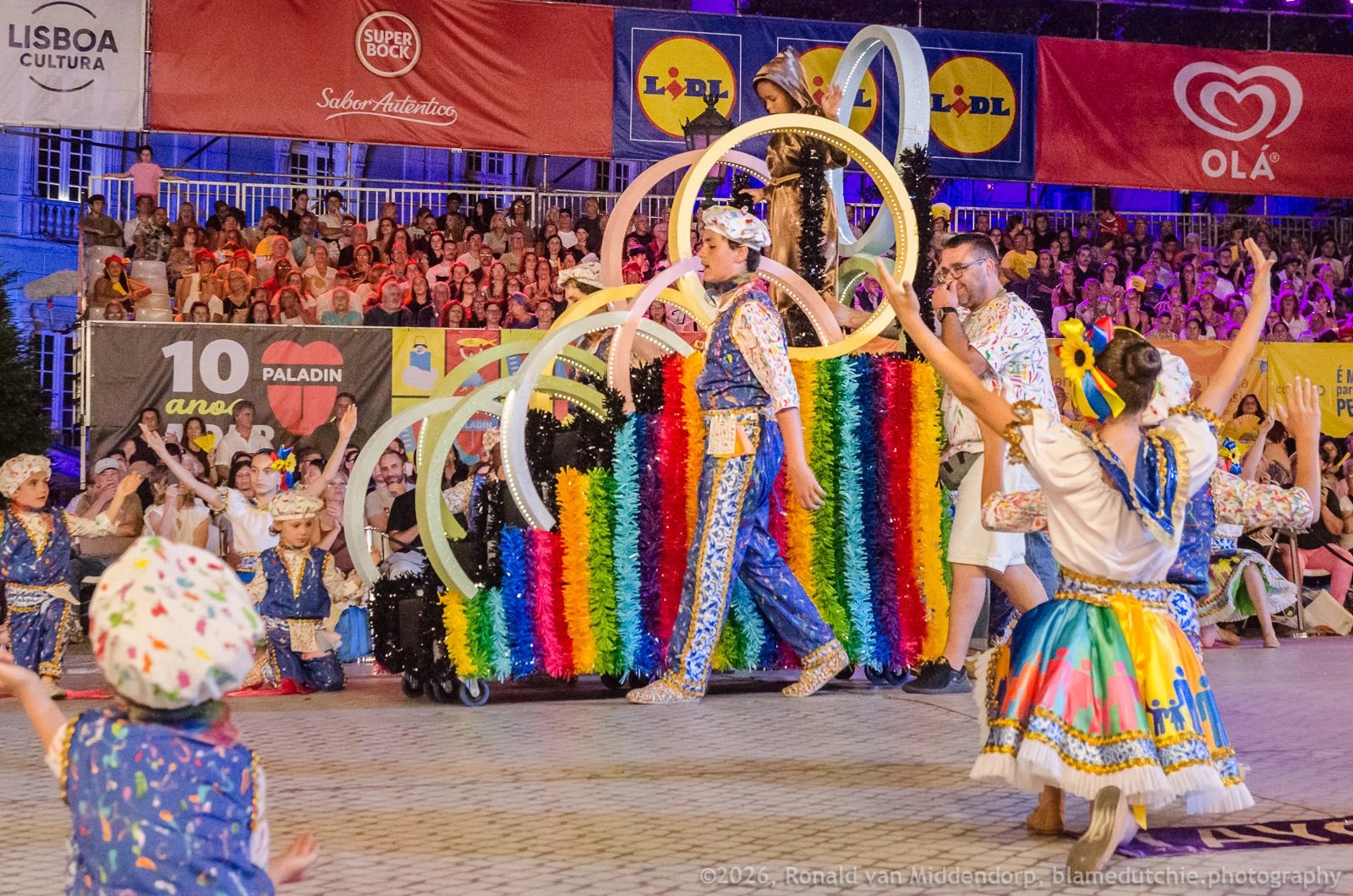
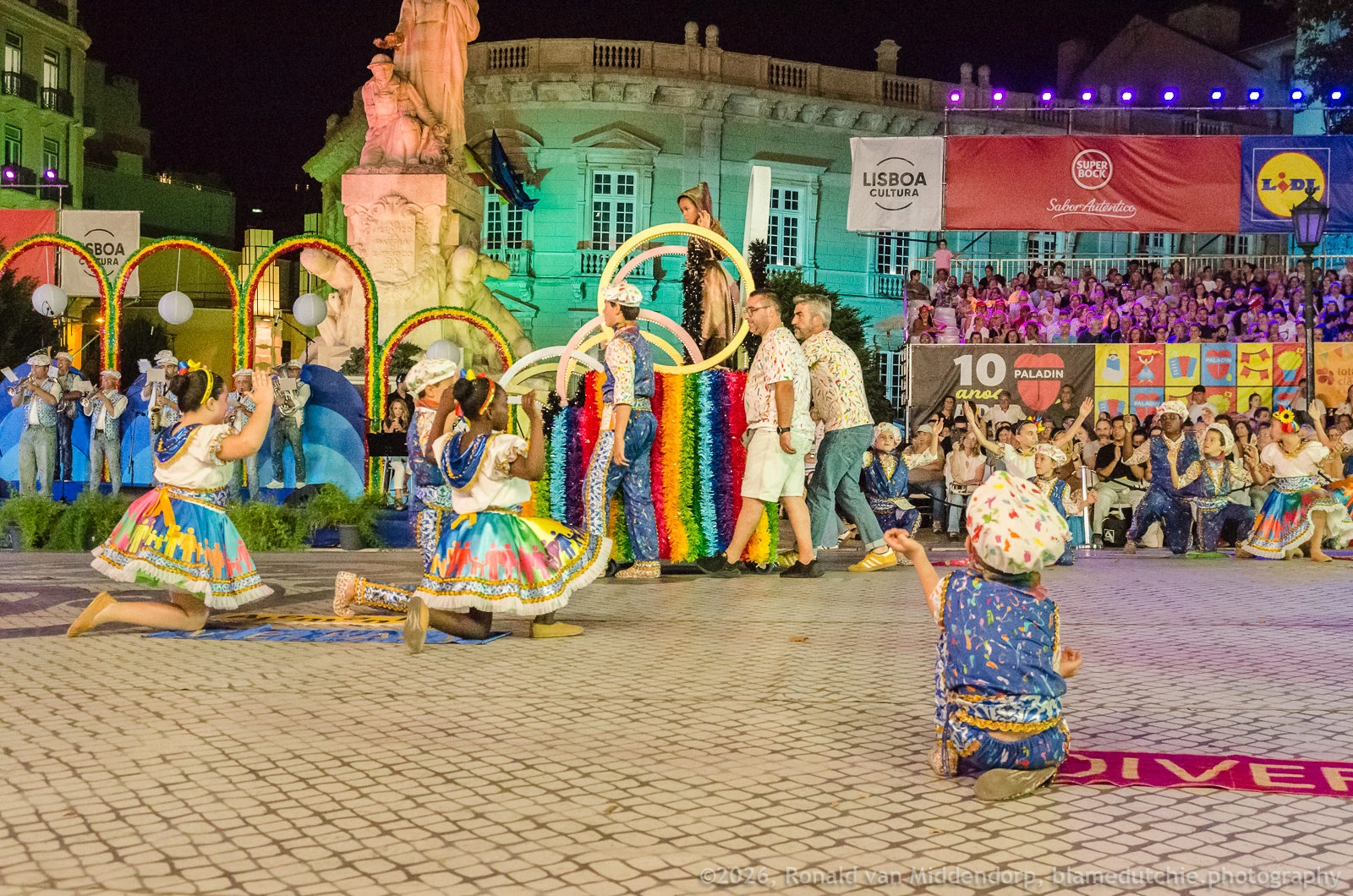
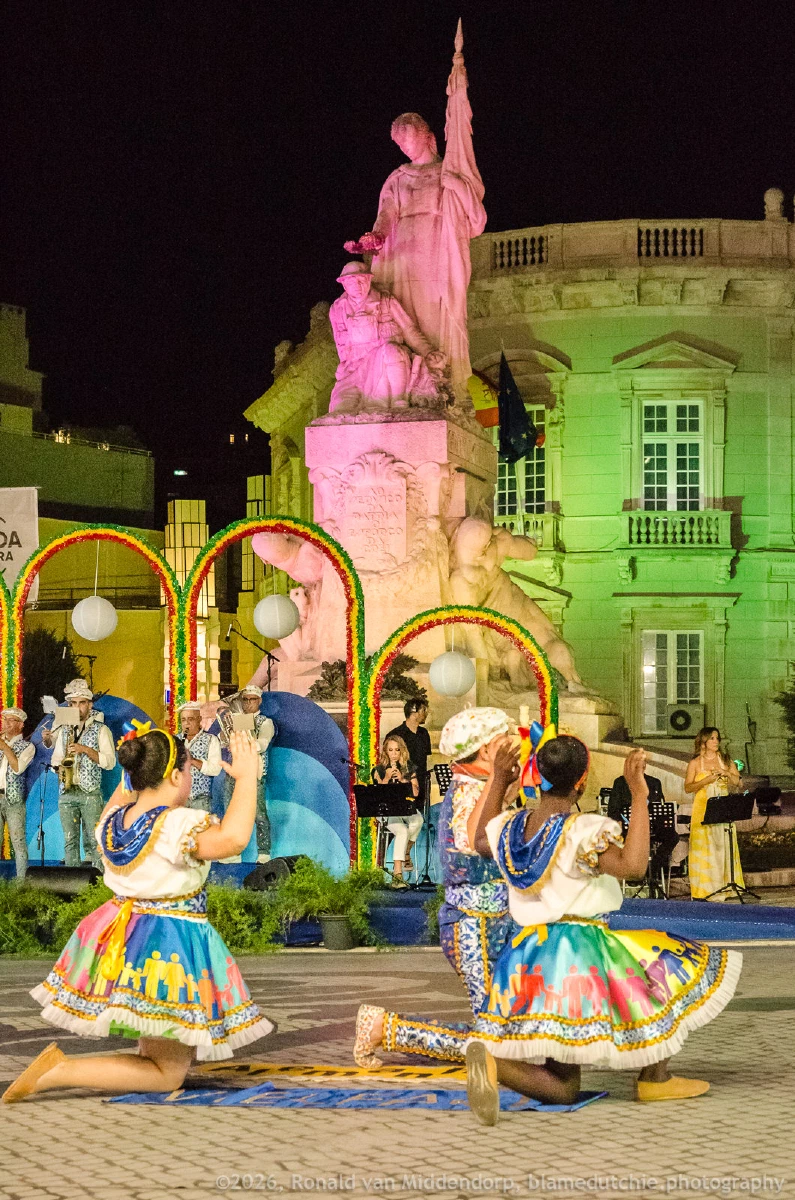
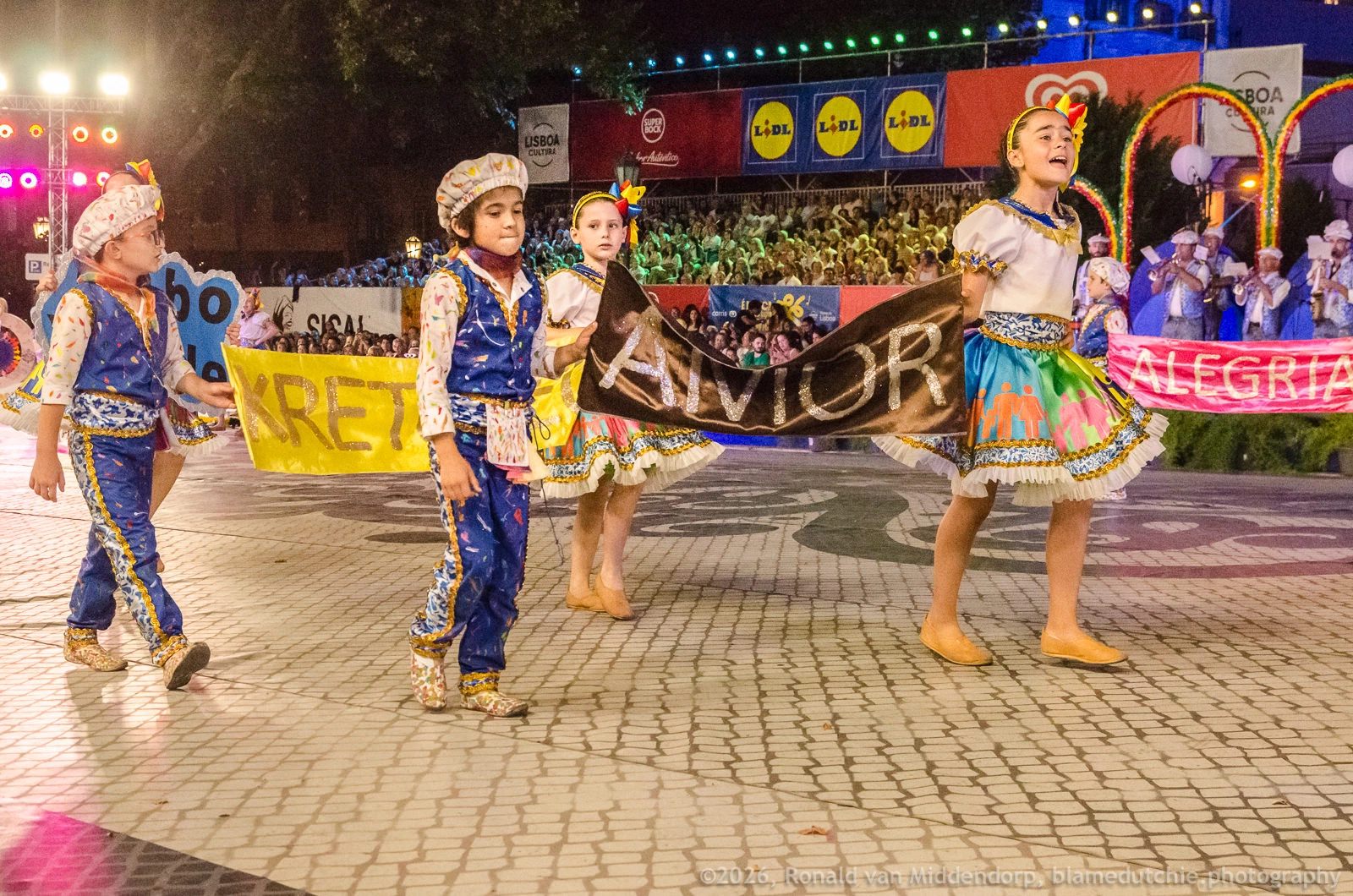
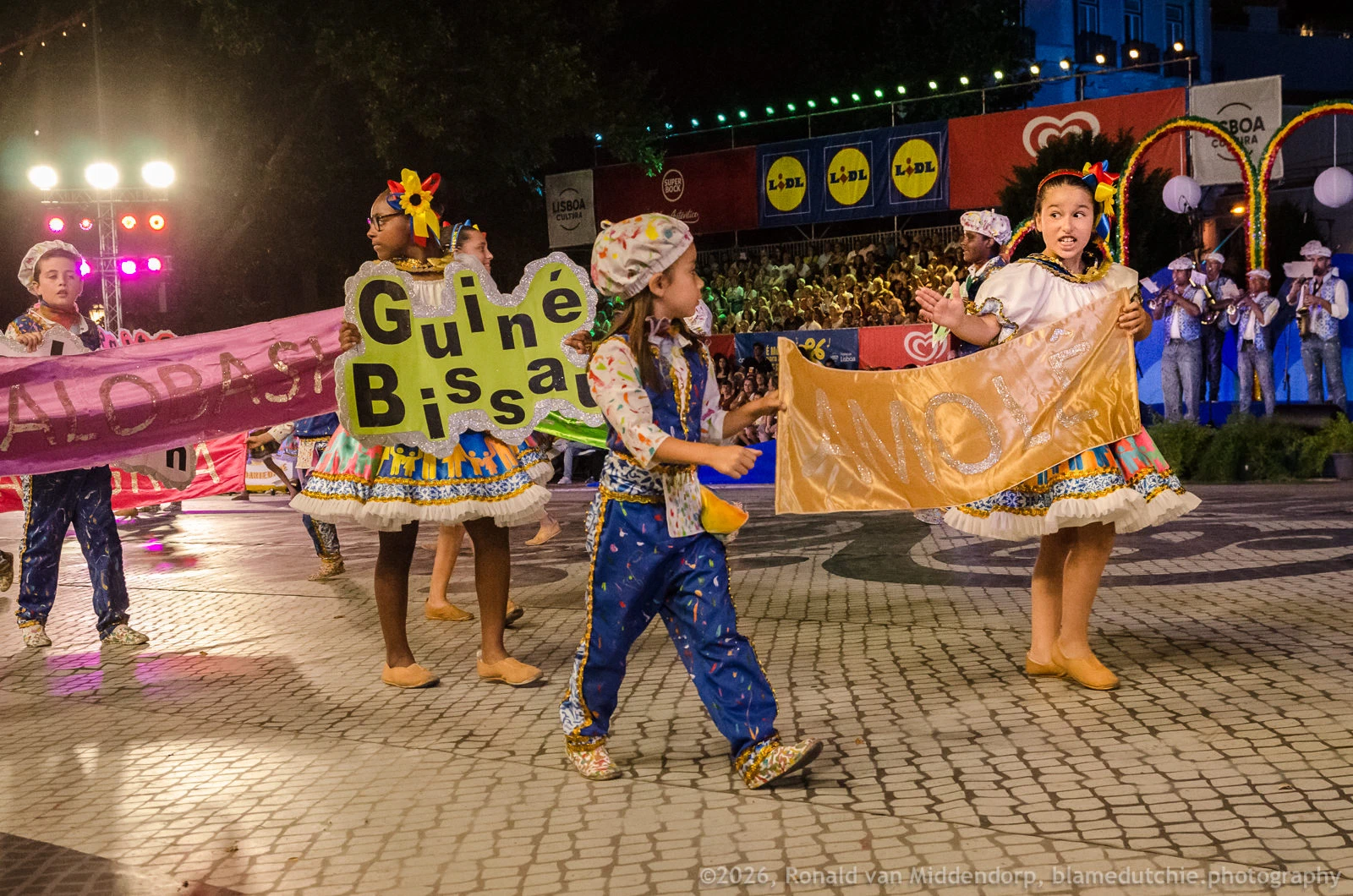
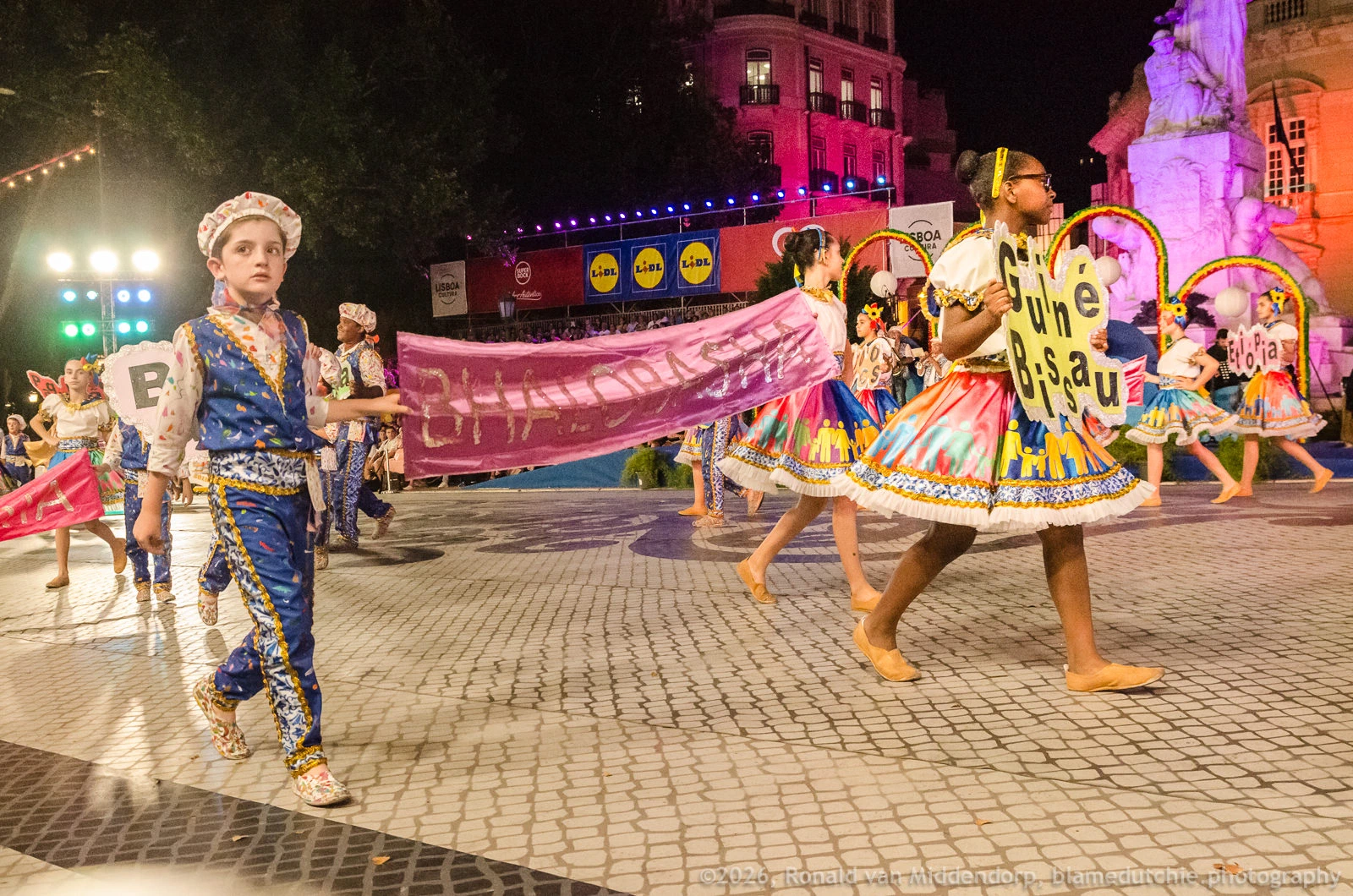
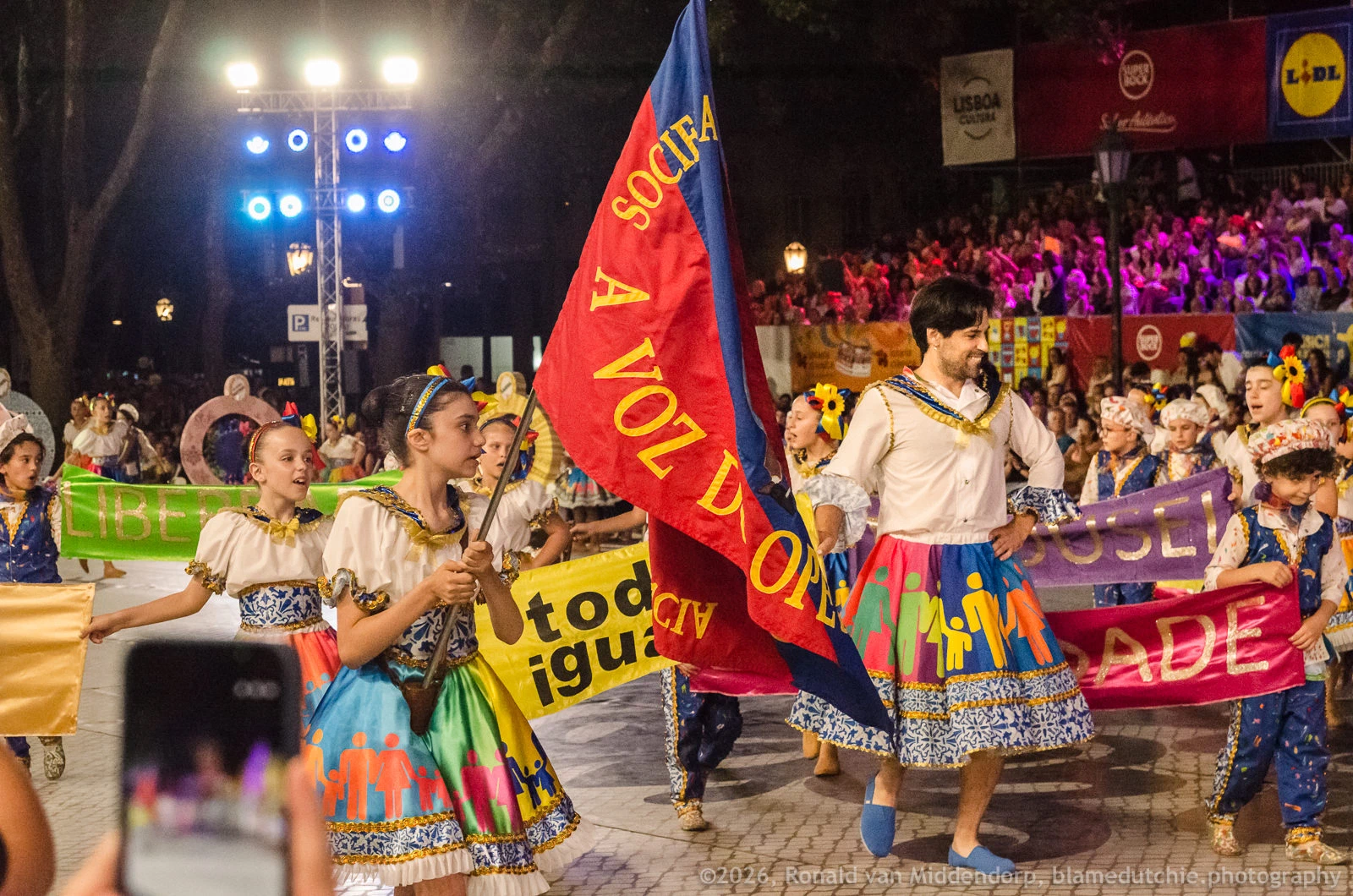
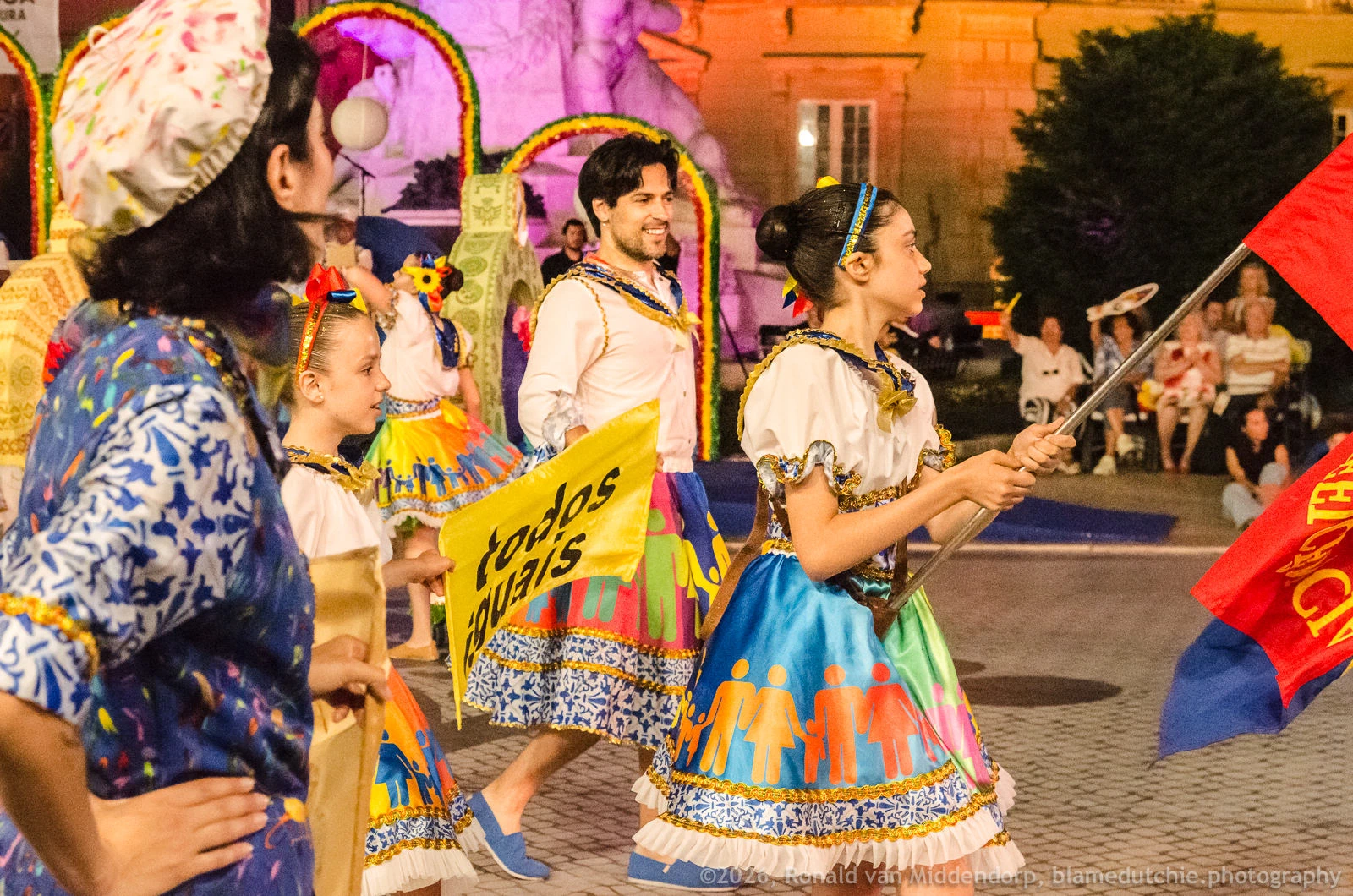
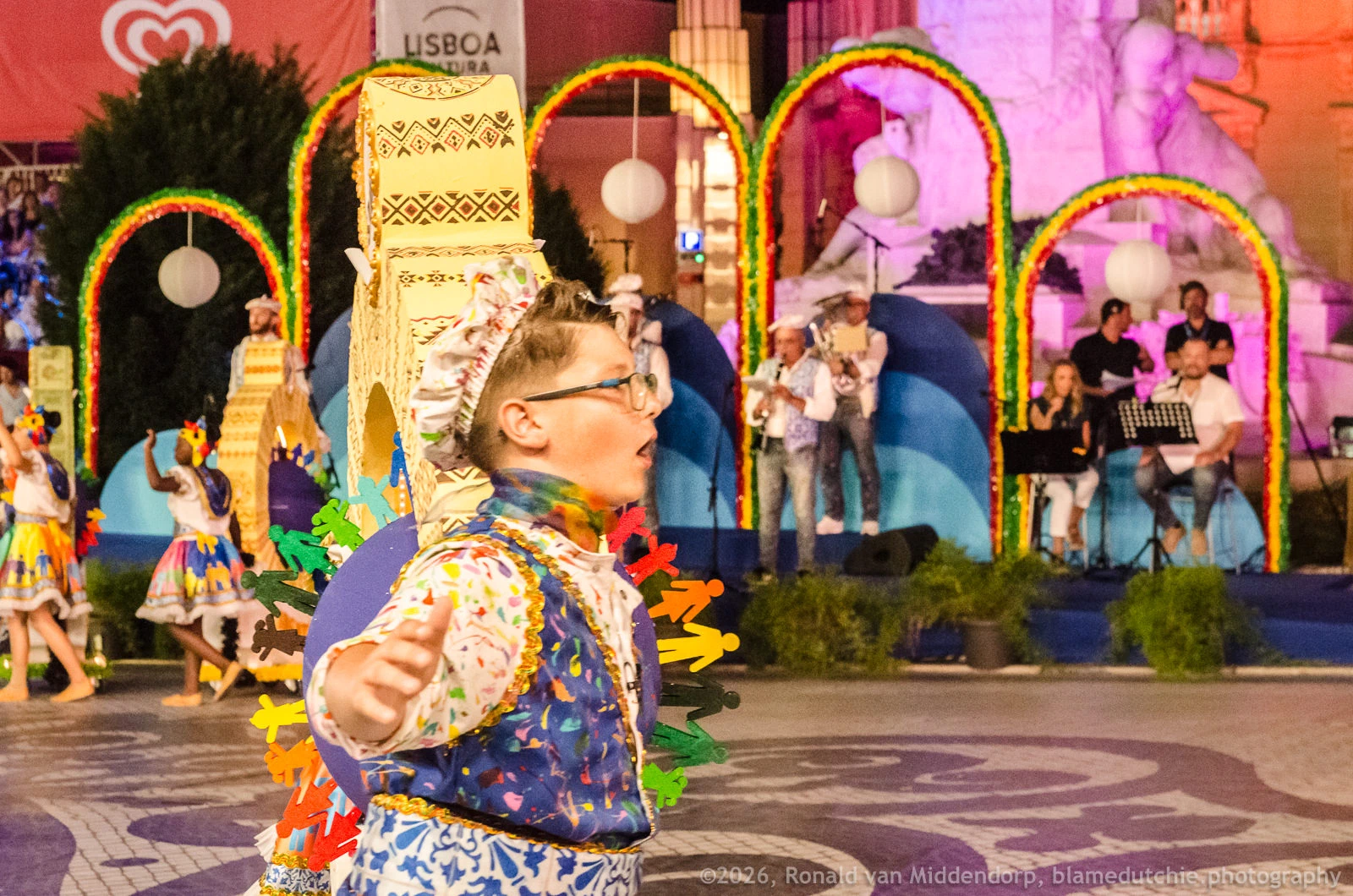
Because children want to play, the best time to teach them is while they are young and playful. Teach them about togetherness, the place they live and are part of.
Teach them well
Teach them about belonging to a group, to identify with it. About diversity and a voice for everyone. How to be a good and valuable citizen with a proper education.
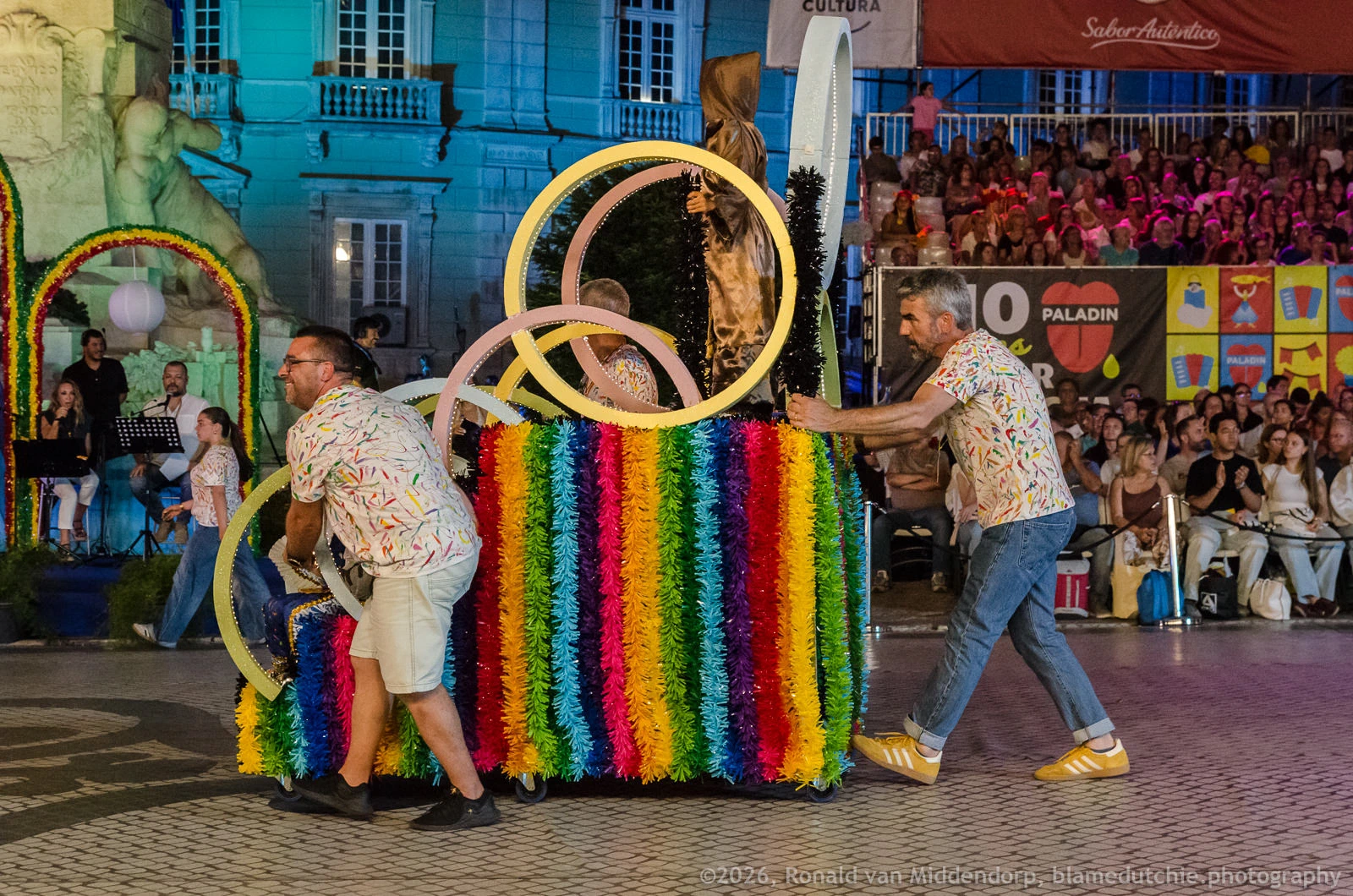
The holiness and the markets
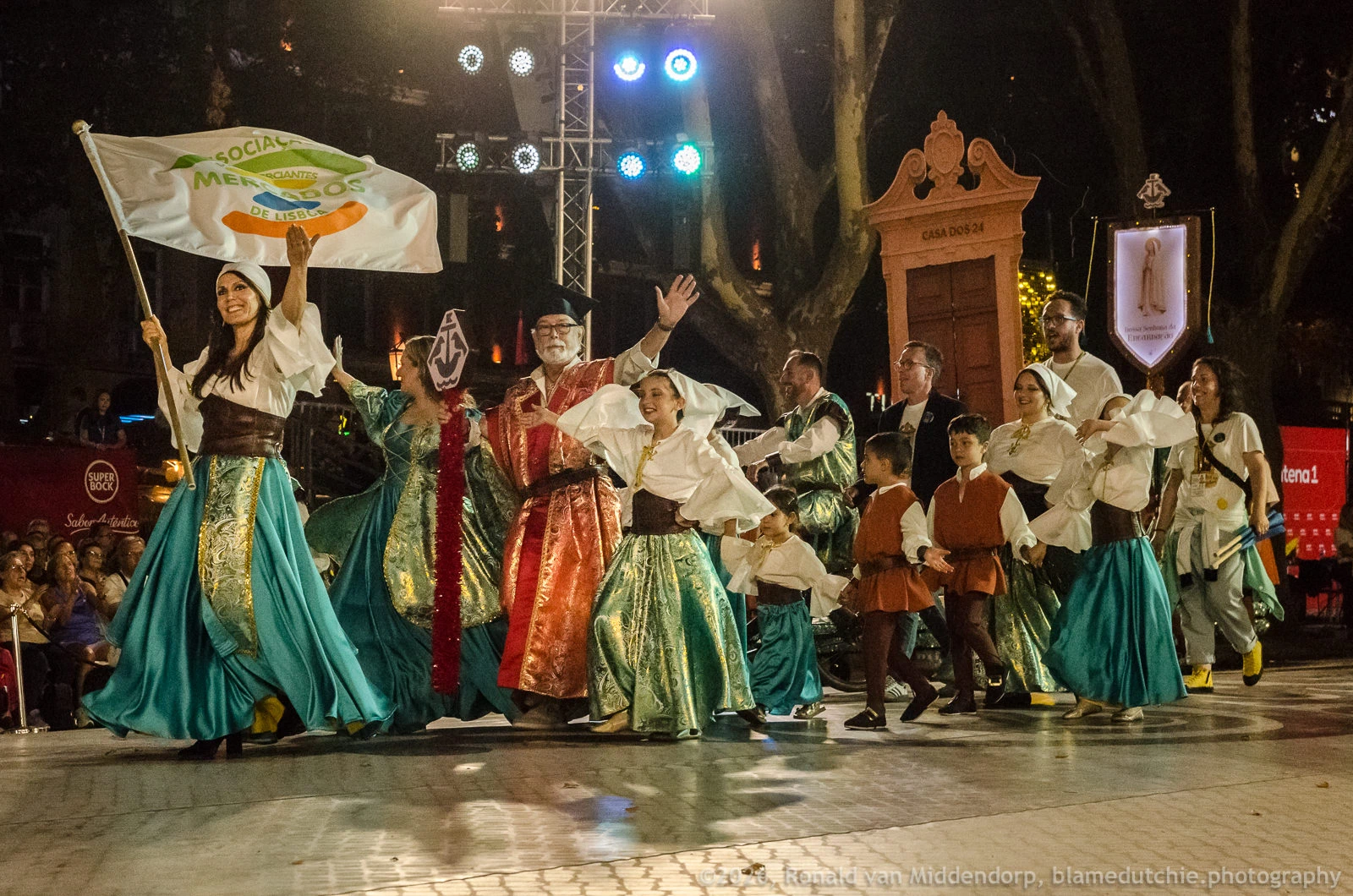
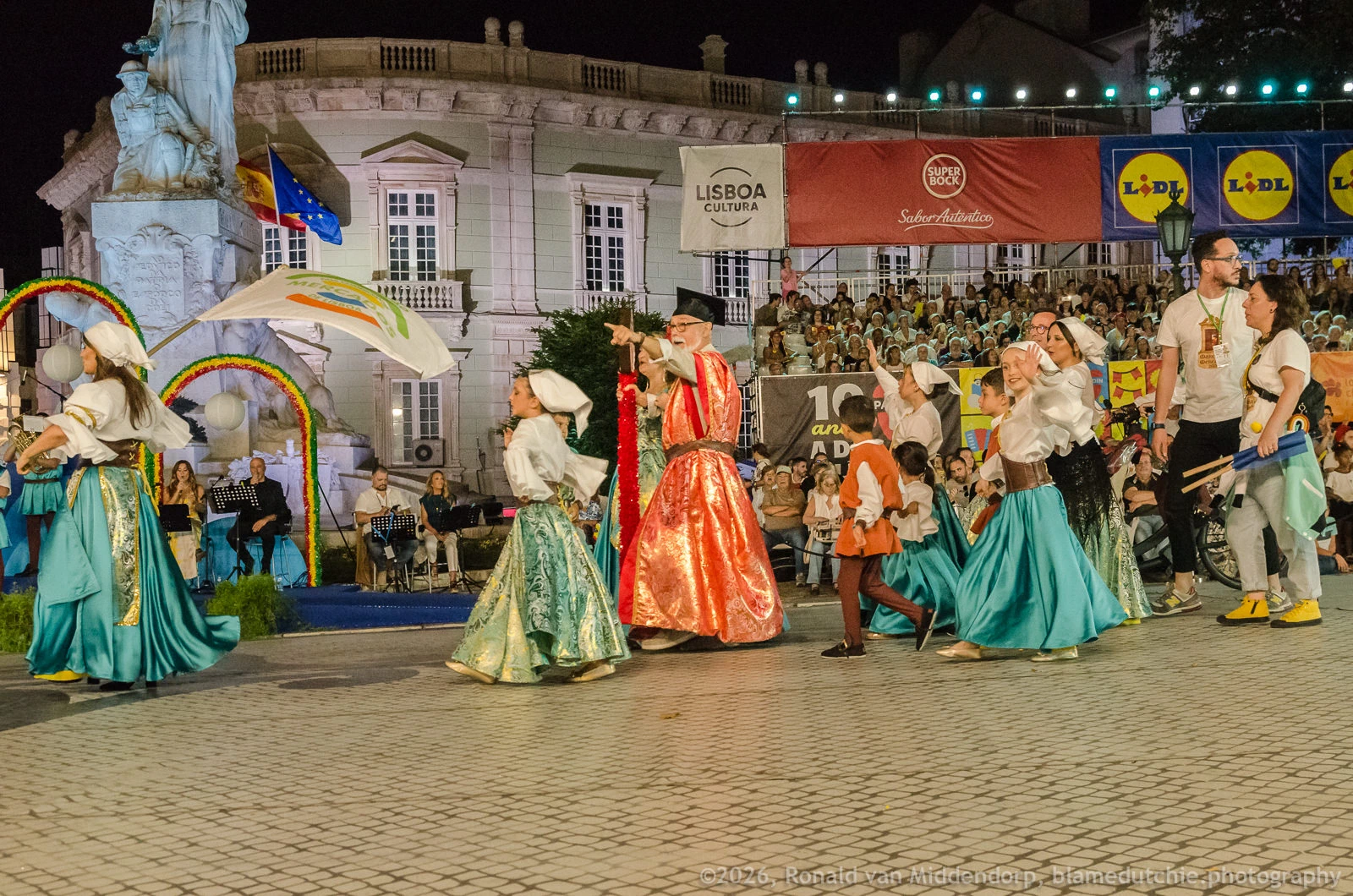
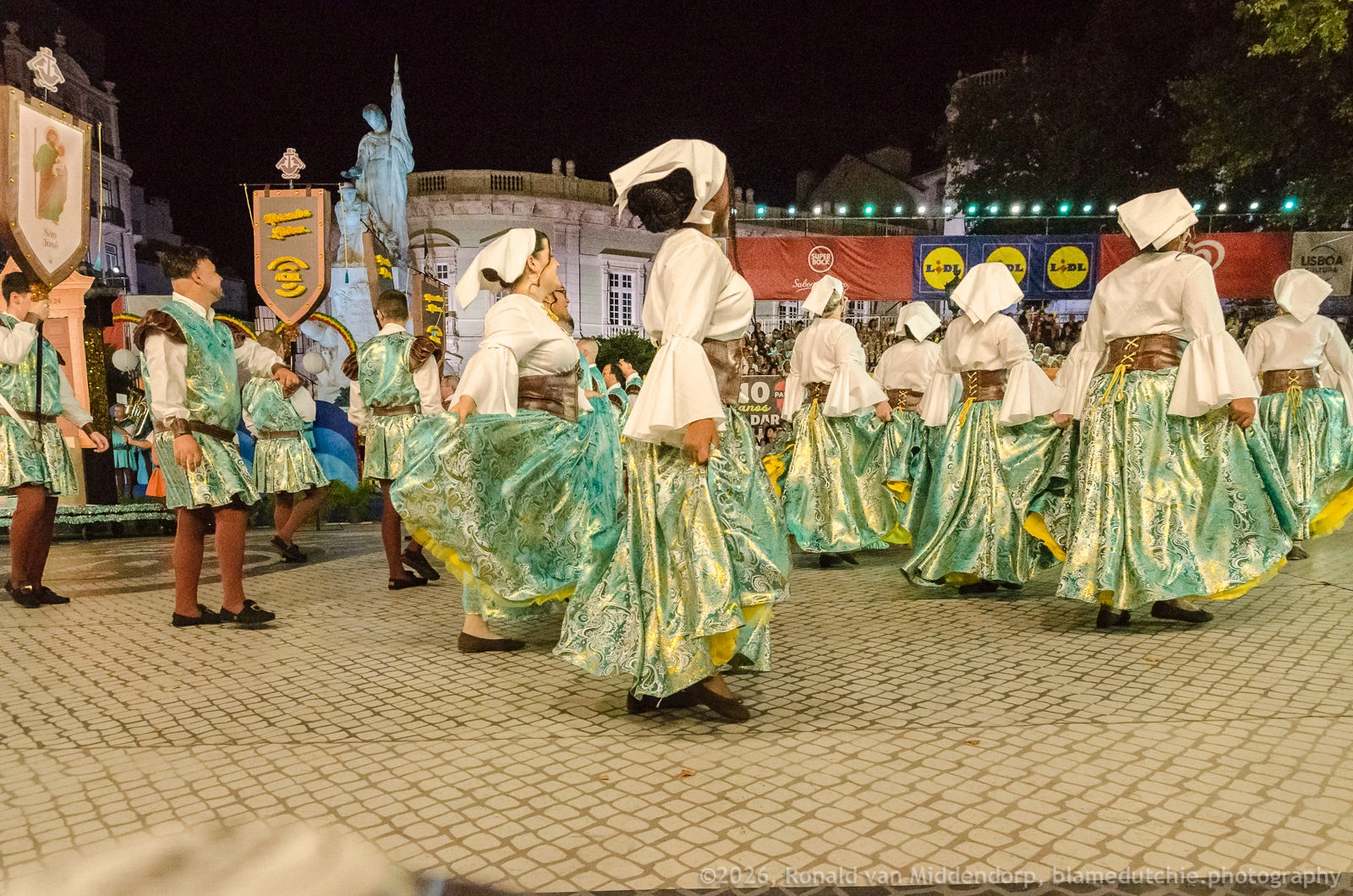
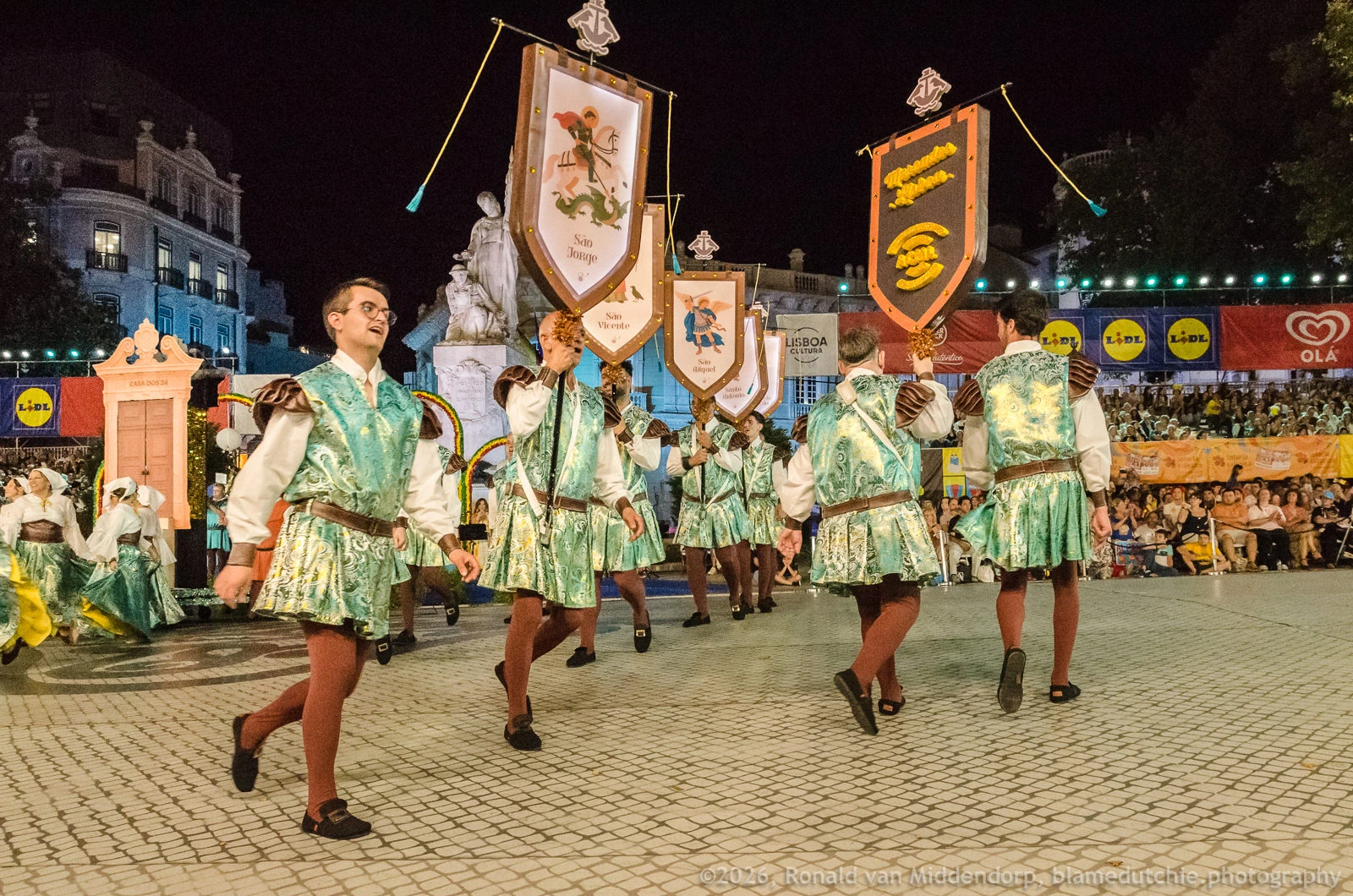
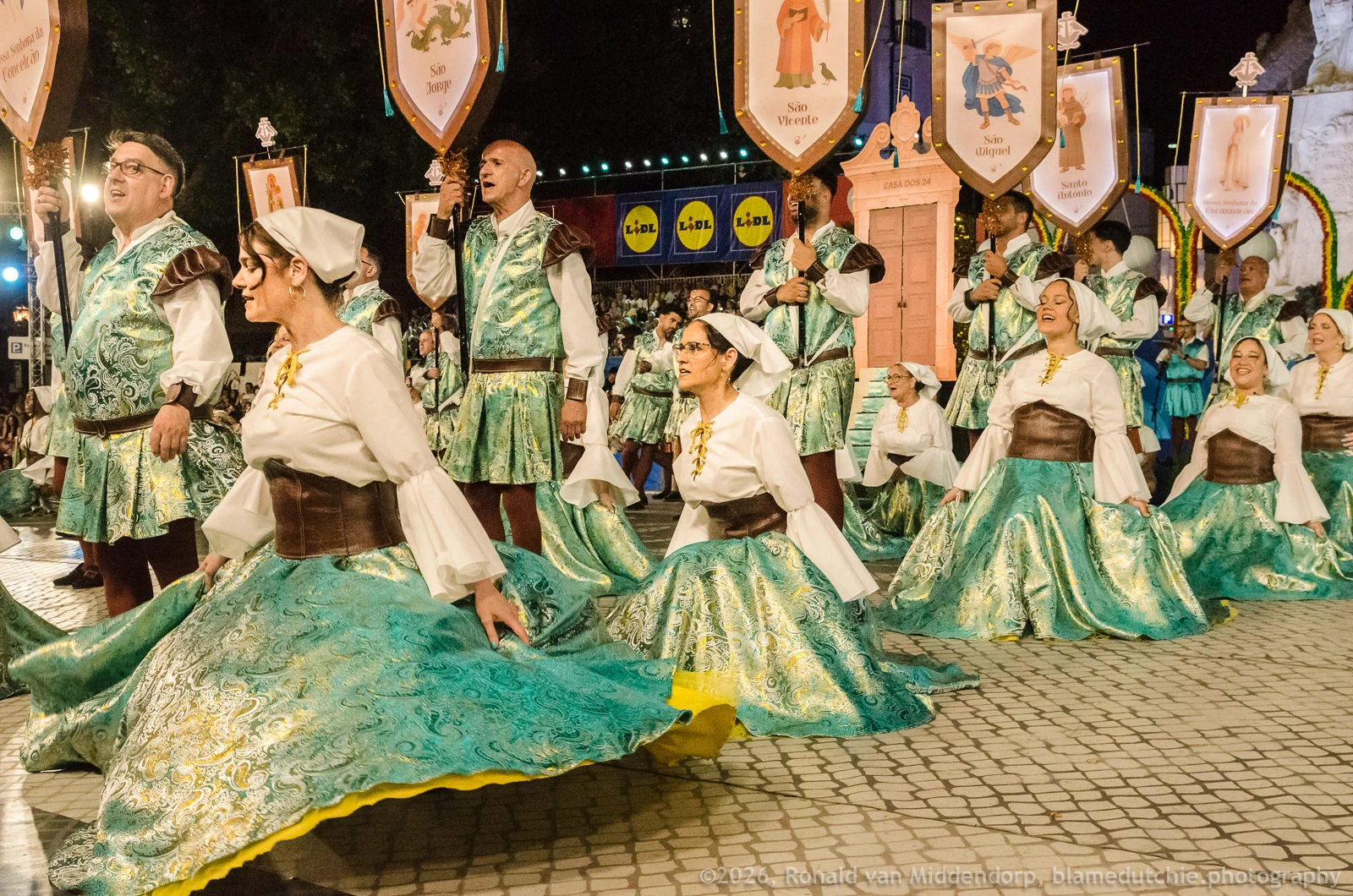
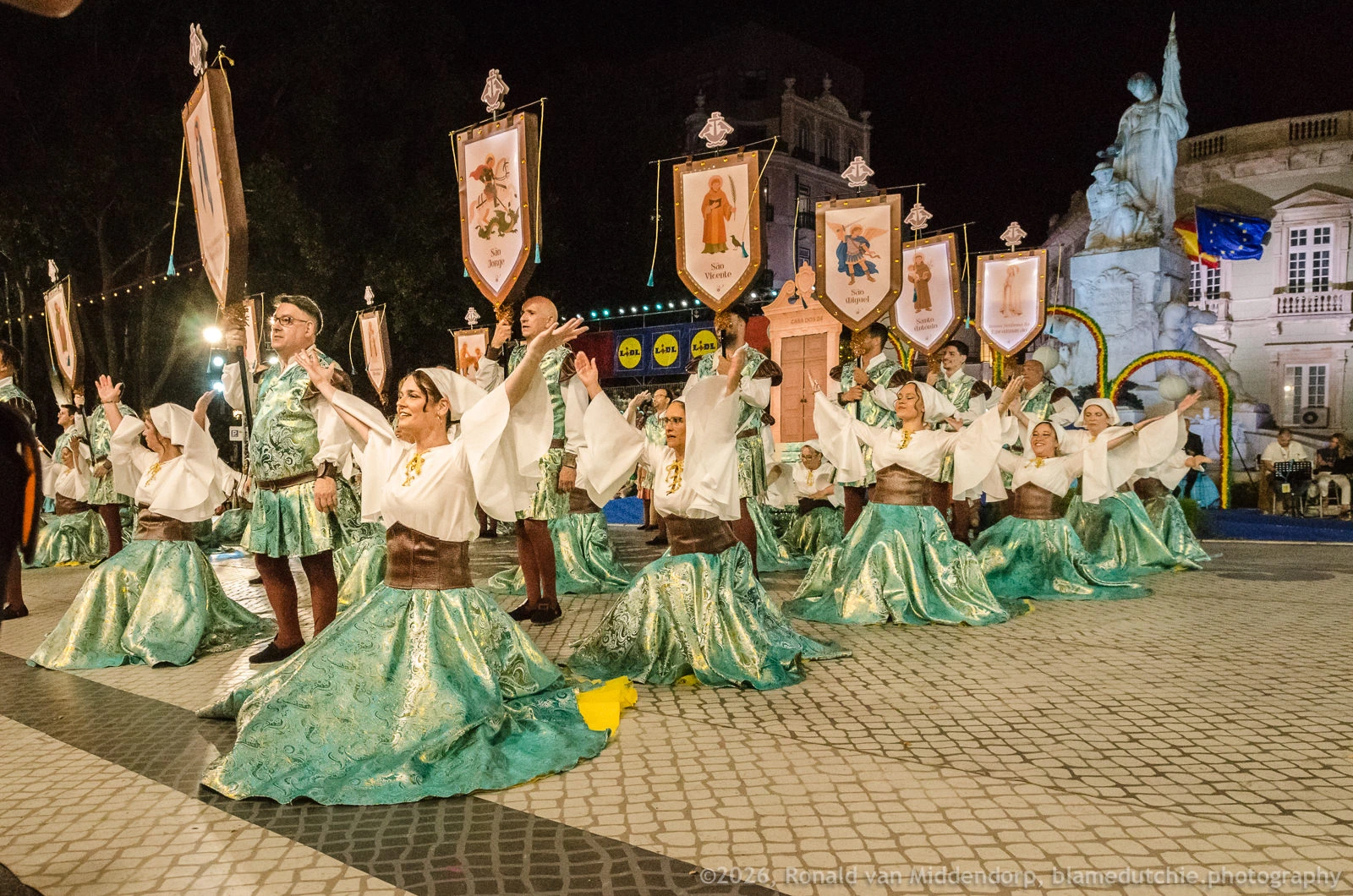
The saints and the sellers, united in the ACML. Interestingly, ACML stands for Associação dos Comerciantes nos Mercados de Lisboa as well as Associação Cultural Meeting Lisboa. Oh, how these coincidences become part of our shared reality.
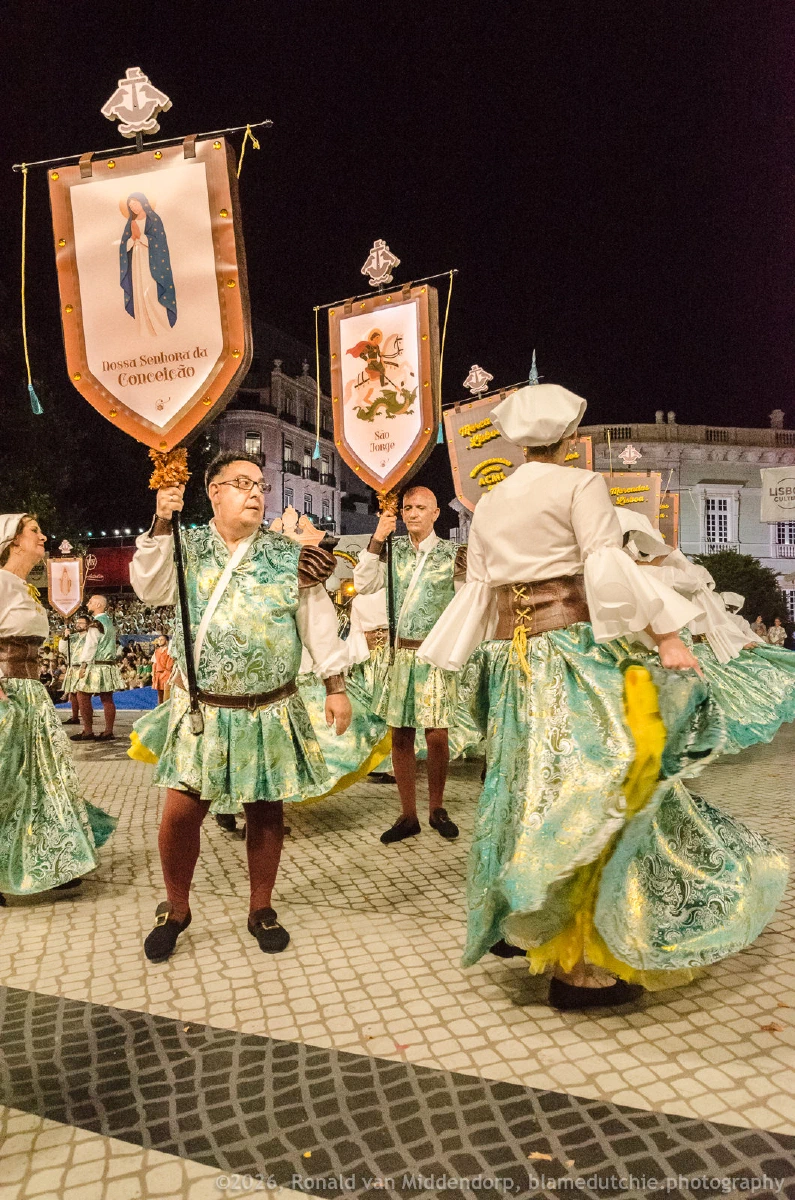
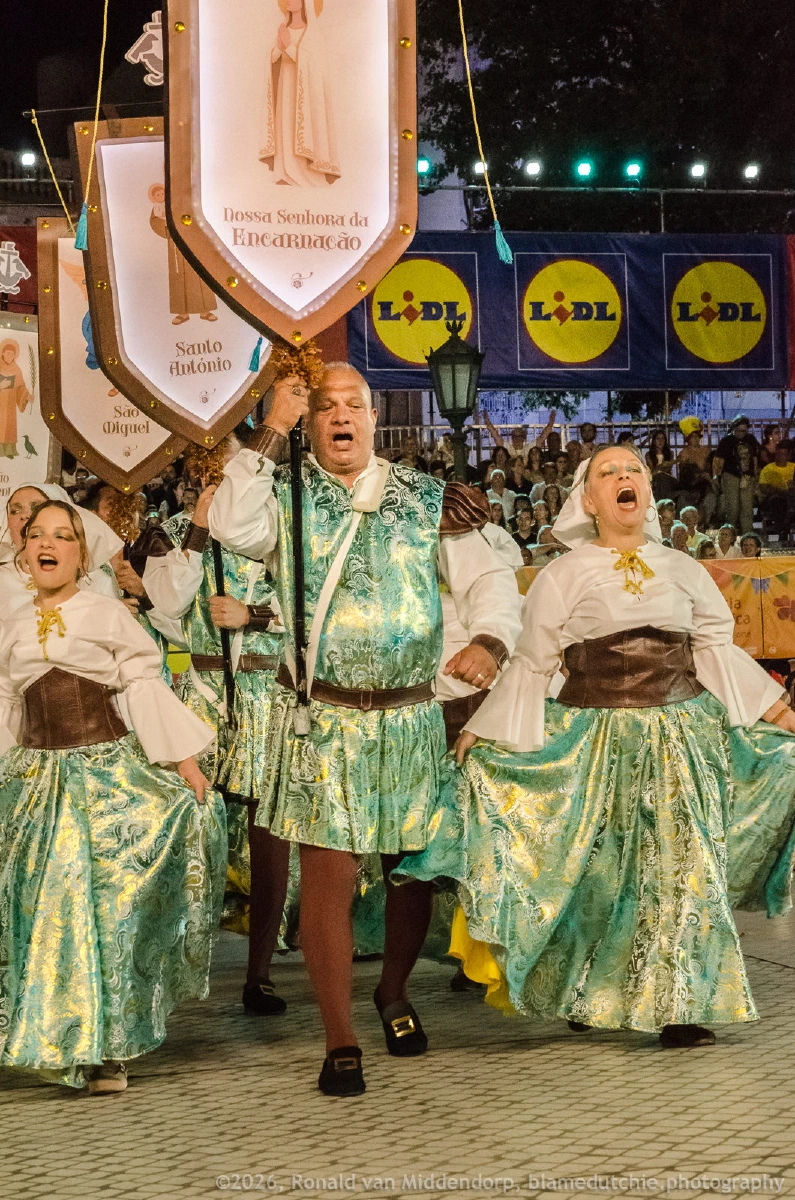
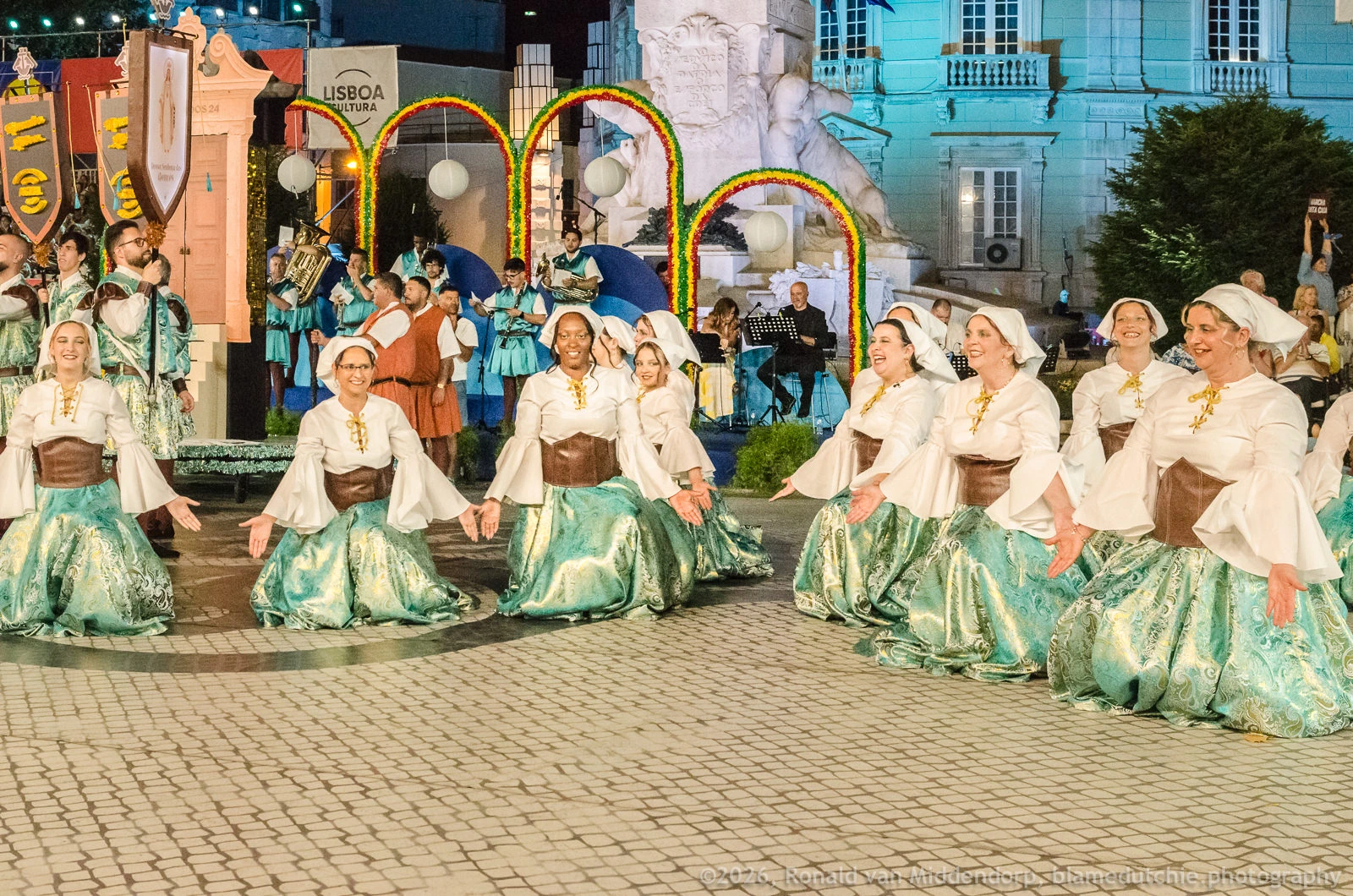
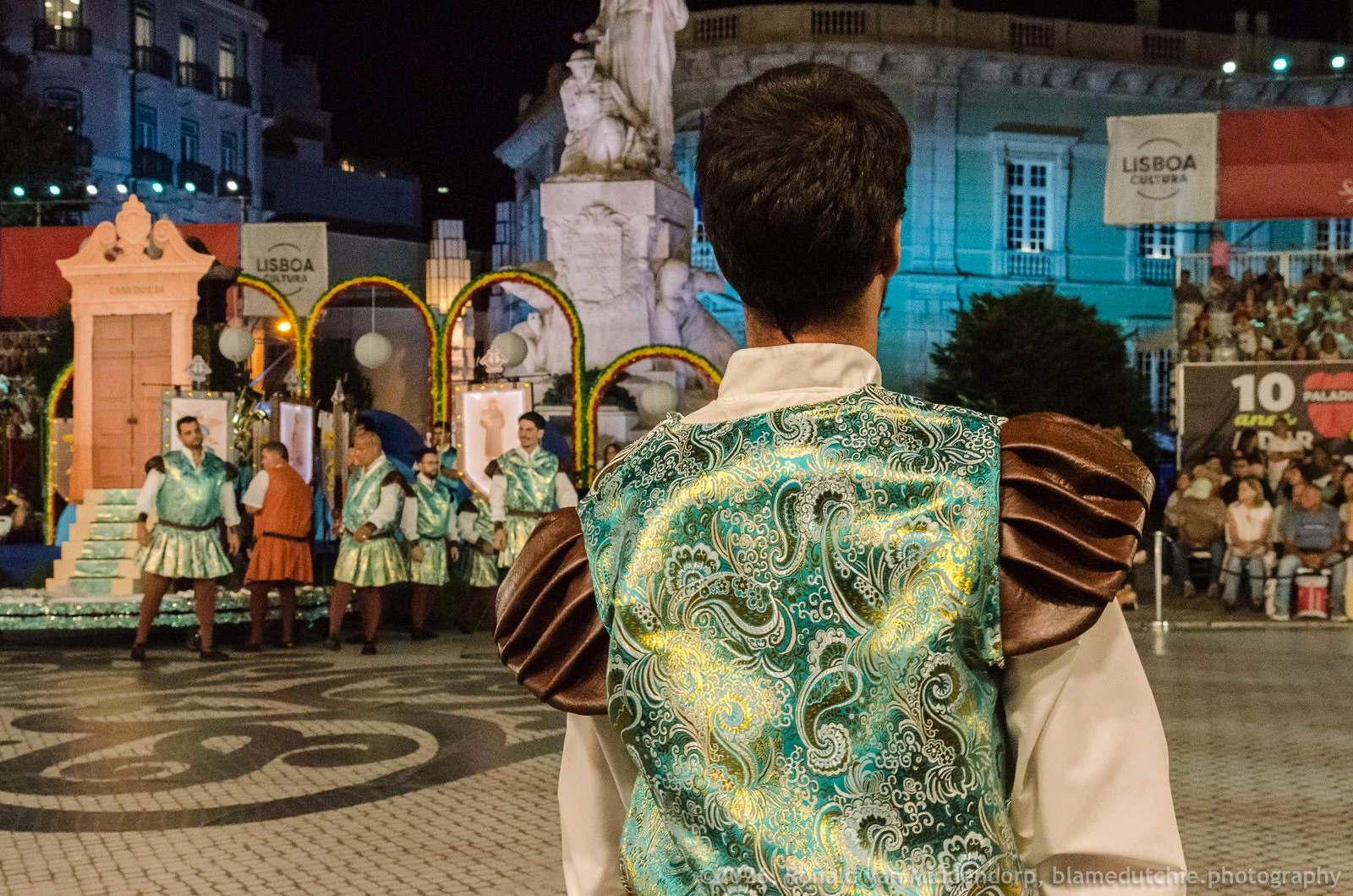
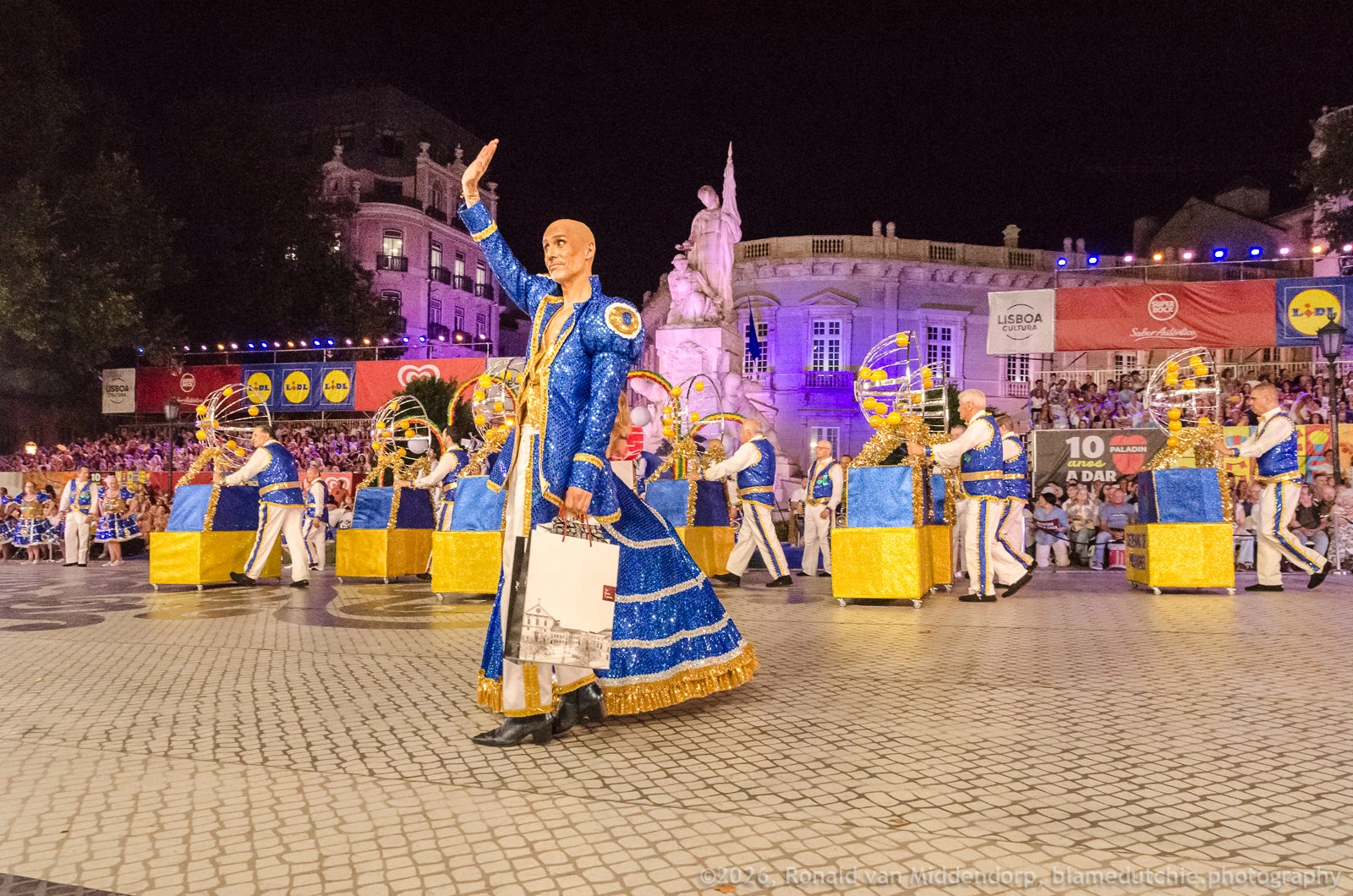
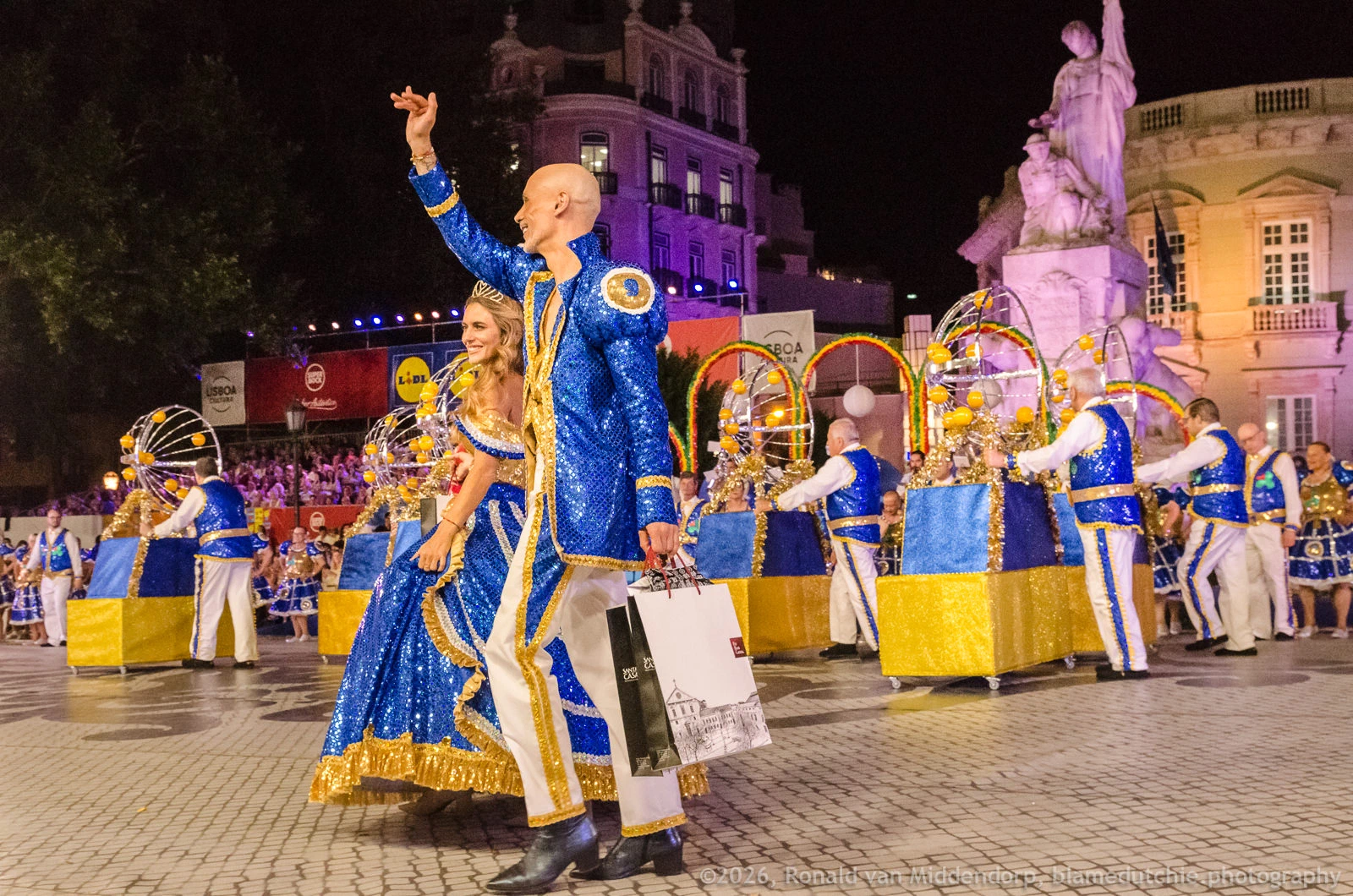
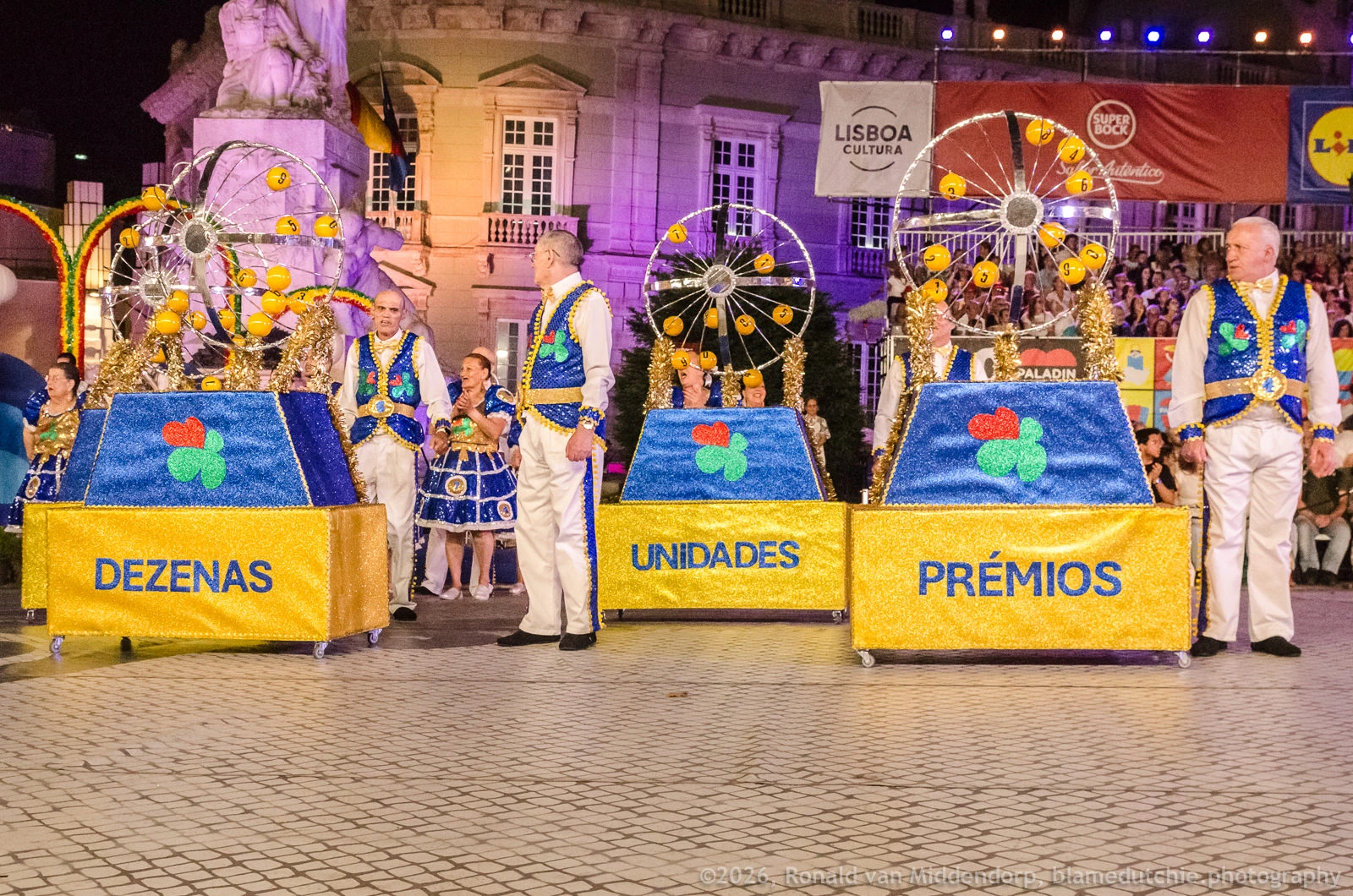
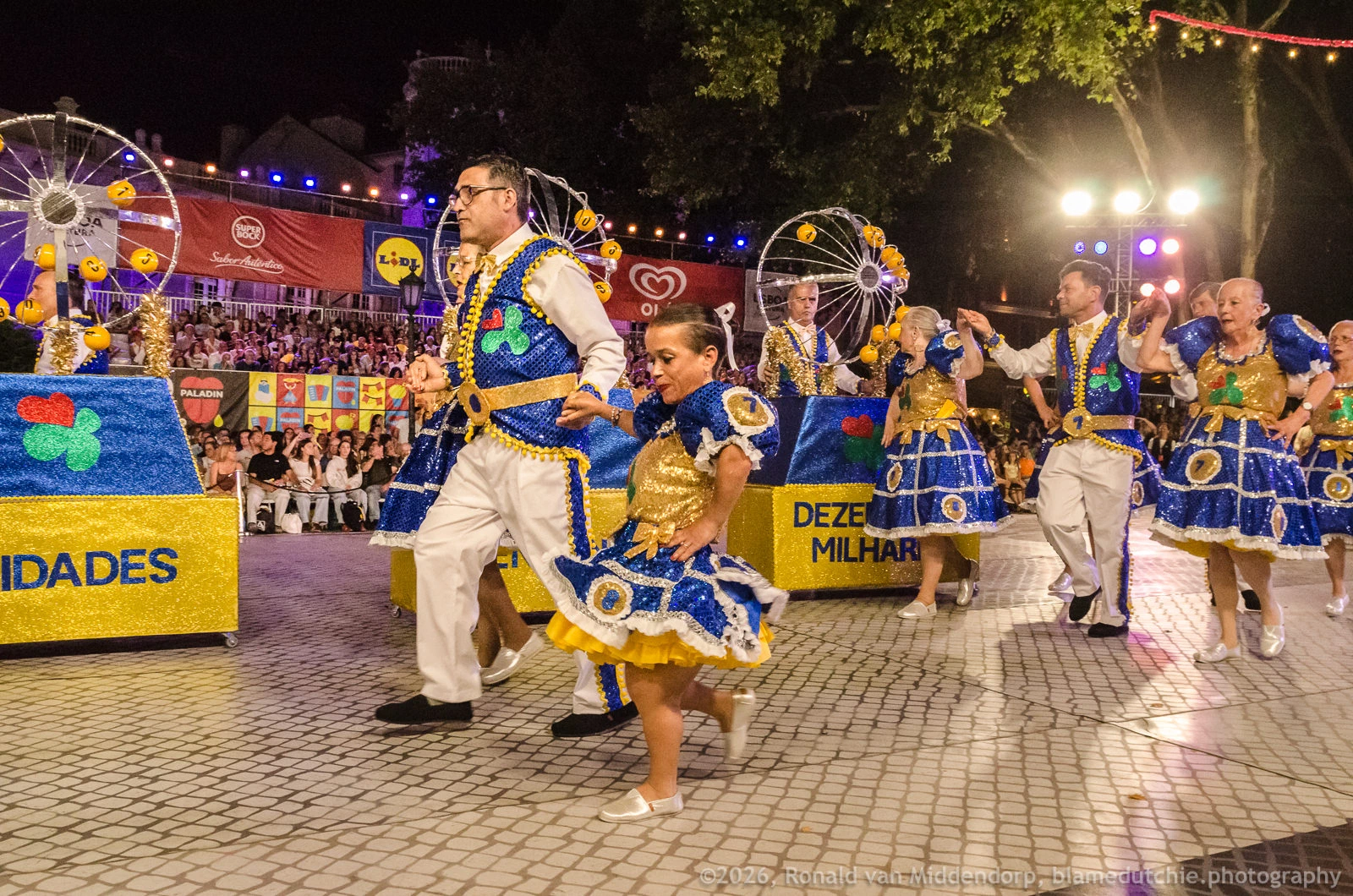
Live is a lottery
And when you are one of the not so lucky, you can count on Santa Casa da Misericórdia. This charity, founded in 1498 by Queen Leonor, has as its mission to treat and support the sick, disabled people, and orphans.
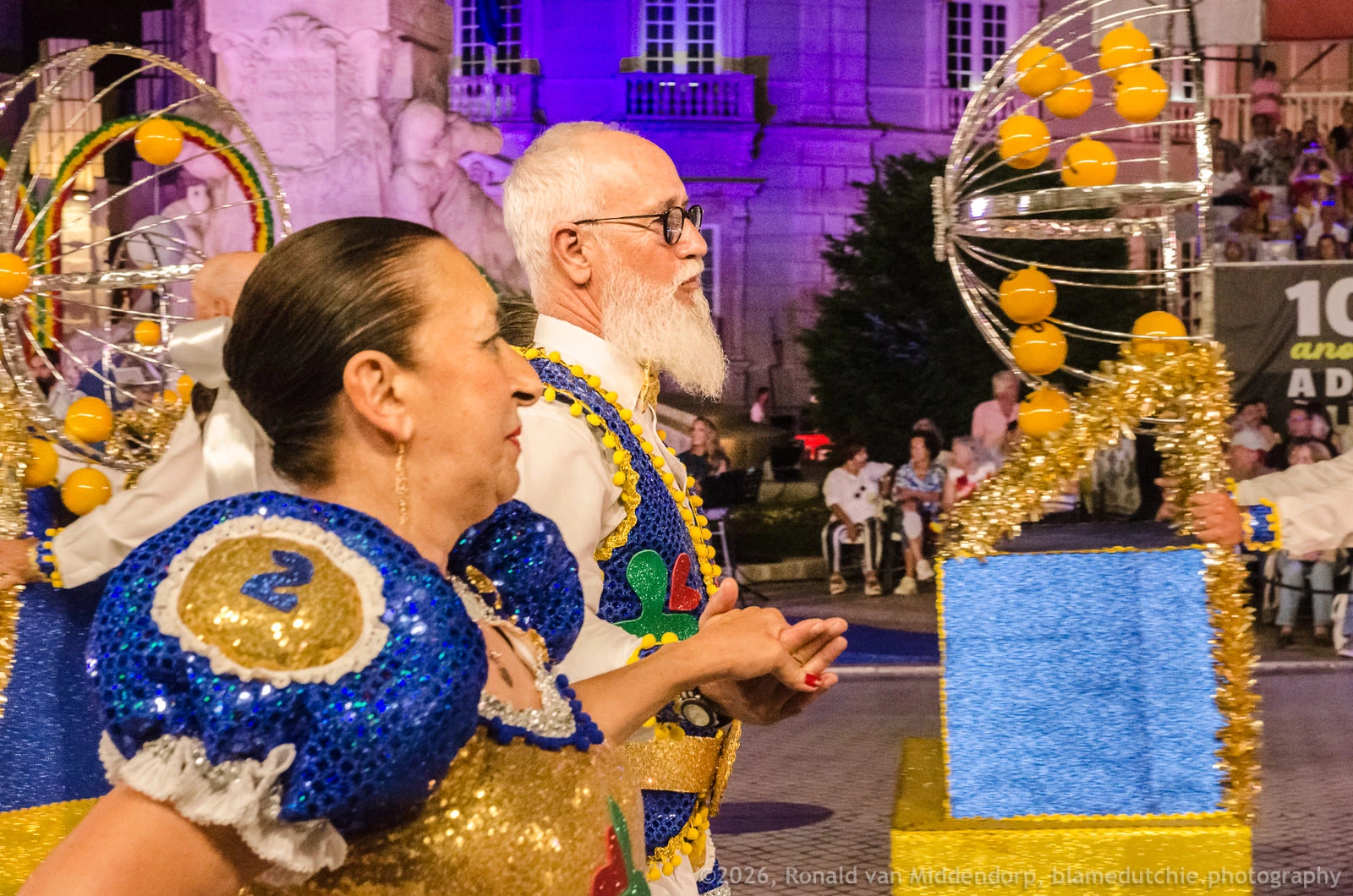
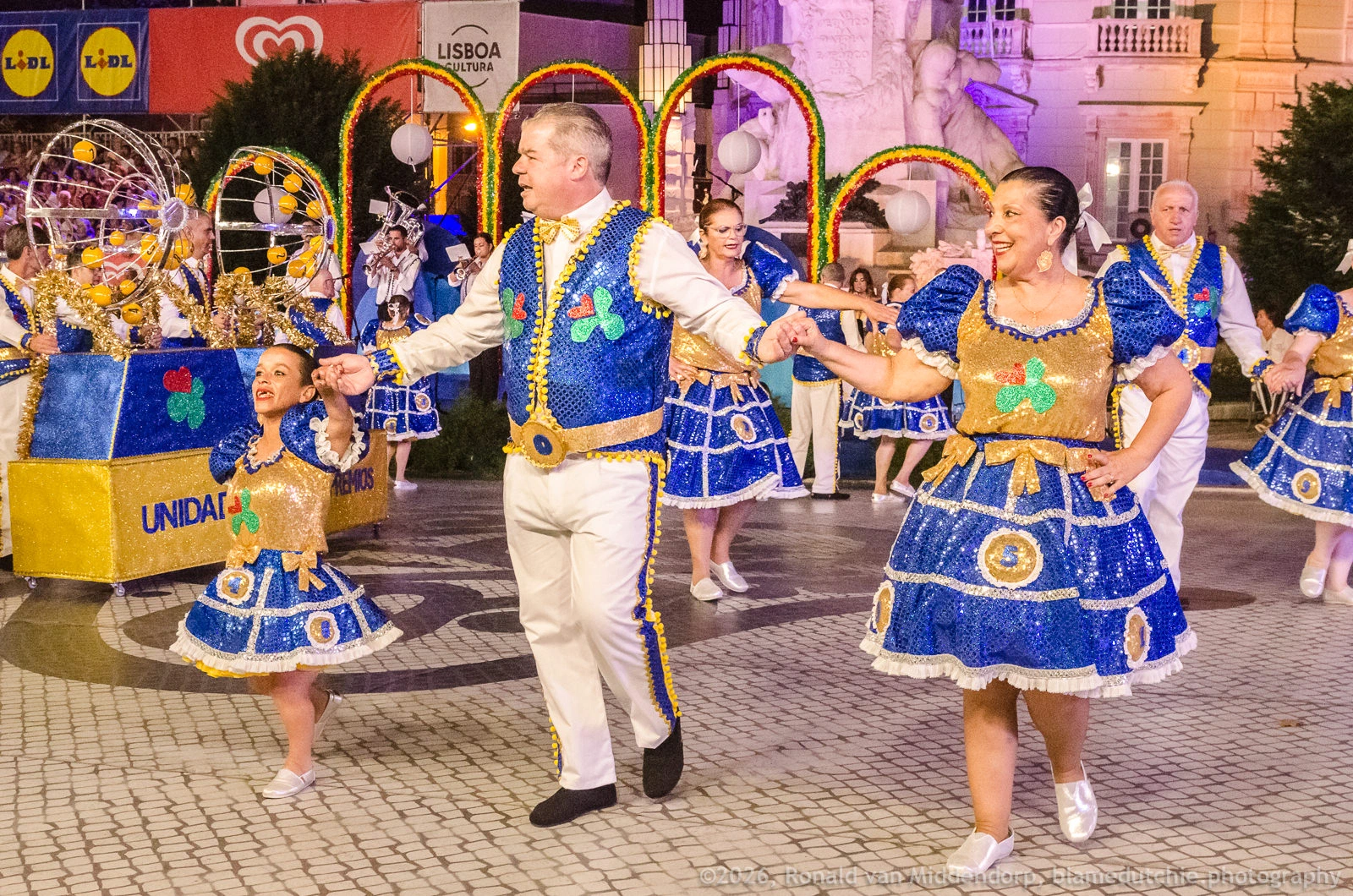
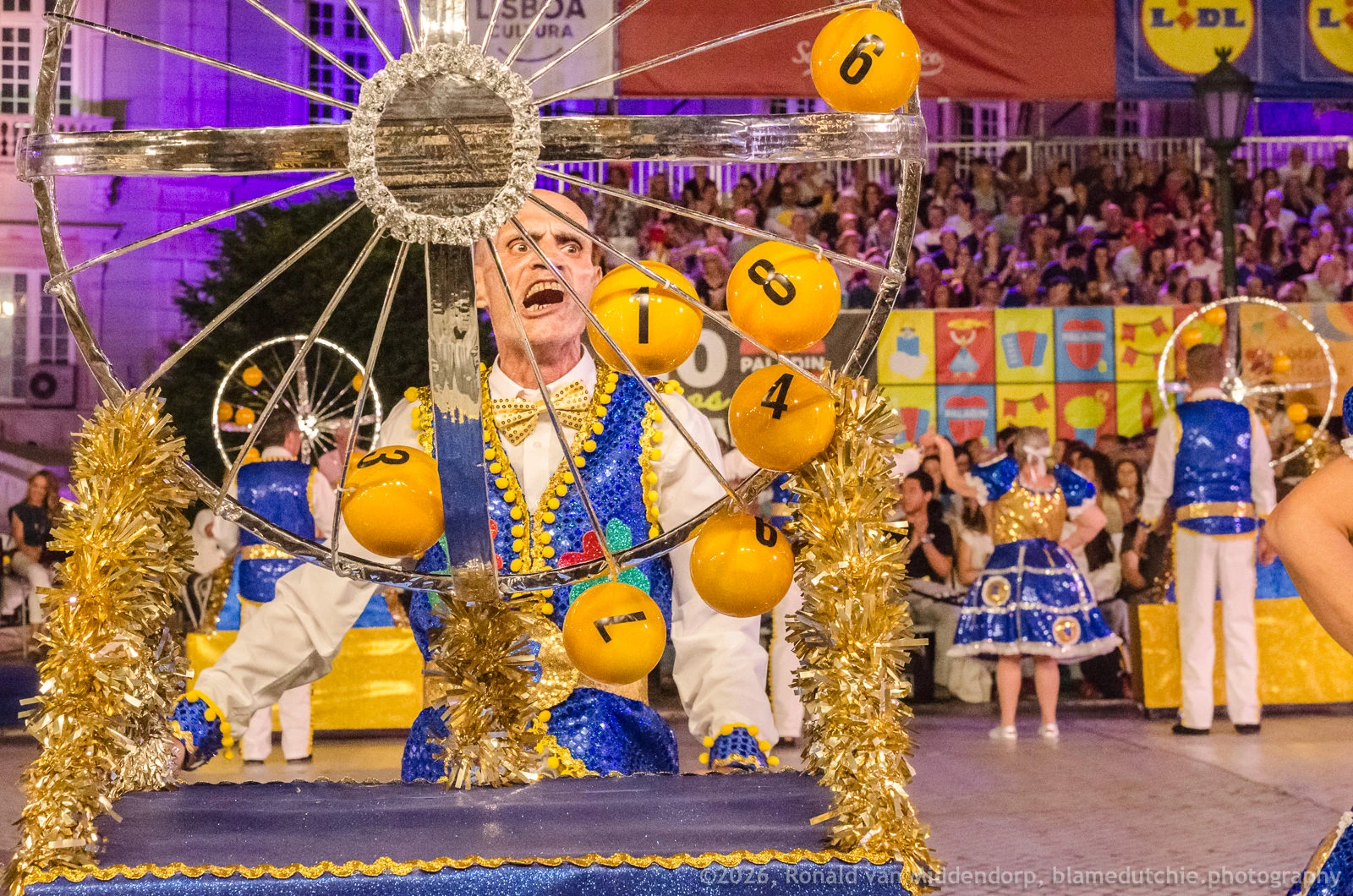
The newly-weds
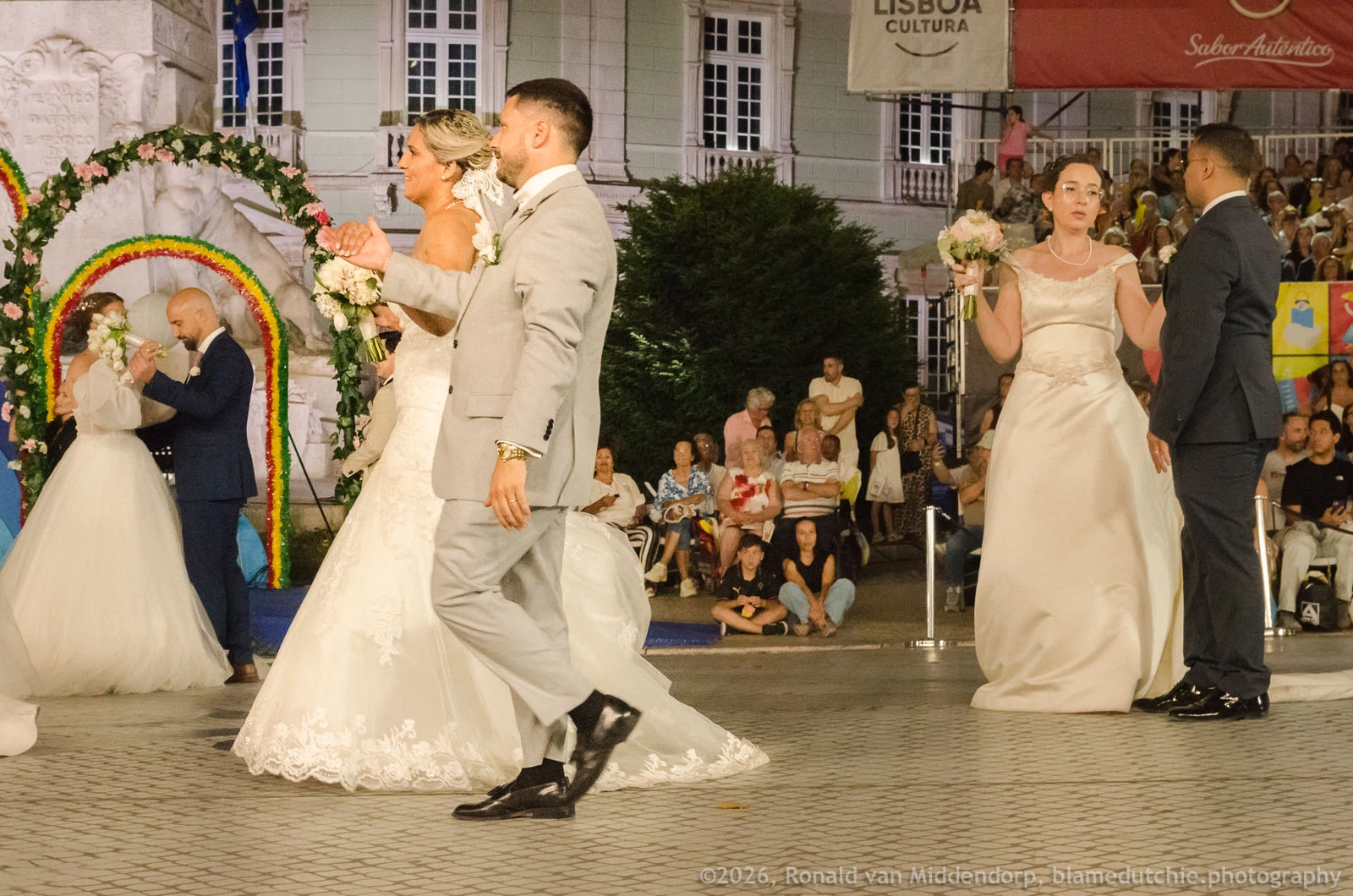
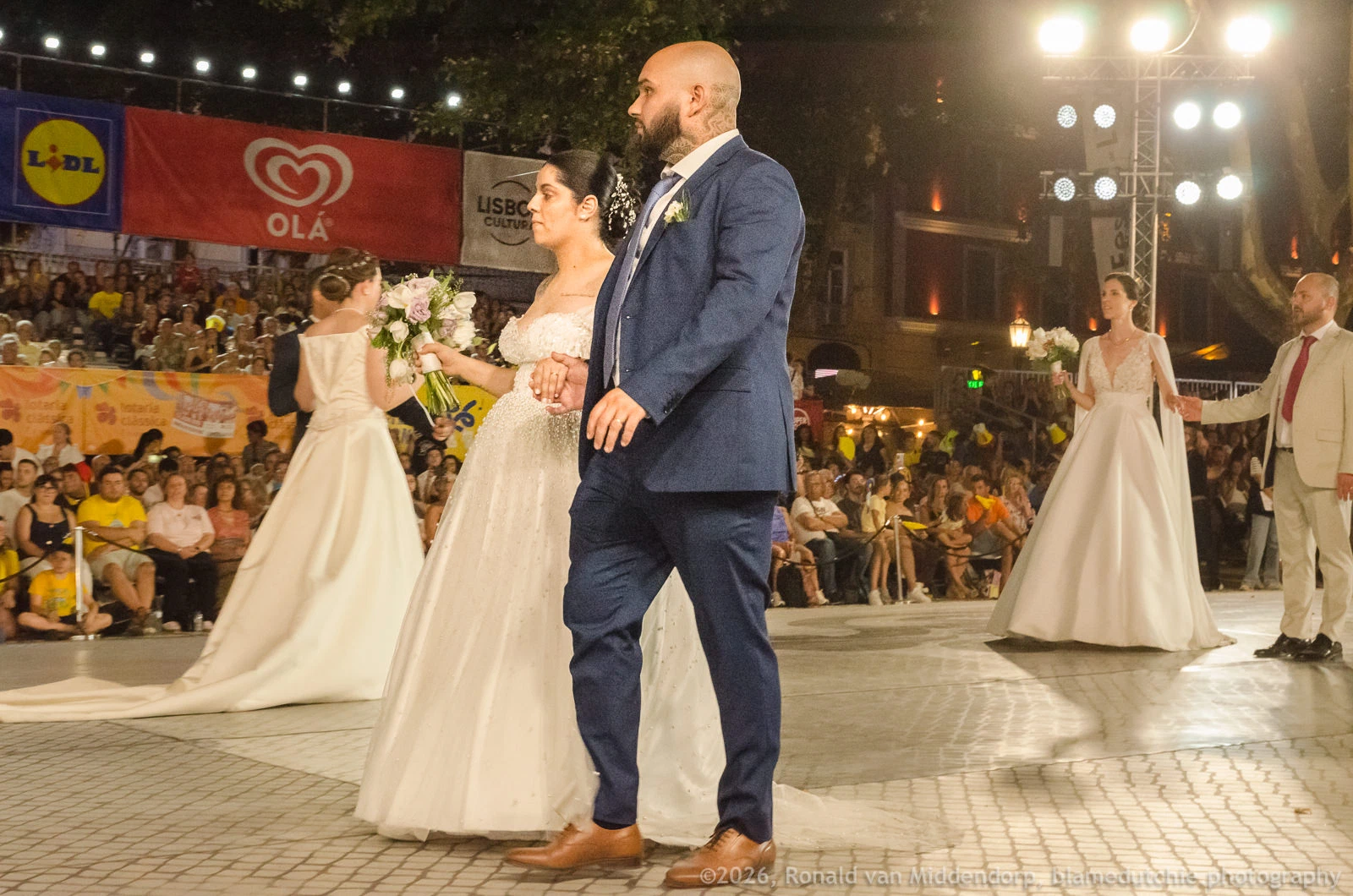
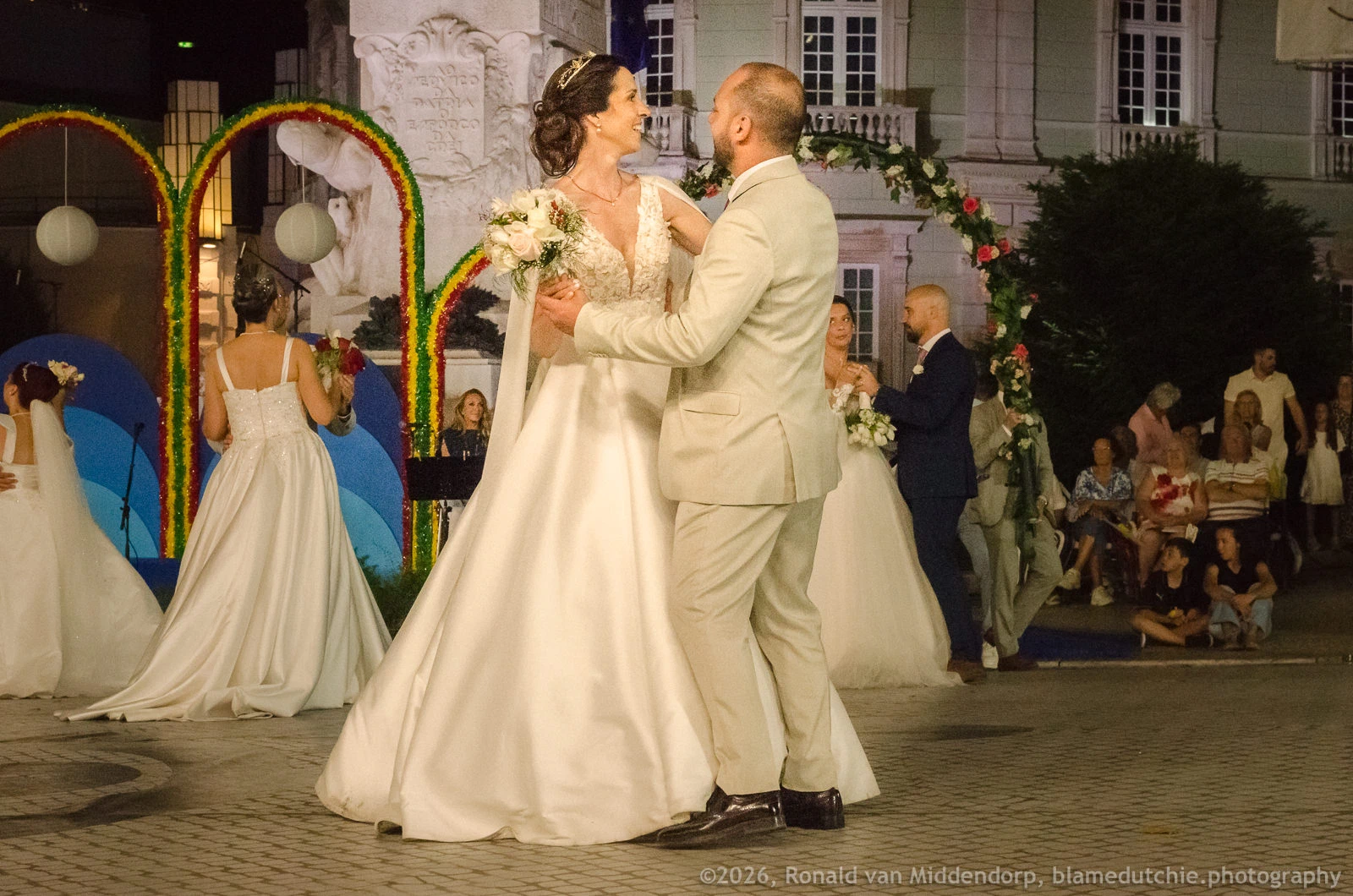
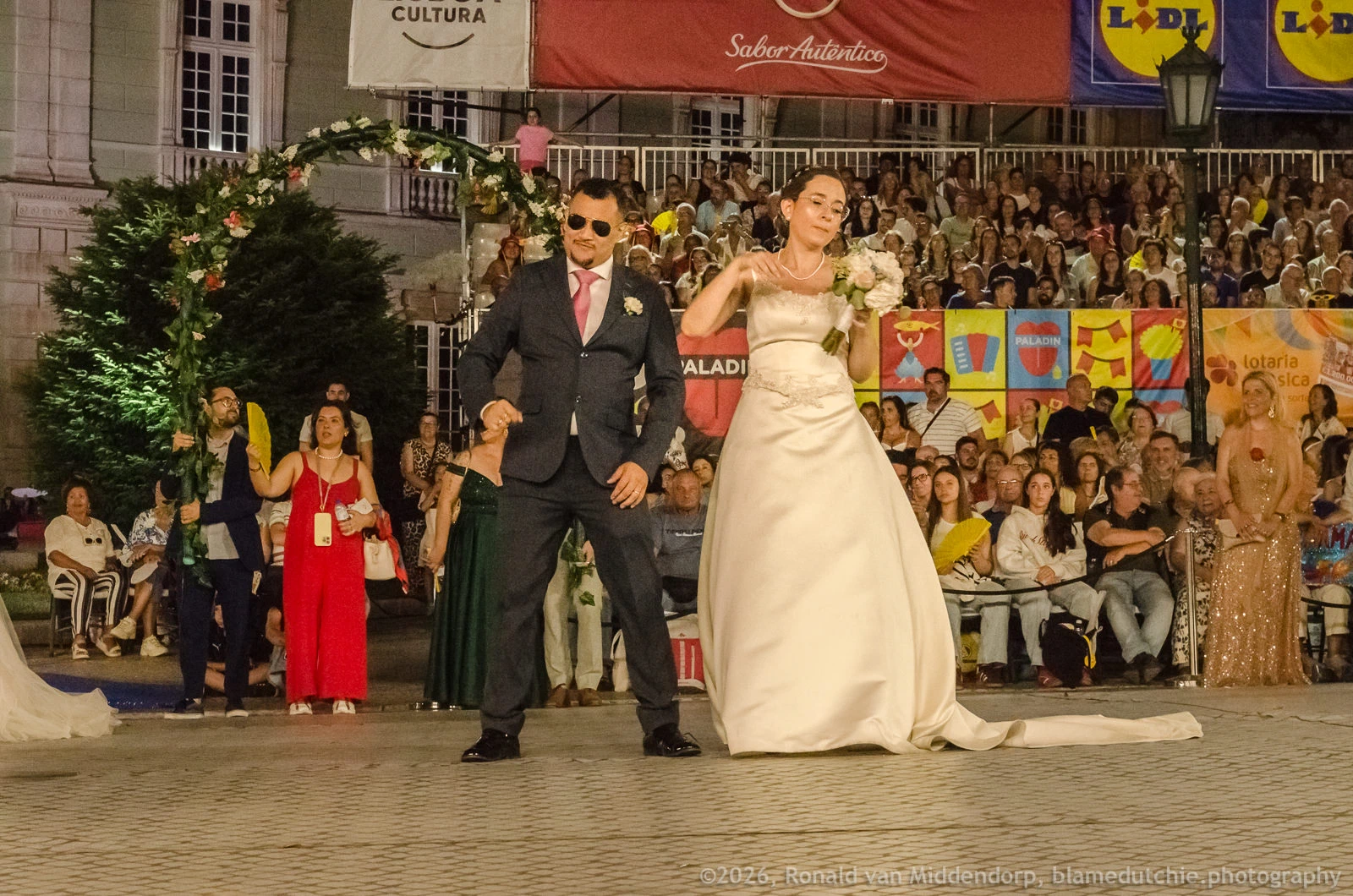
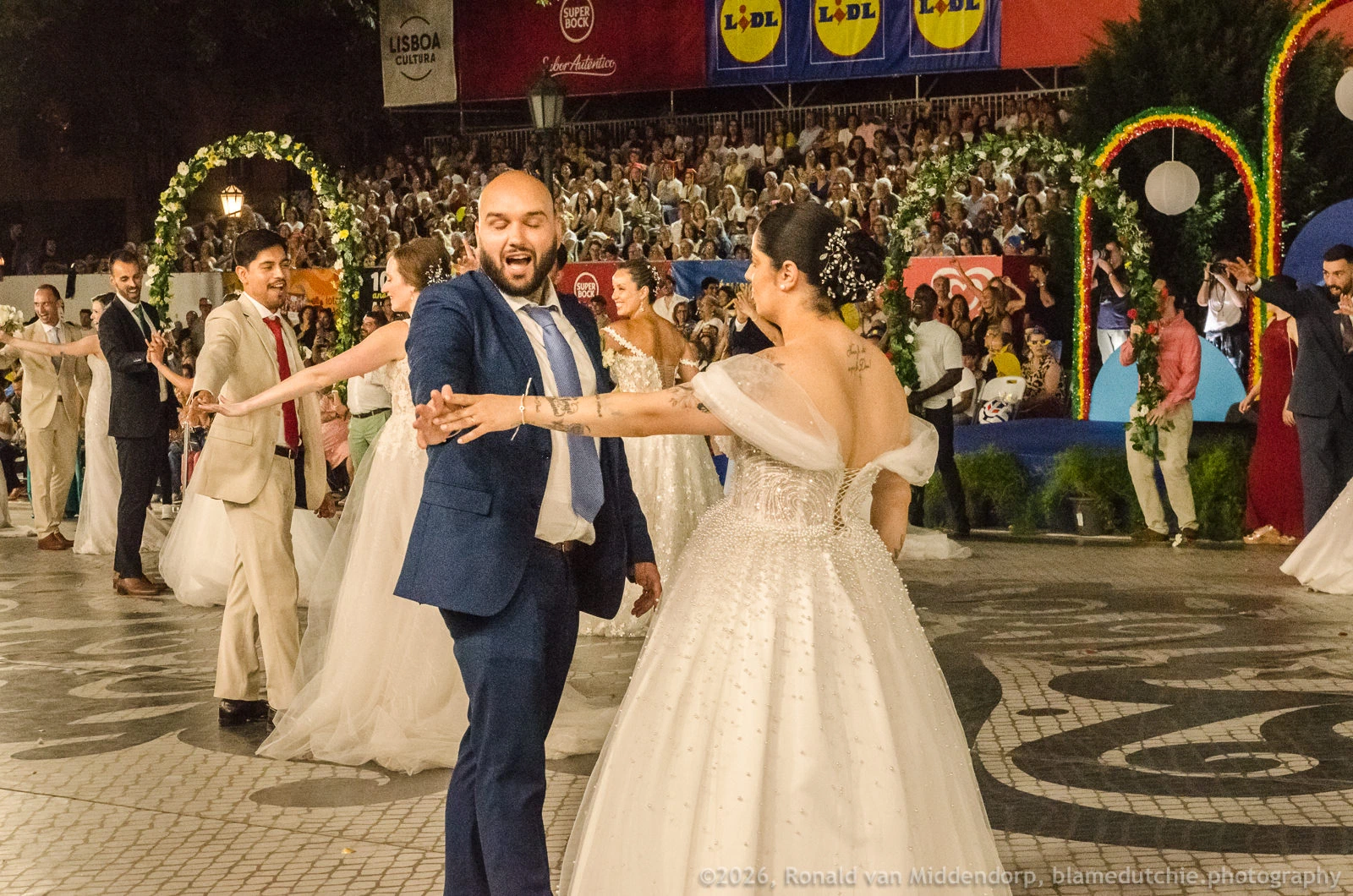
This year, 16 couples, aged between 27 and 51, from 11 parishes and representing more than six nationalities, were the protagonists of the Casamentos de Santo António (Saint Anthony Weddings). Five couples formalised their union in a civil ceremony at the Salão Nobre dos Paços do Concelho (Noble Hall of City Hall). After that, the religious ceremony took place in the Sé de Lisboa (Lisbon Cathedral), with the remaining eleven couples. After exchanging rings and the reception held in the Estufa Fria (Greenhouse), the newly weds descended to Avenida da Liberdade to join the Marchas Populares.
These weddings originated in 1958 as an initiative by the newspaper Diário Popular, published between 1942 and 1991, in partnership with the Lisbon City Council.
The idea was to help couples with economic difficulties to realise their dream of getting married. At a time when many families did not have the means to cover the expenses associated with a ceremony, the project sought to offer financial and logistical support to the engaged couples. According to information provided by the Lisbon City Council, the objective was to facilitate access to marriage for young couples in the city who, otherwise, would have difficulty organising the celebration.
Quickly, the initiative gained popularity and became part of the Santo António celebrations. The connection with this saint did not happen by chance. Santo António of Lisbon is traditionally known as the matchmaker saint. Over the centuries, several legends have emerged that associate him with helping young people who wished to marry, especially those facing economic difficulties.
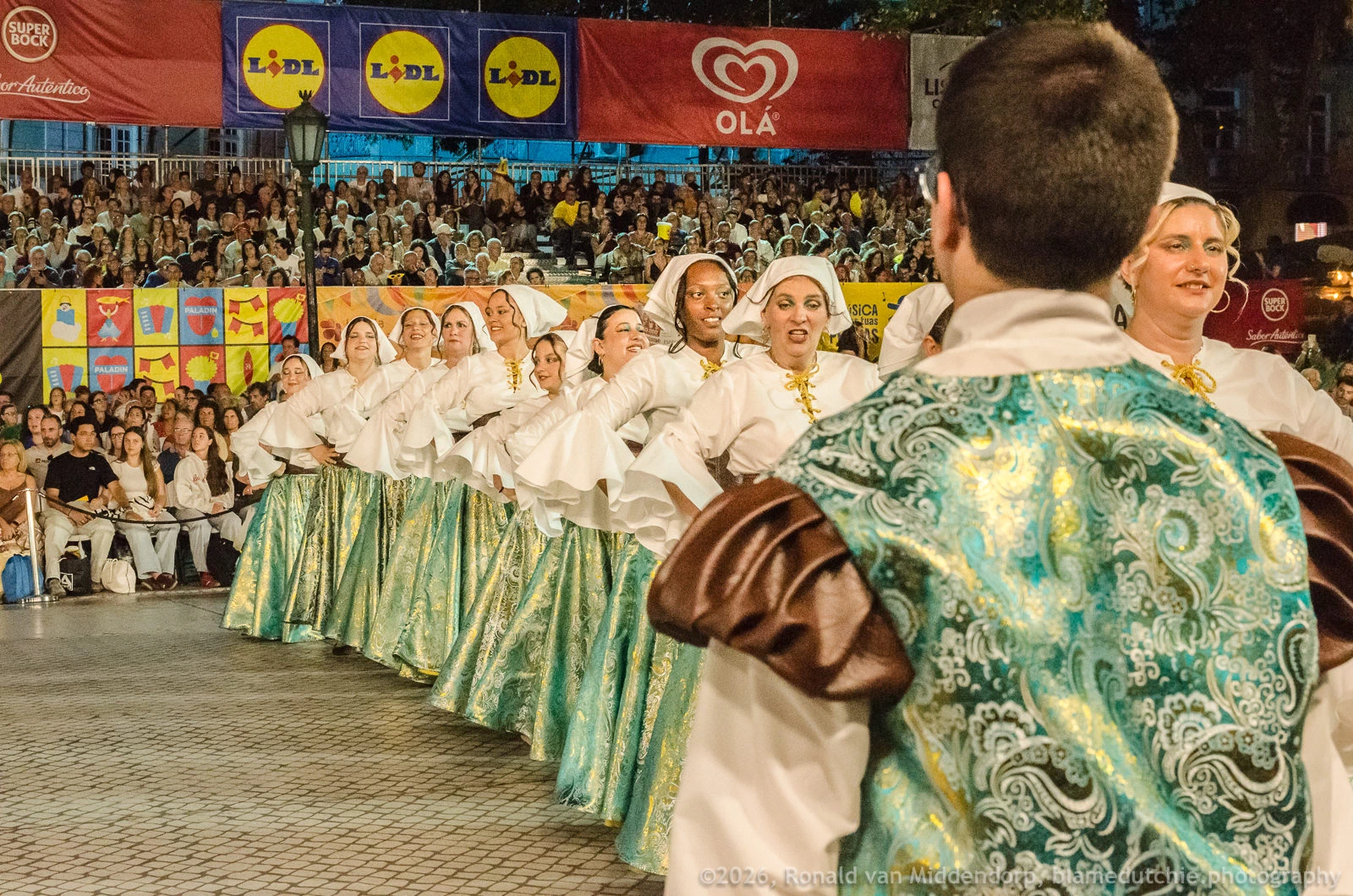
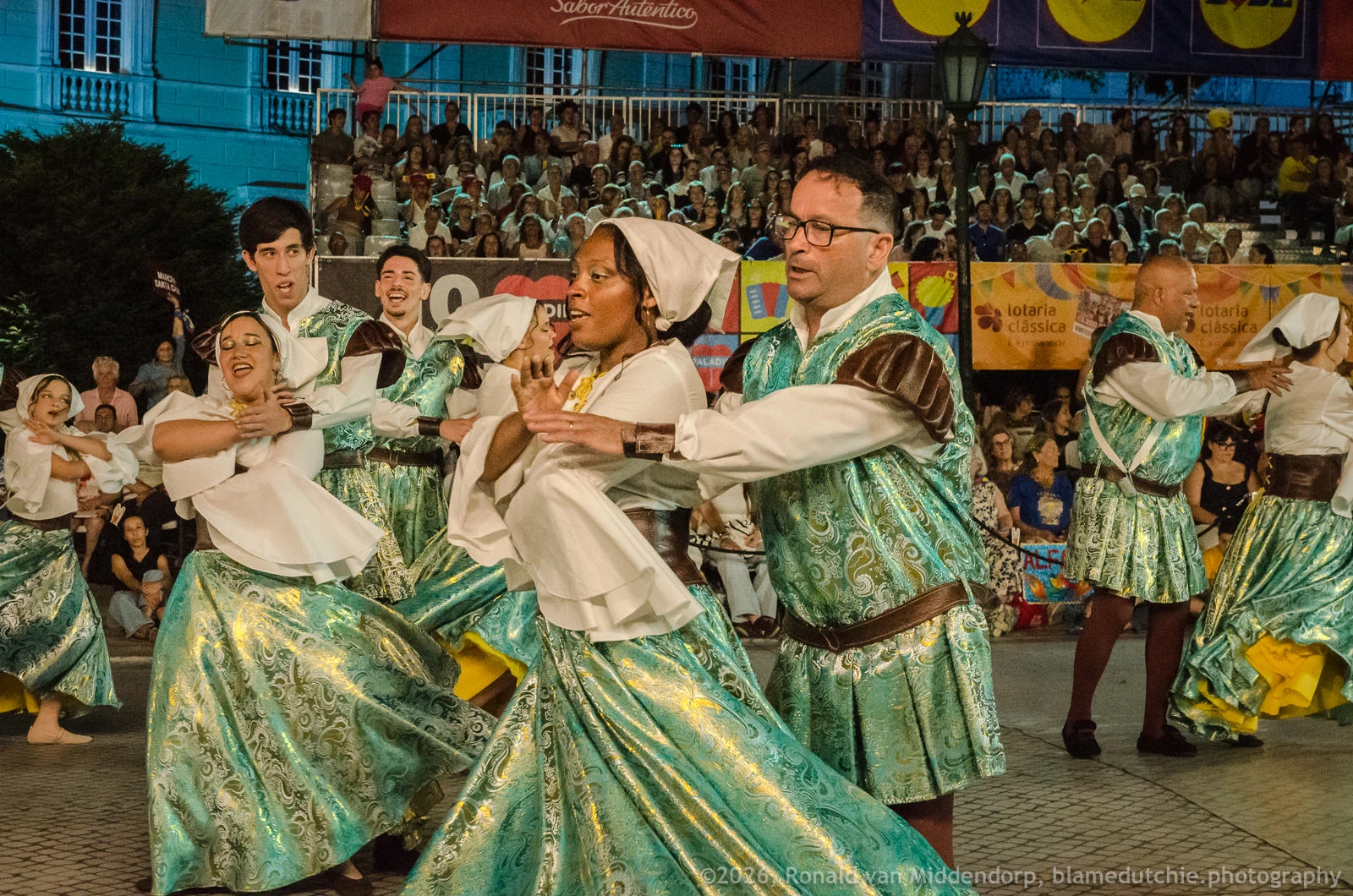
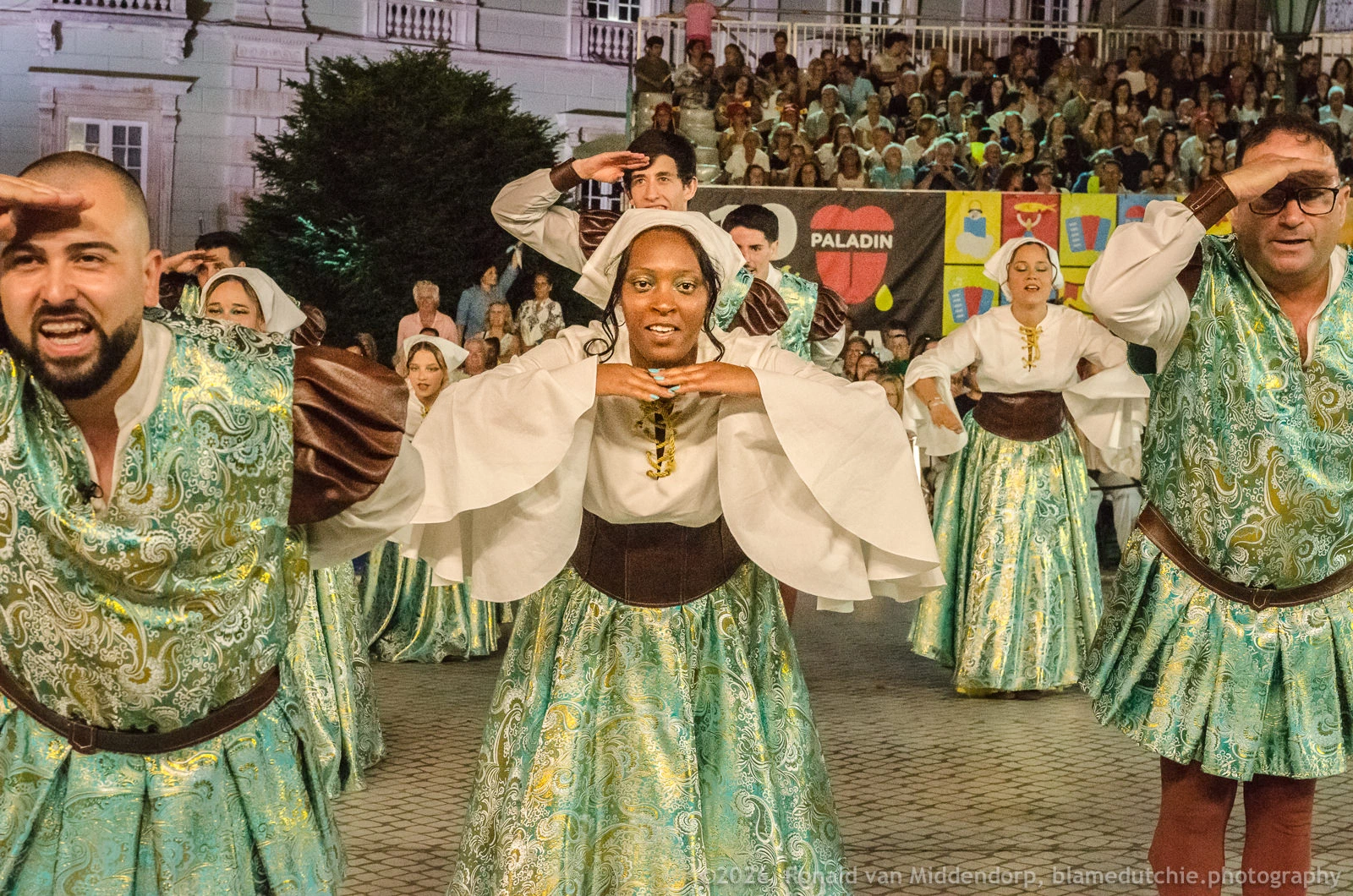
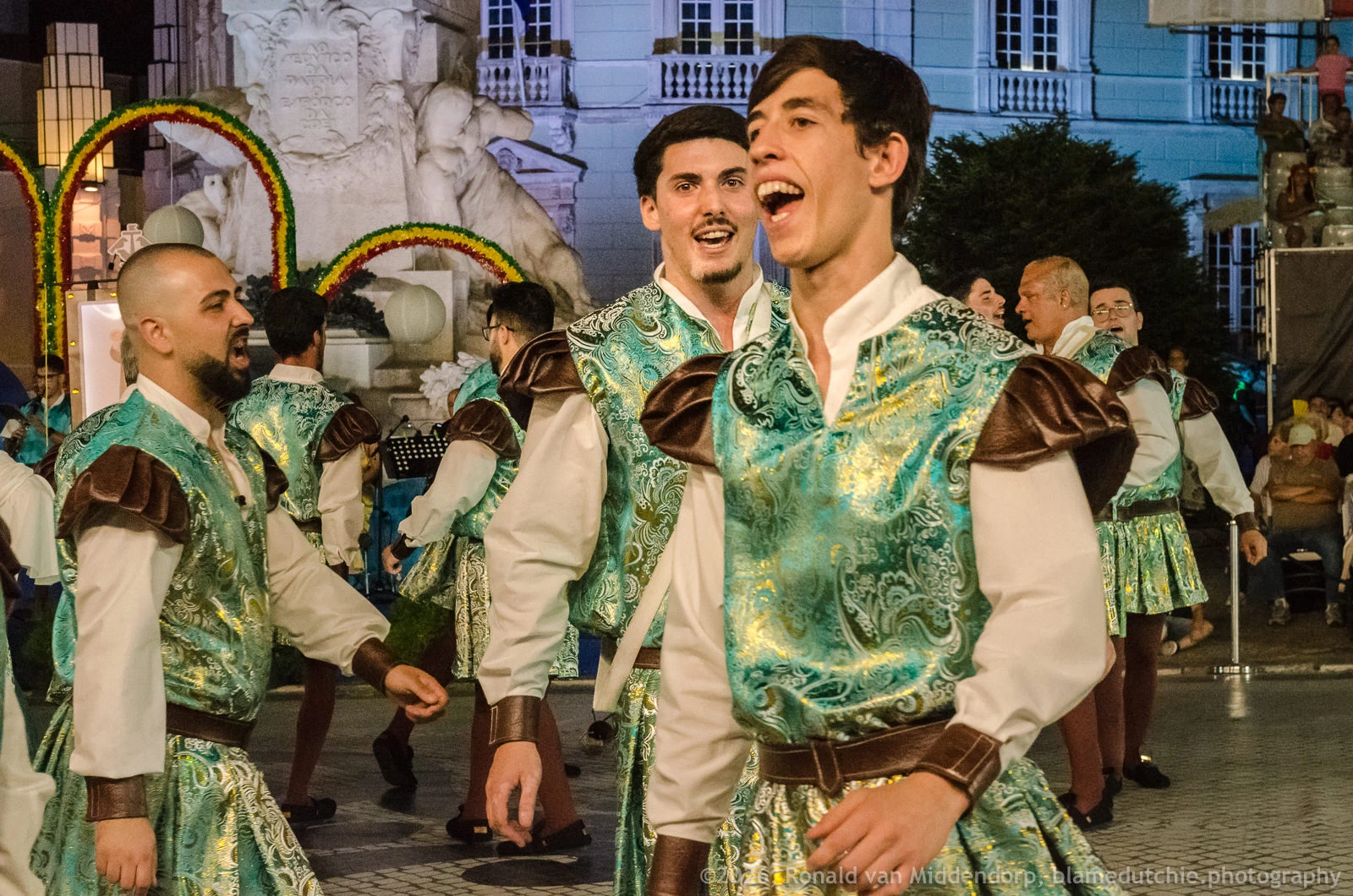
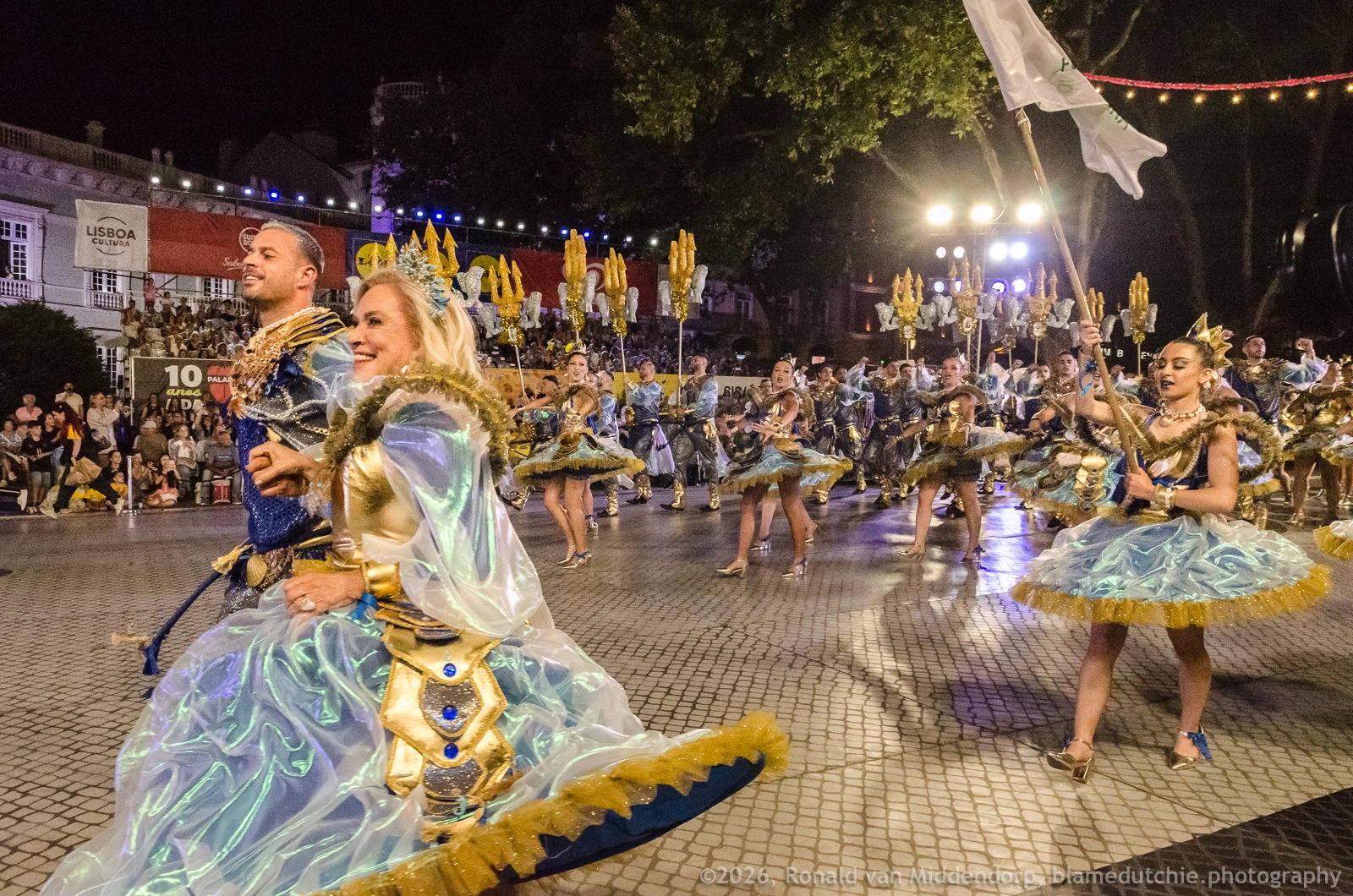
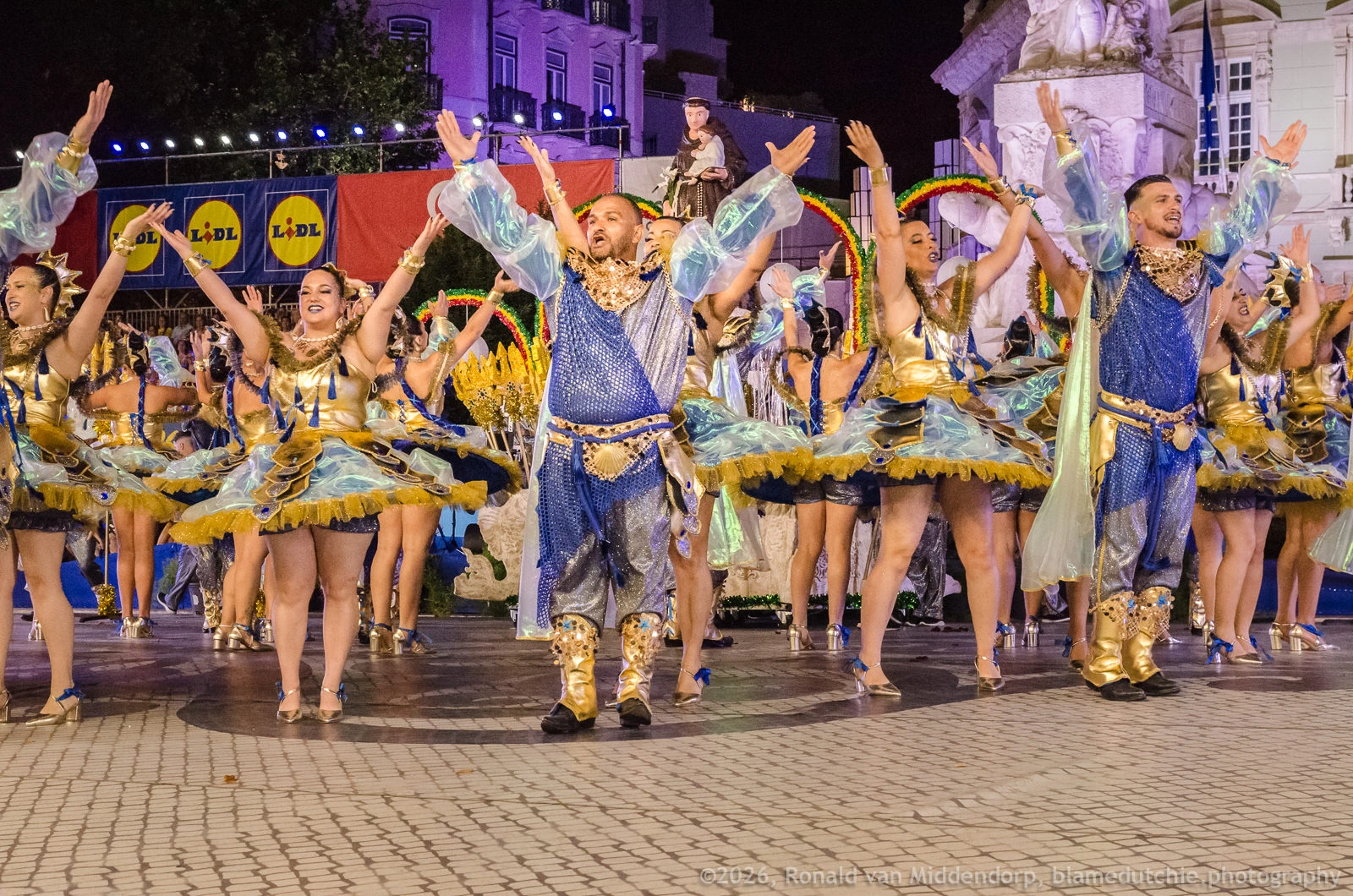
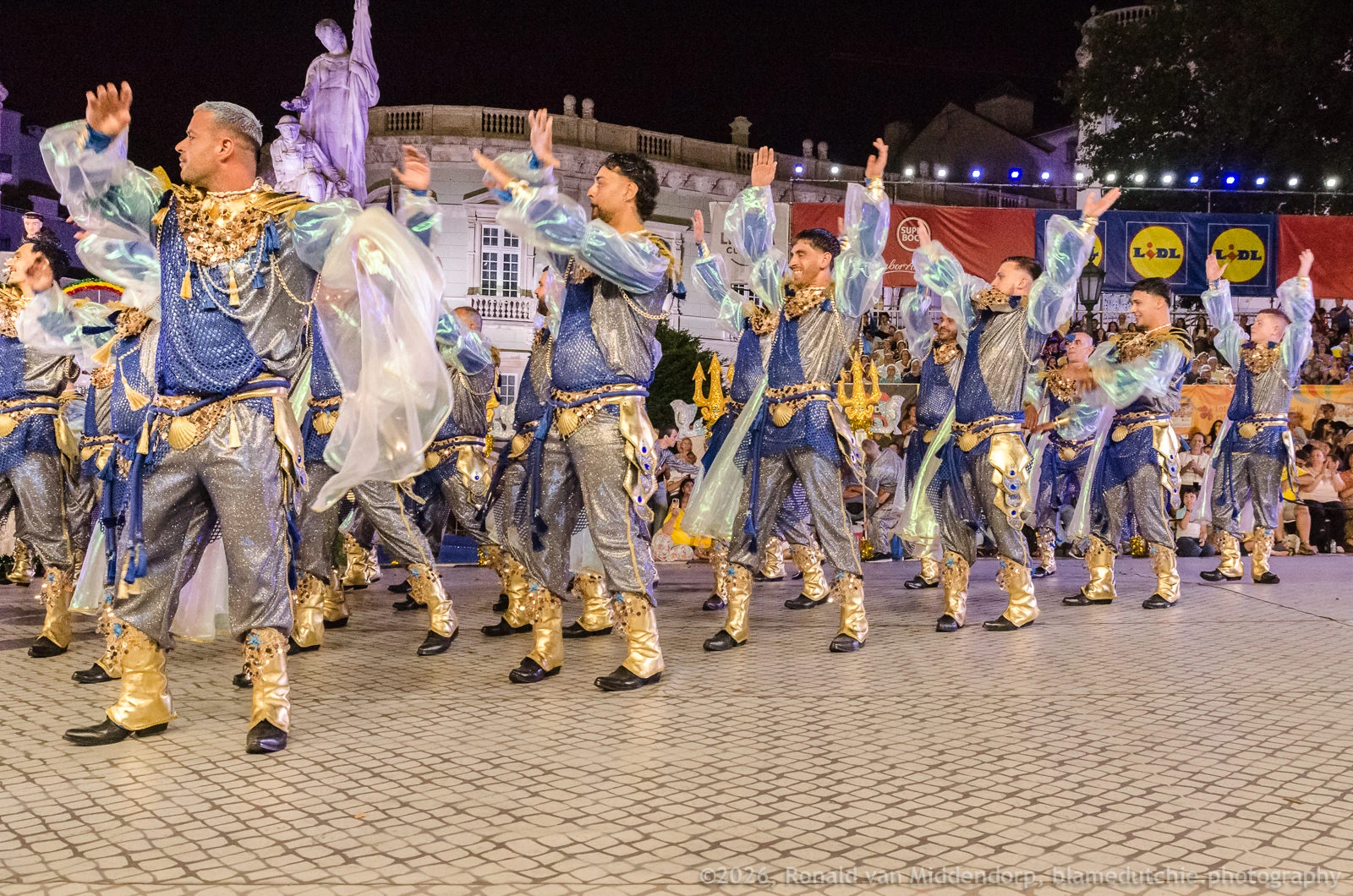
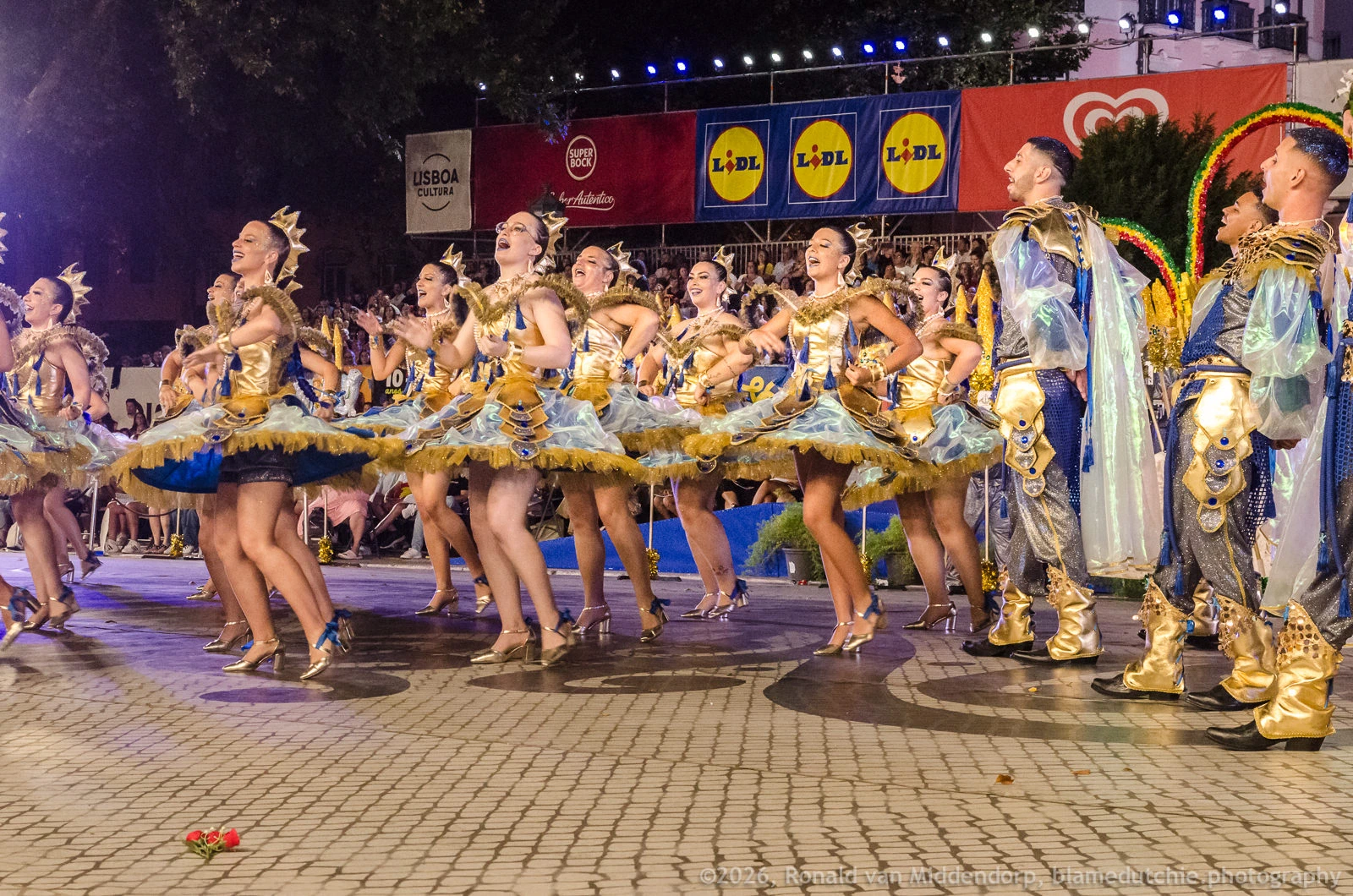
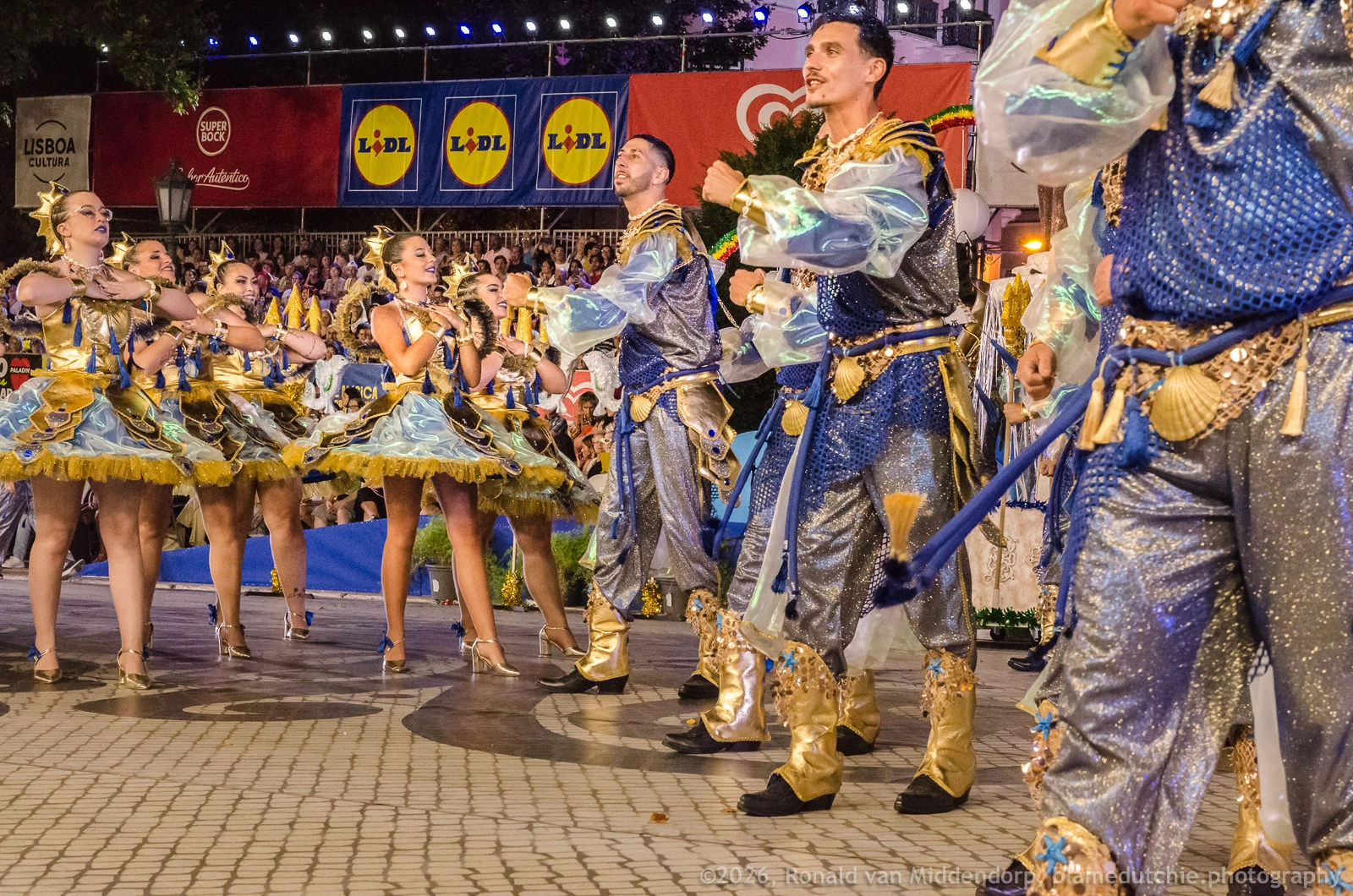
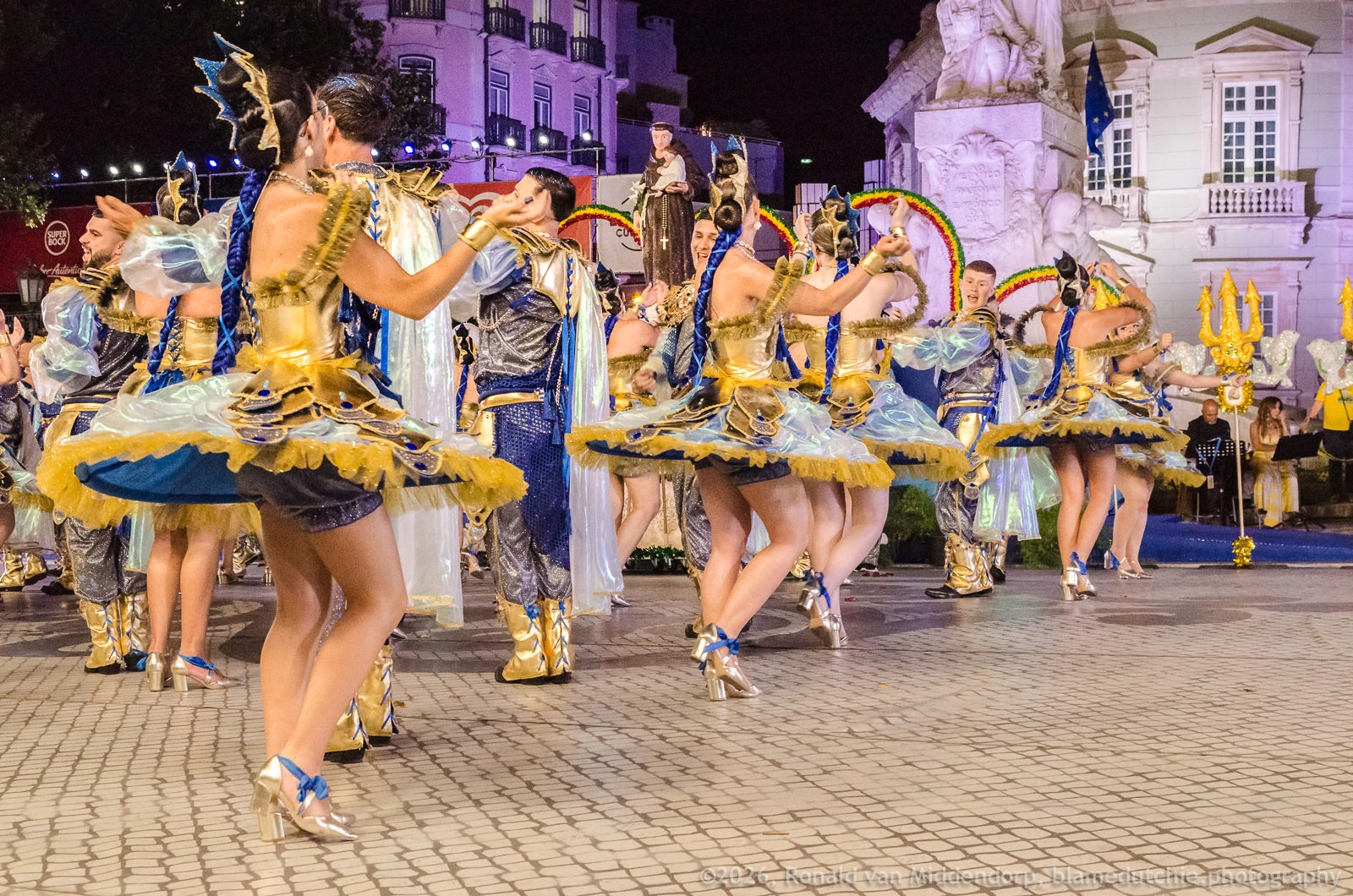
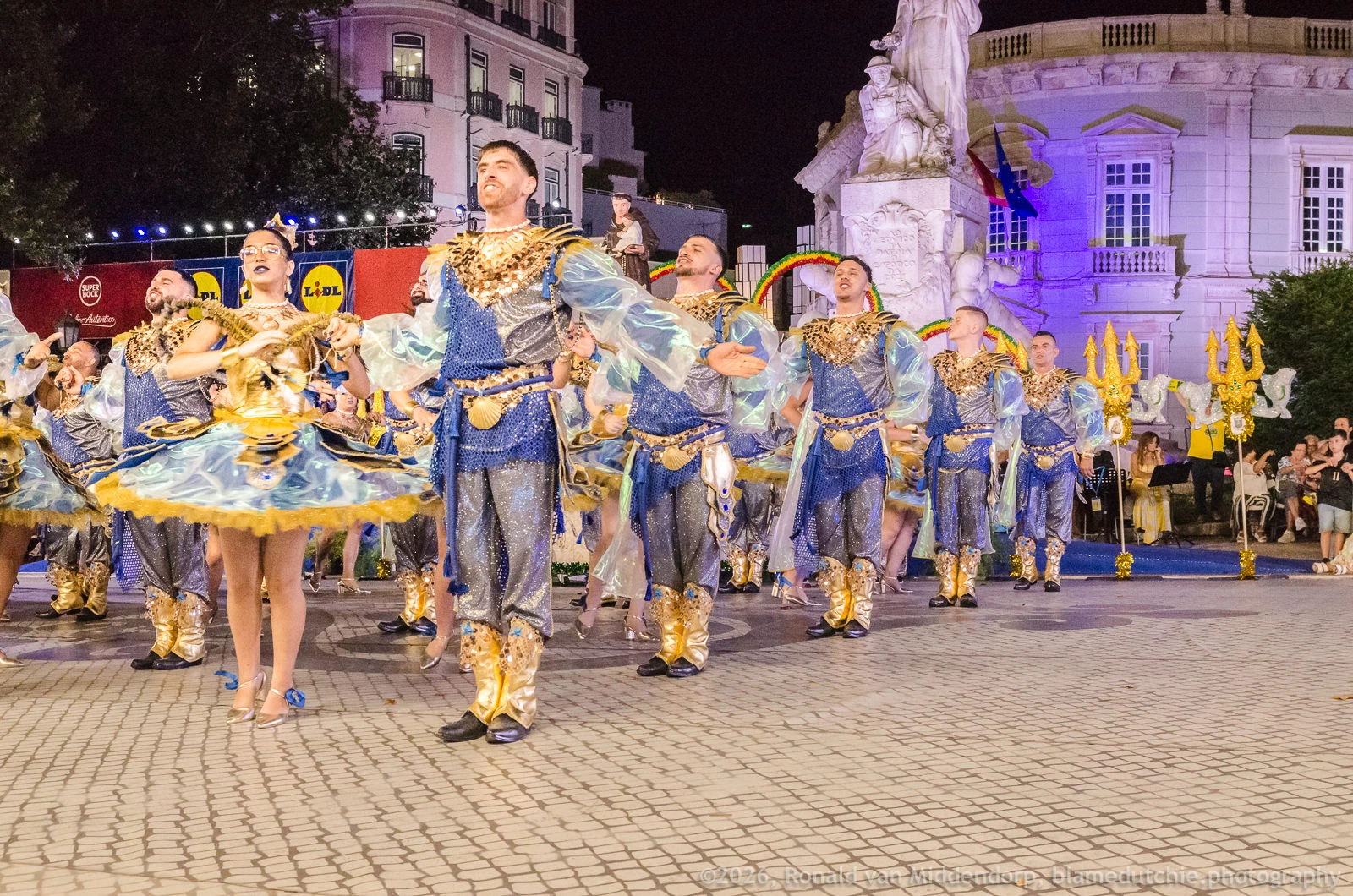
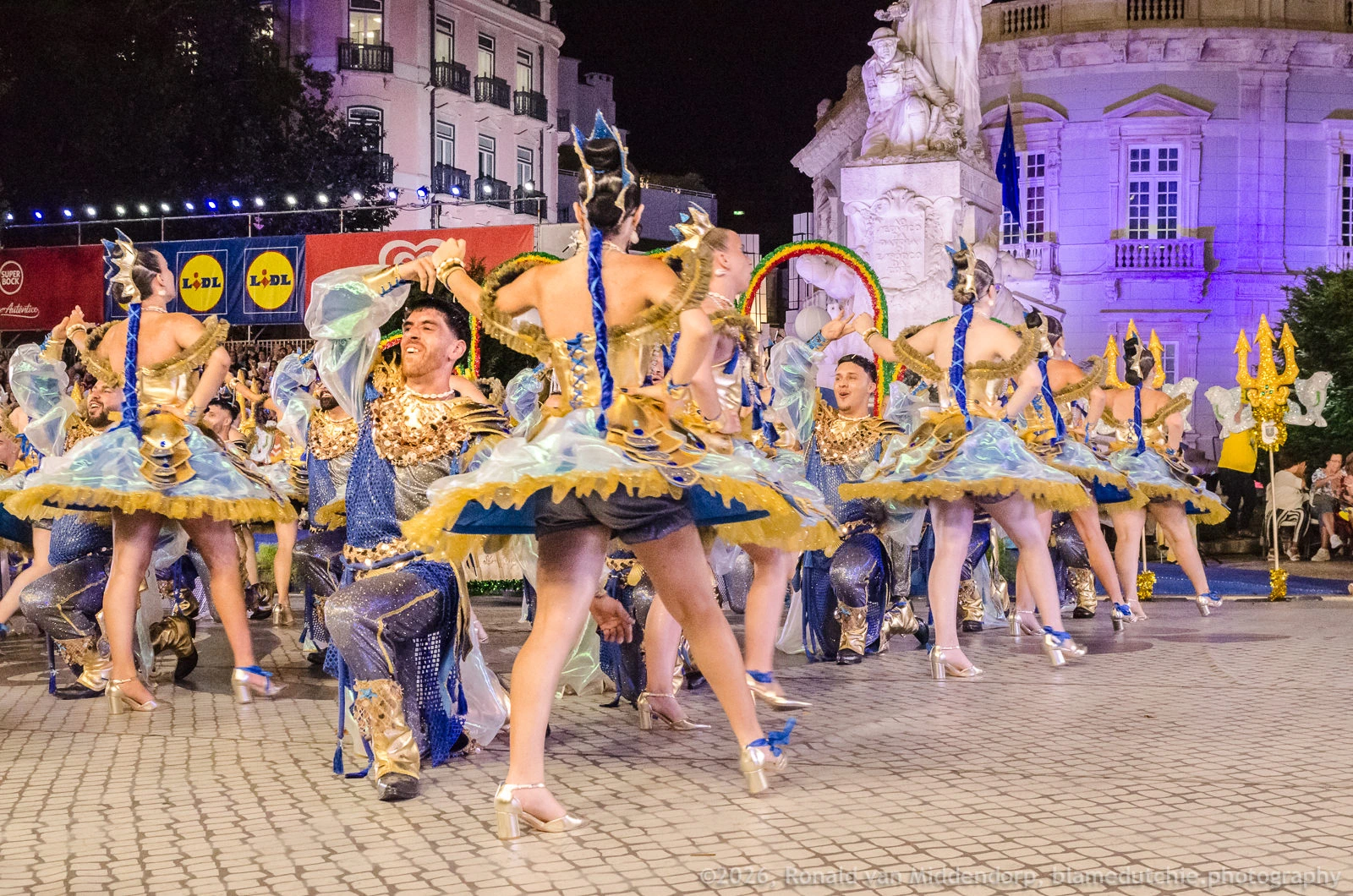
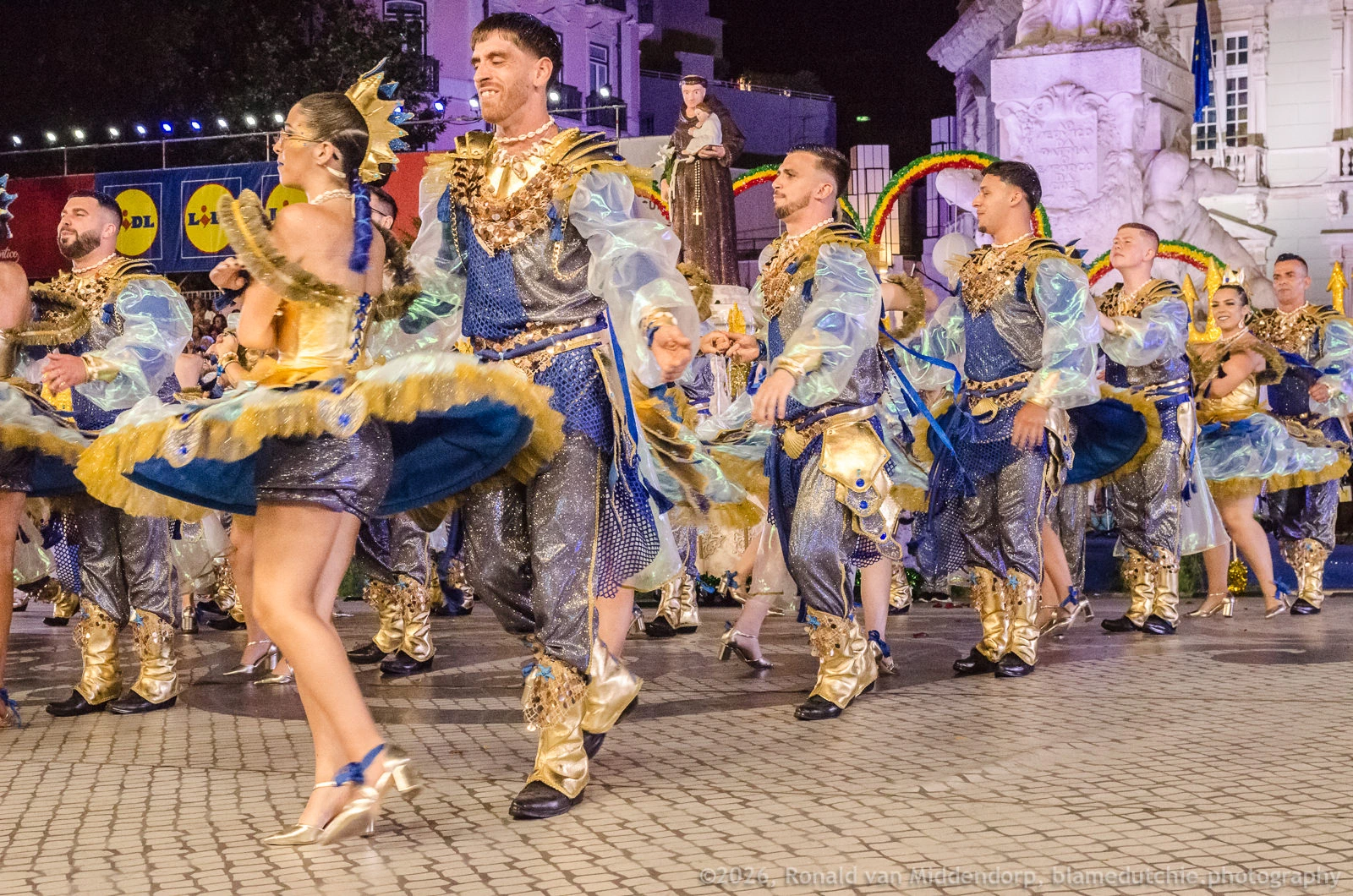
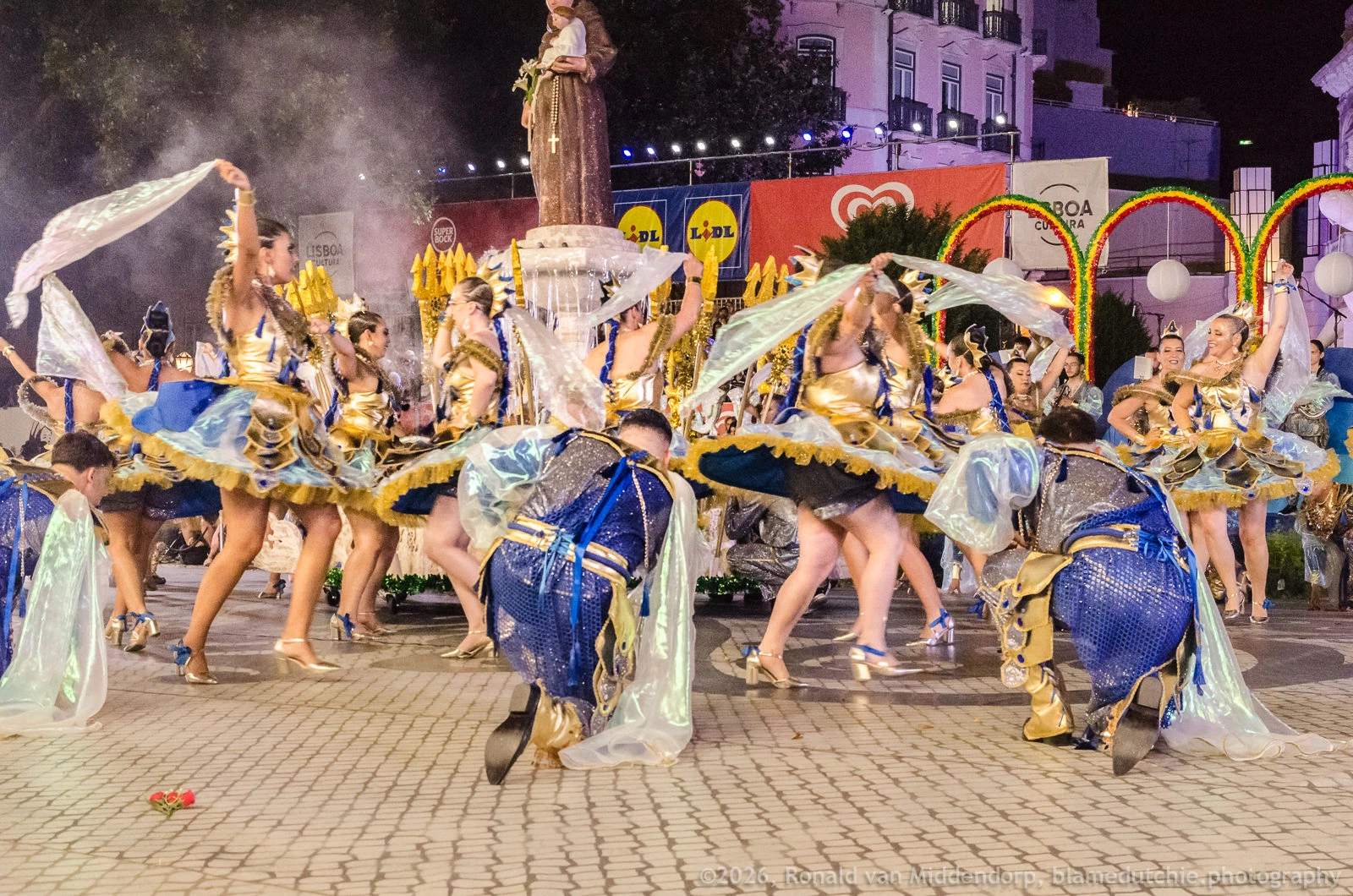
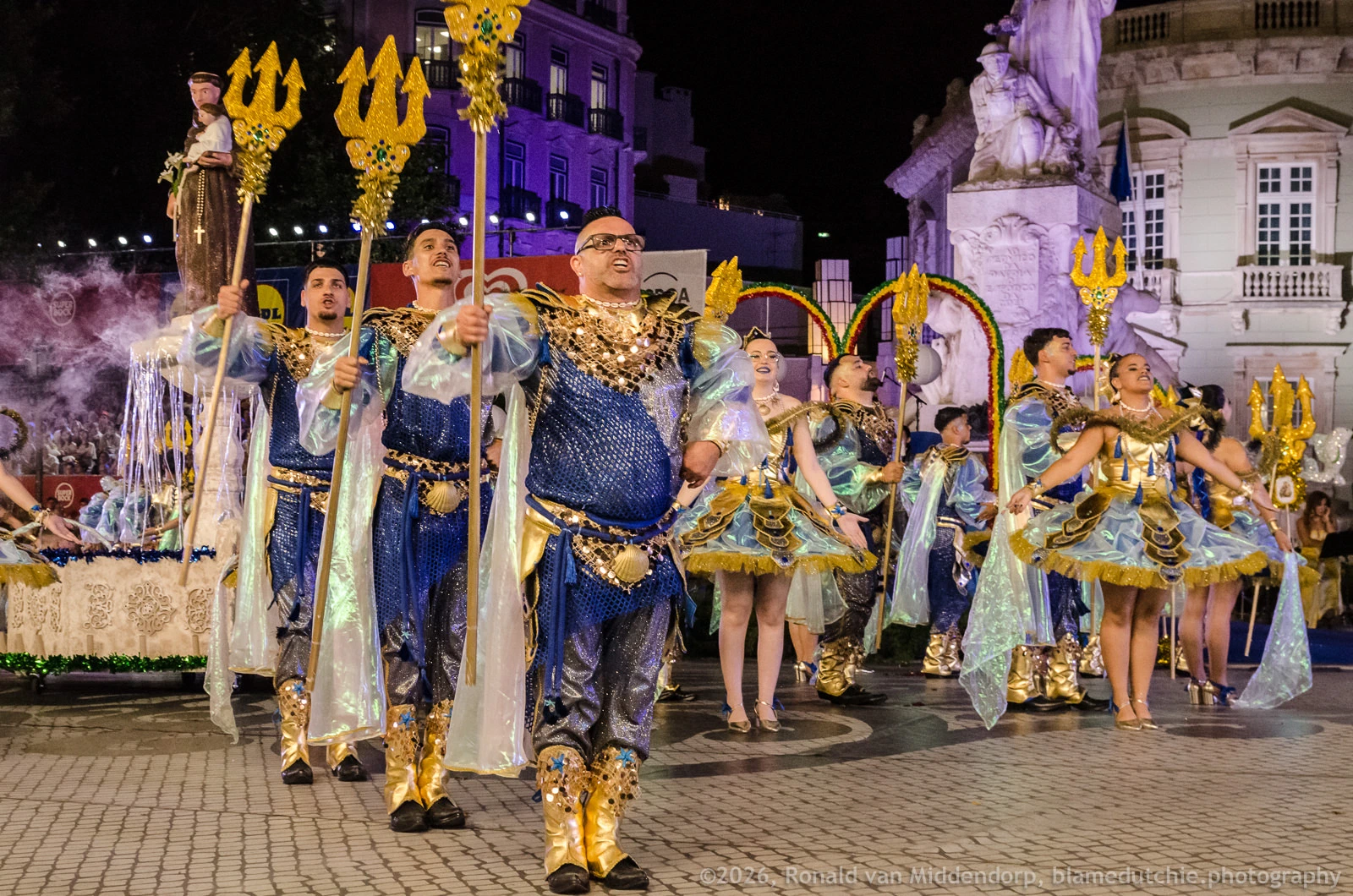
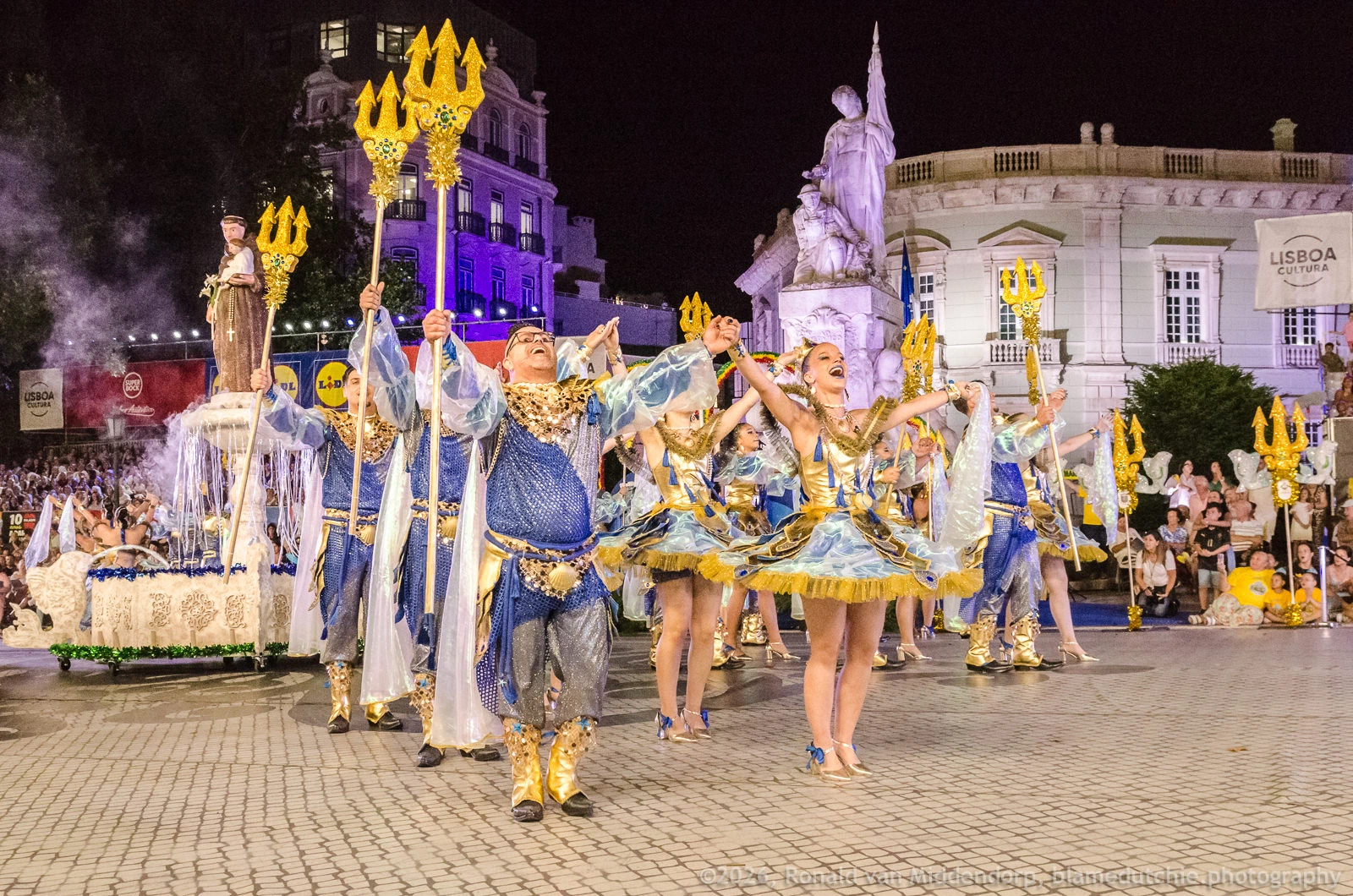
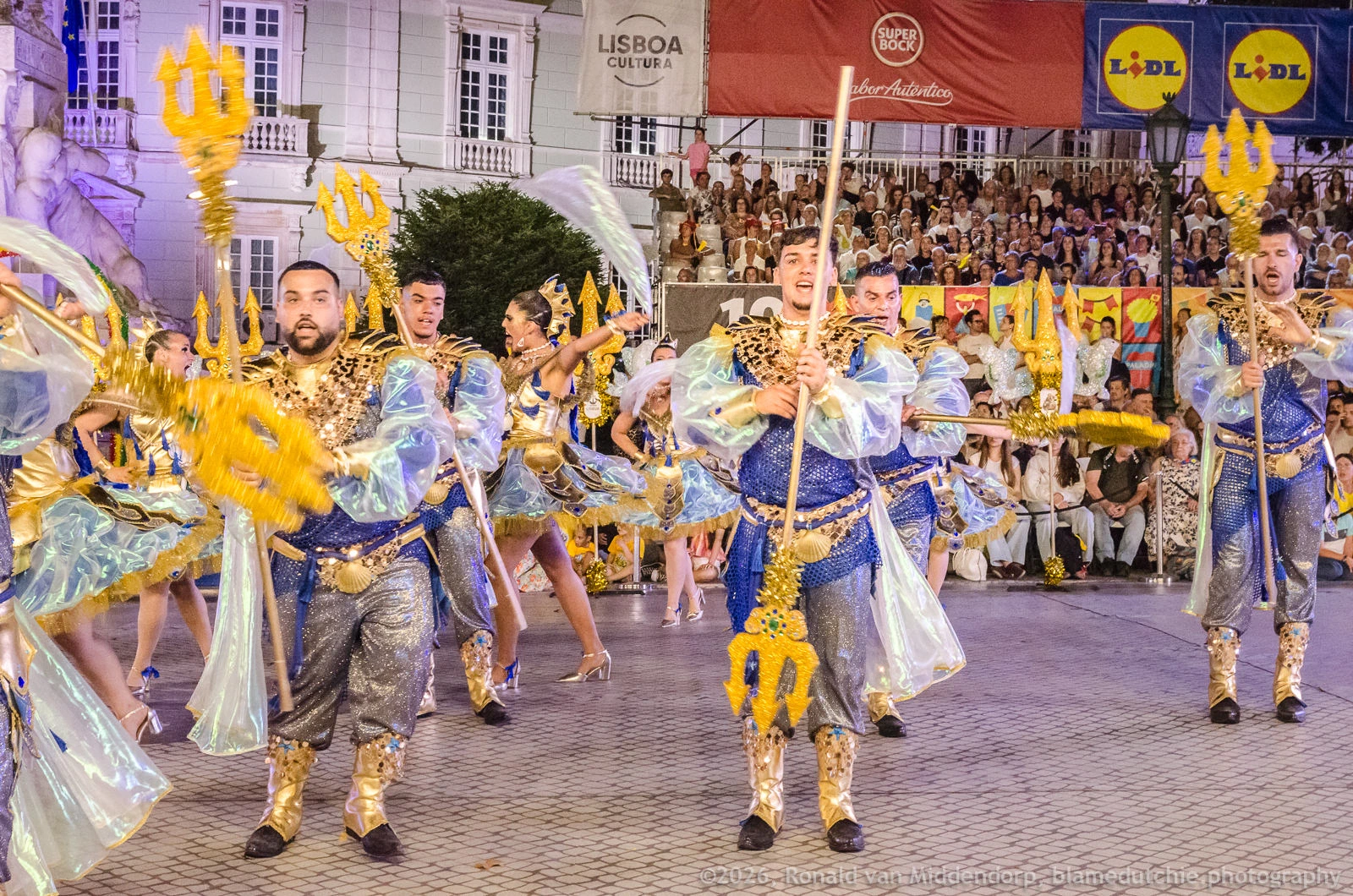
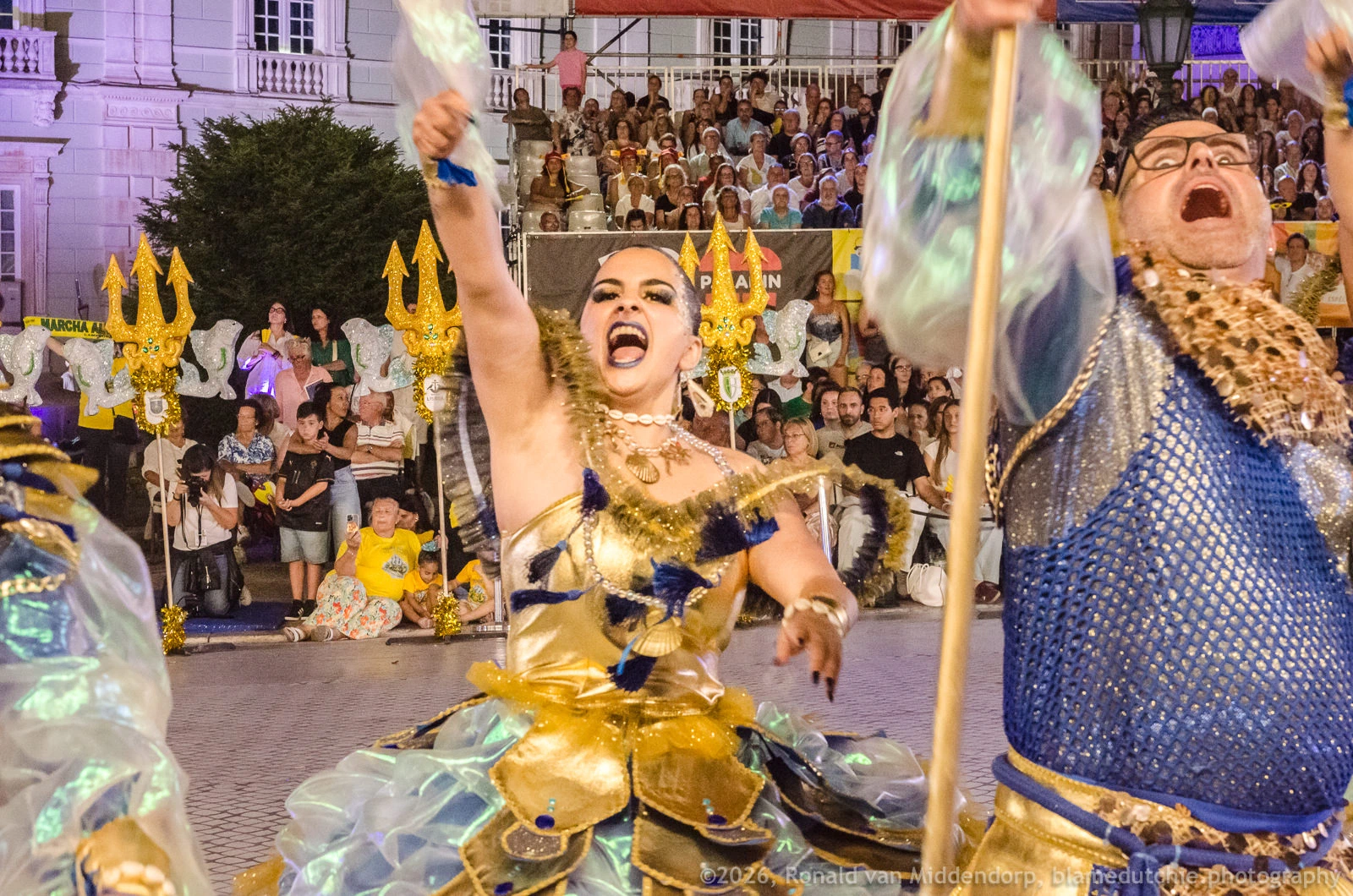
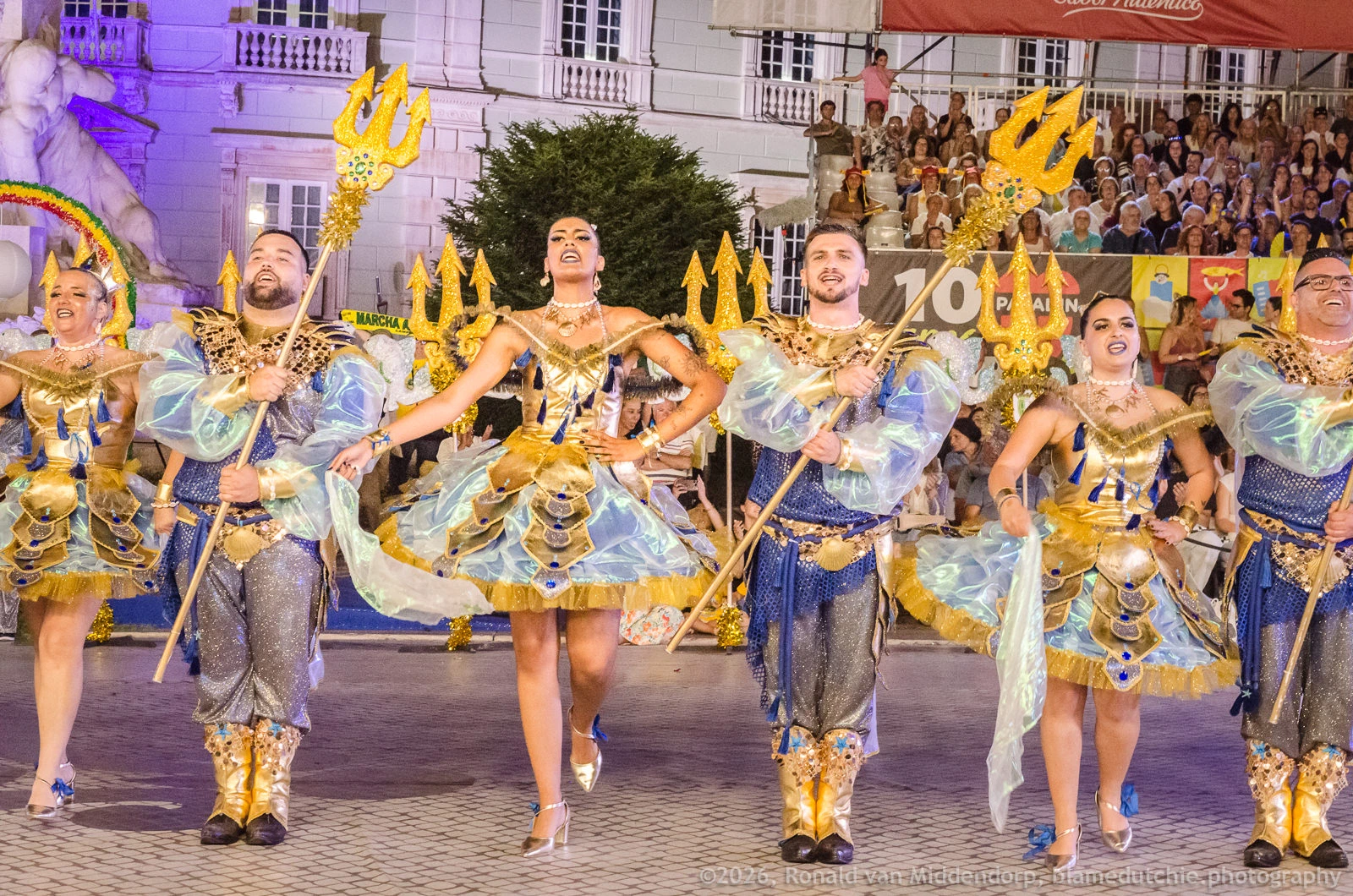
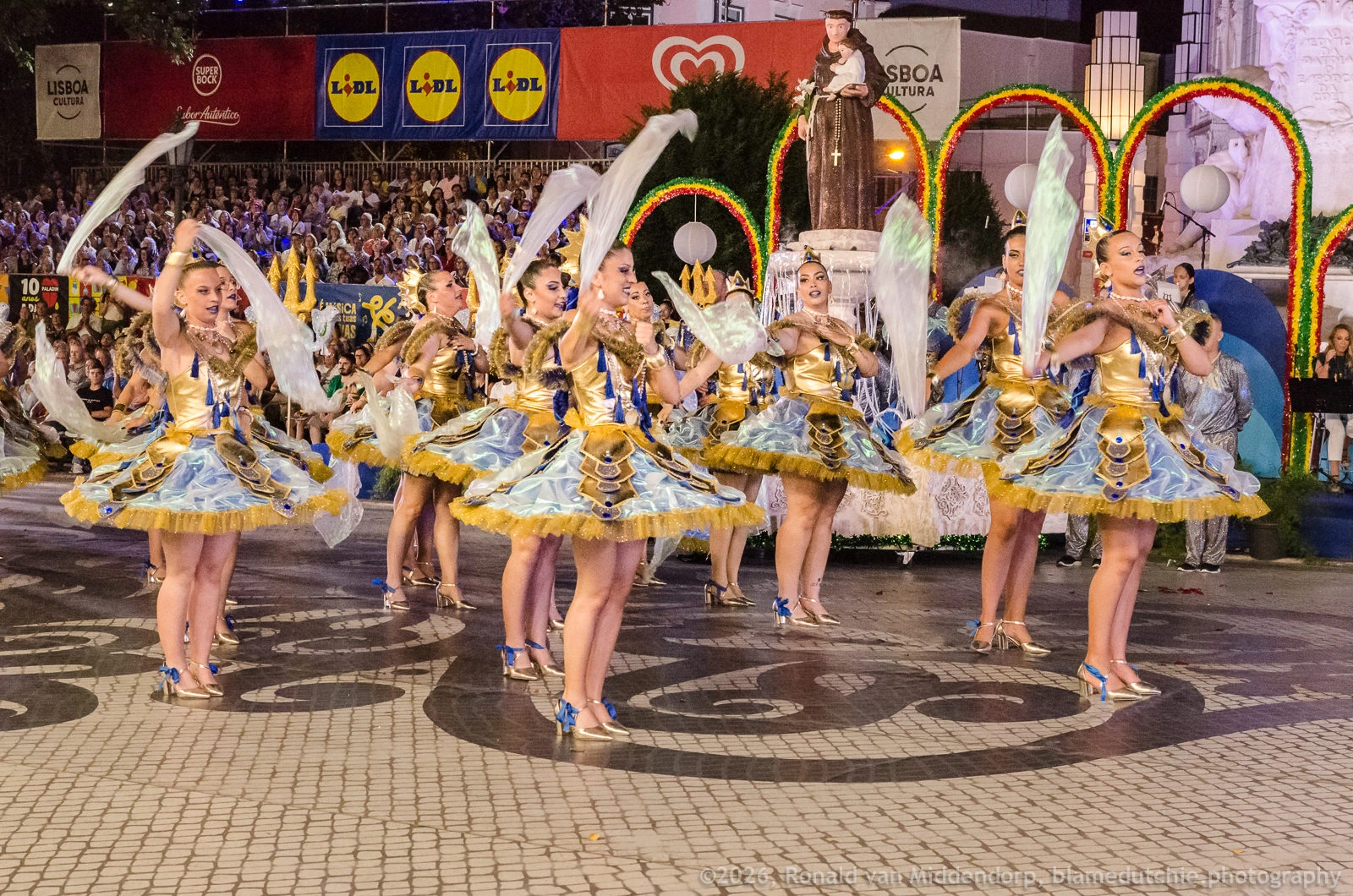
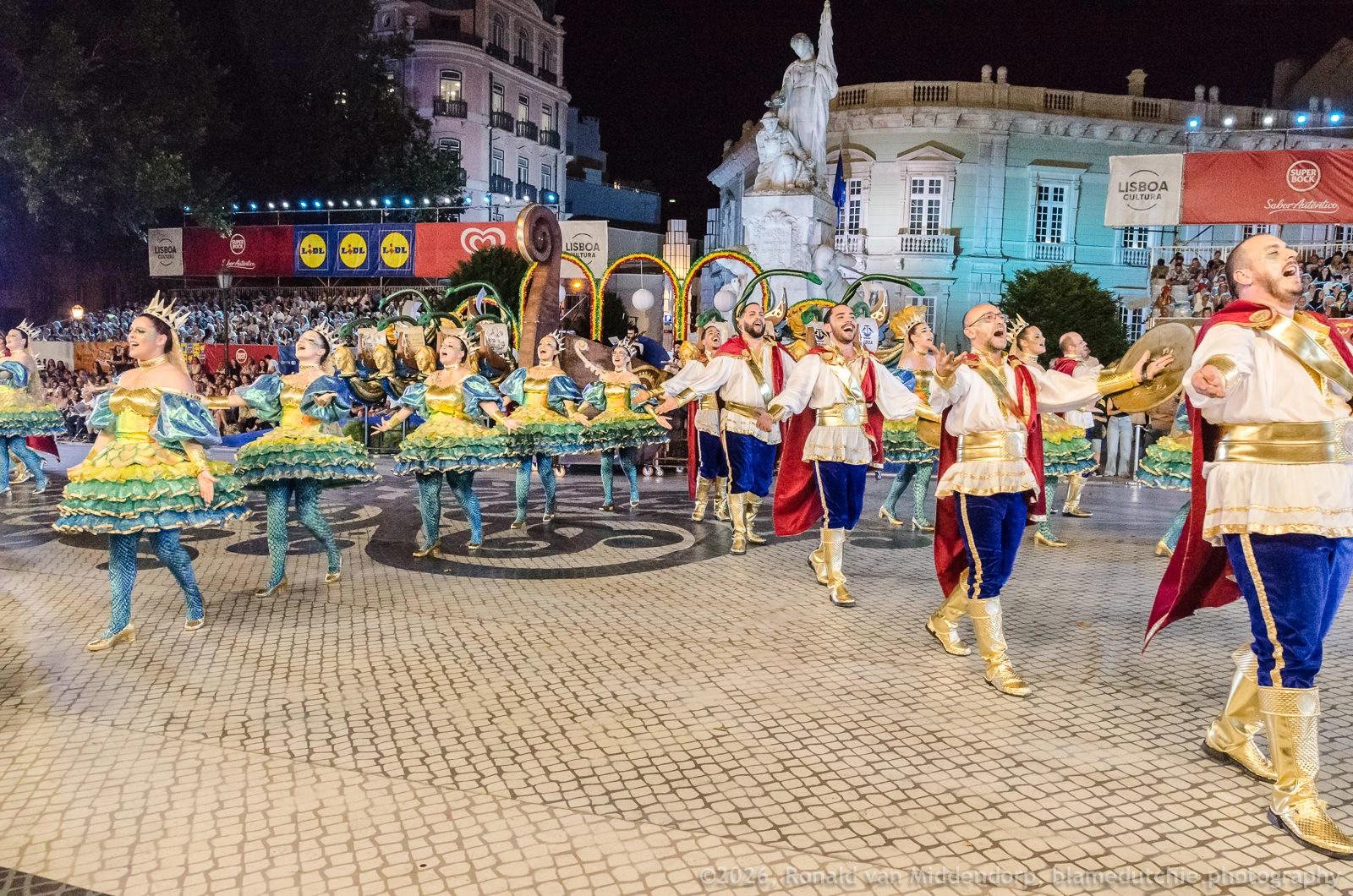
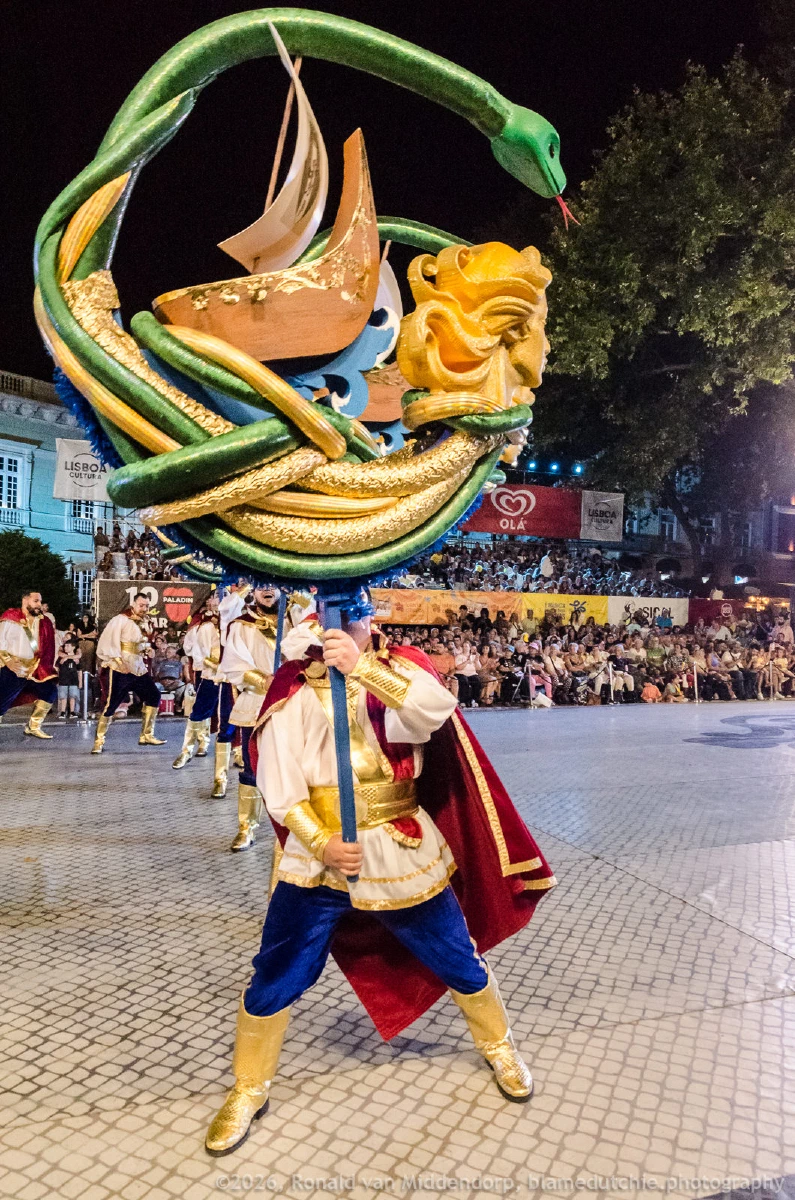
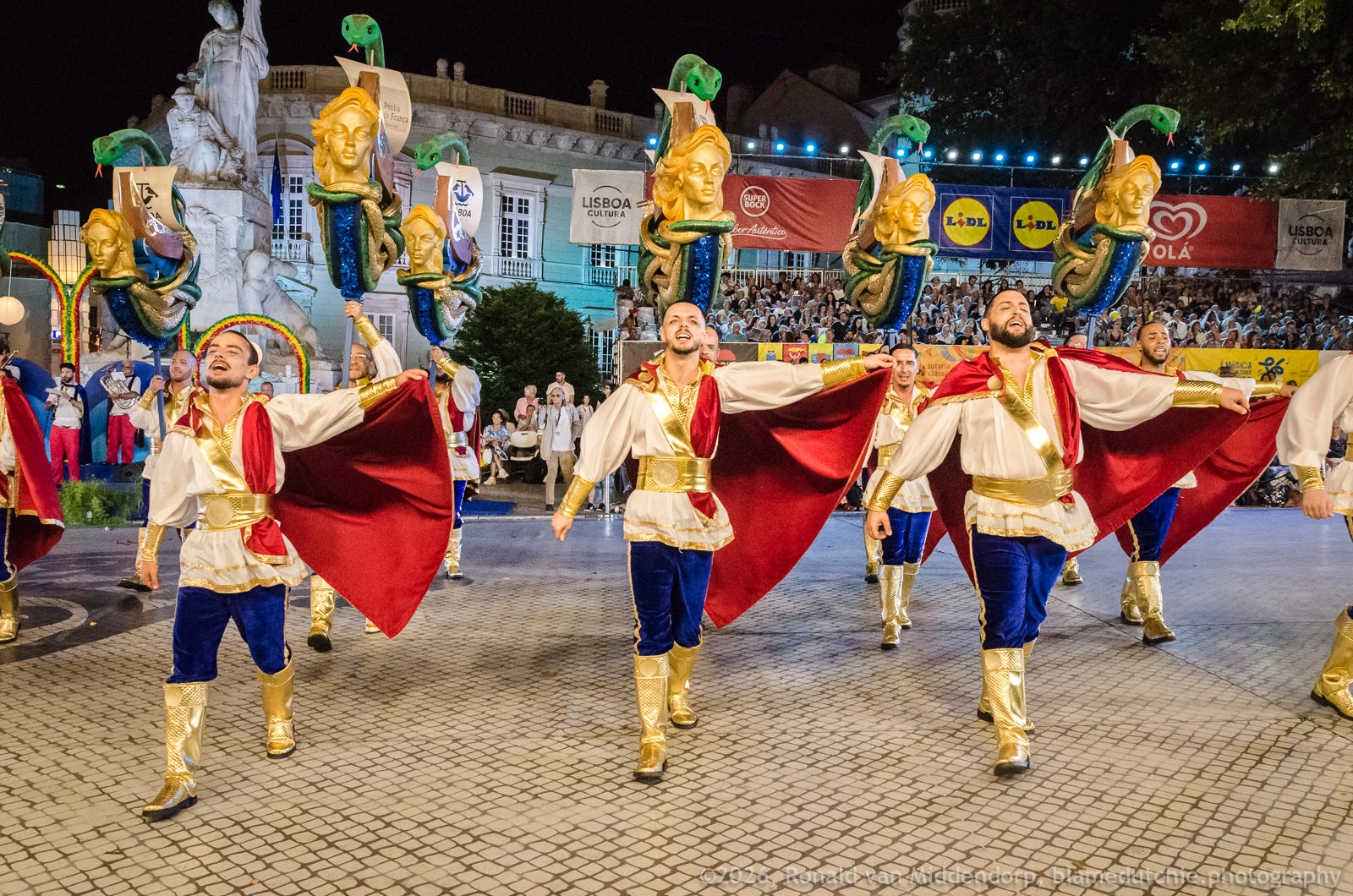
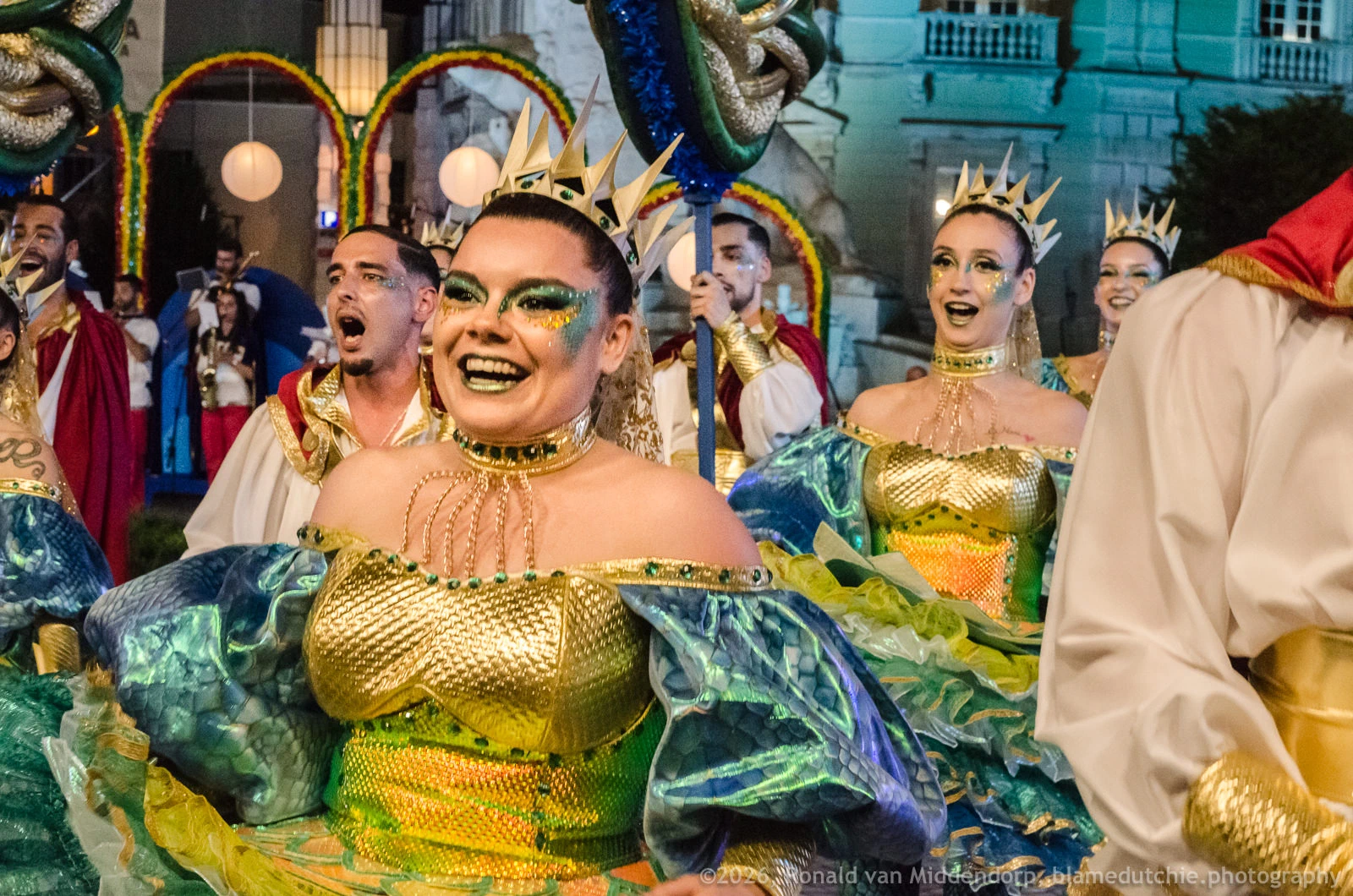
Alto do Pina
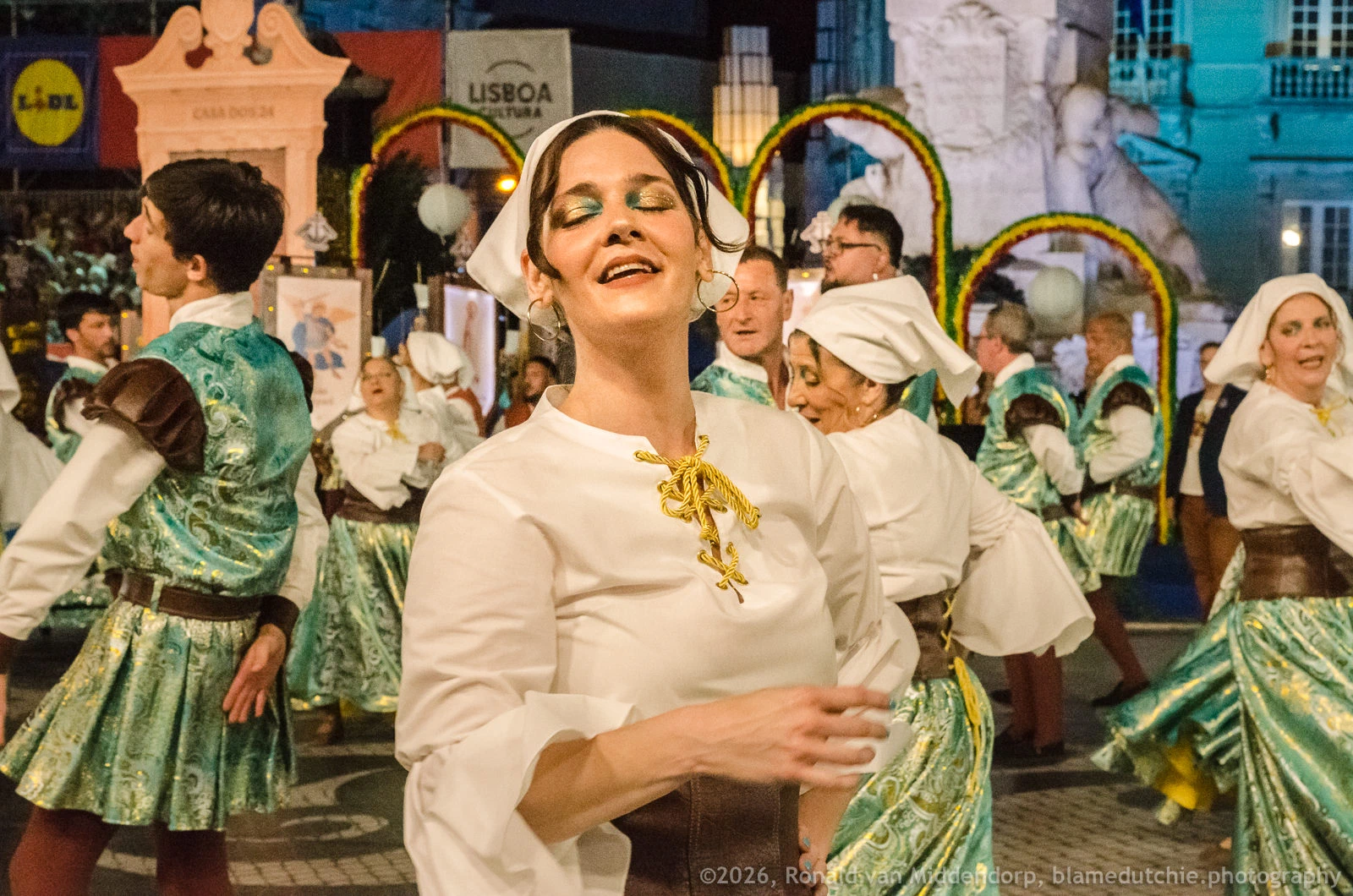
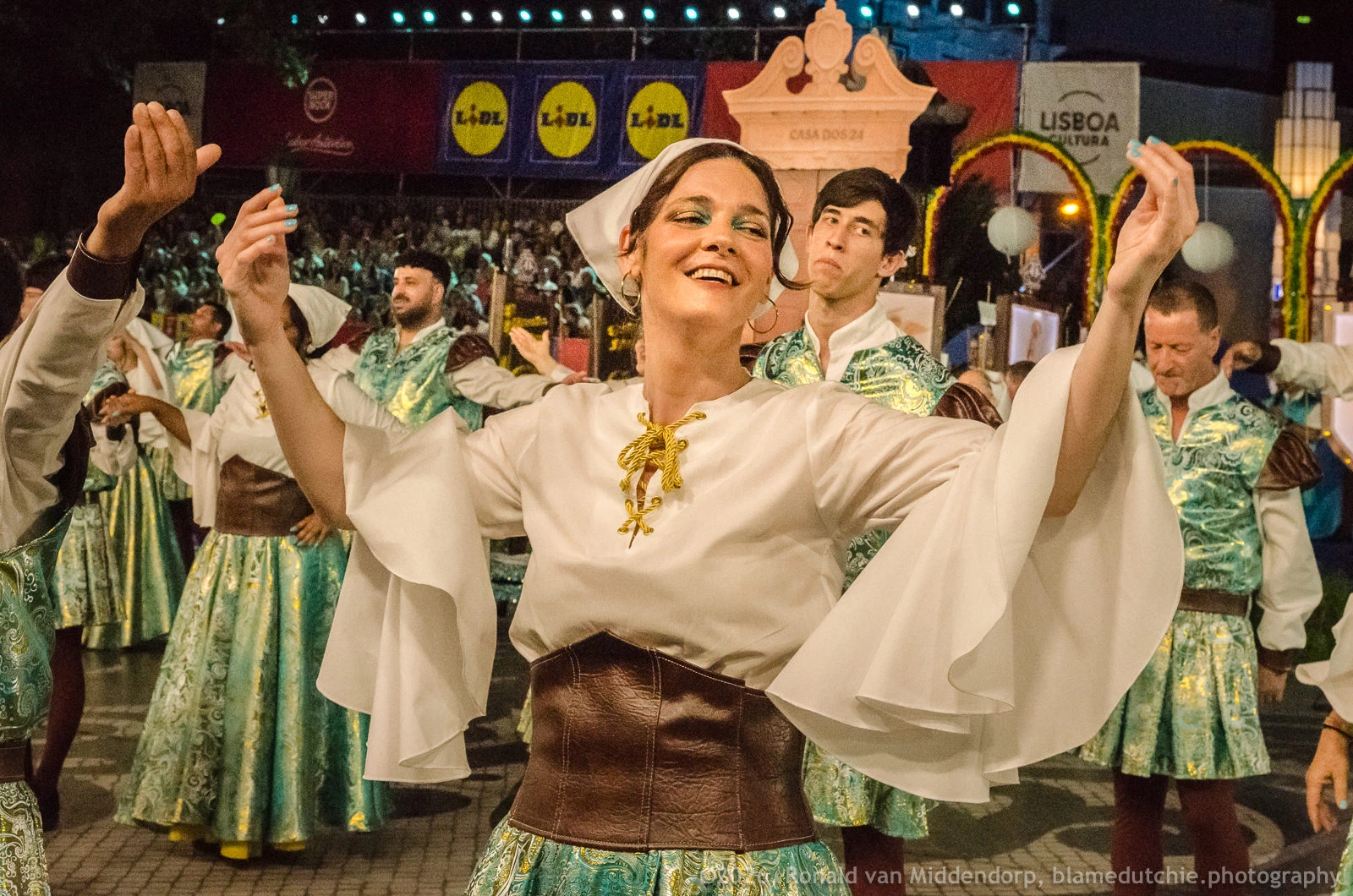
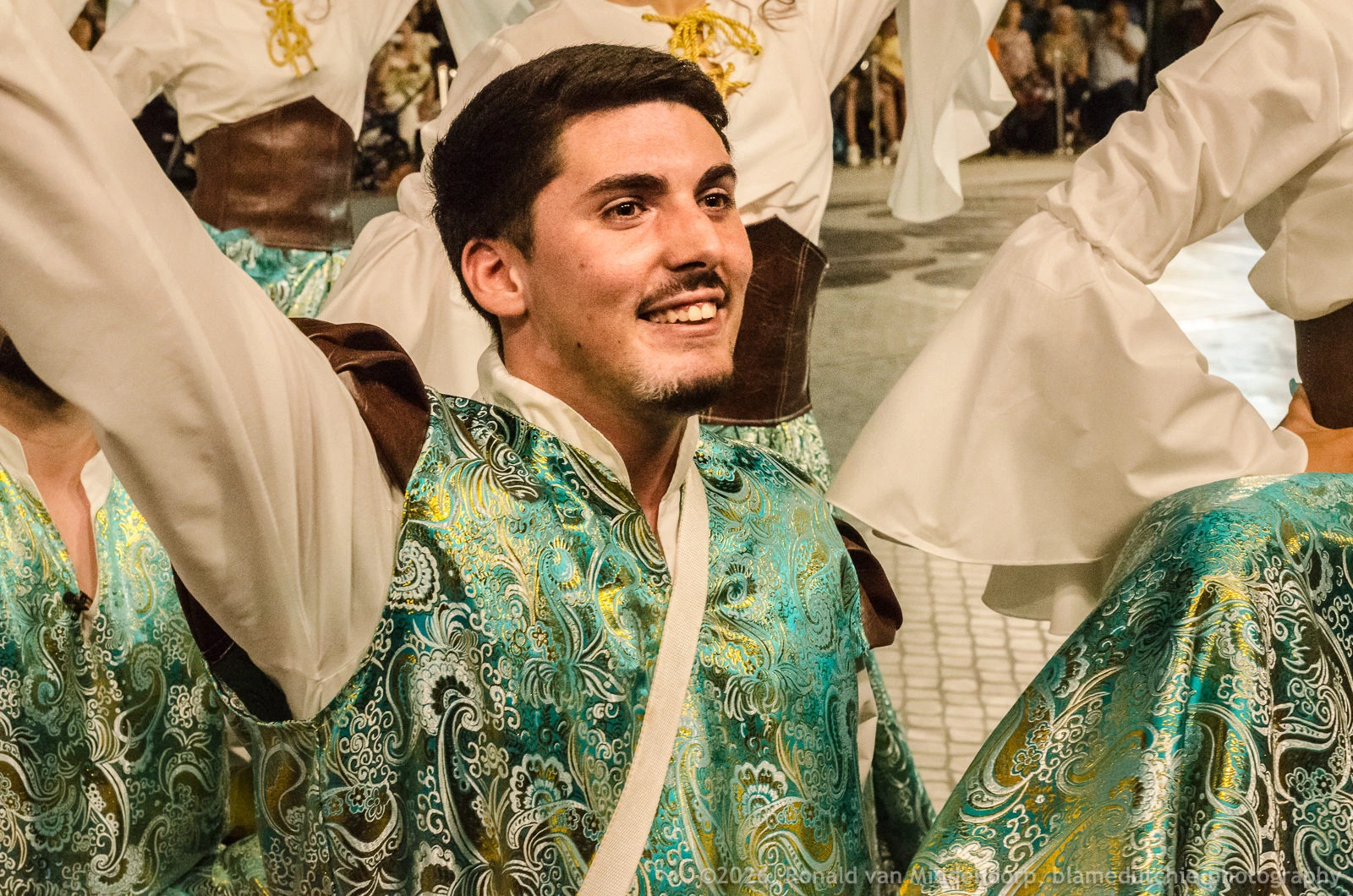
A bairro in the Penha de França freguesia, with its own identity. From the beginning, almost a year ago, part of the marches. According to the website of the junta de freguesia, The Alto do Pina March is, much more than participation in a competition. It is a way of affirming the parish, valuing community involvement, bringing neighbours closer together, and celebrating Lisbon from its neighborhoods.
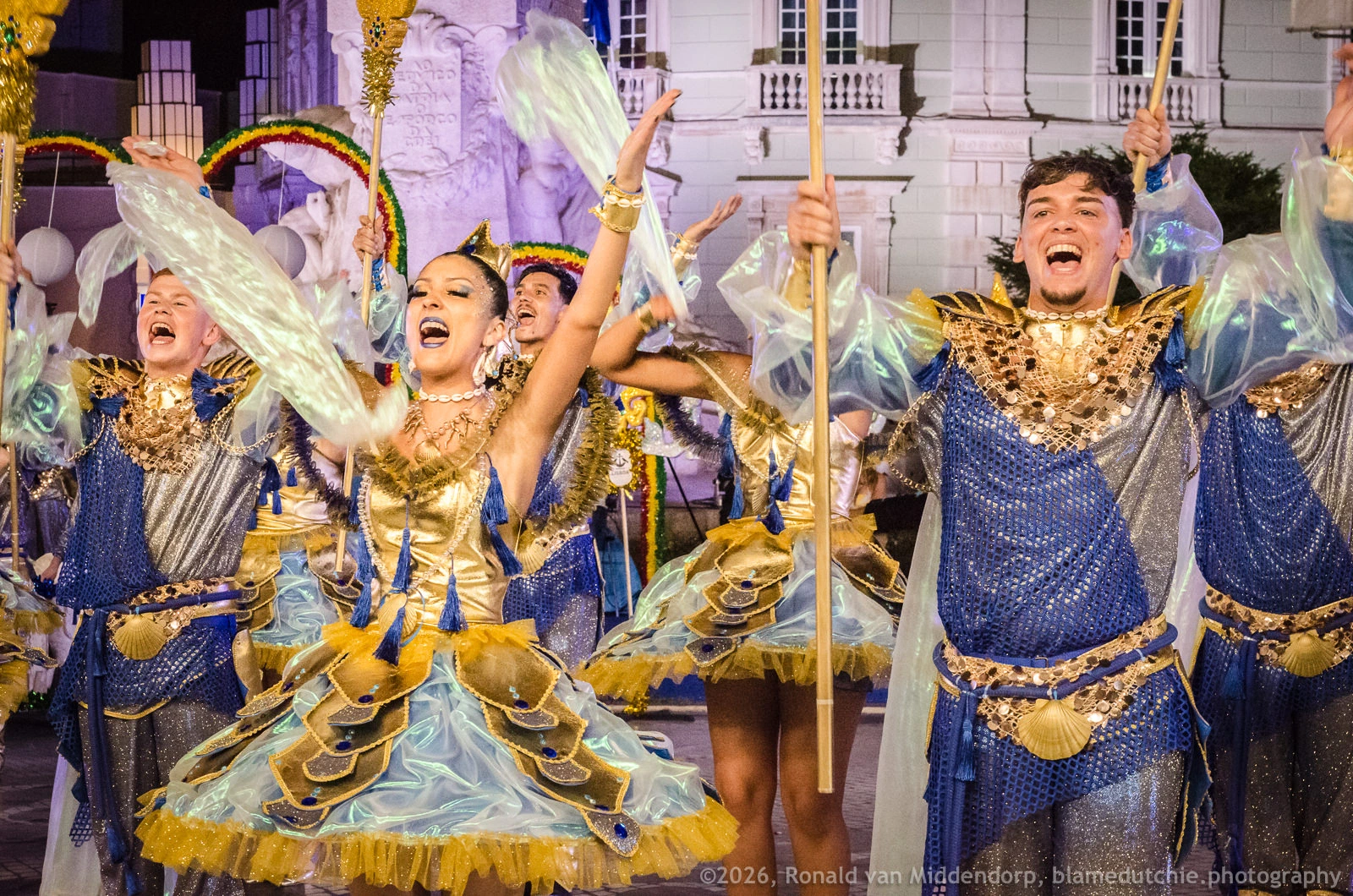
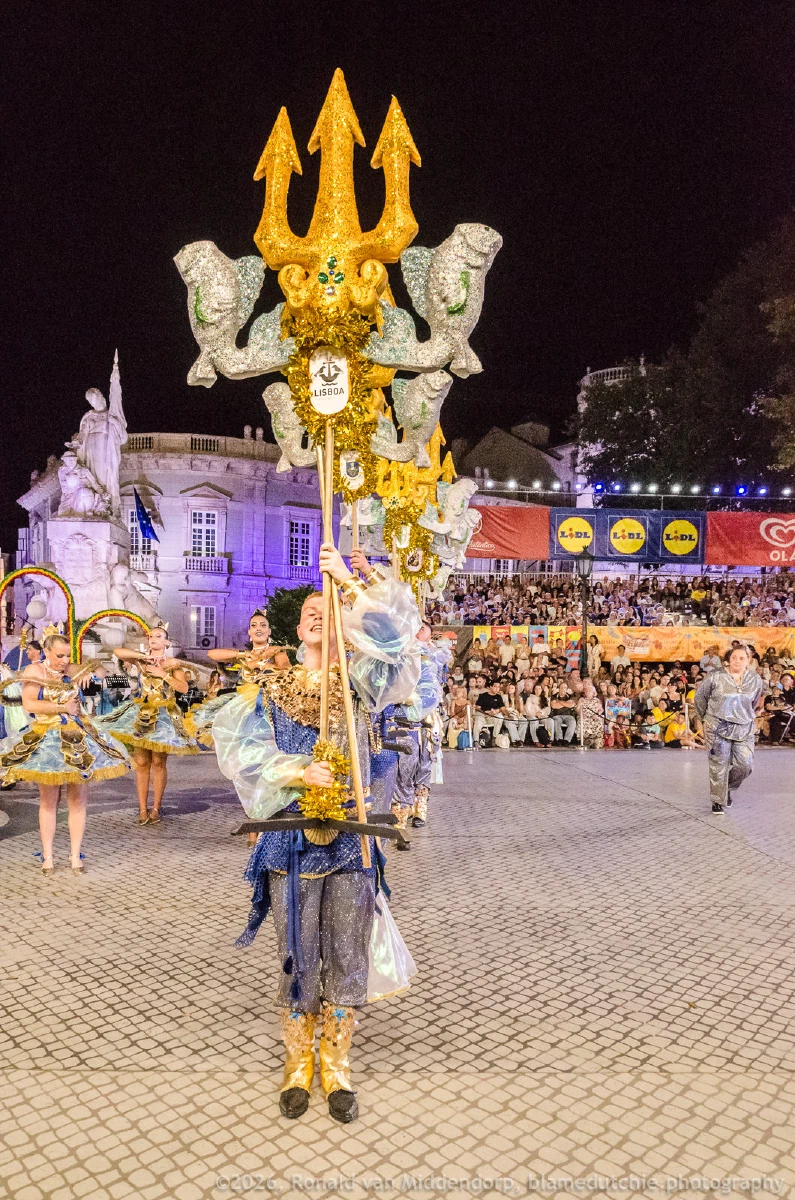
Penha de França
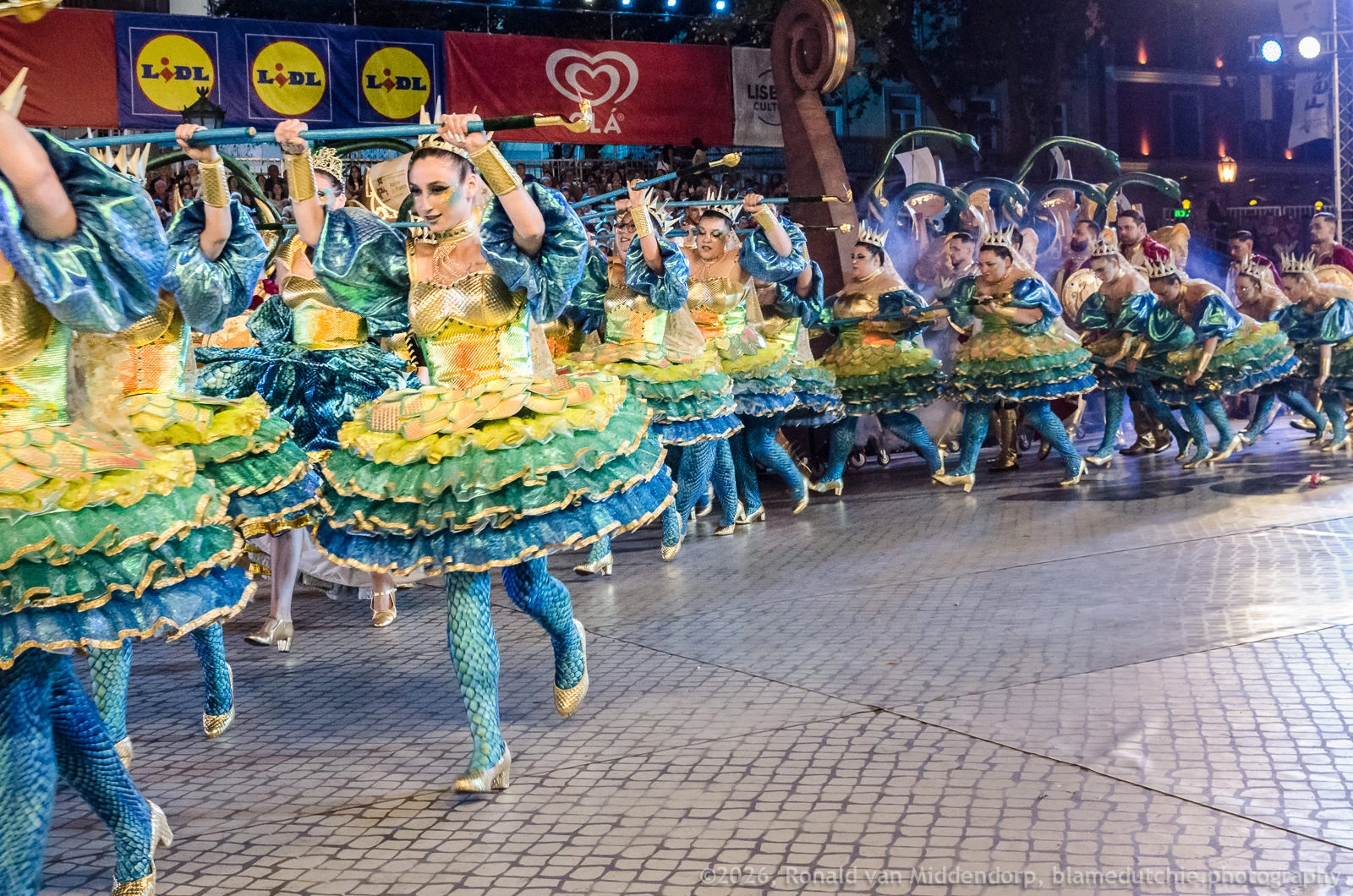
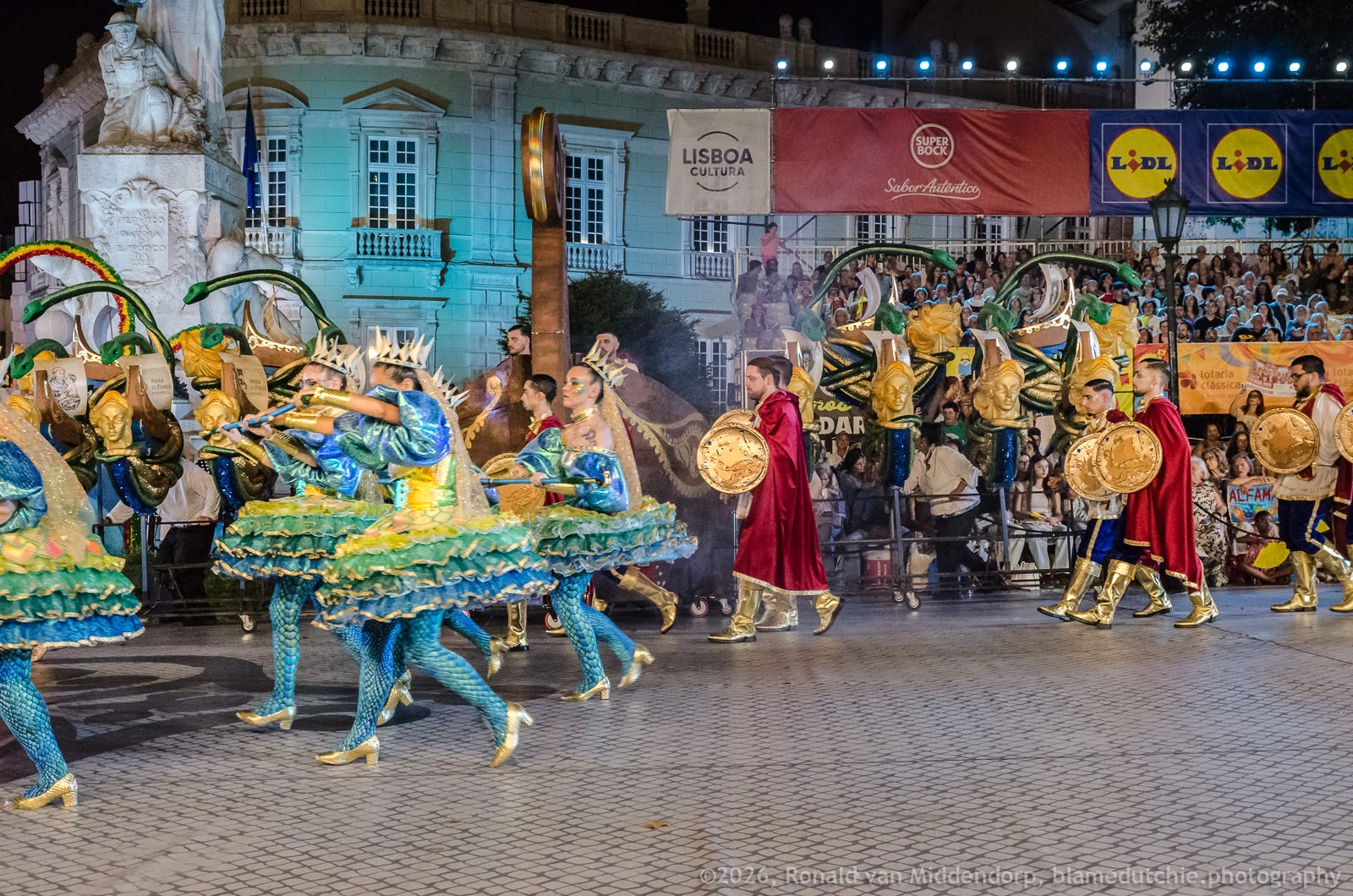
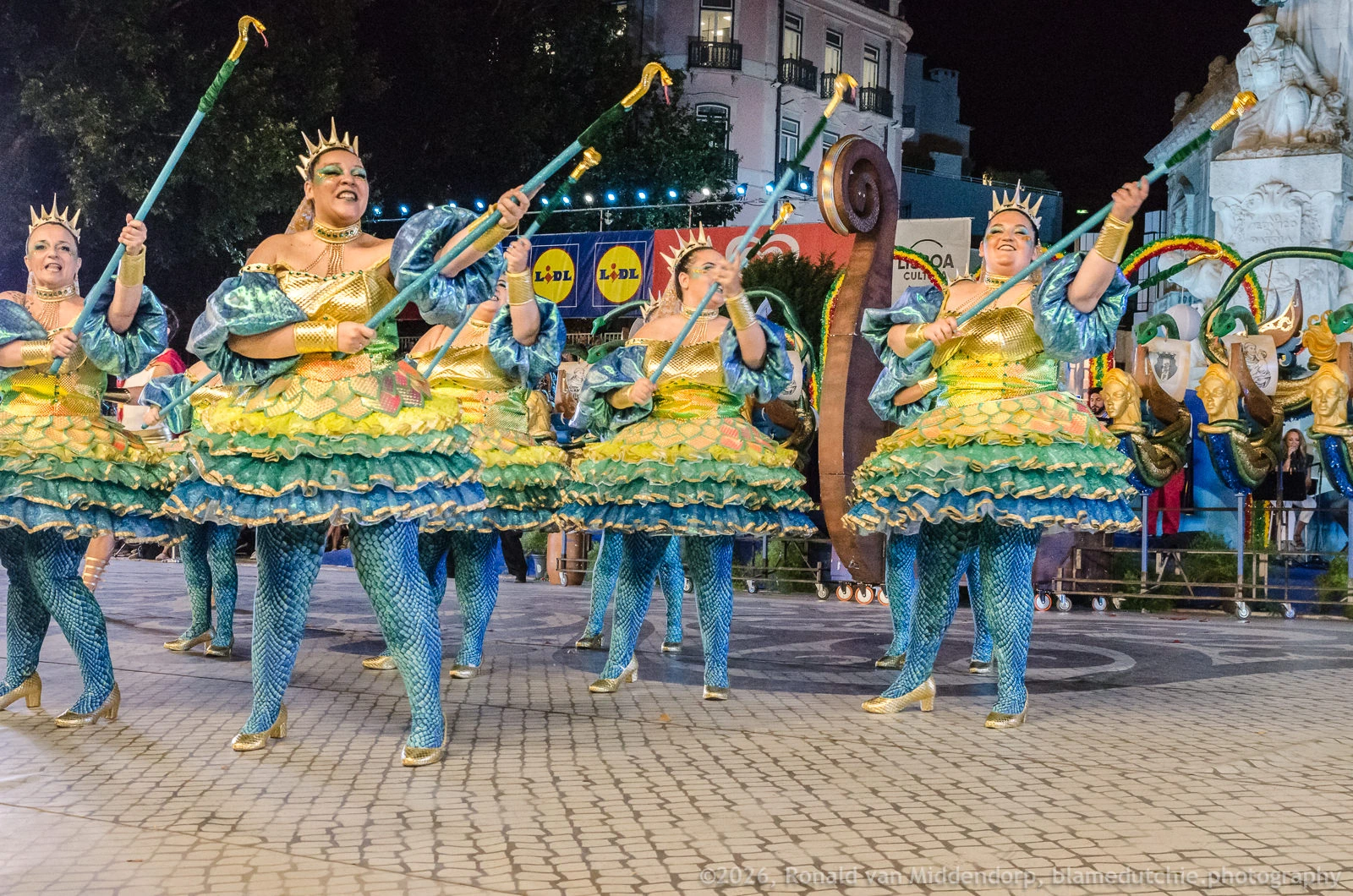
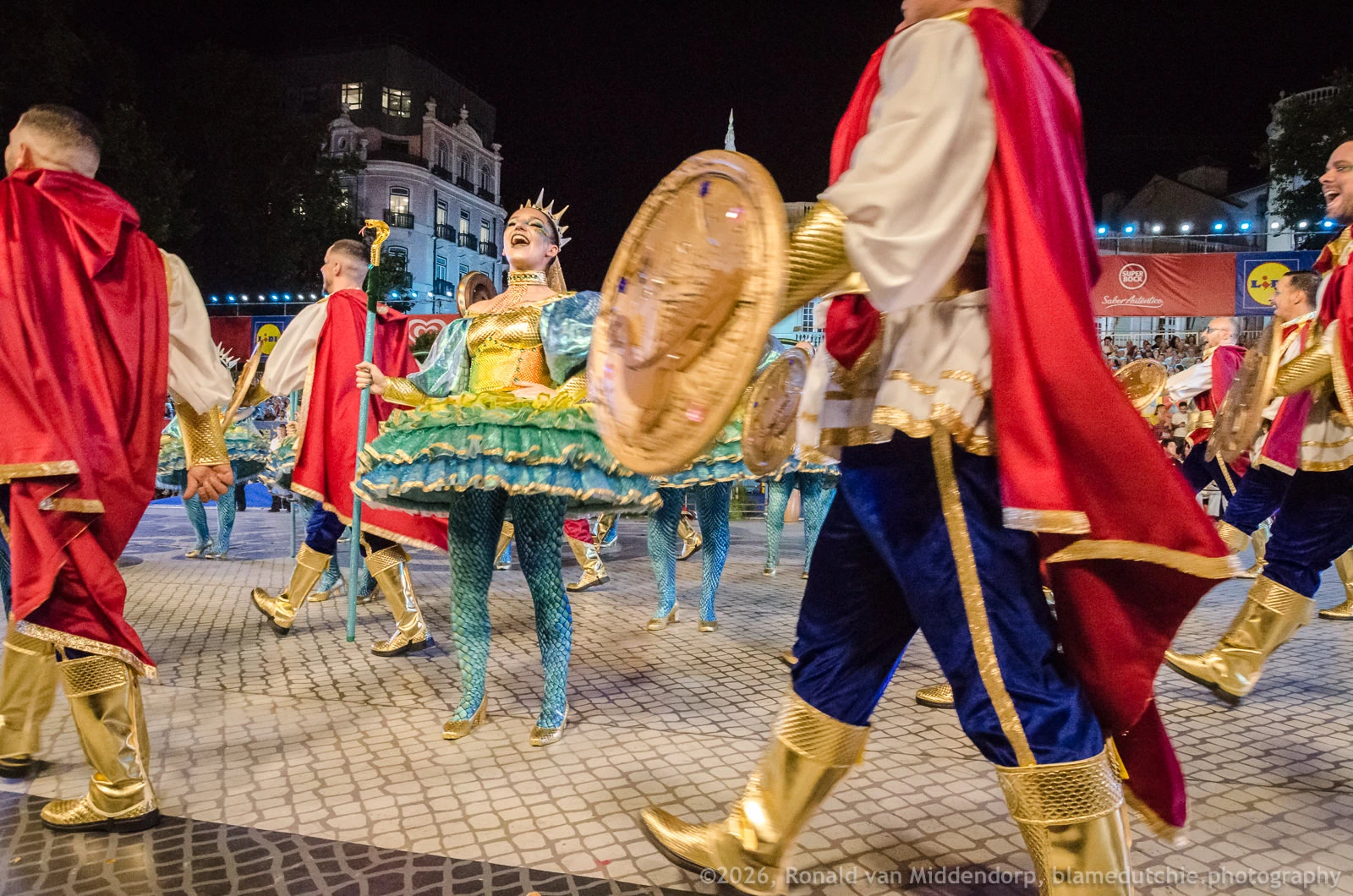
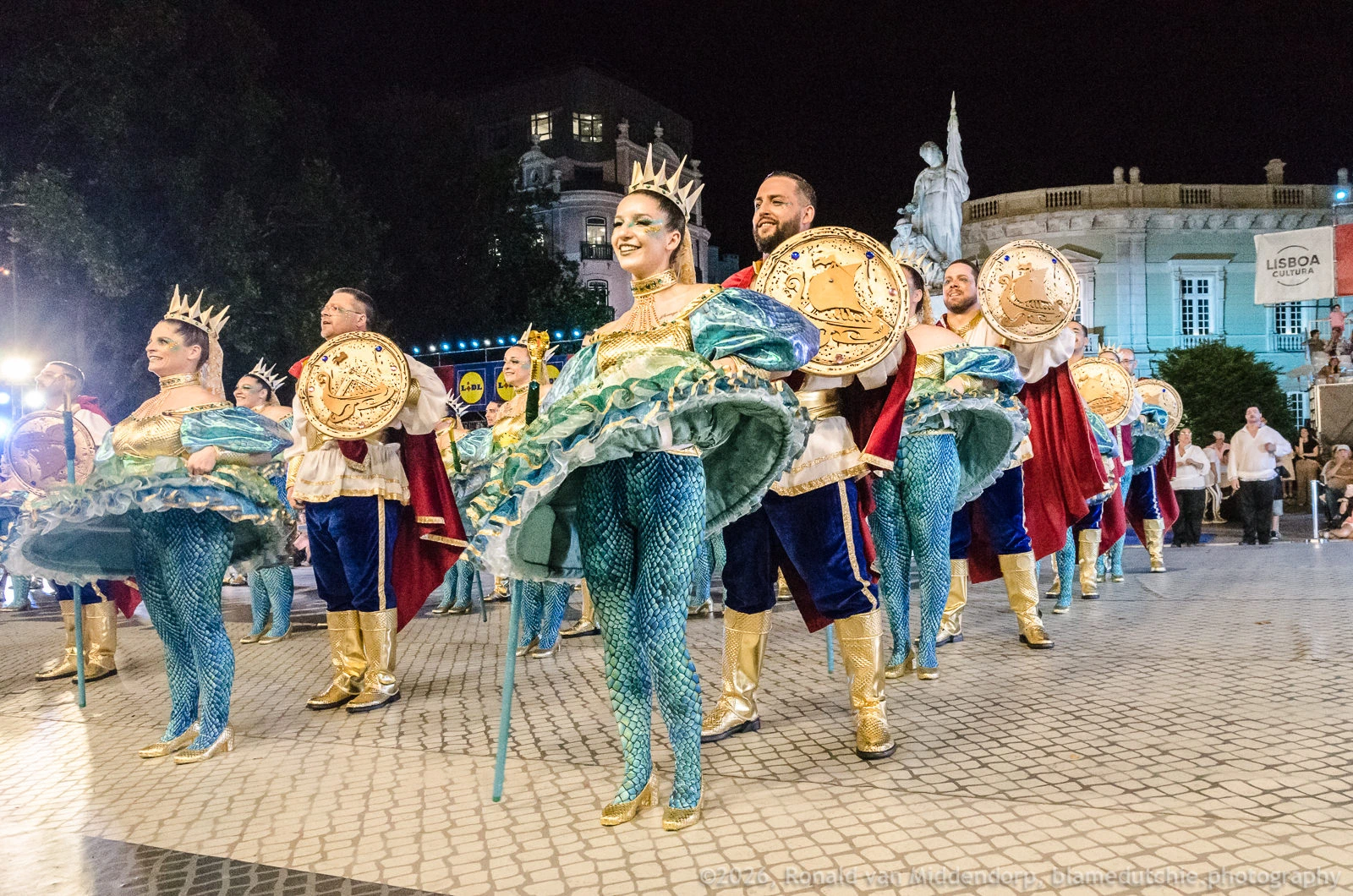
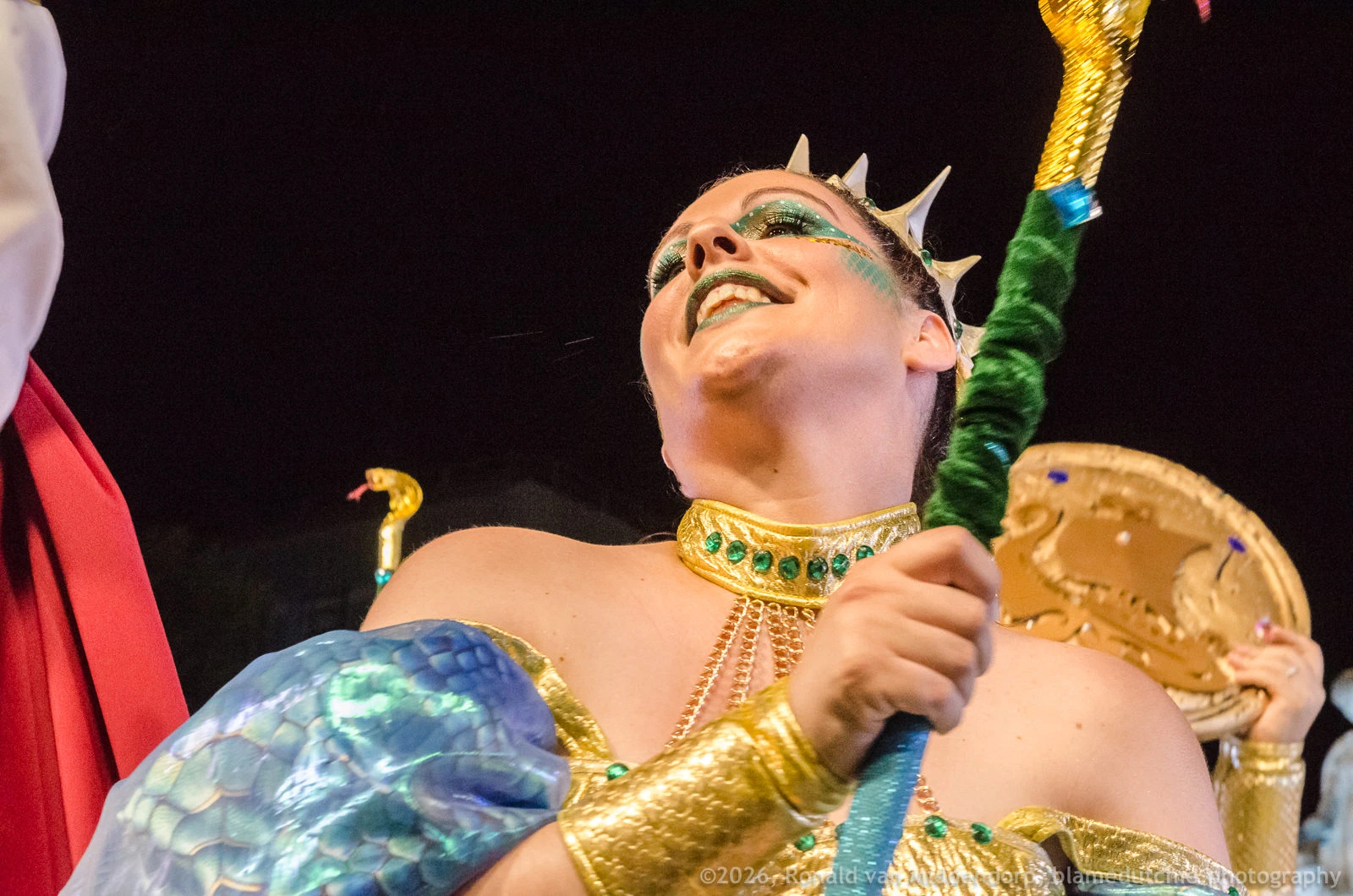
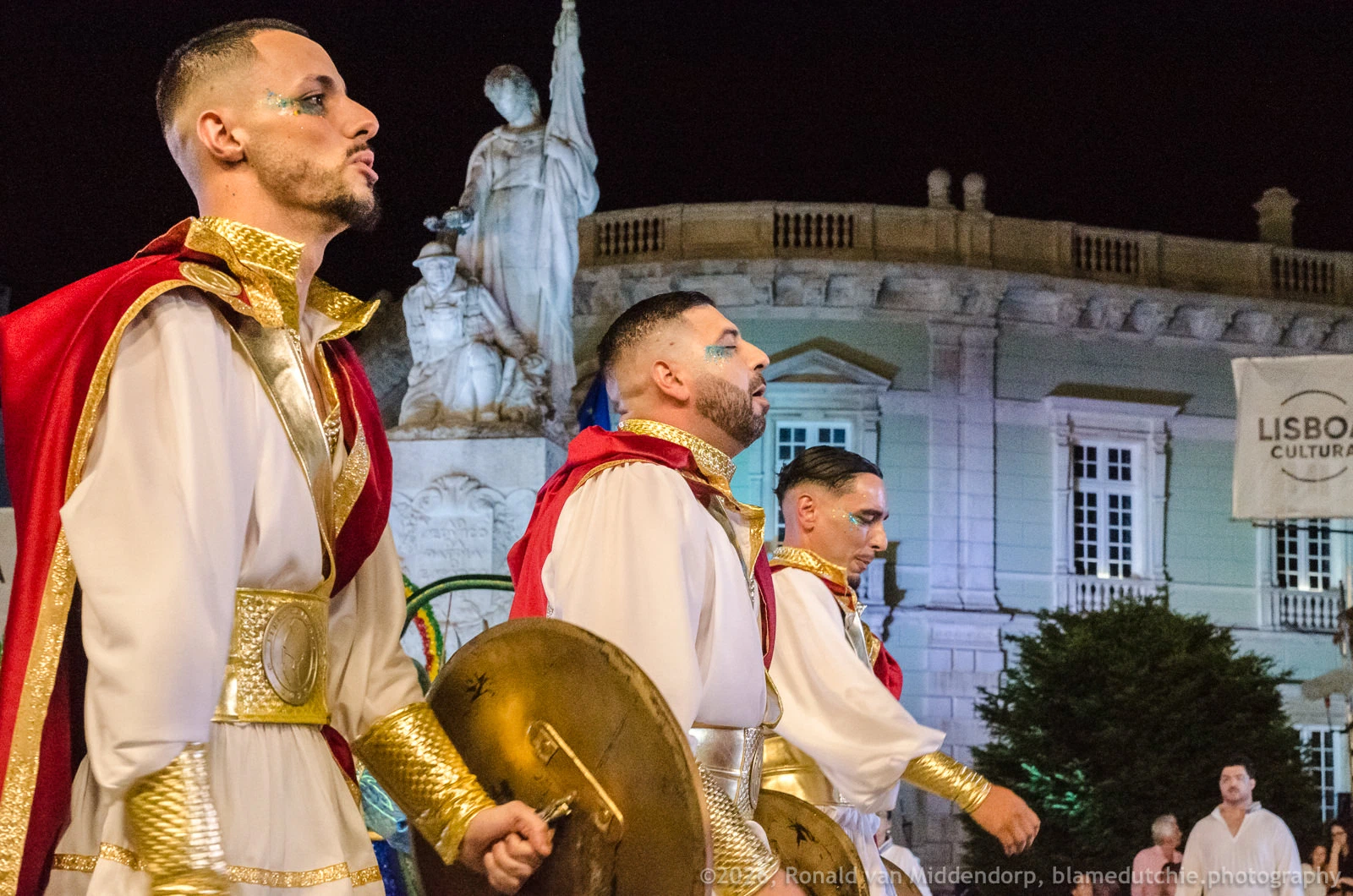
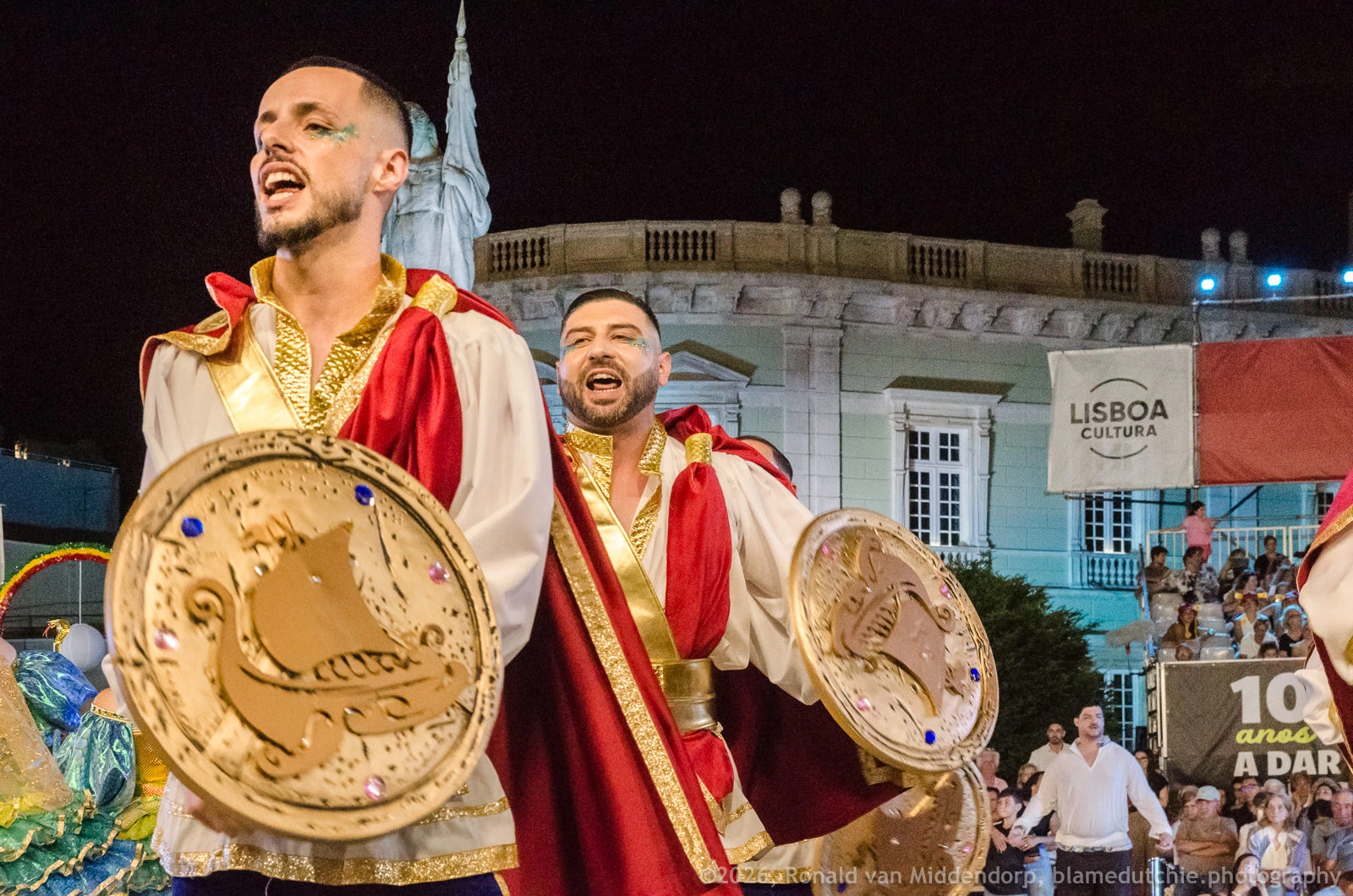
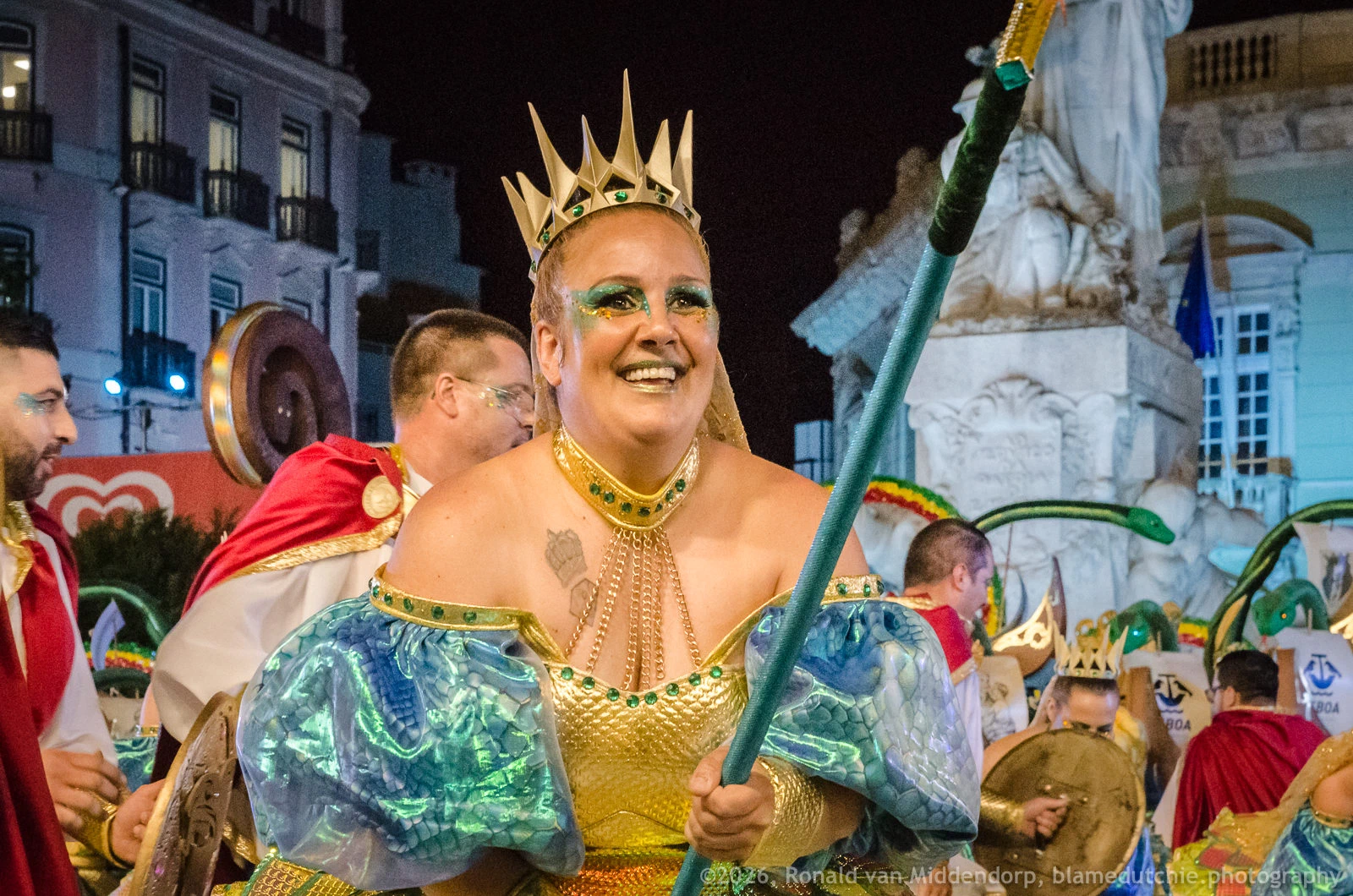
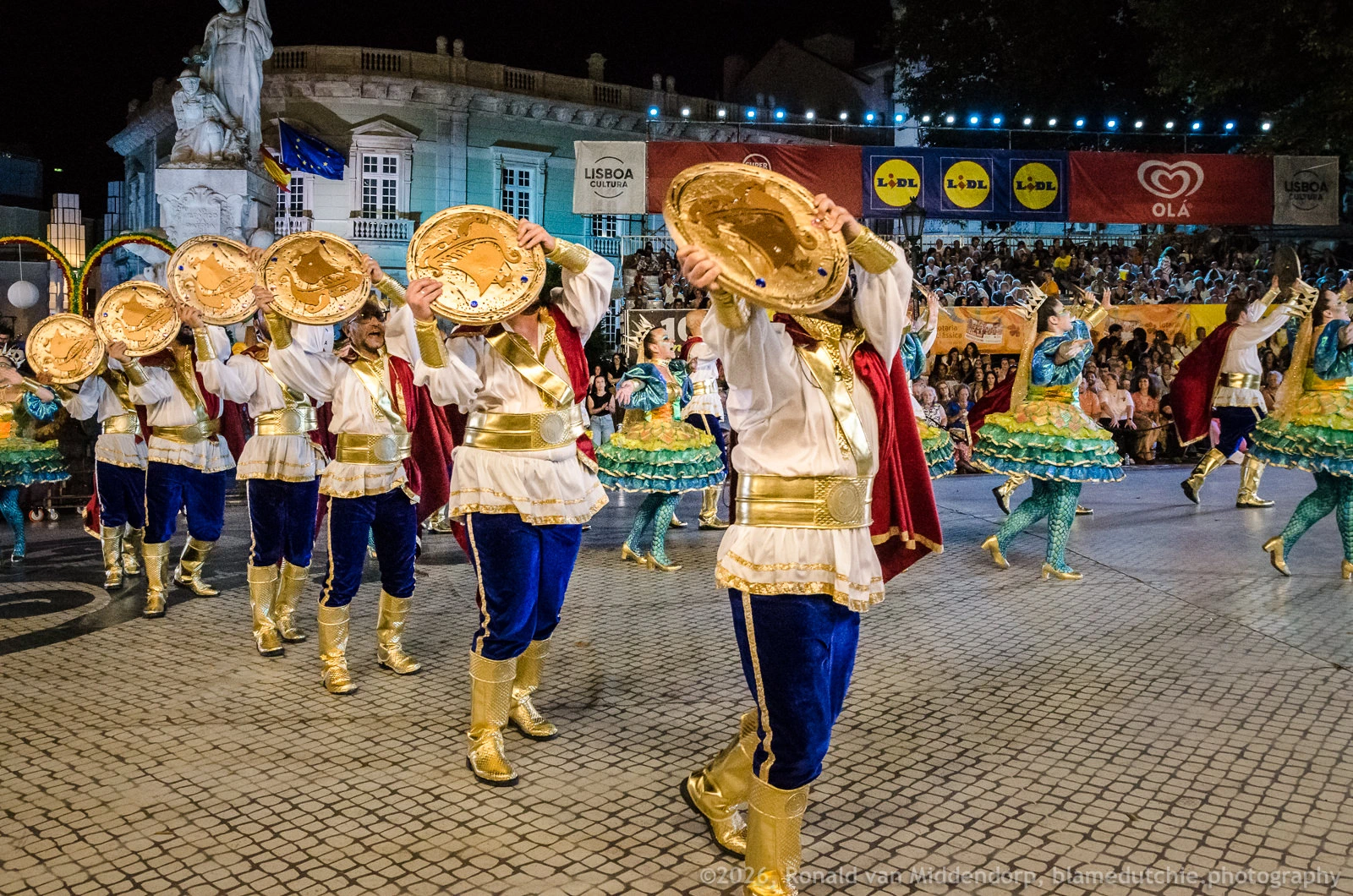
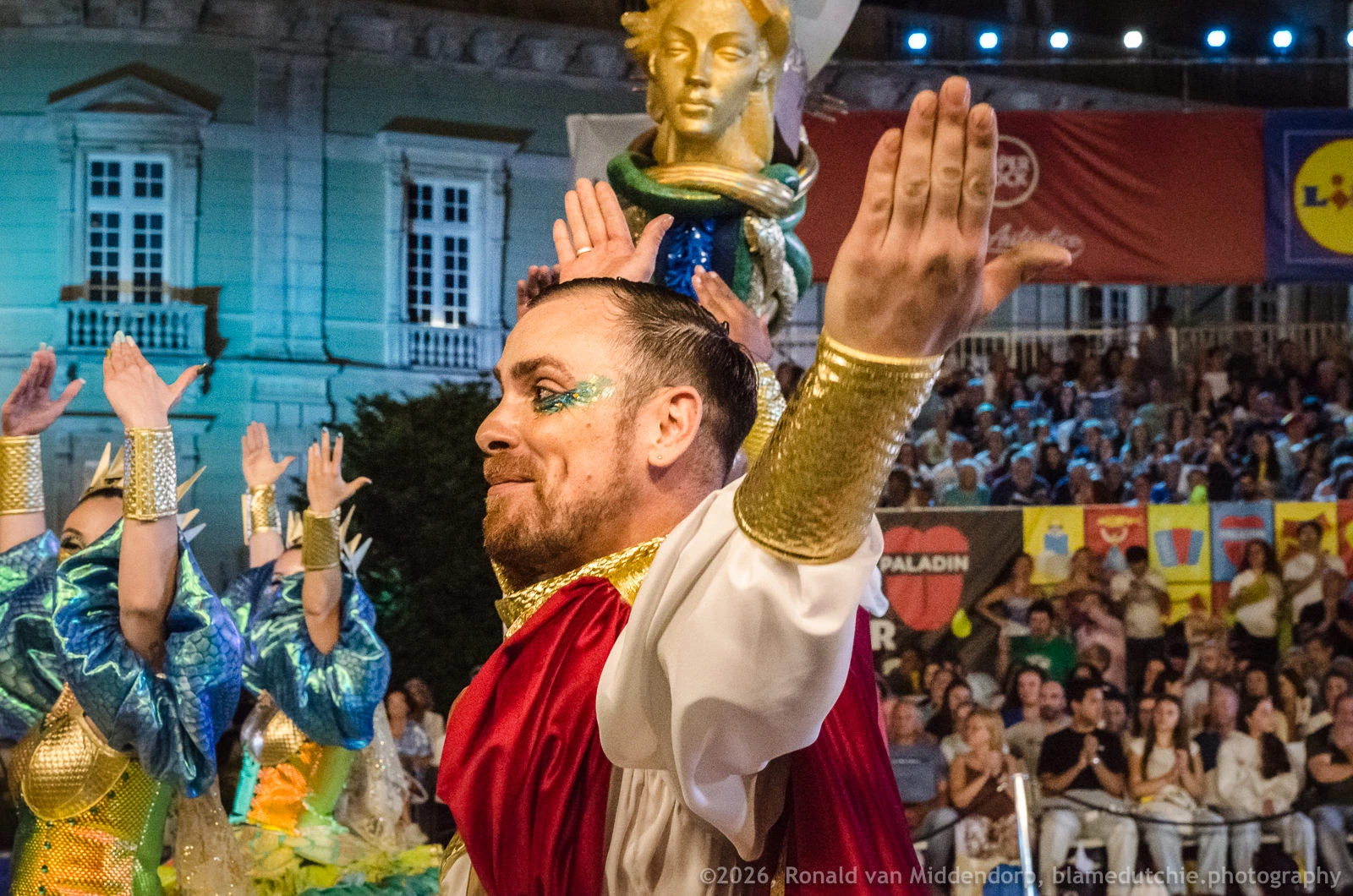
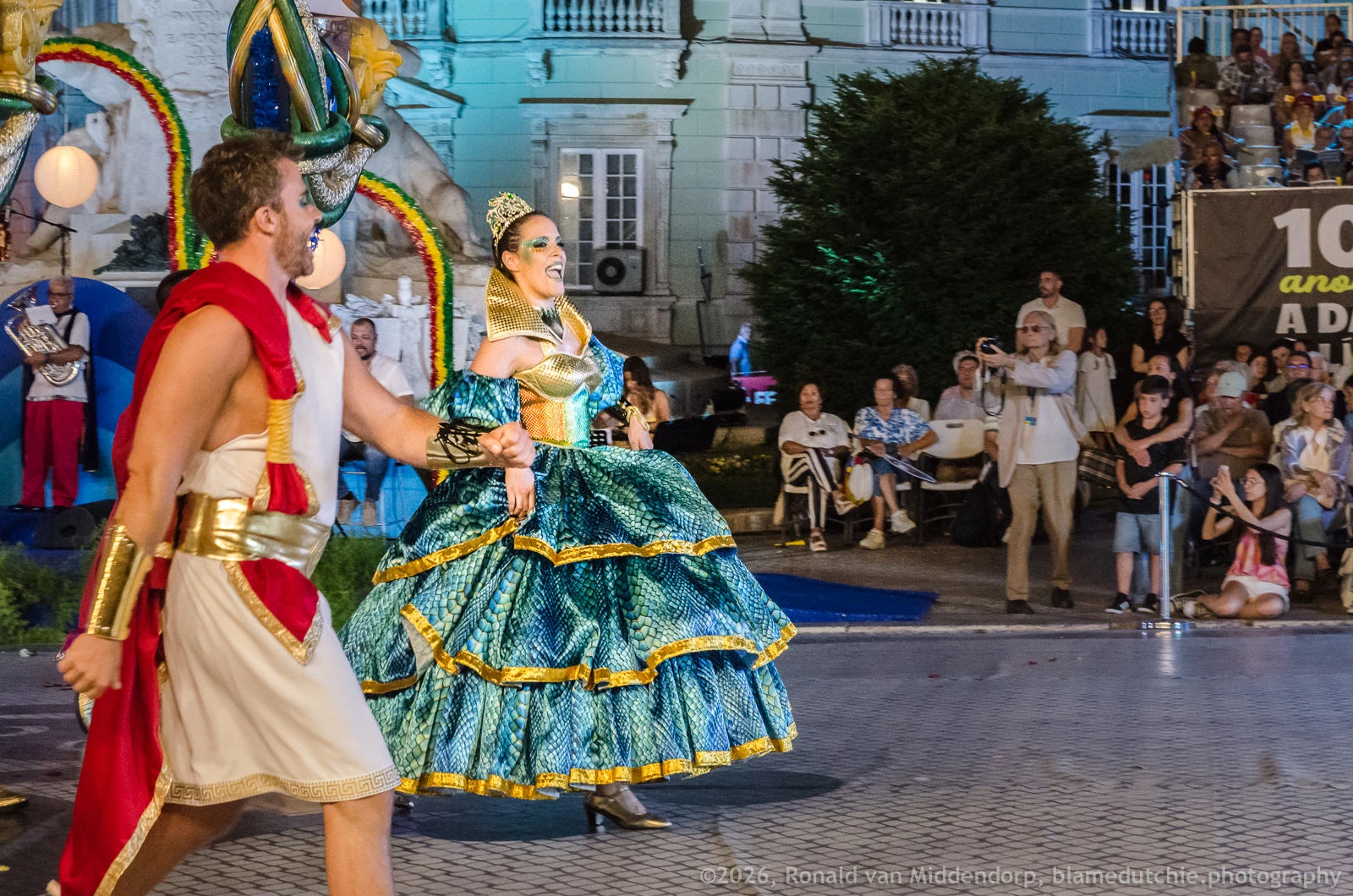
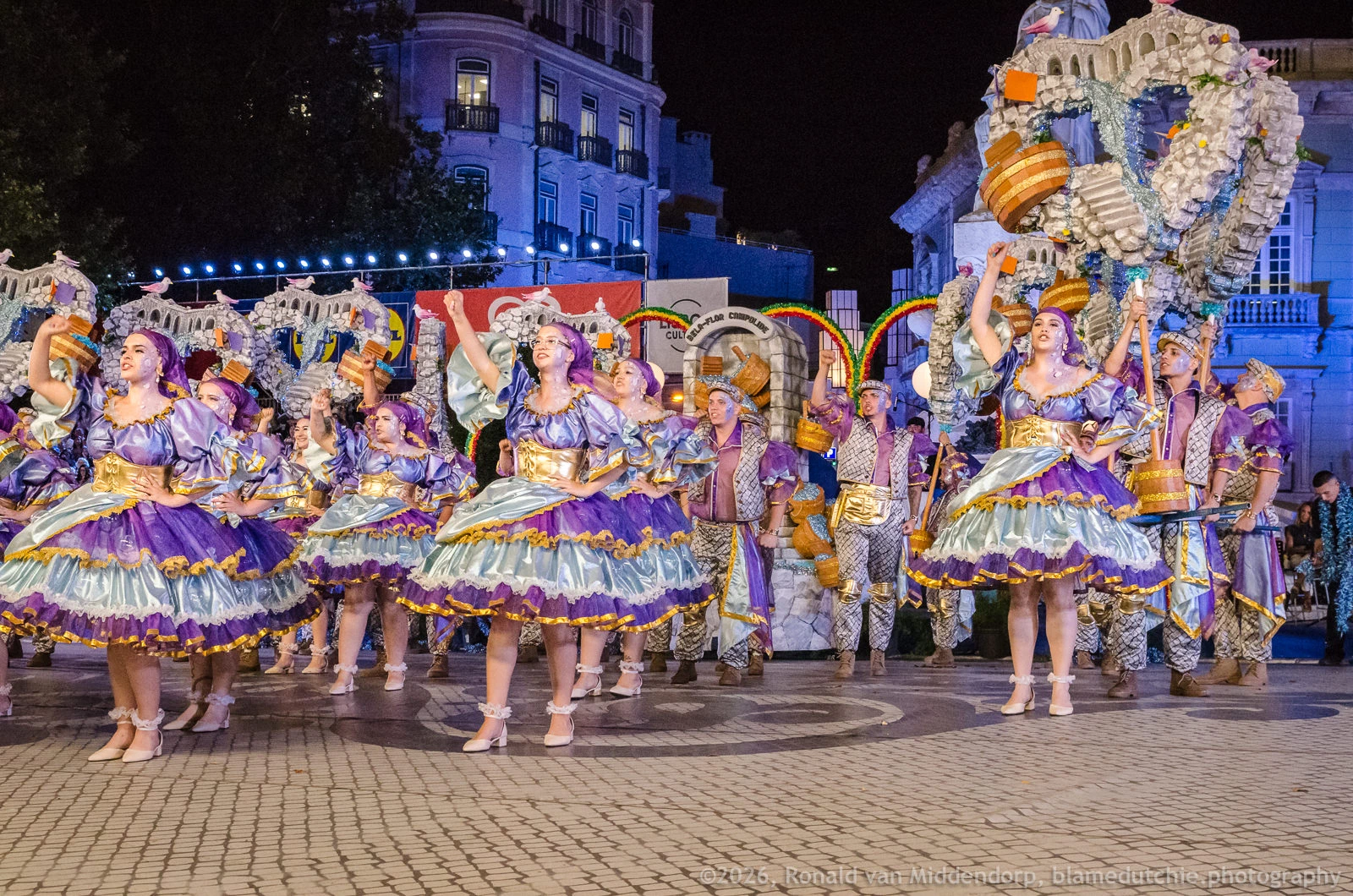
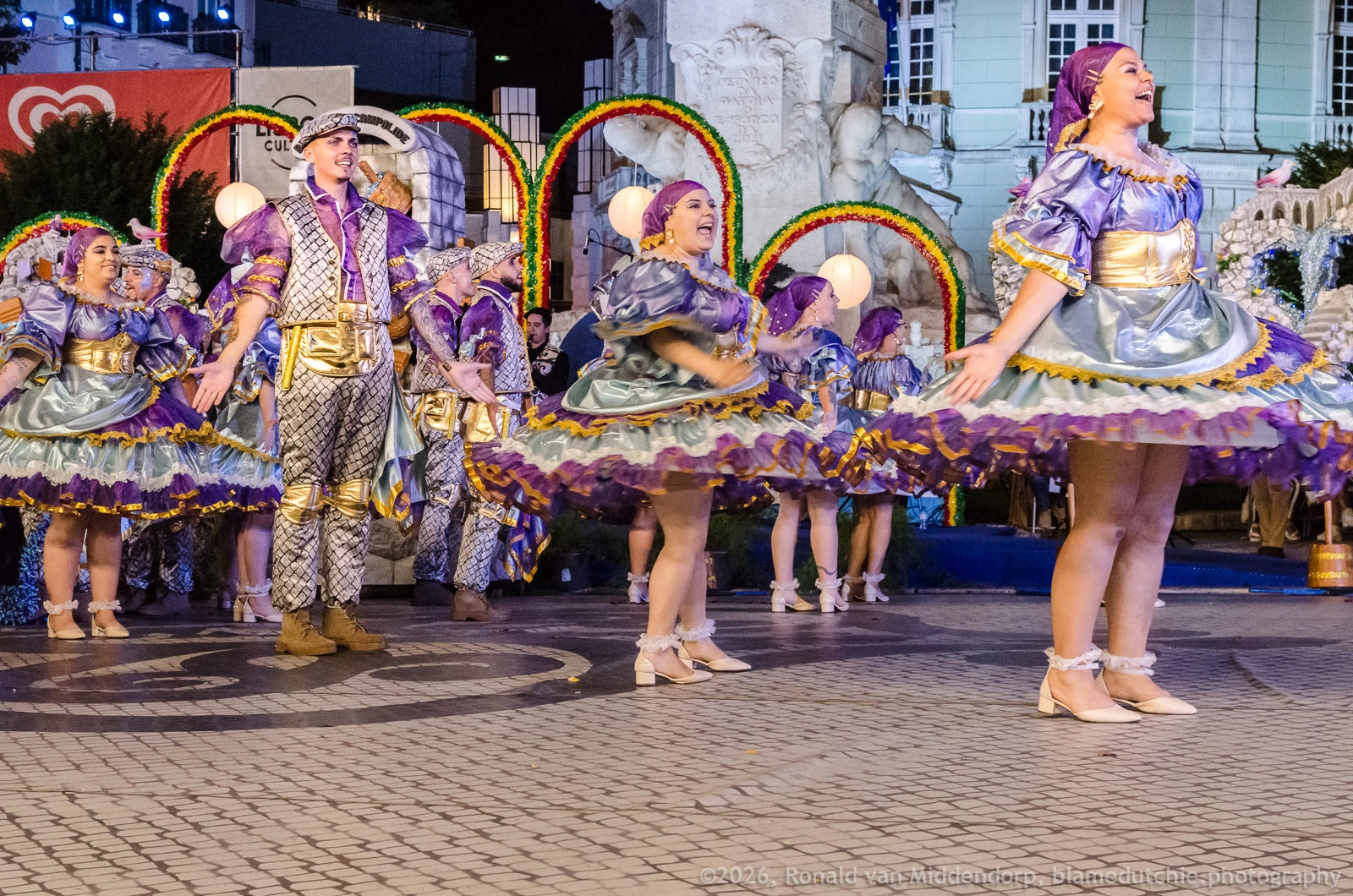
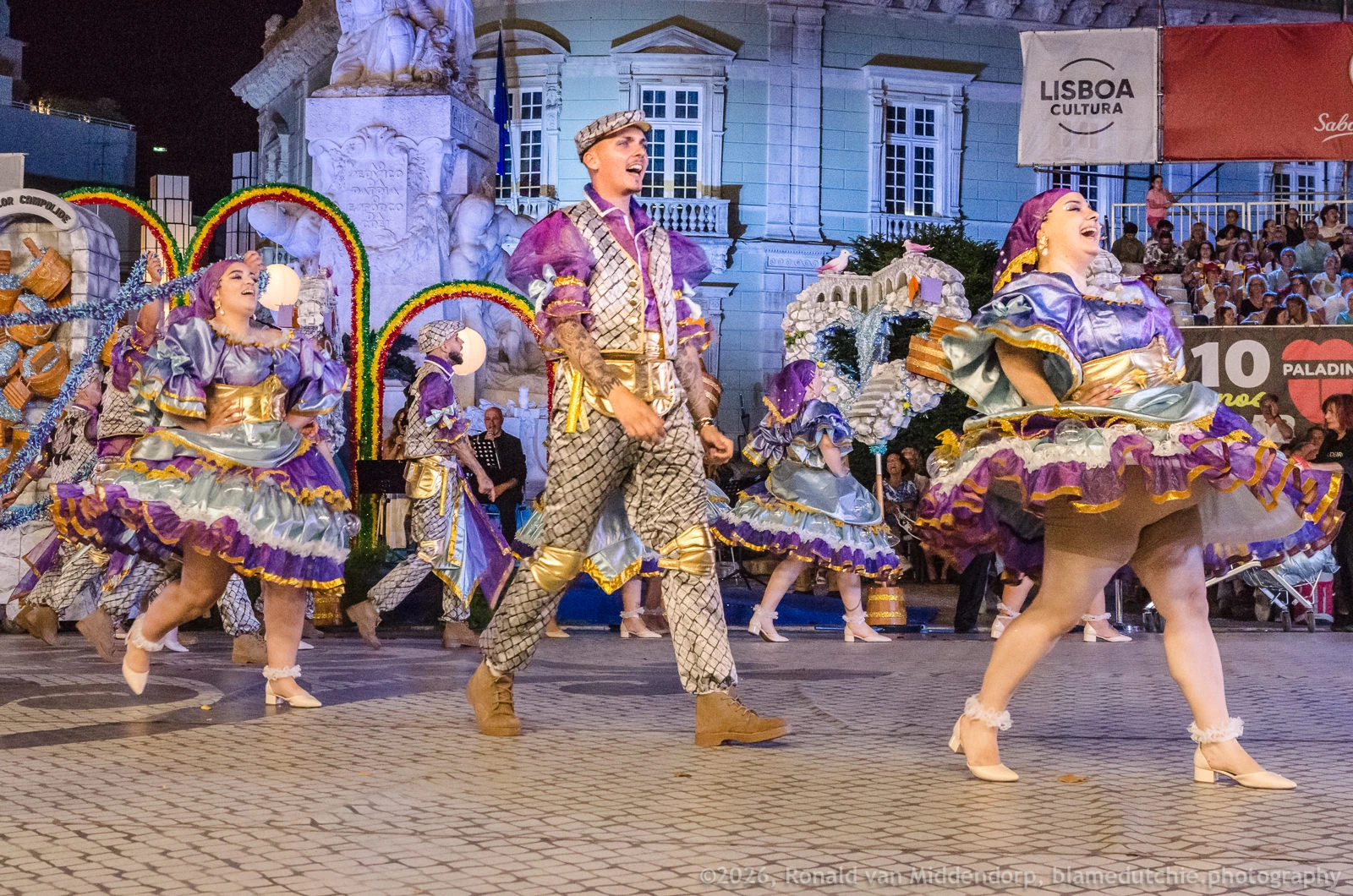
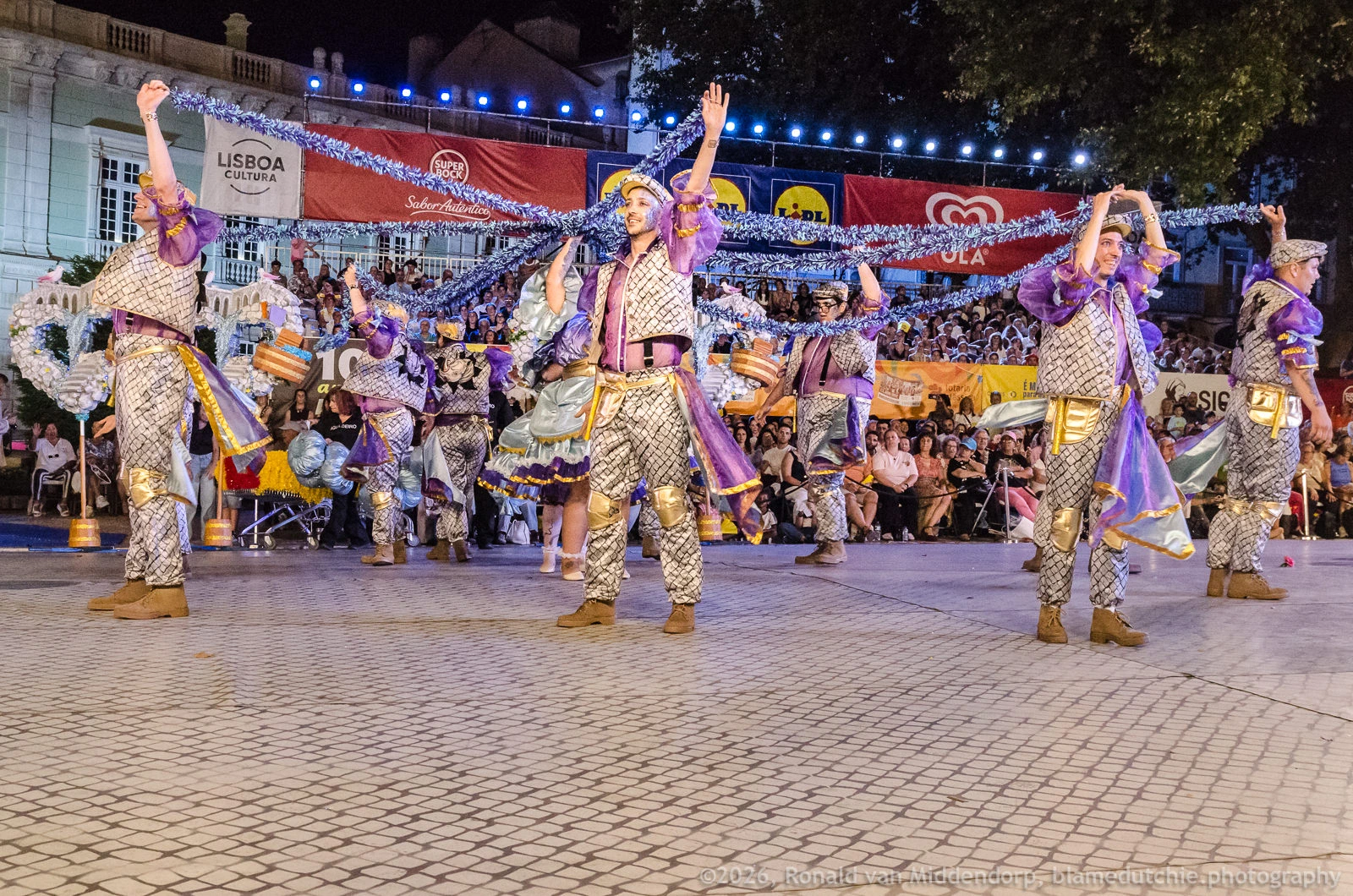
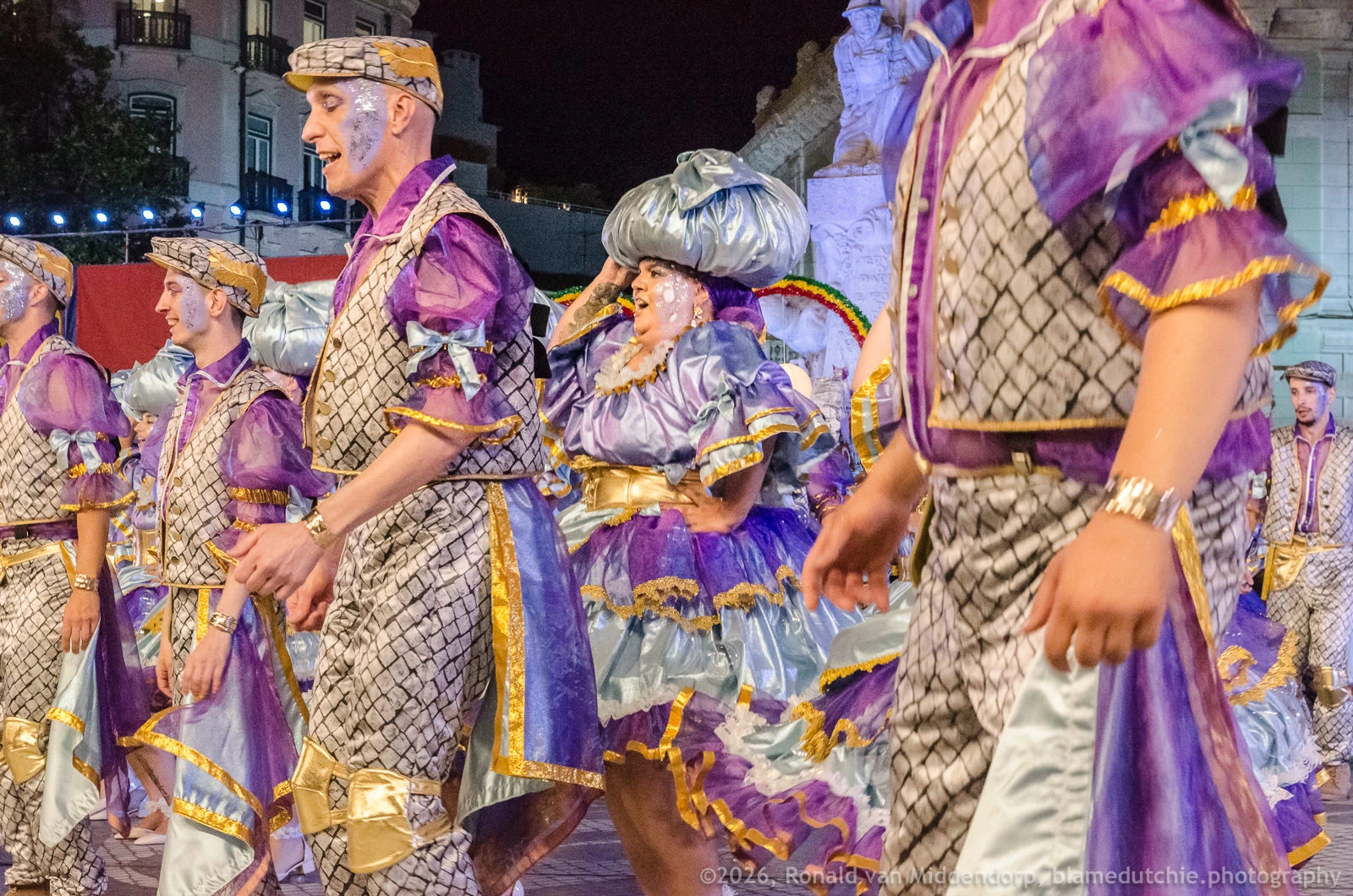
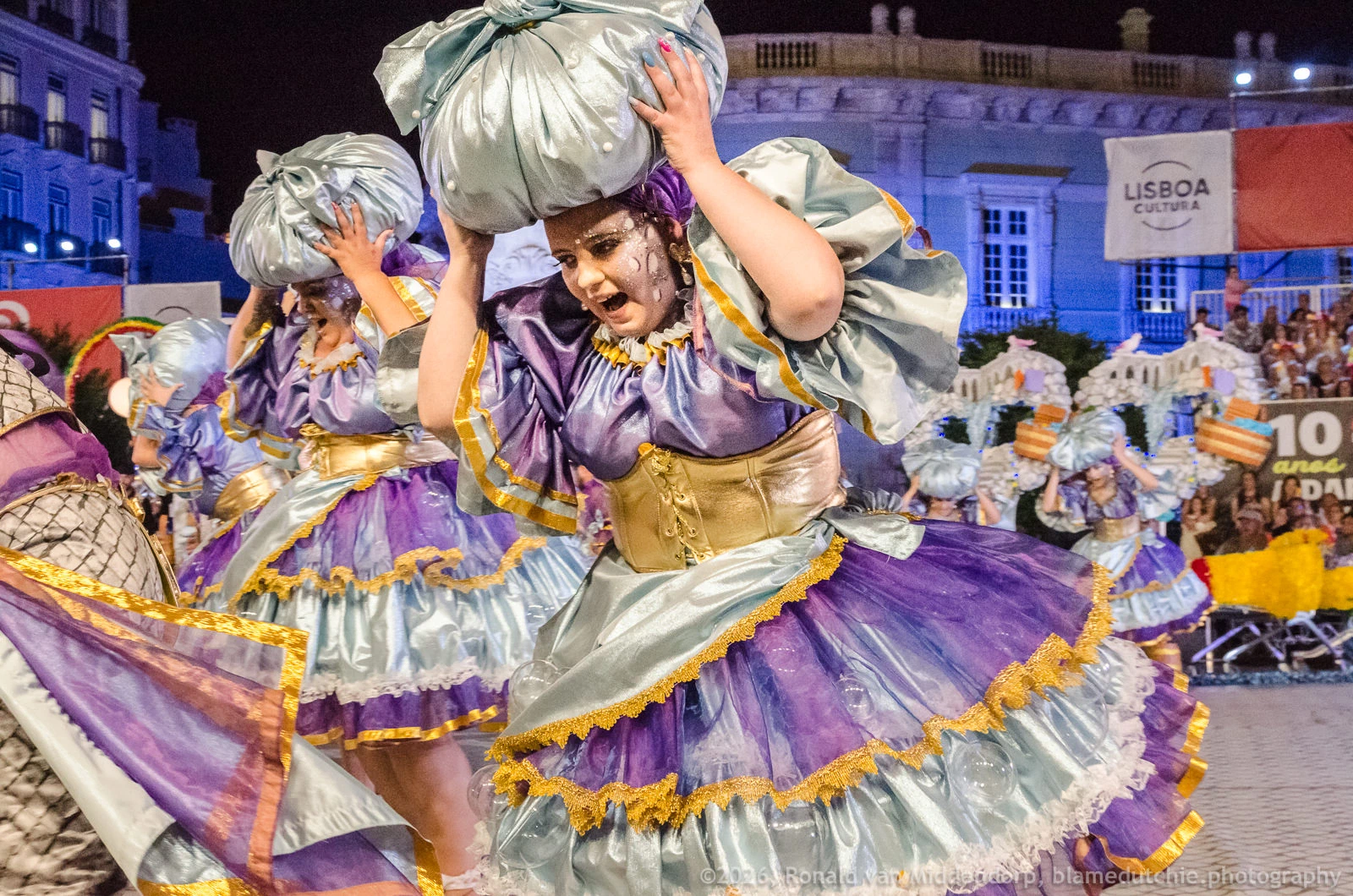
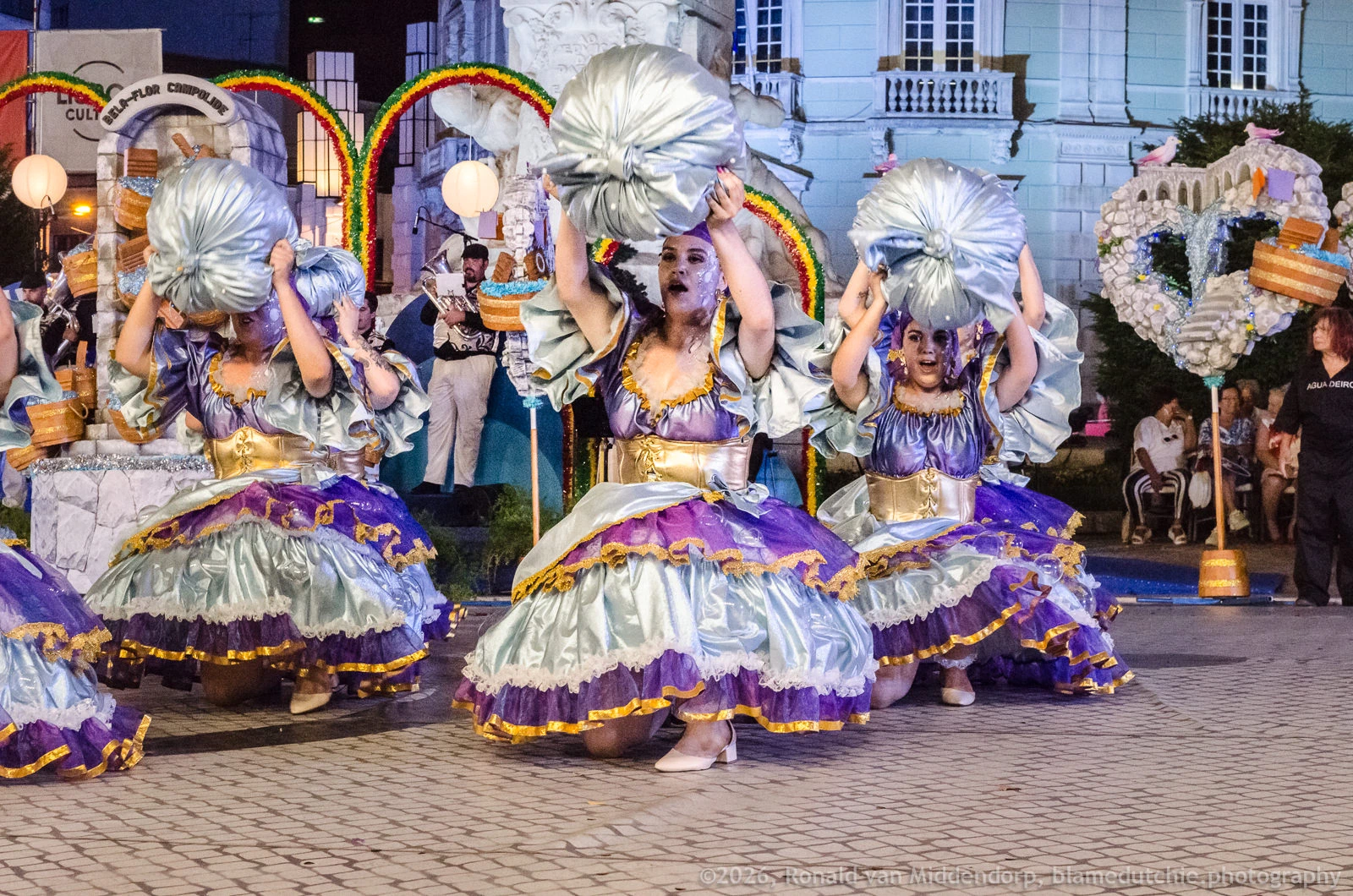
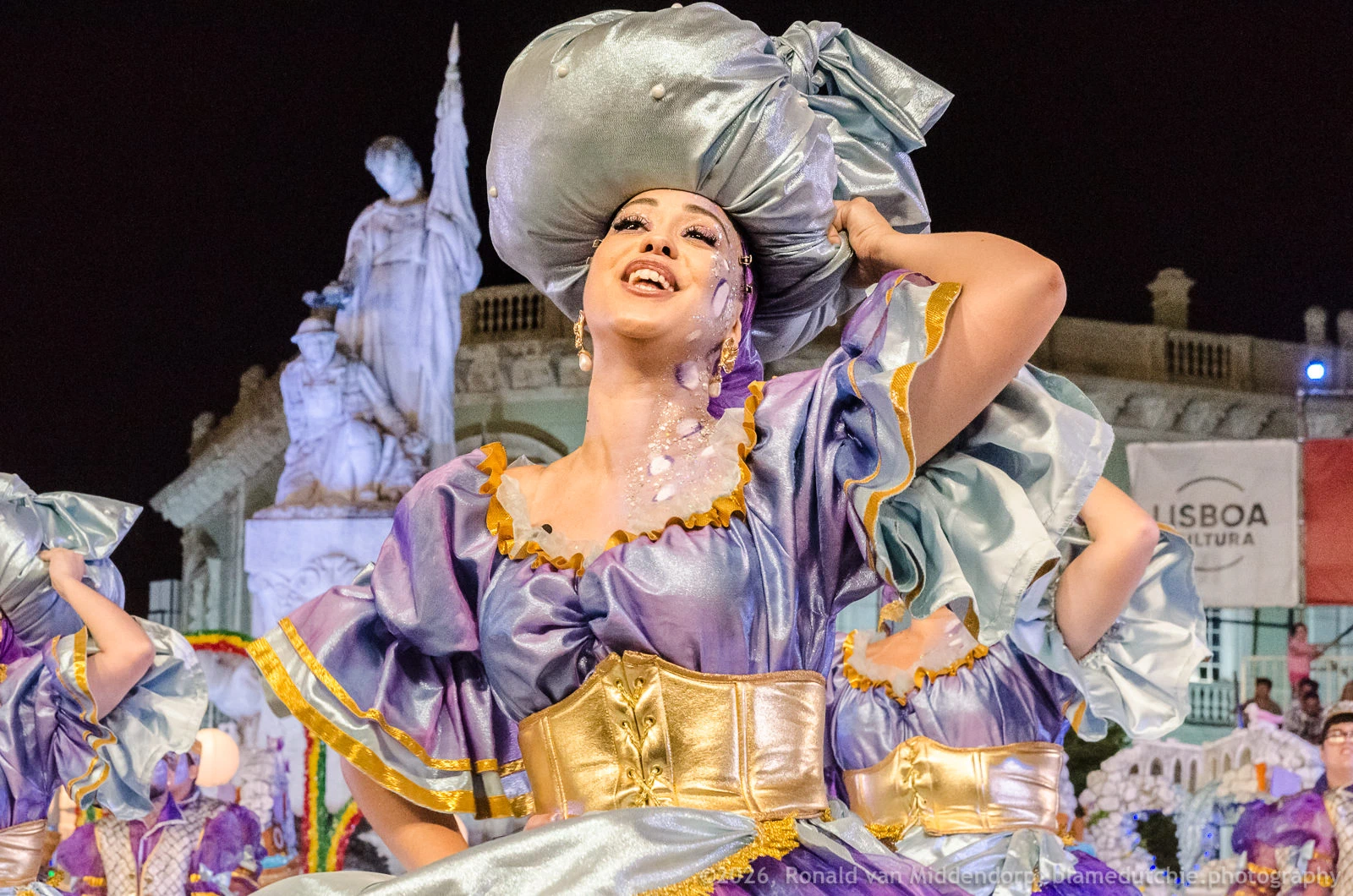
Bela Flor Campolide
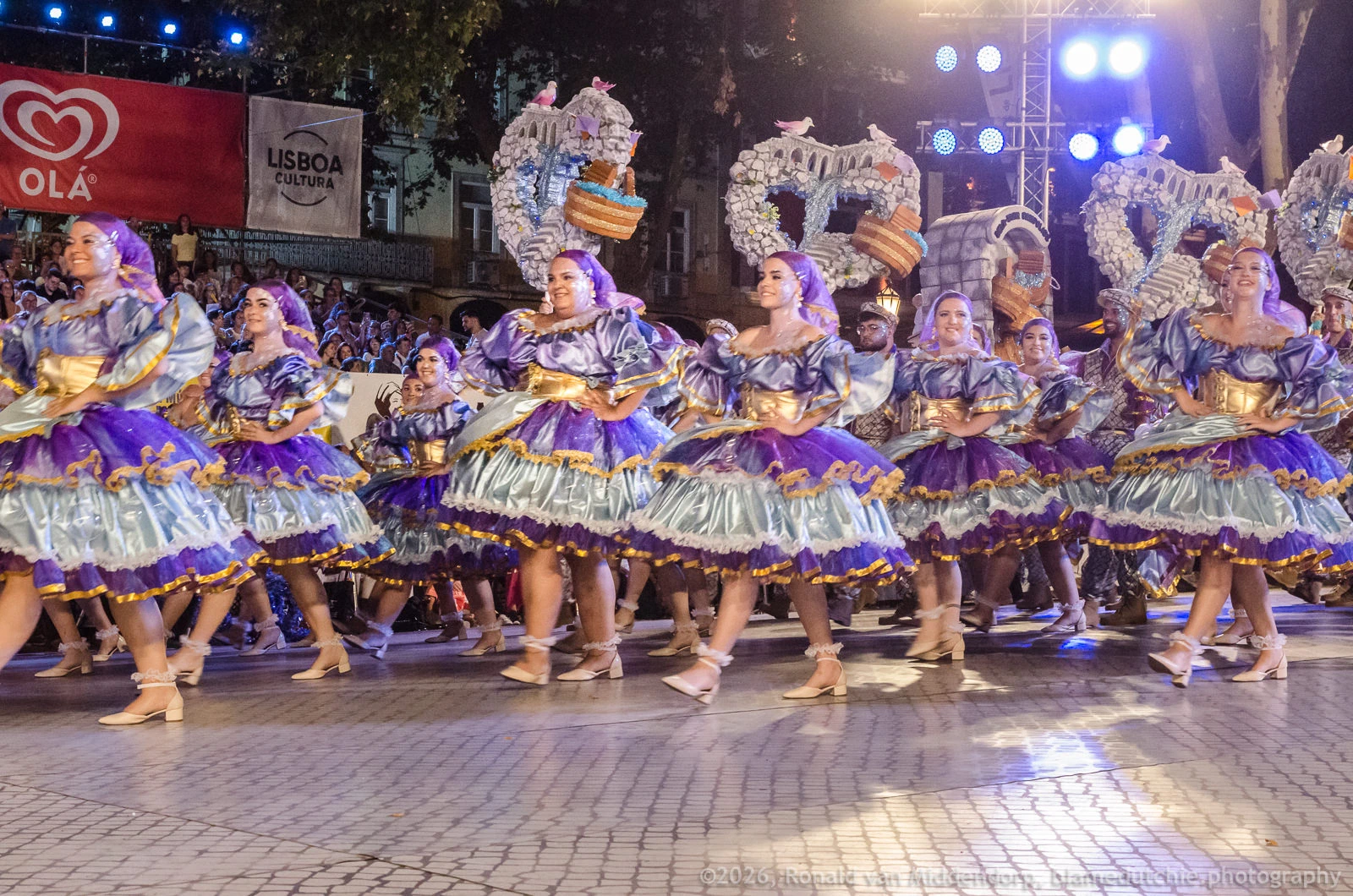
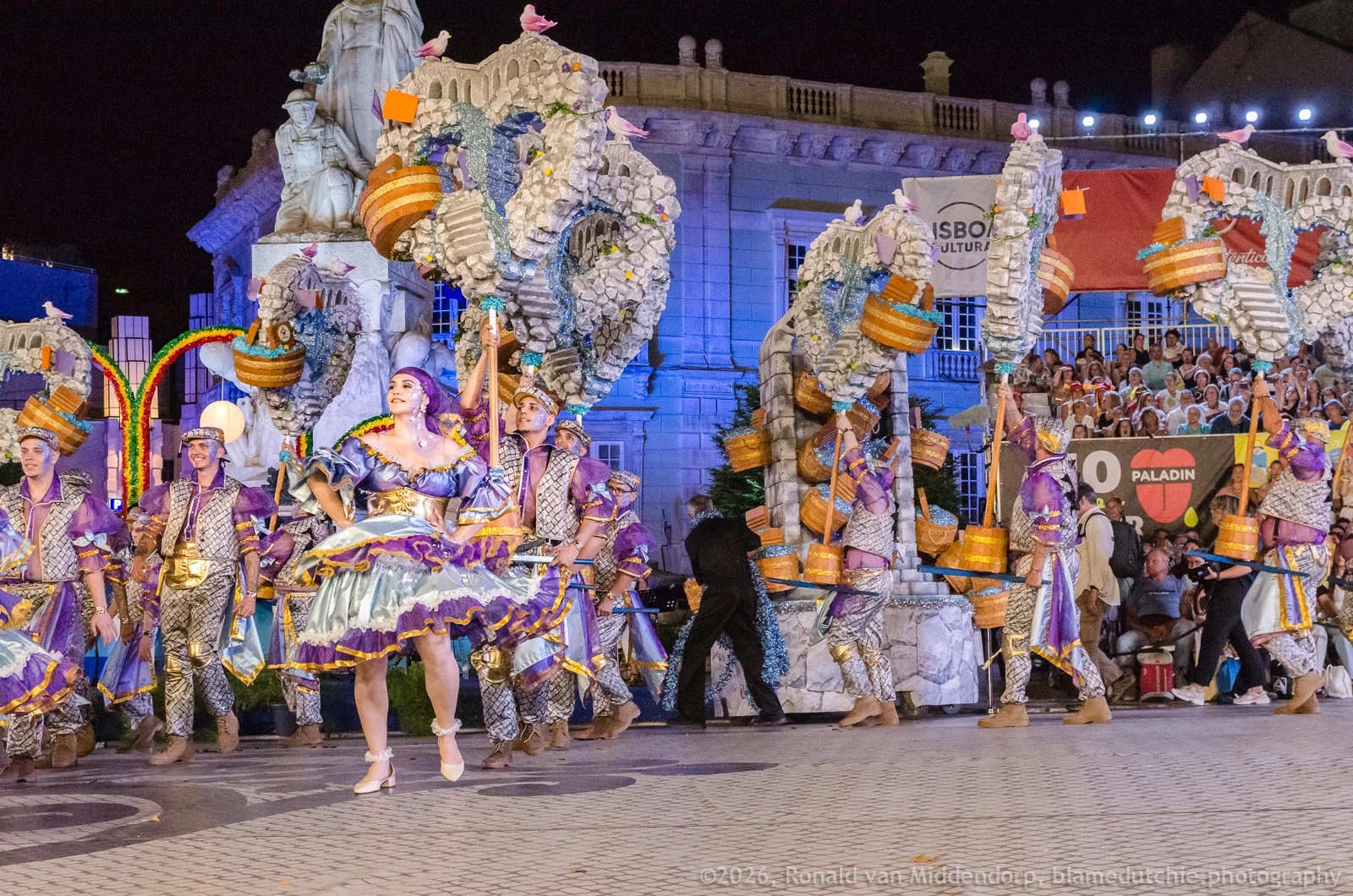
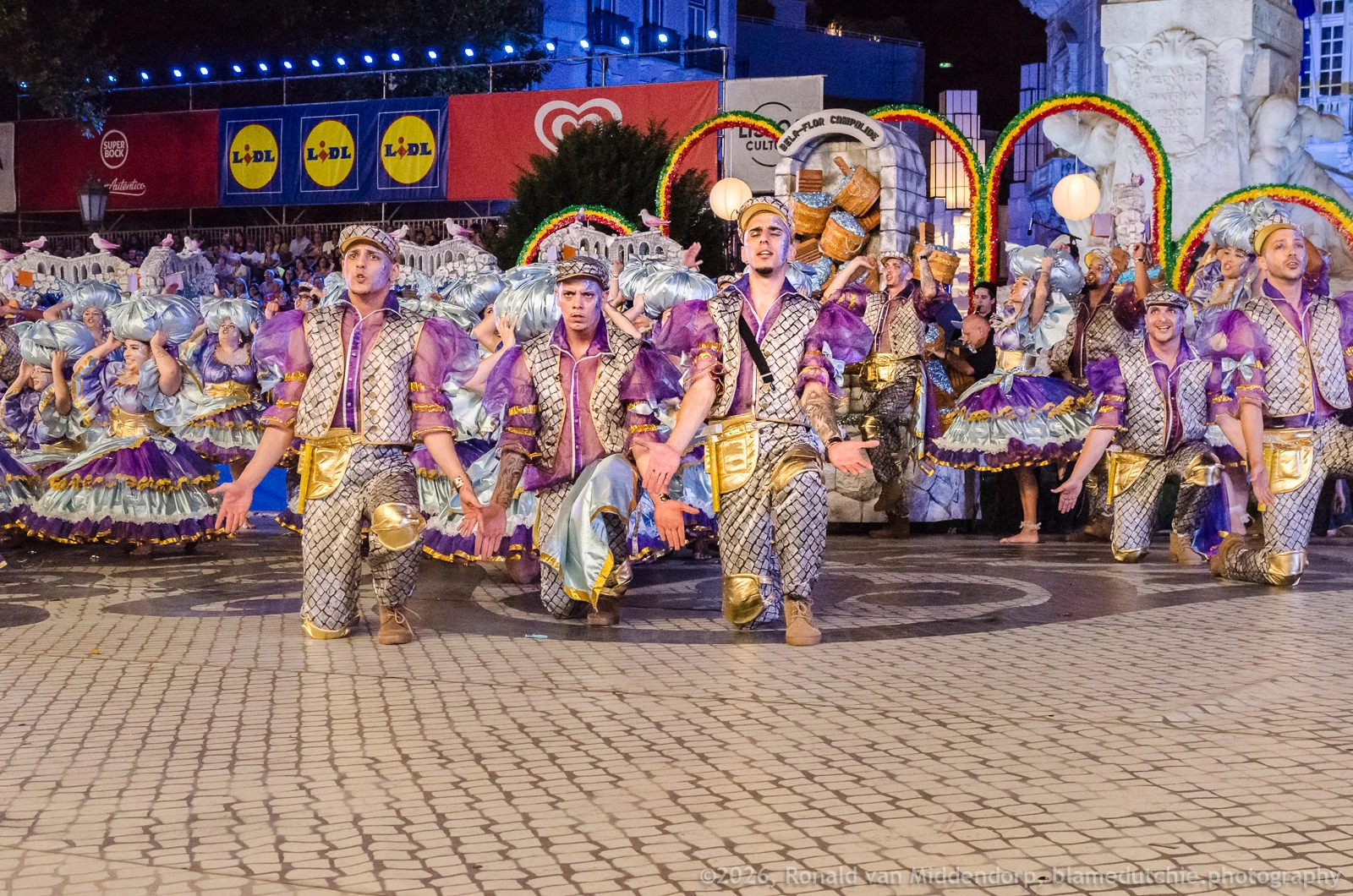
Mouraria
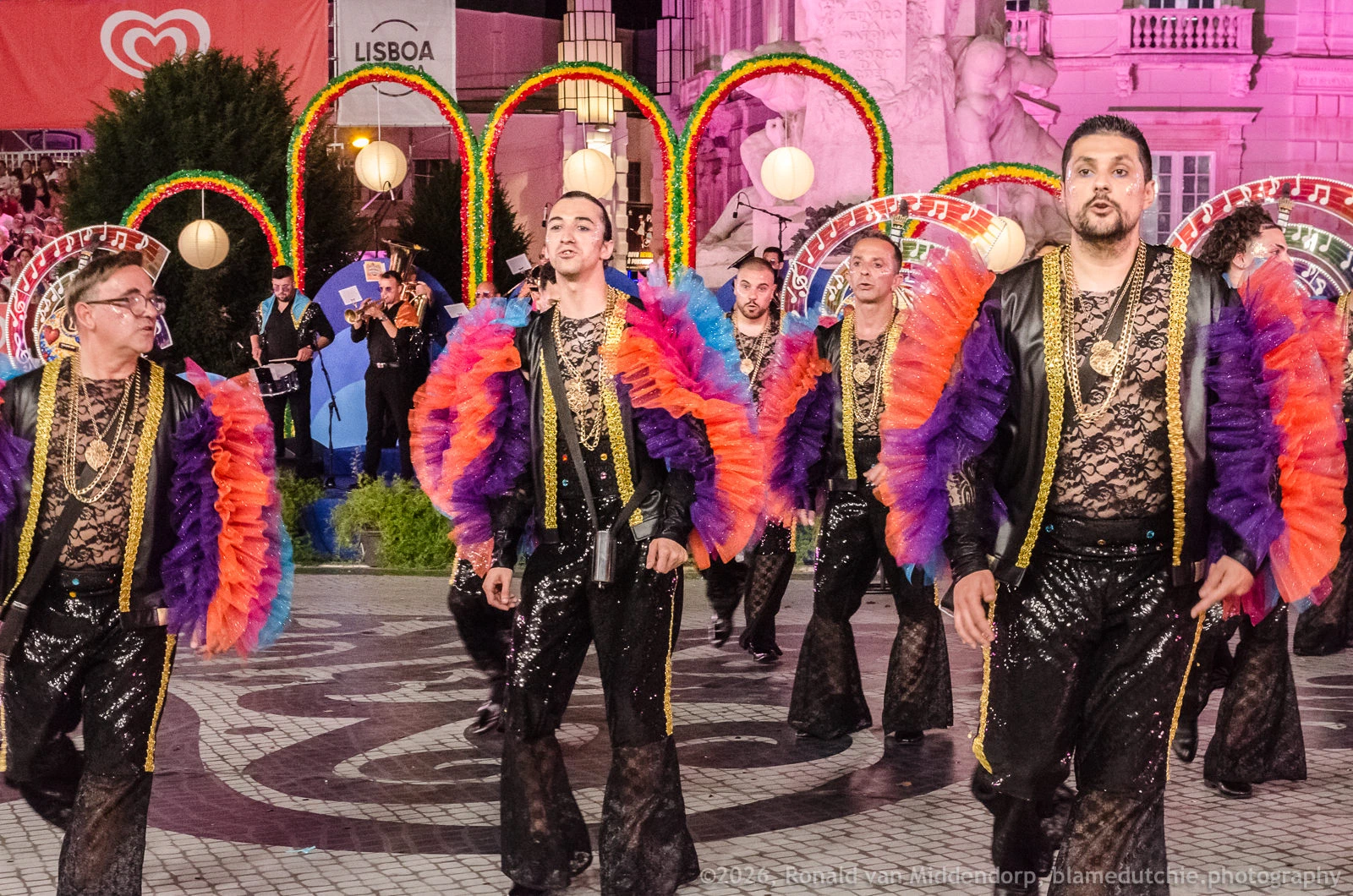
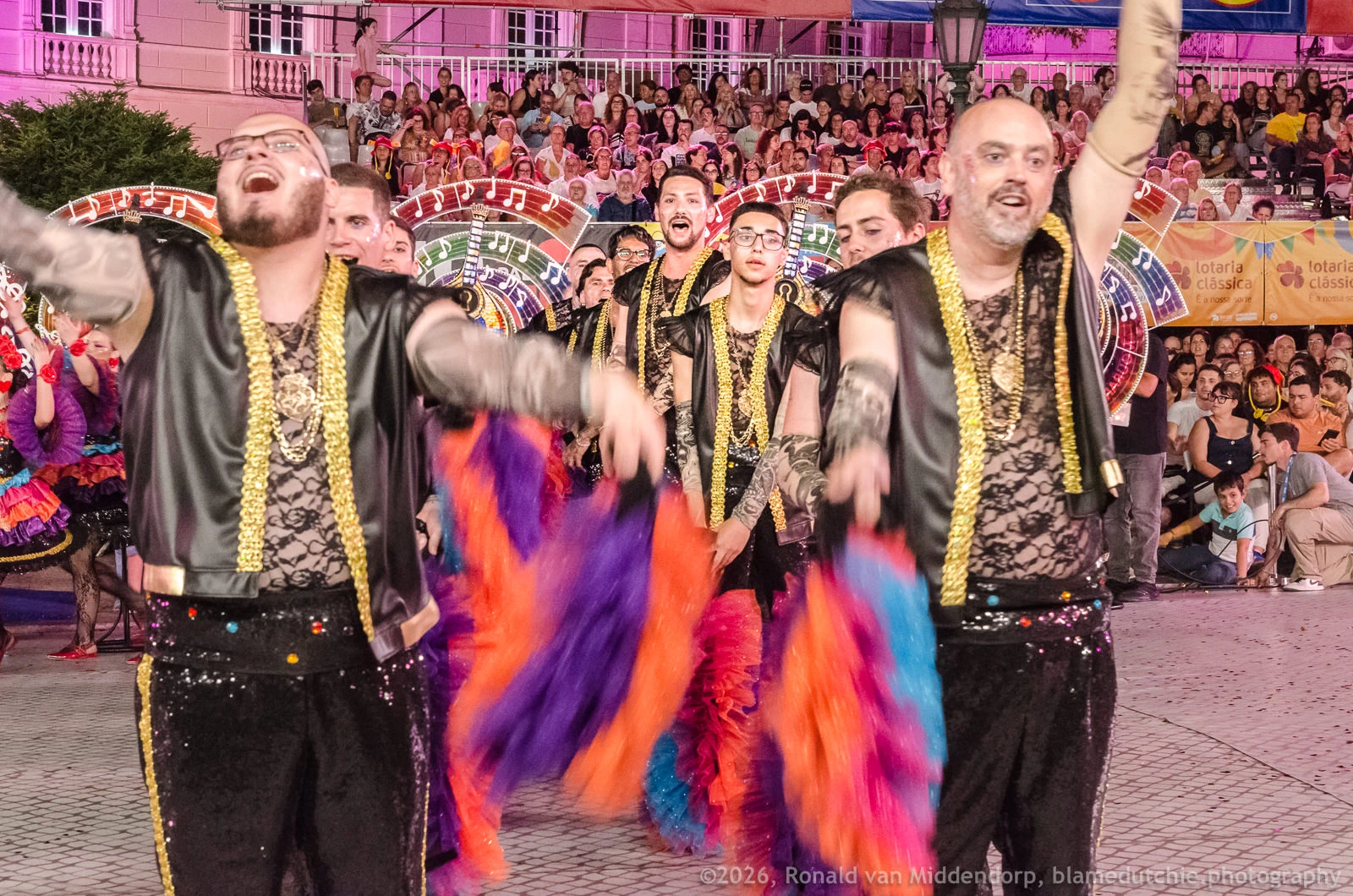
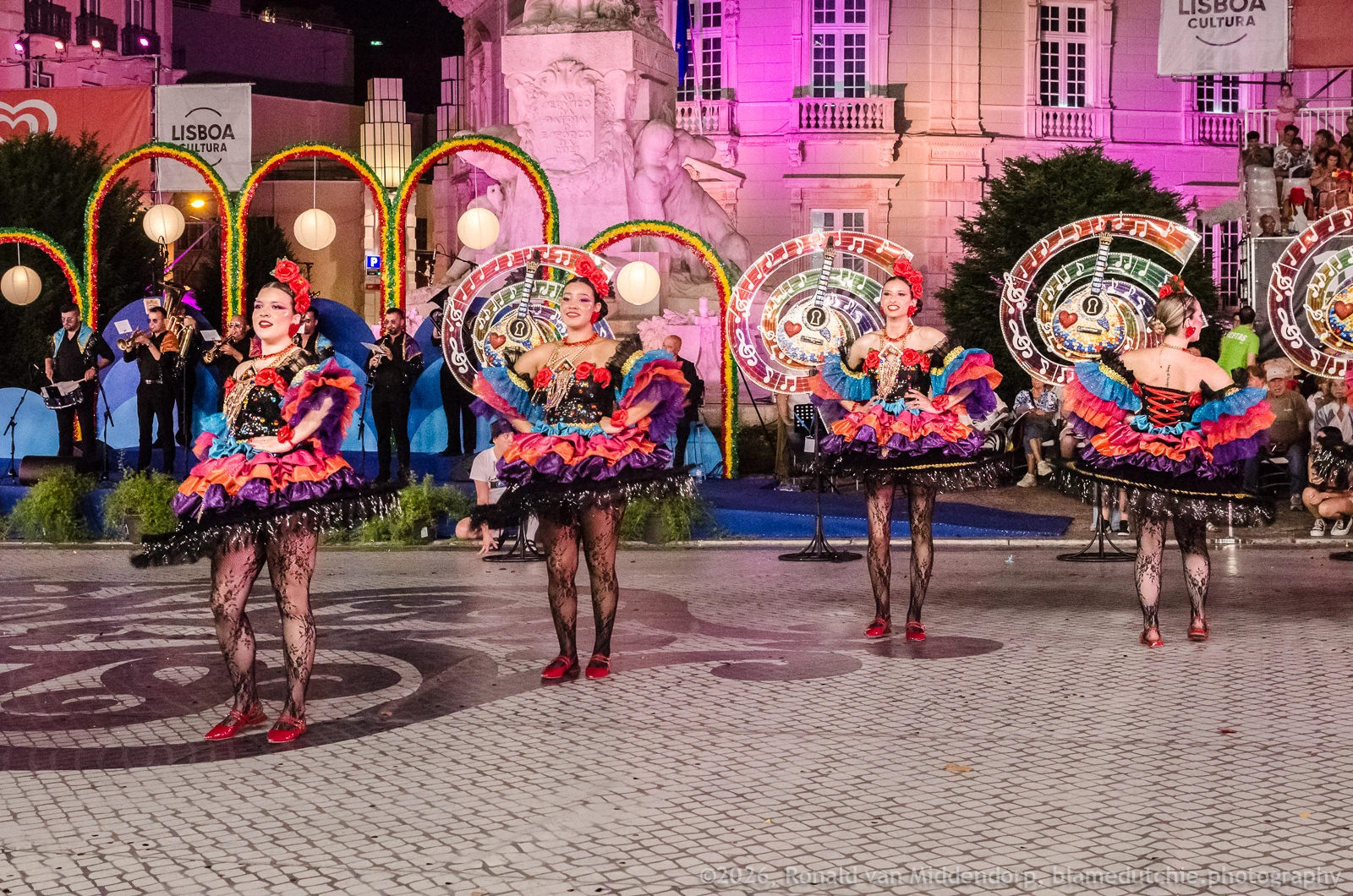
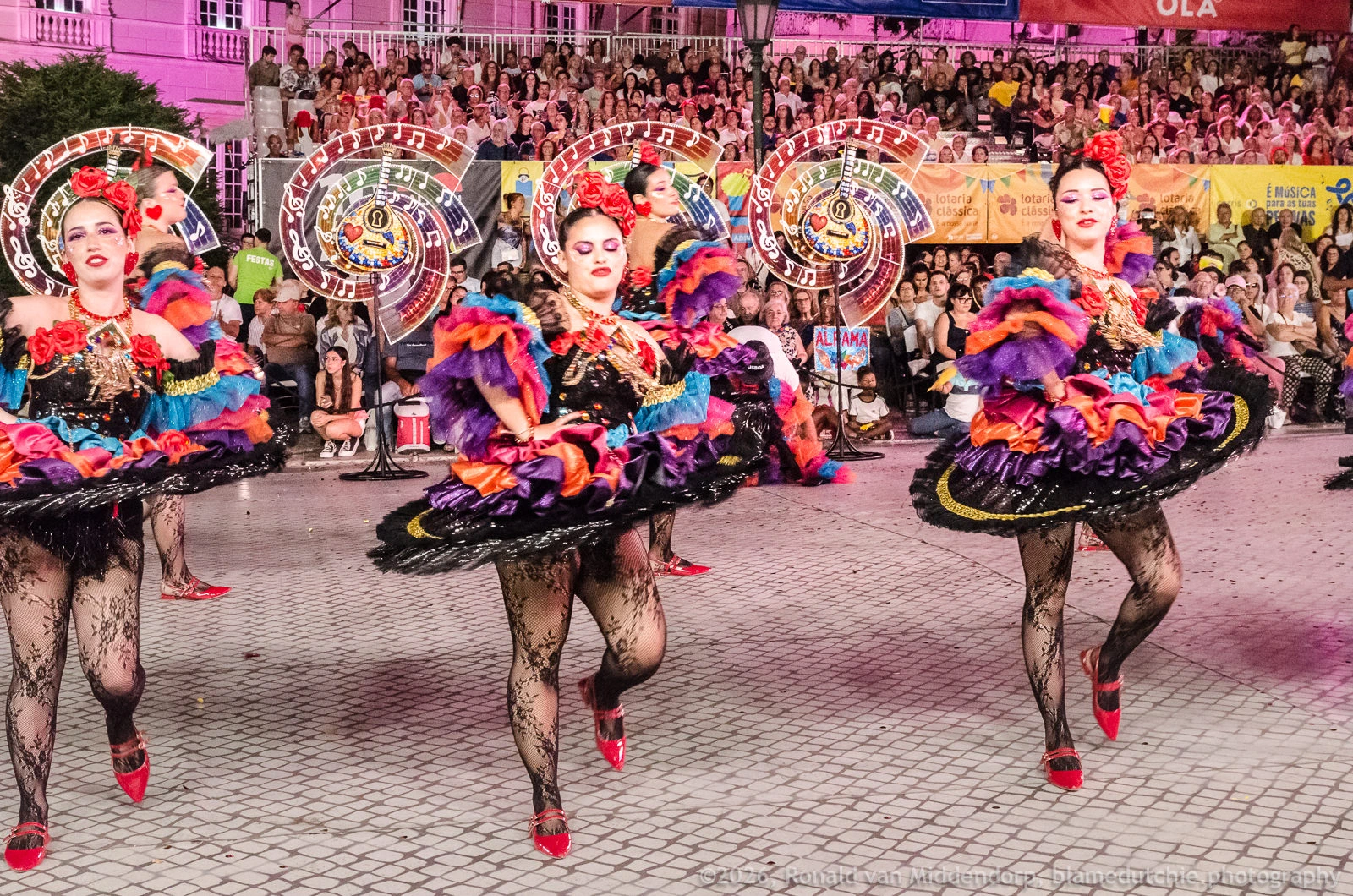
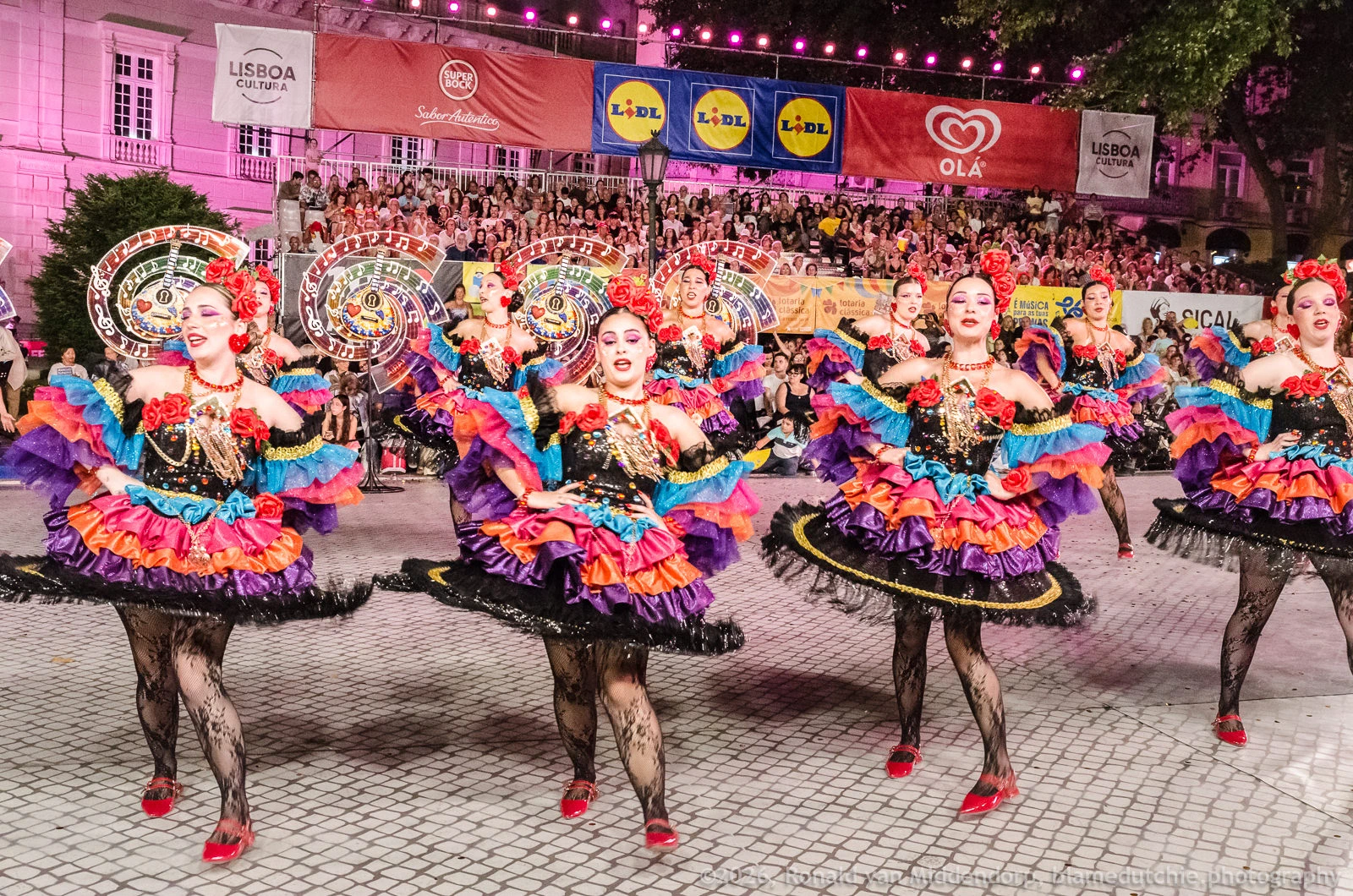
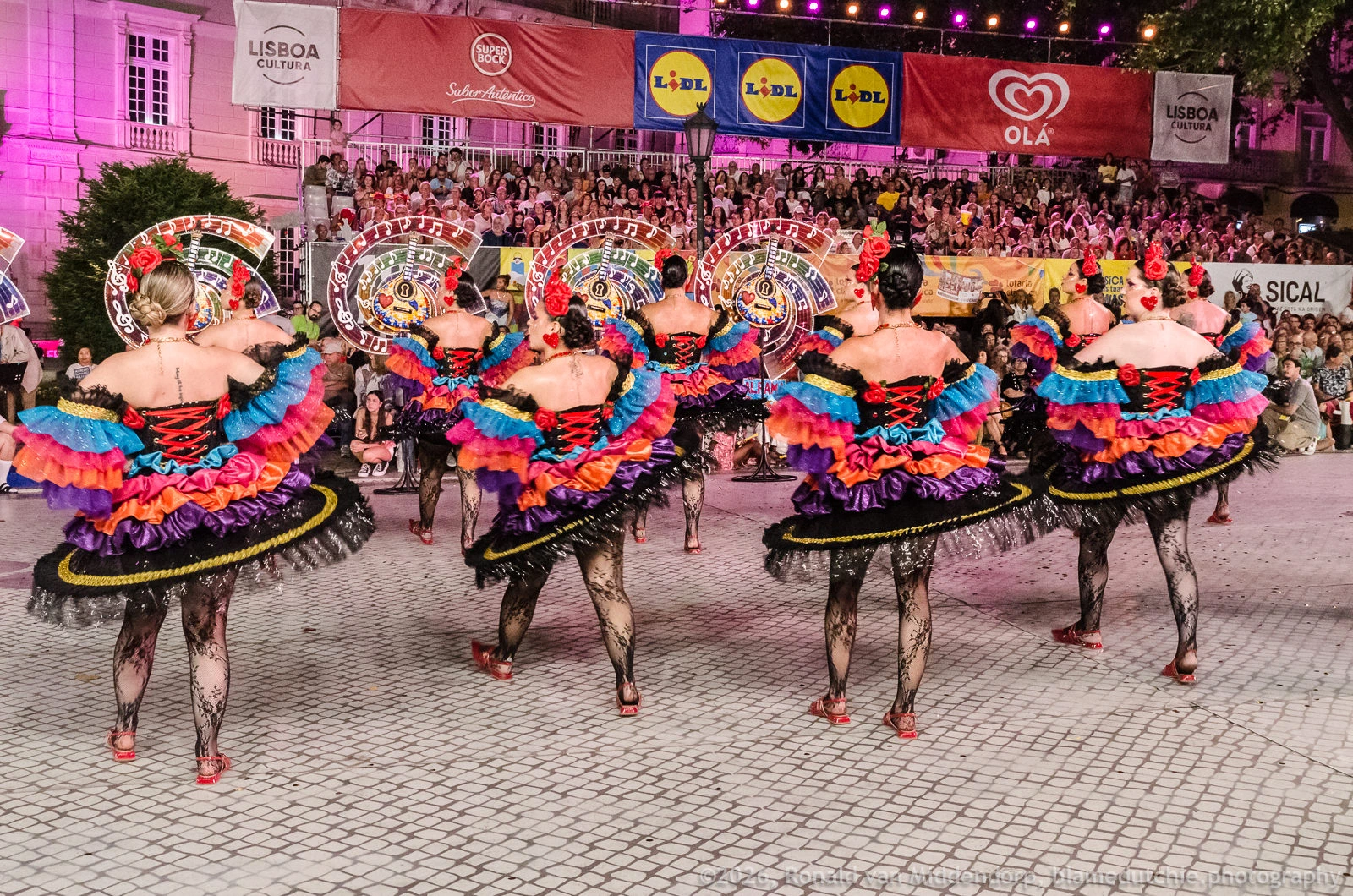
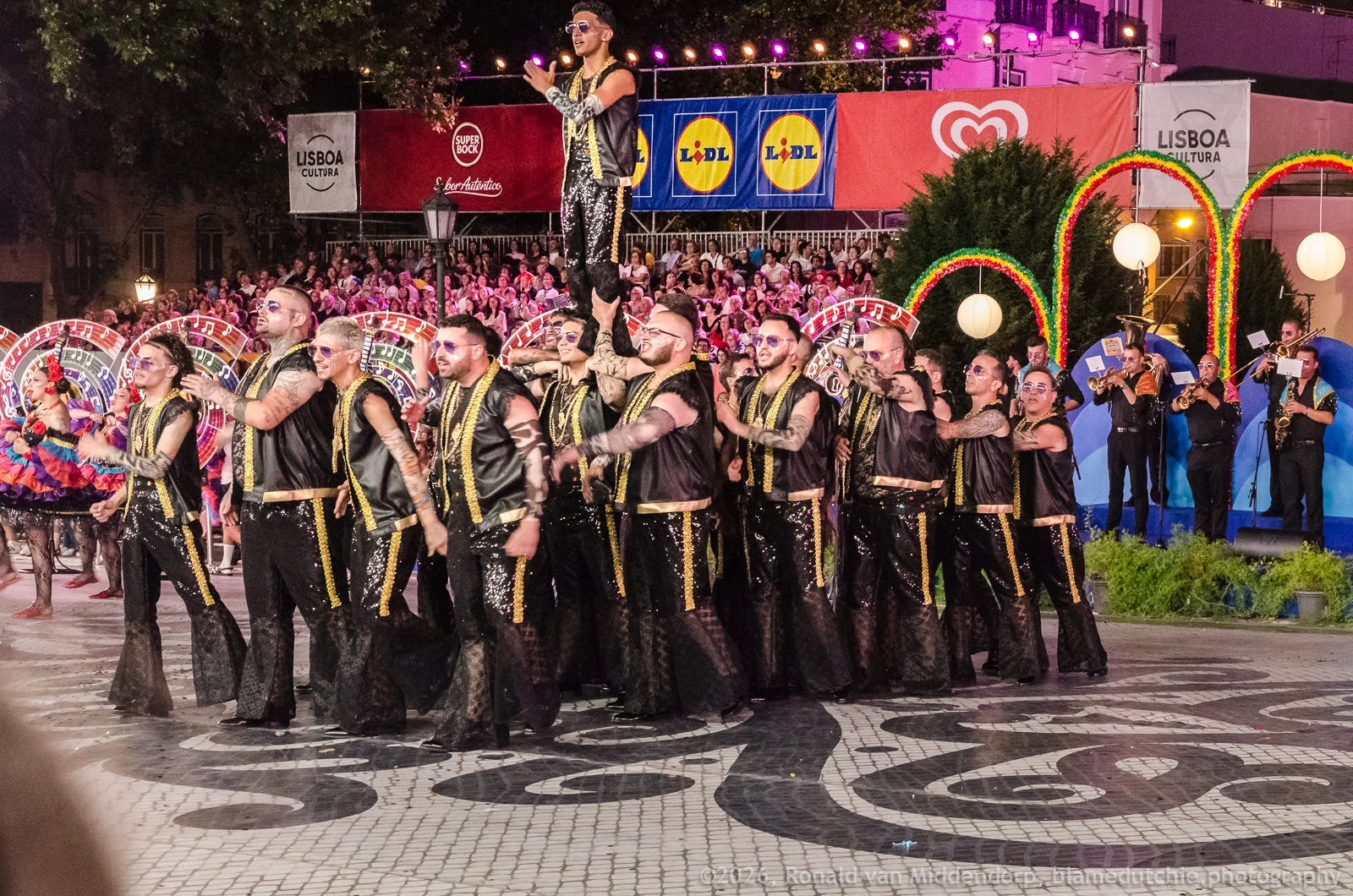
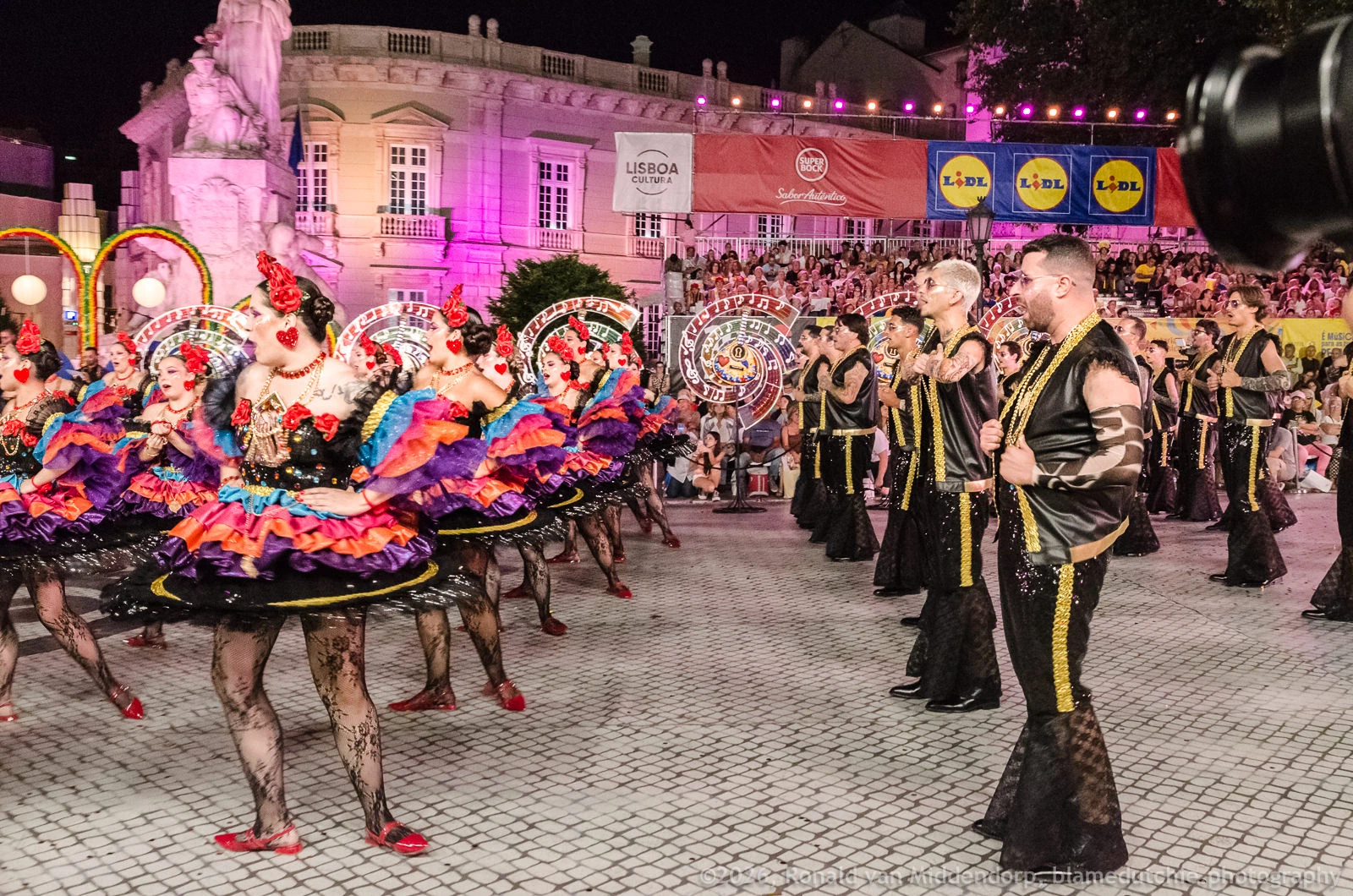
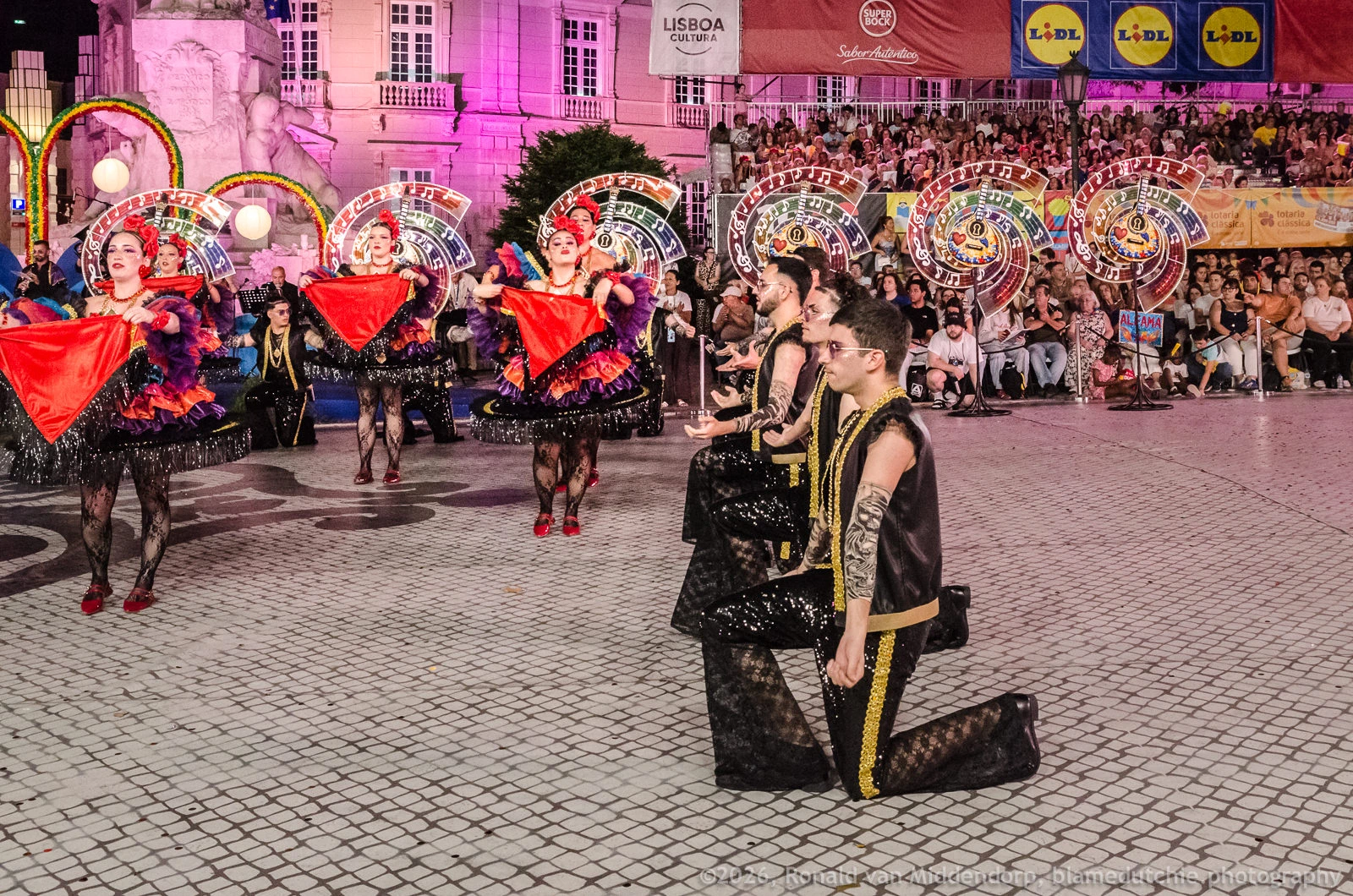
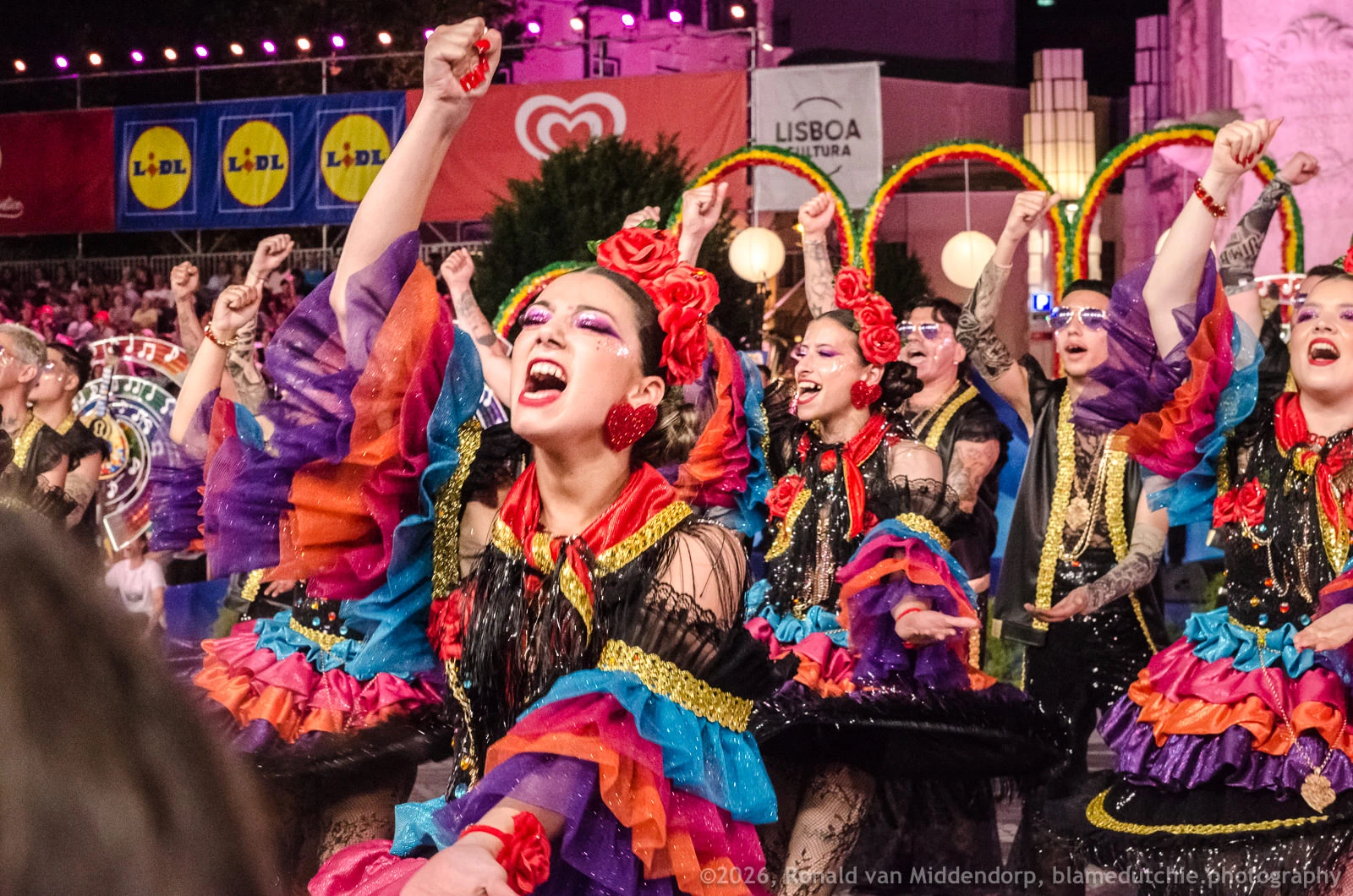
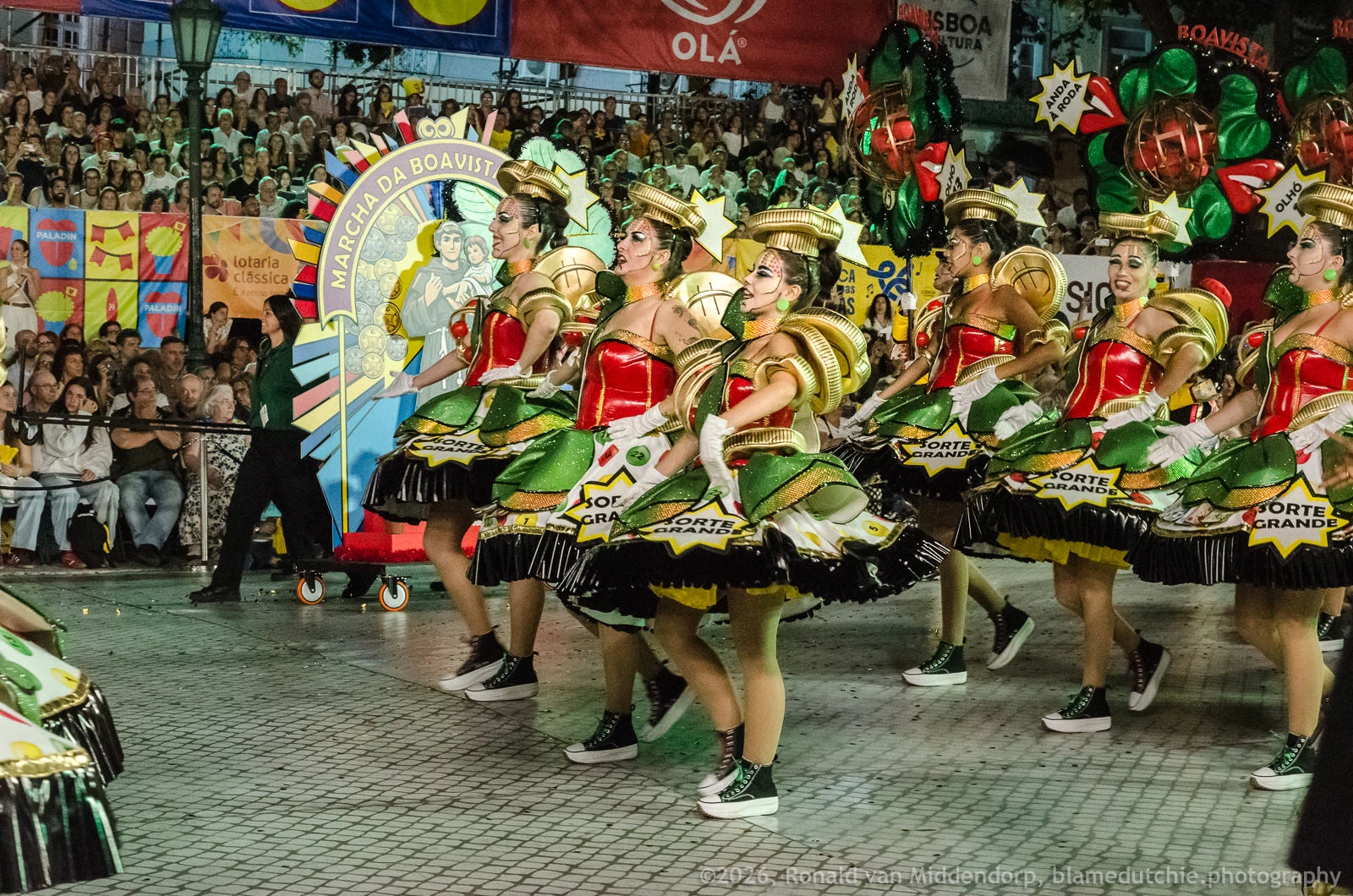
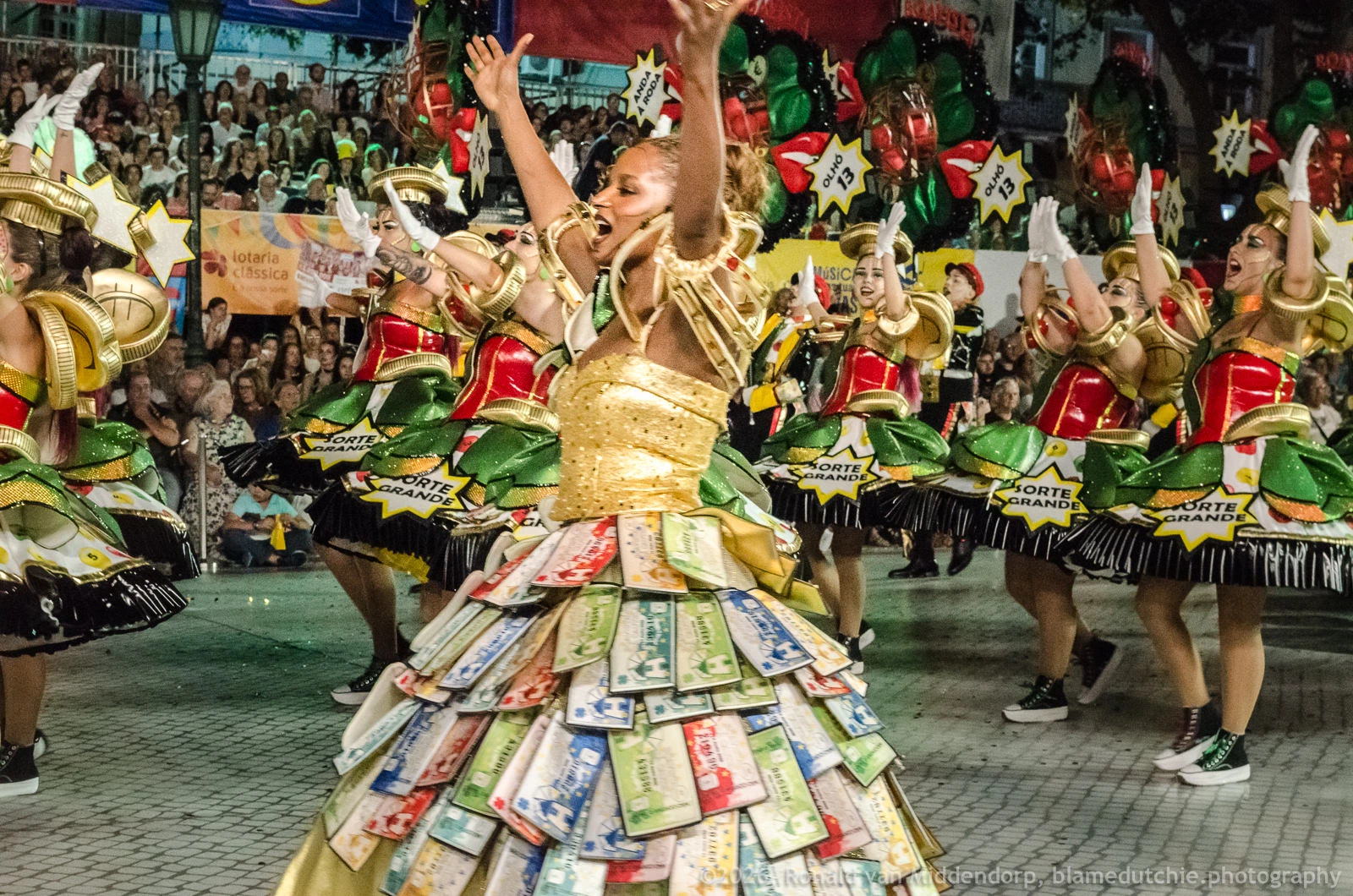
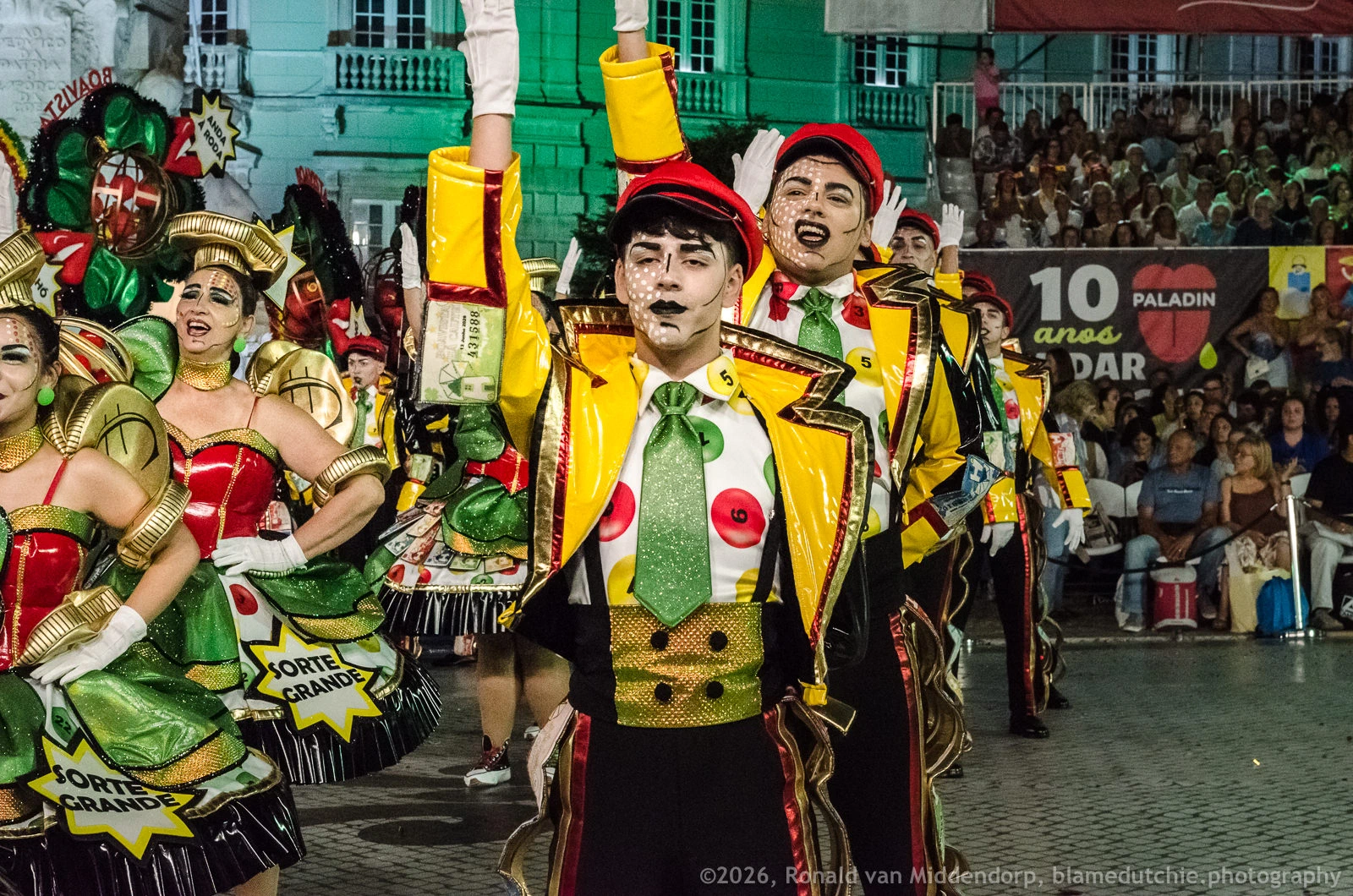
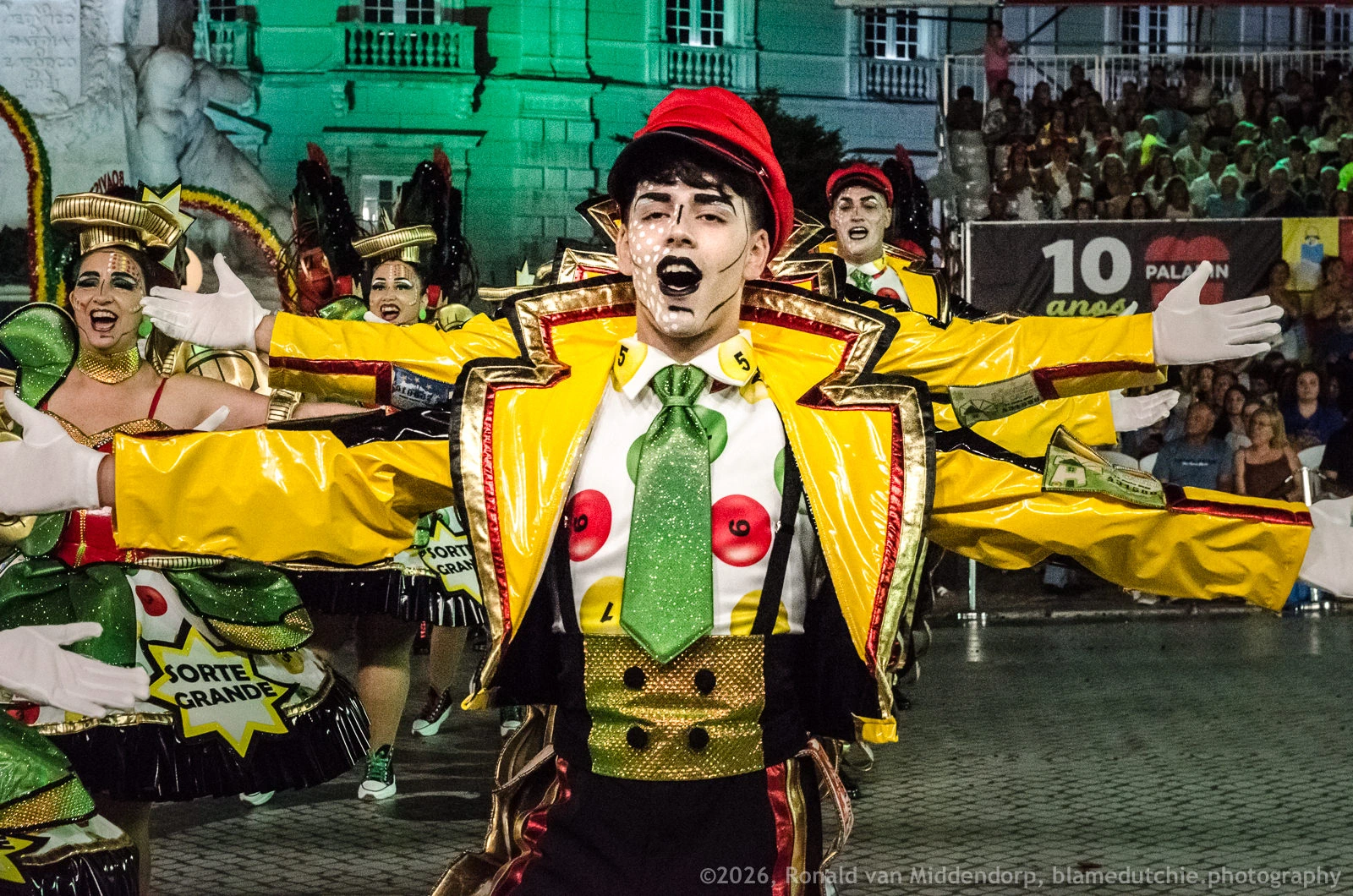
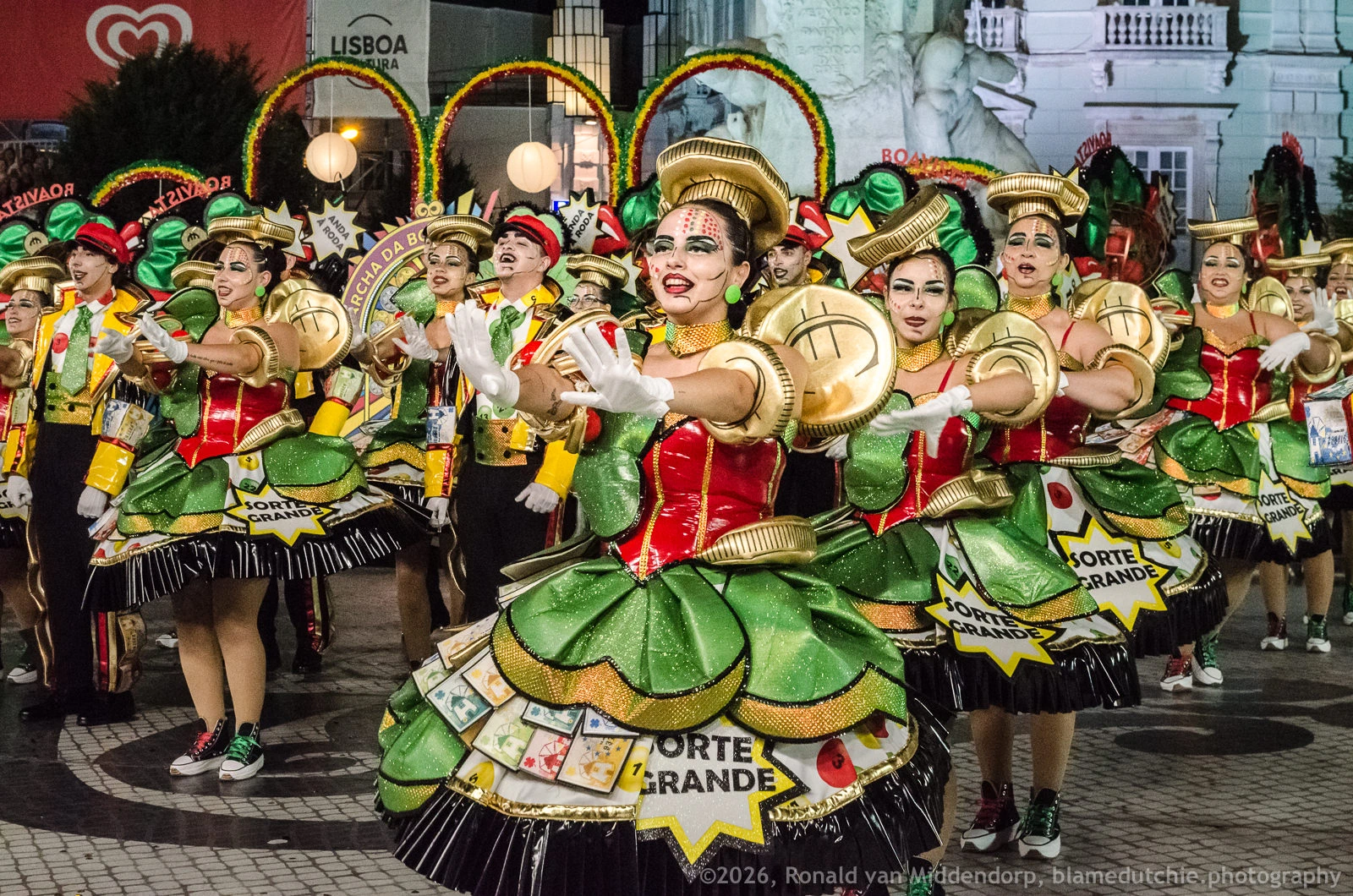
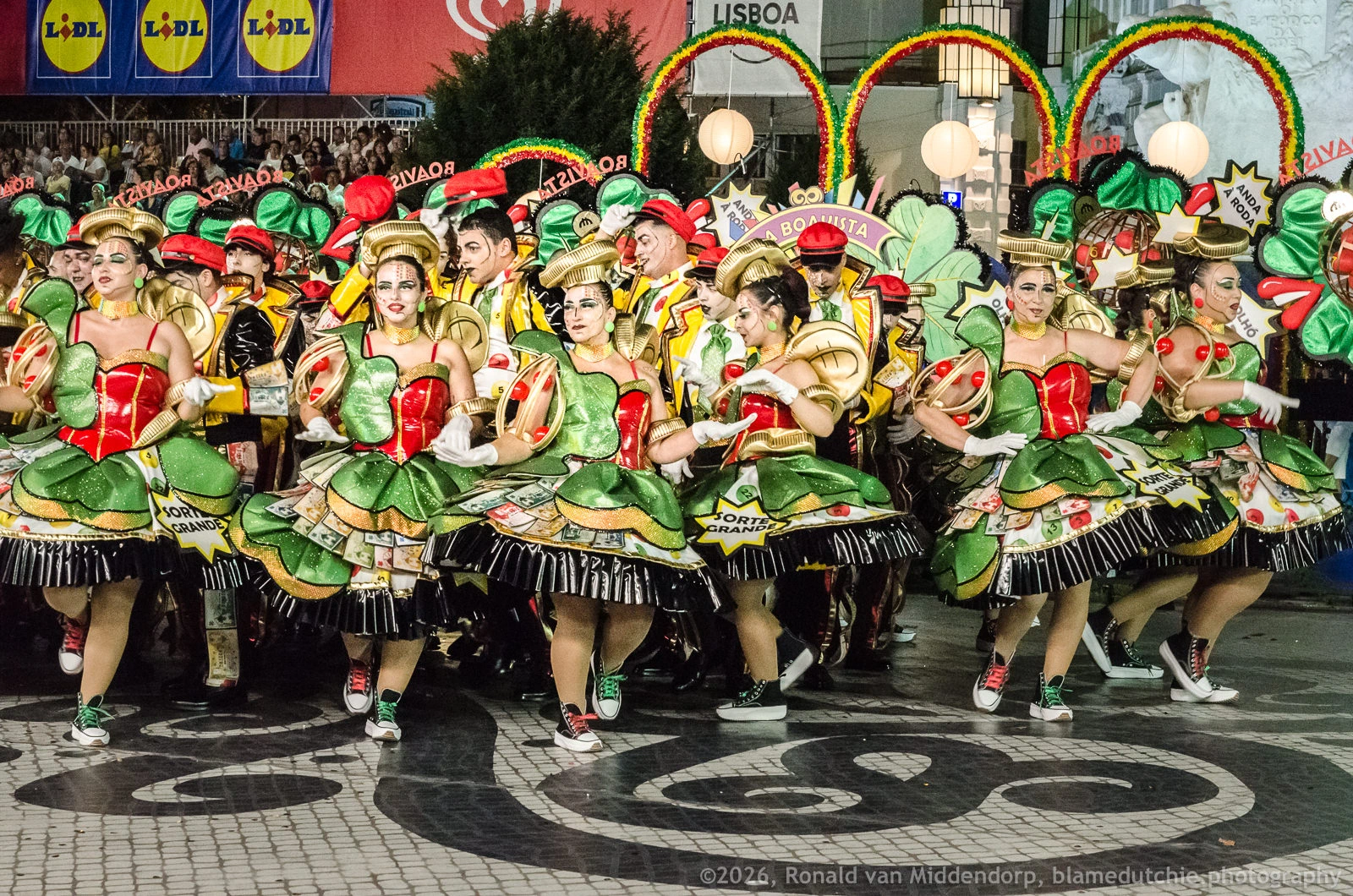
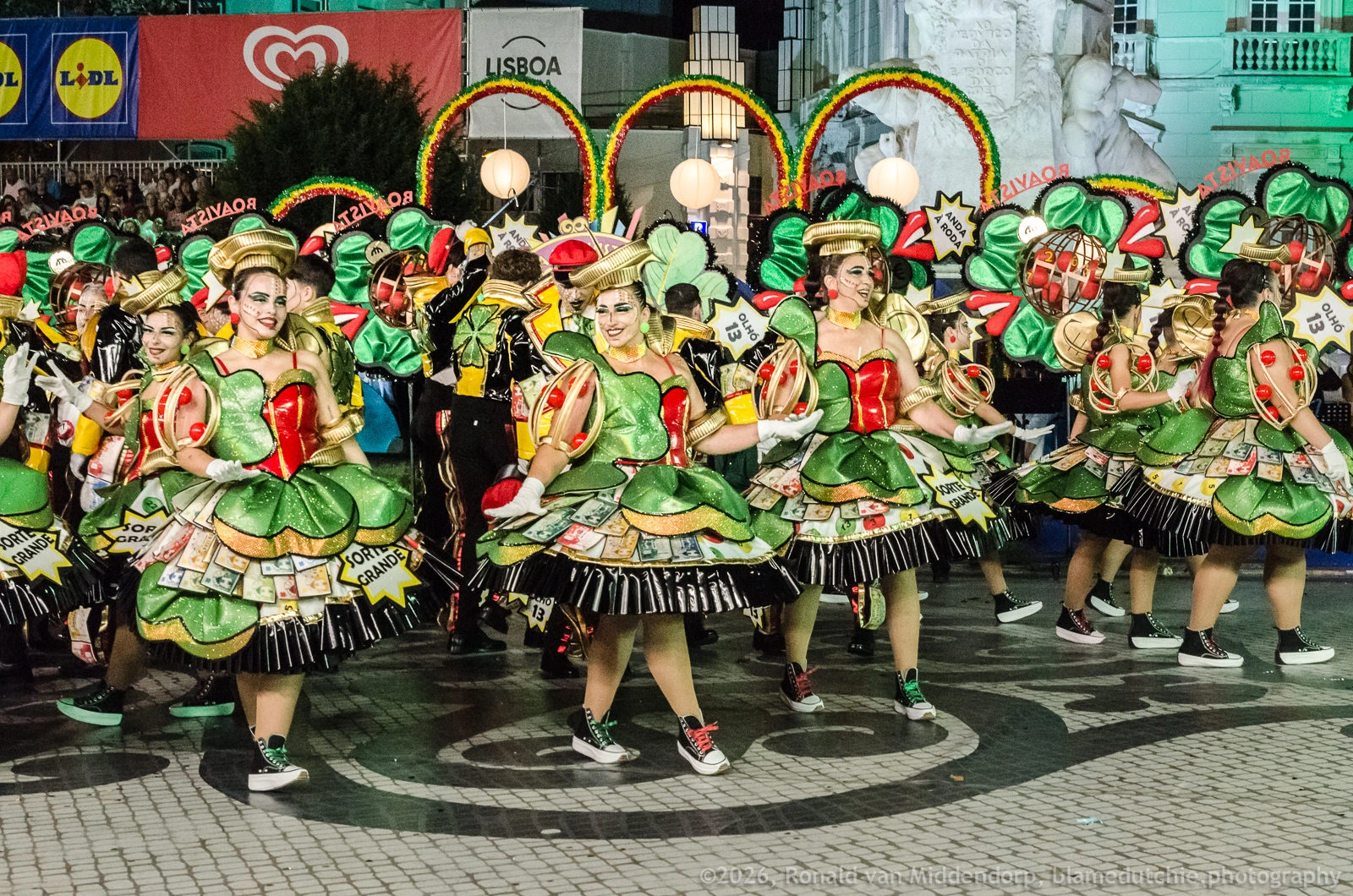
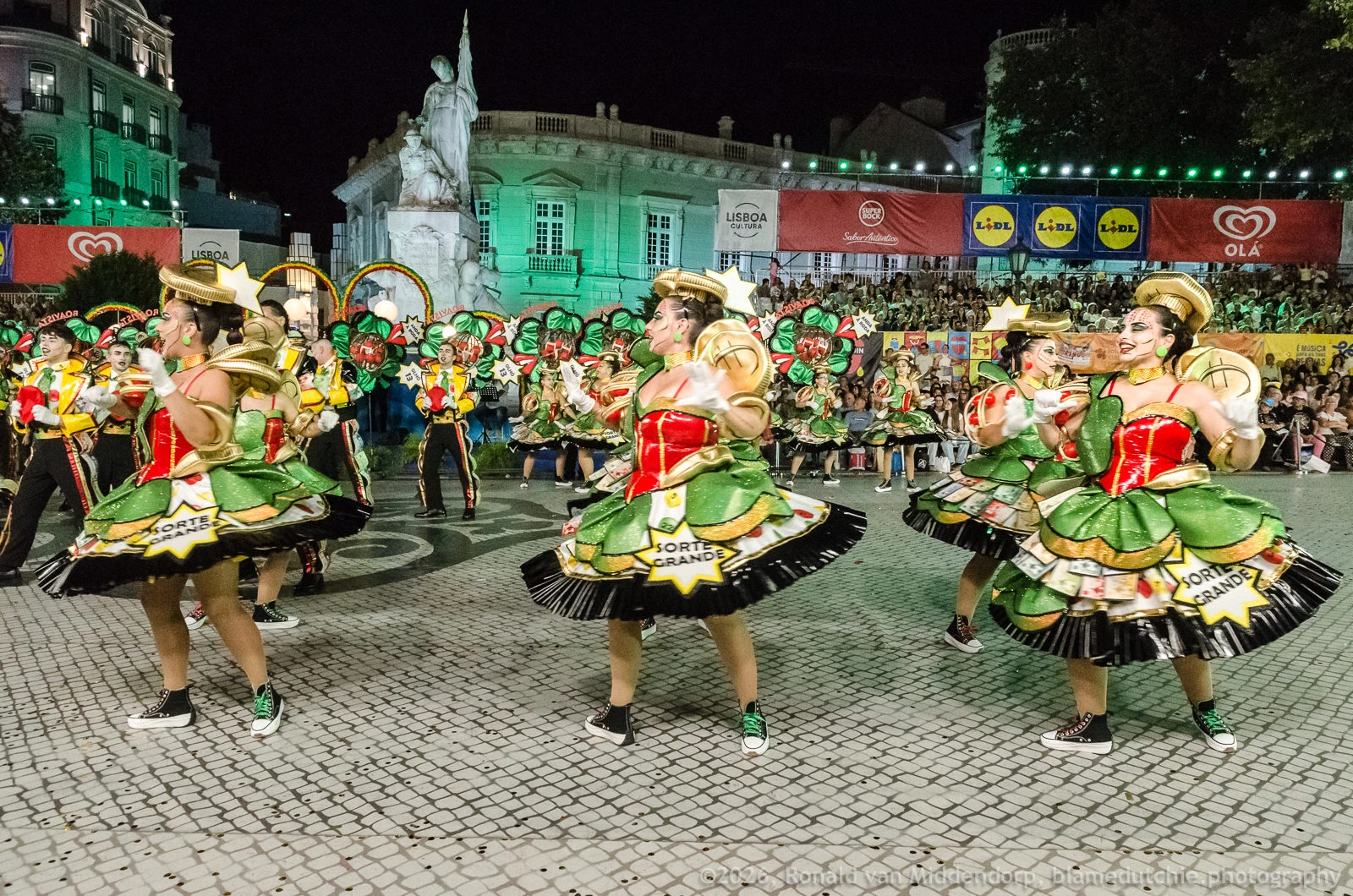
Boavista
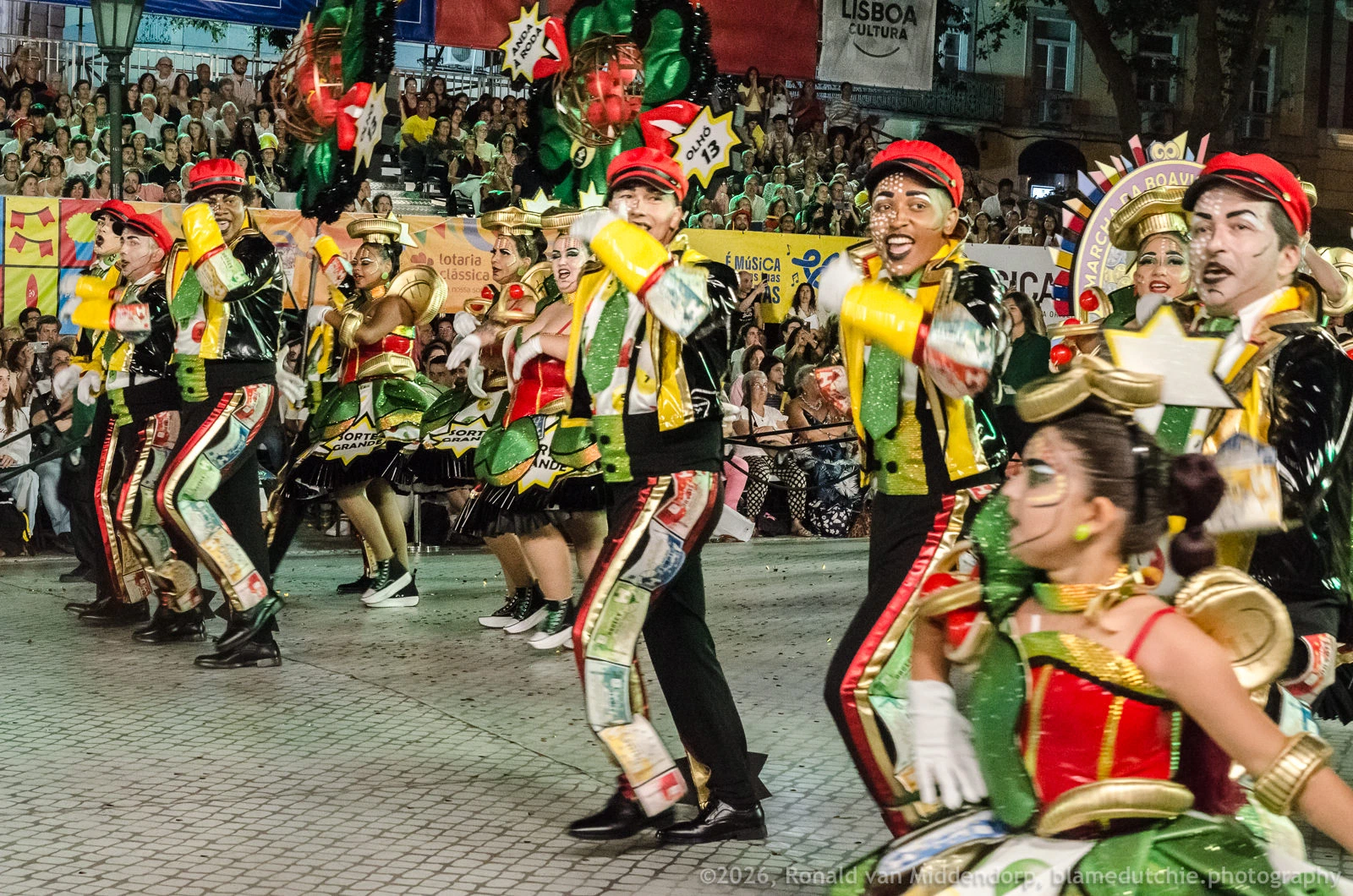
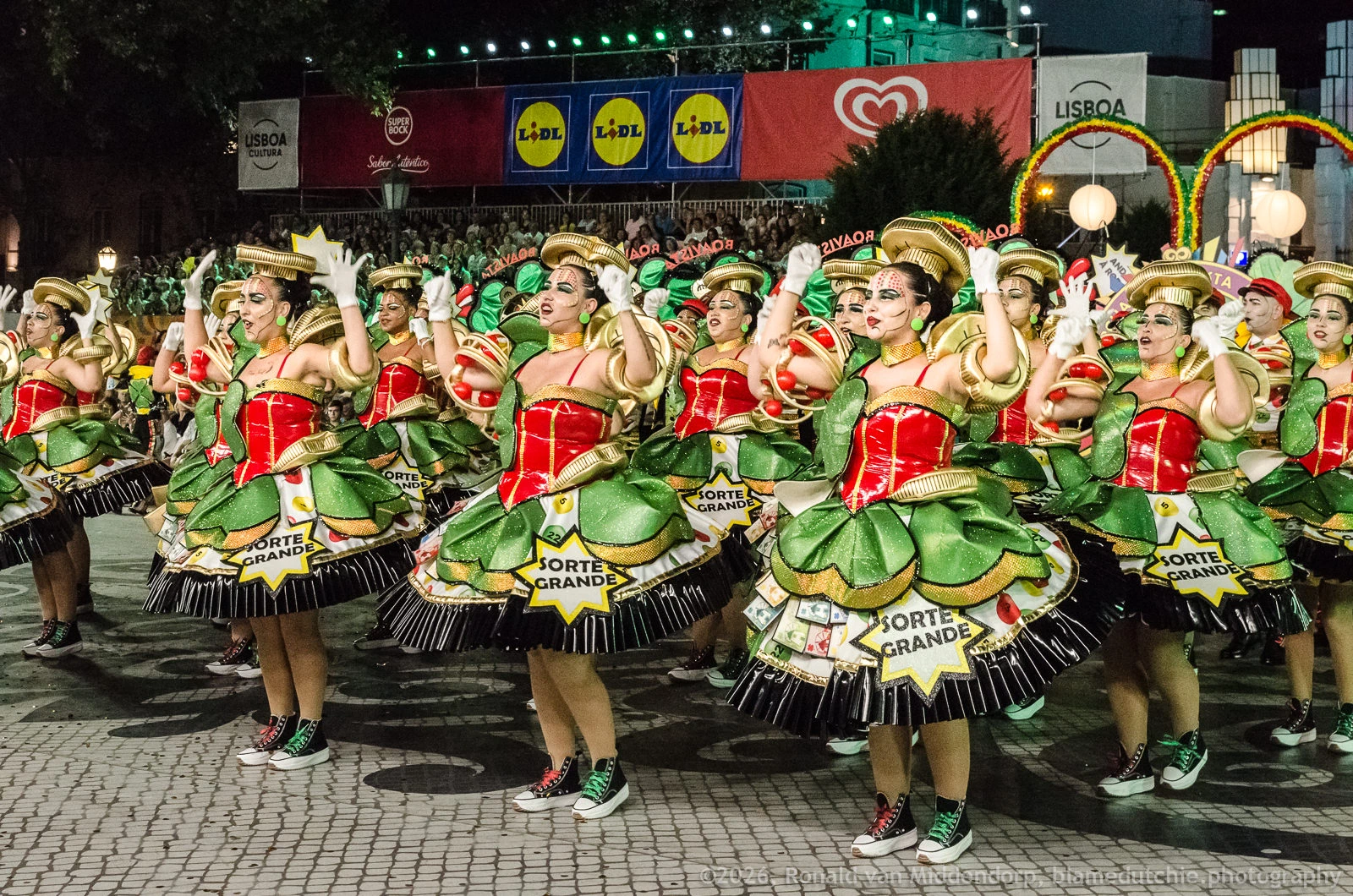
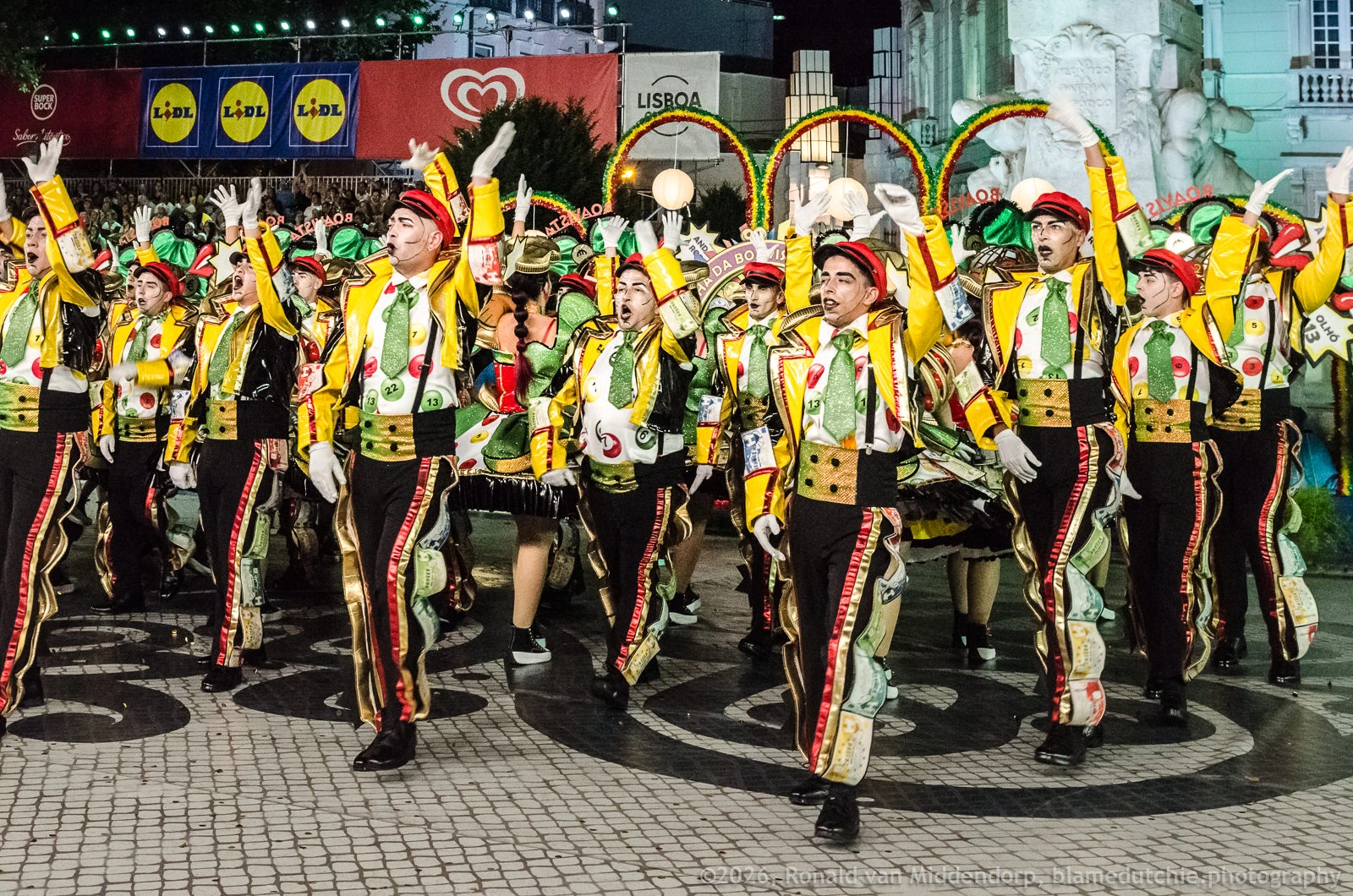
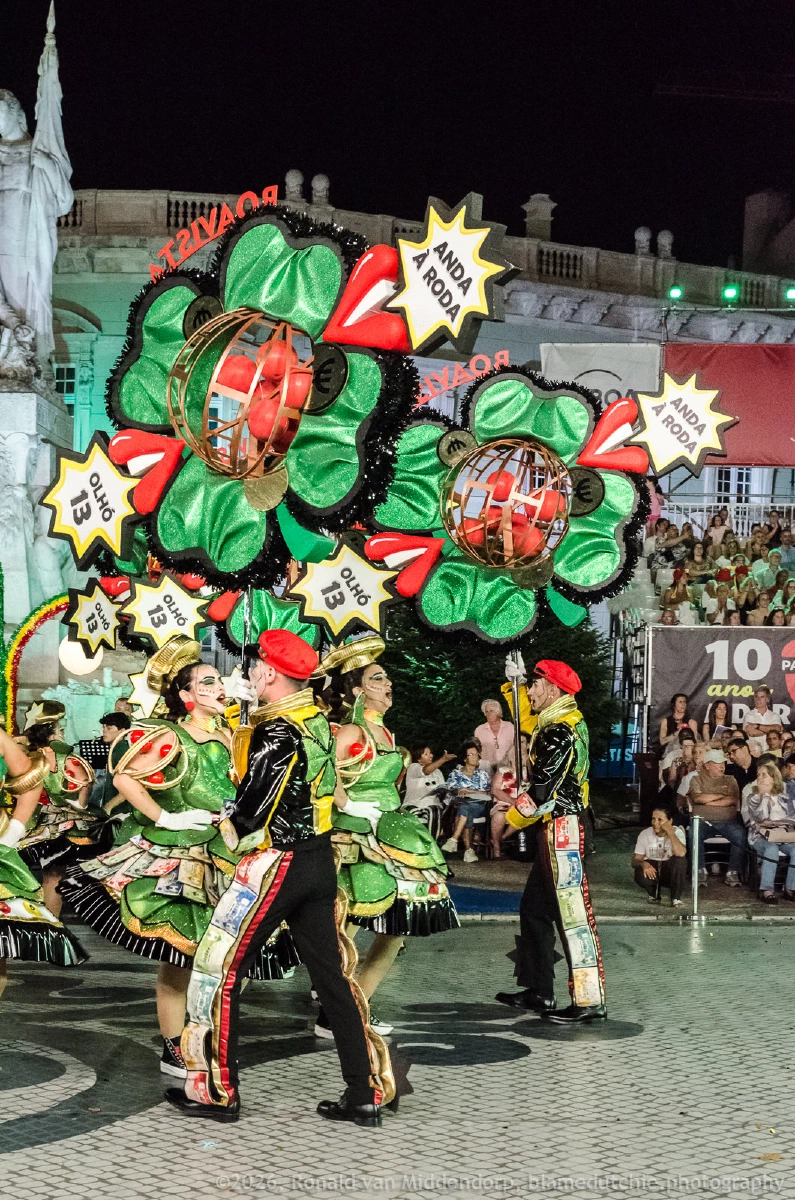
Graça
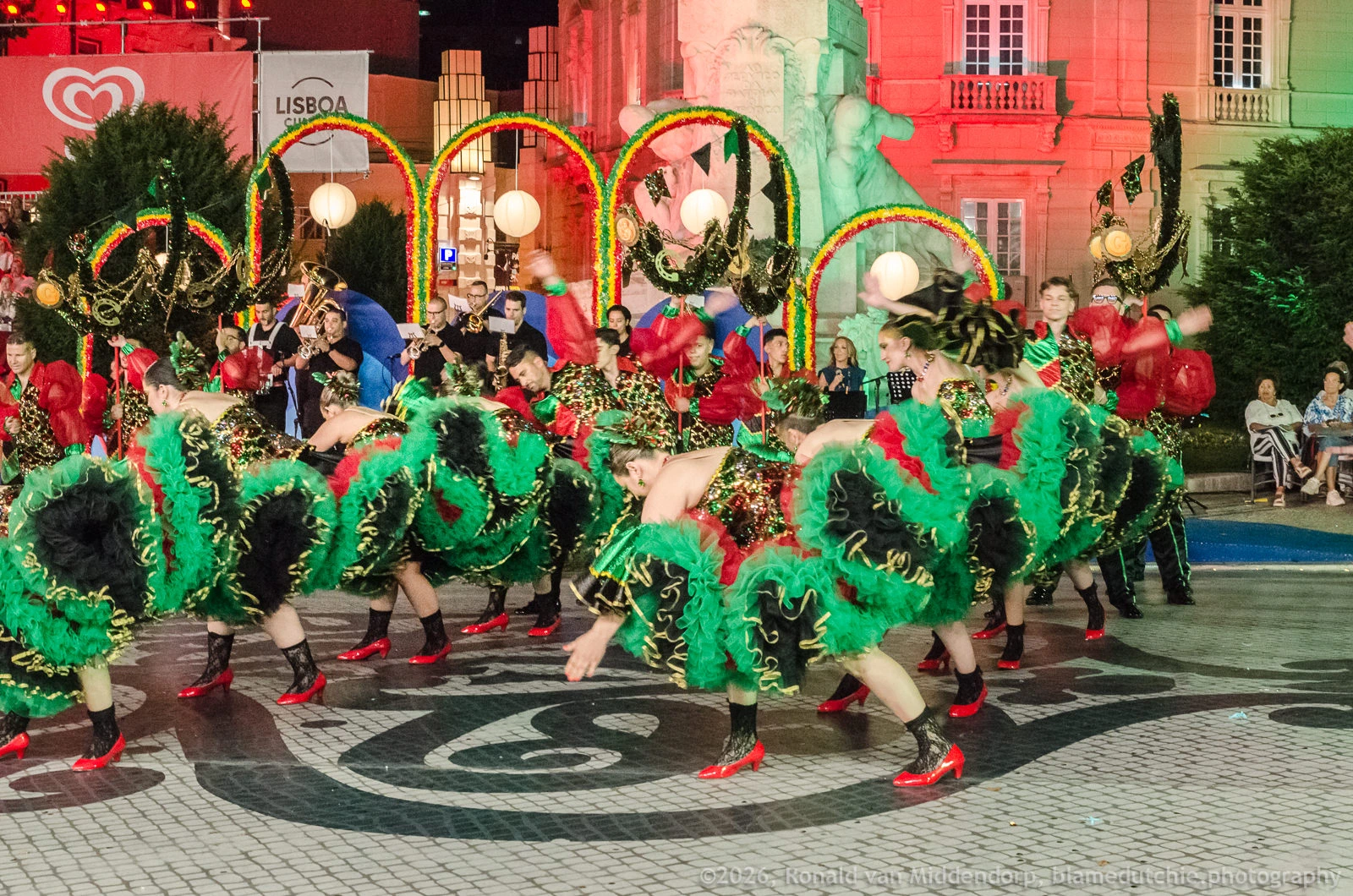
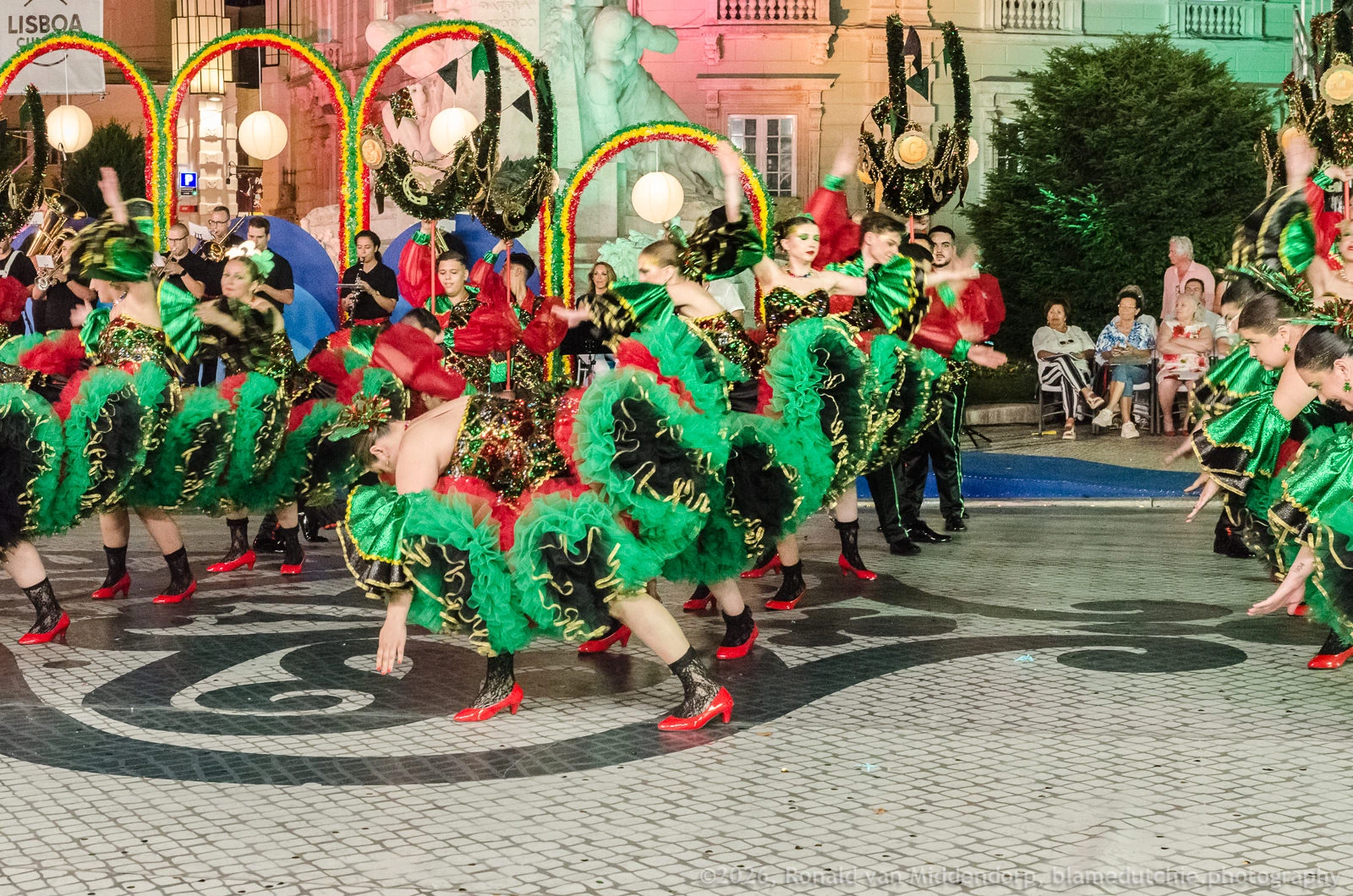
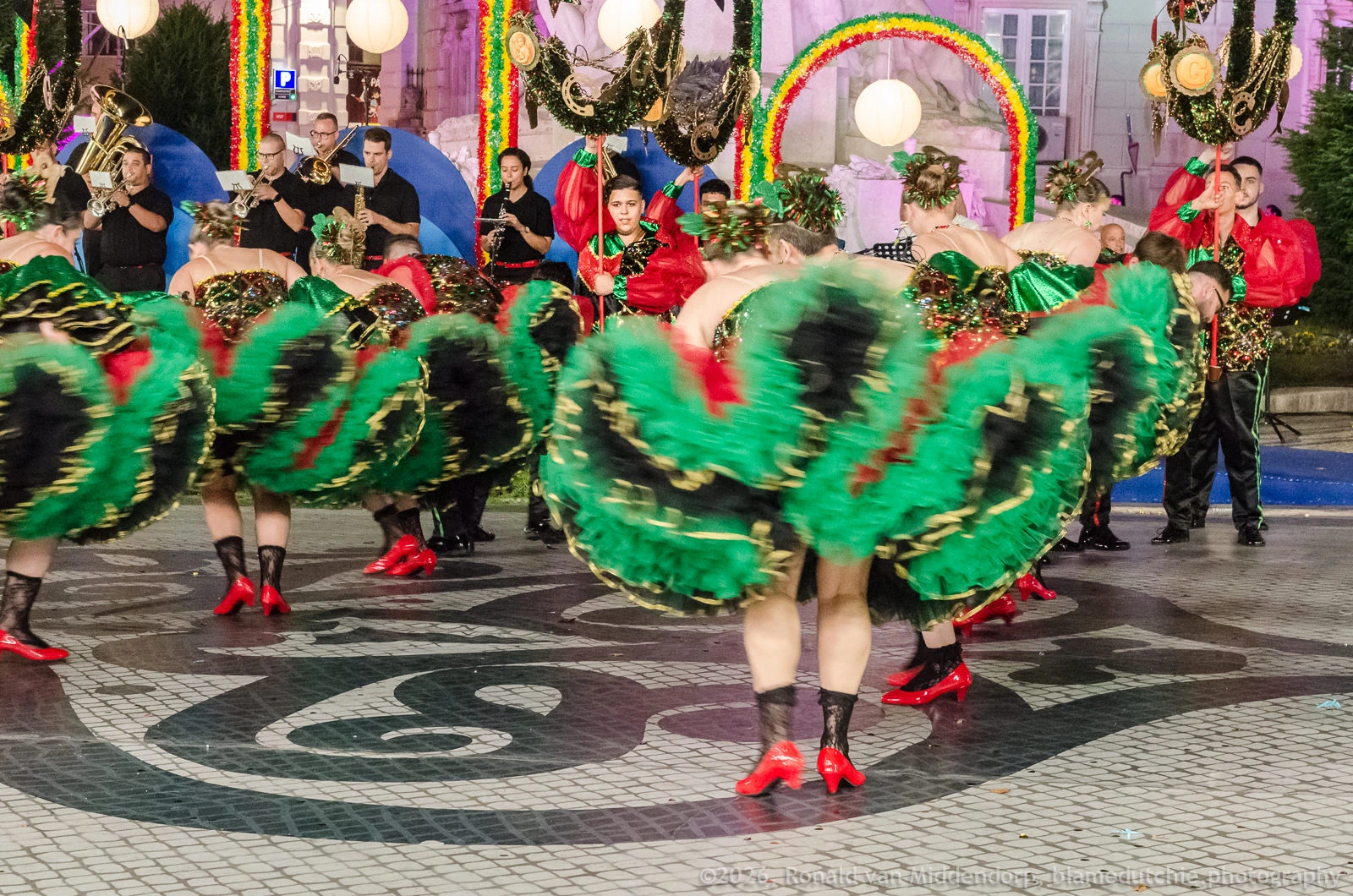
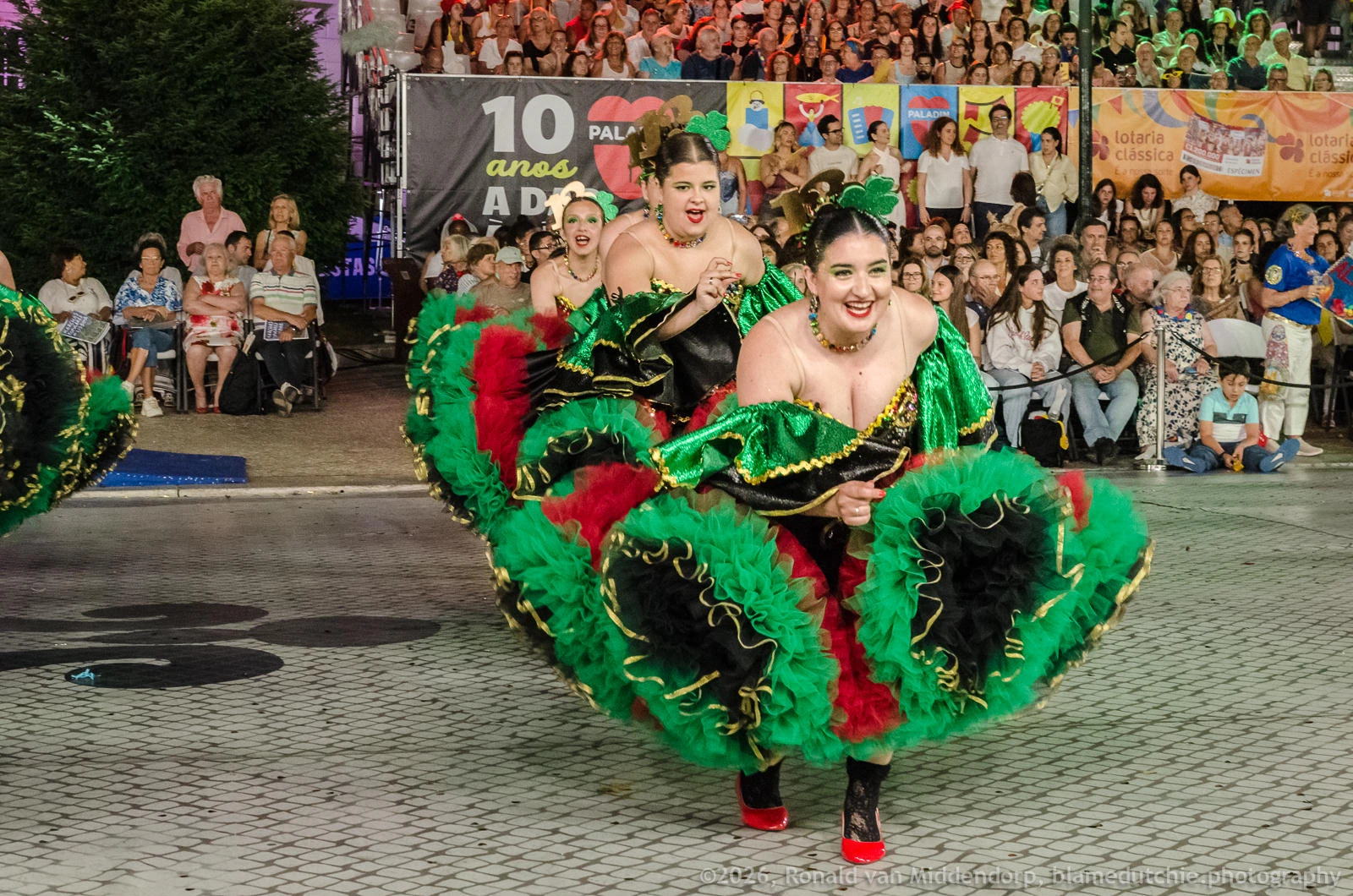
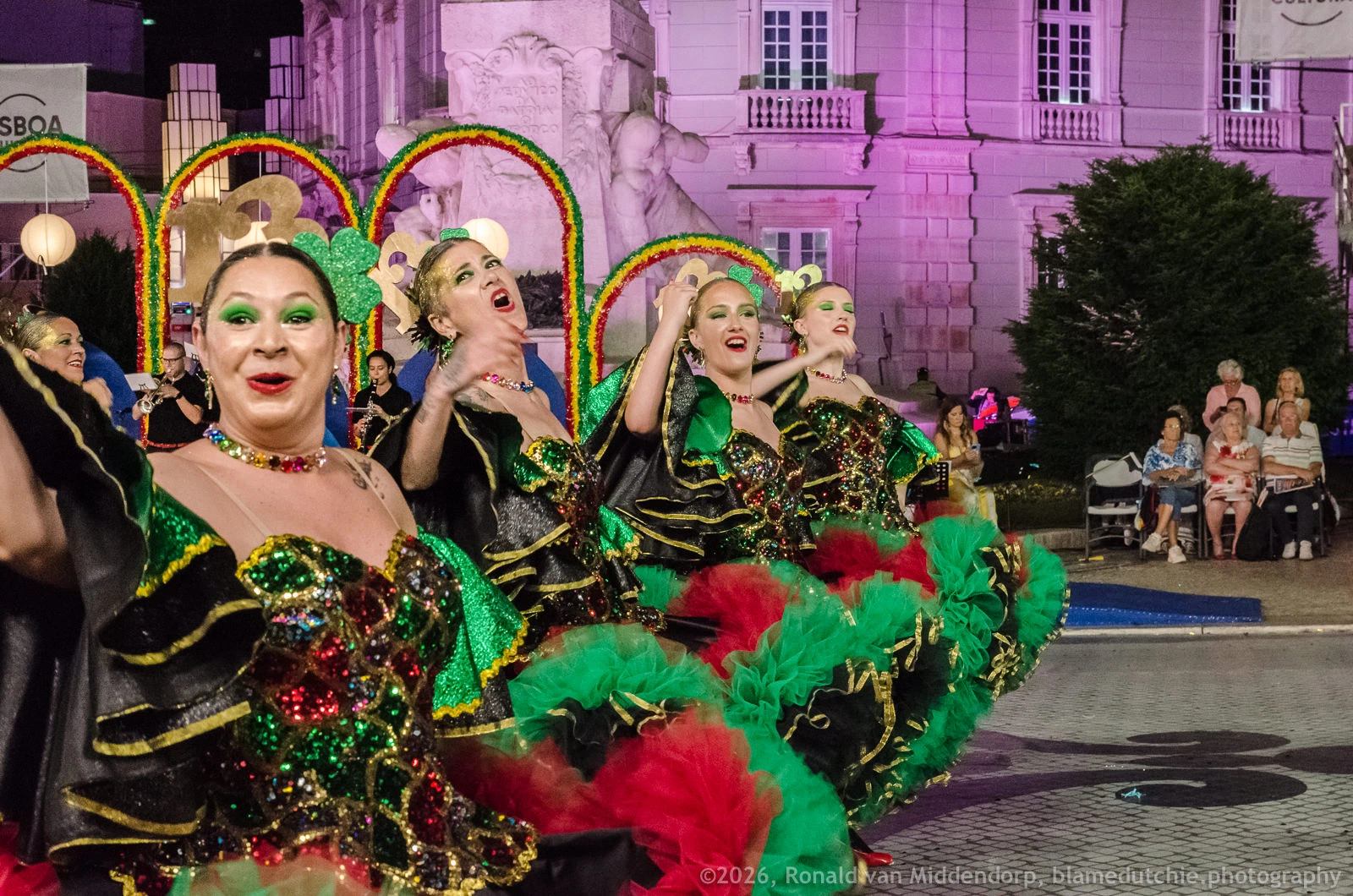
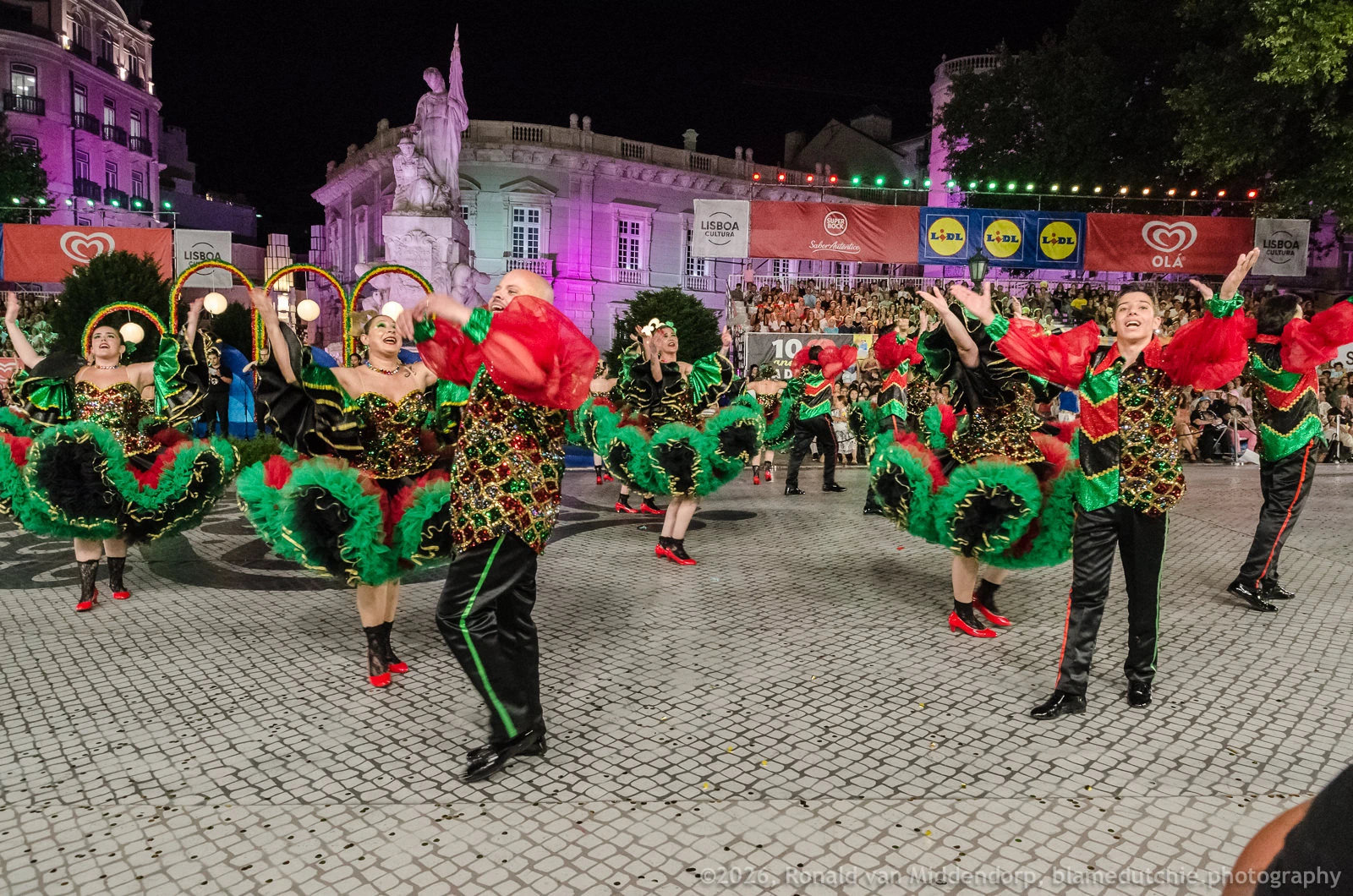
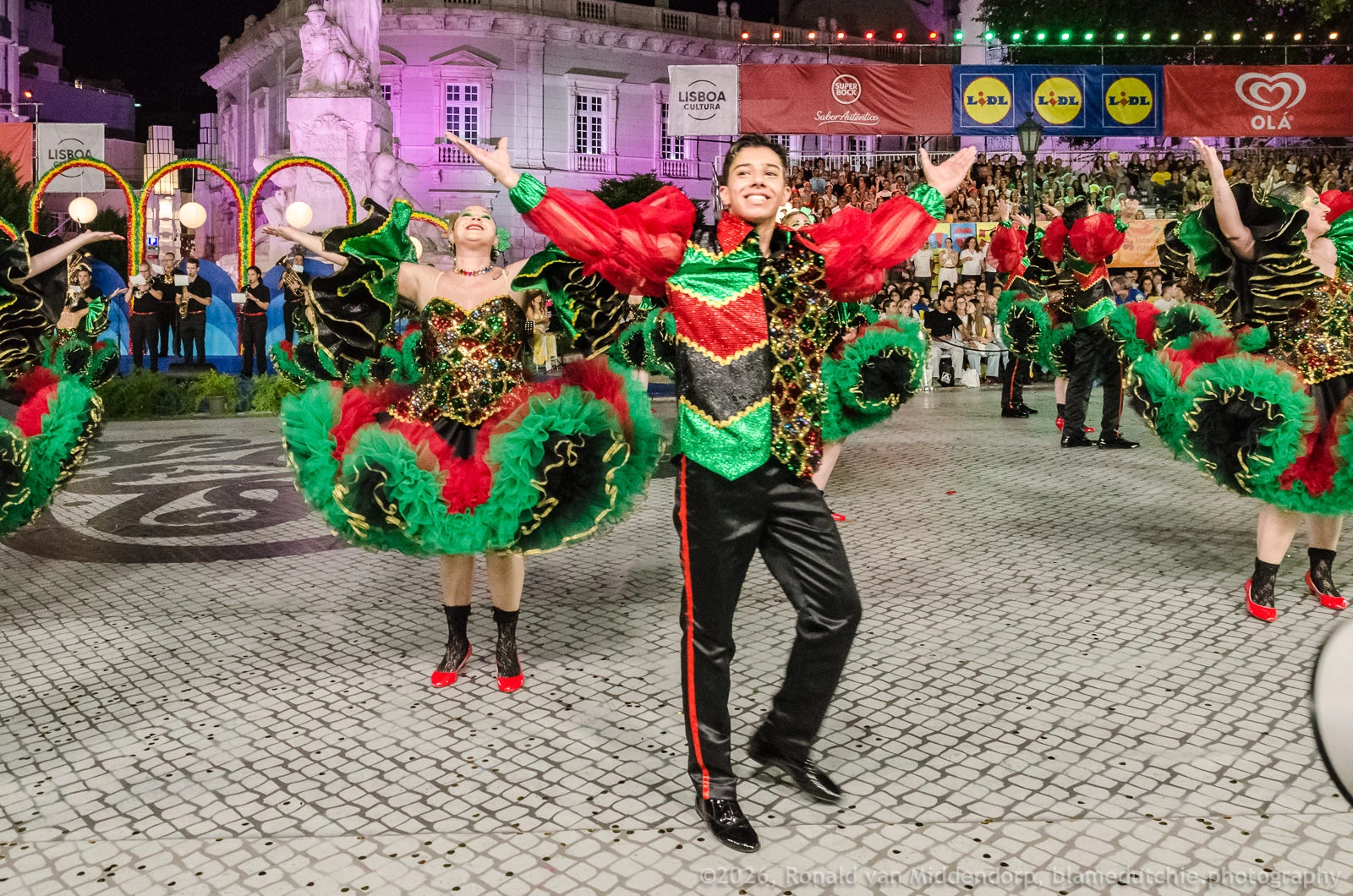
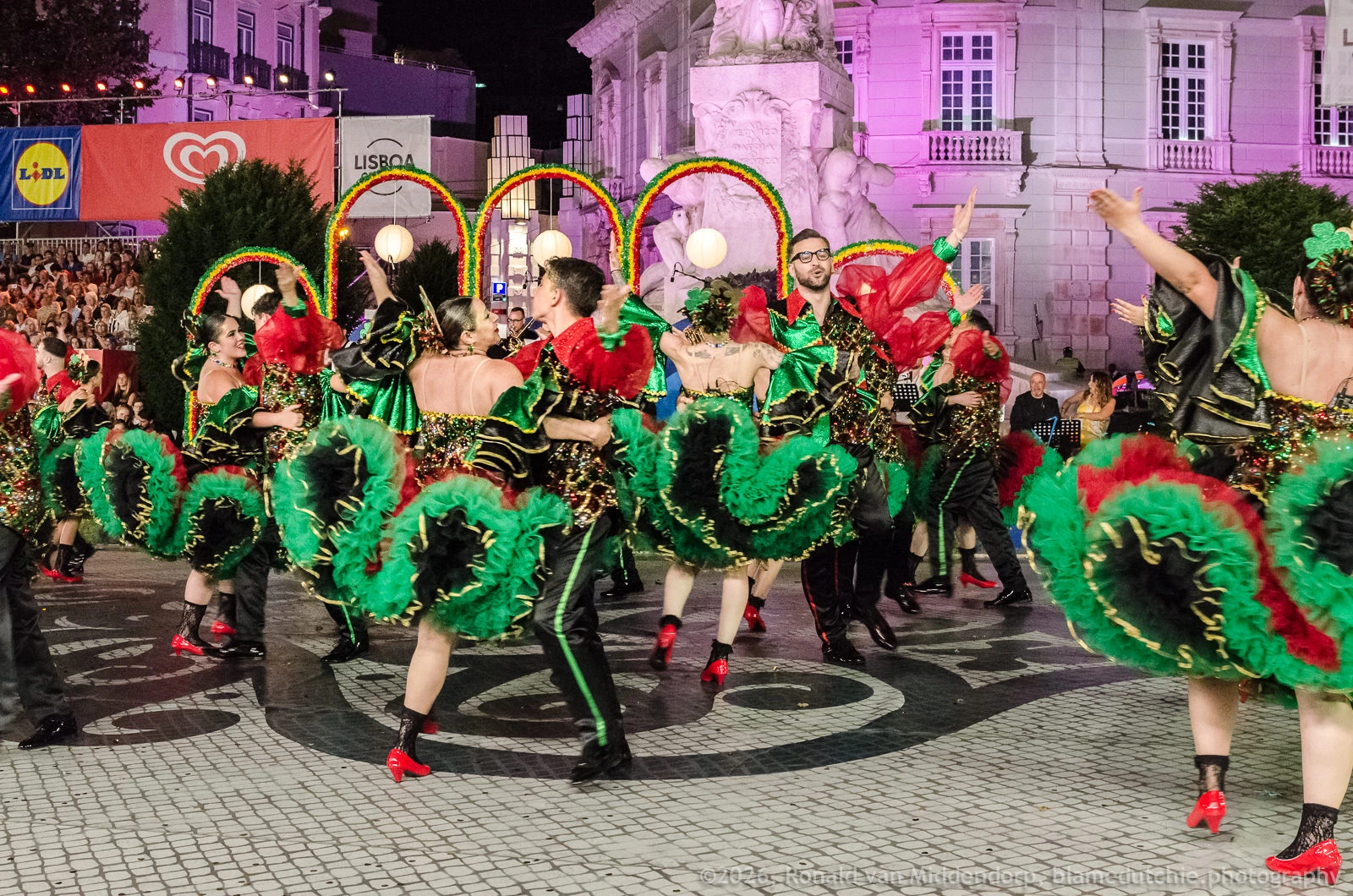
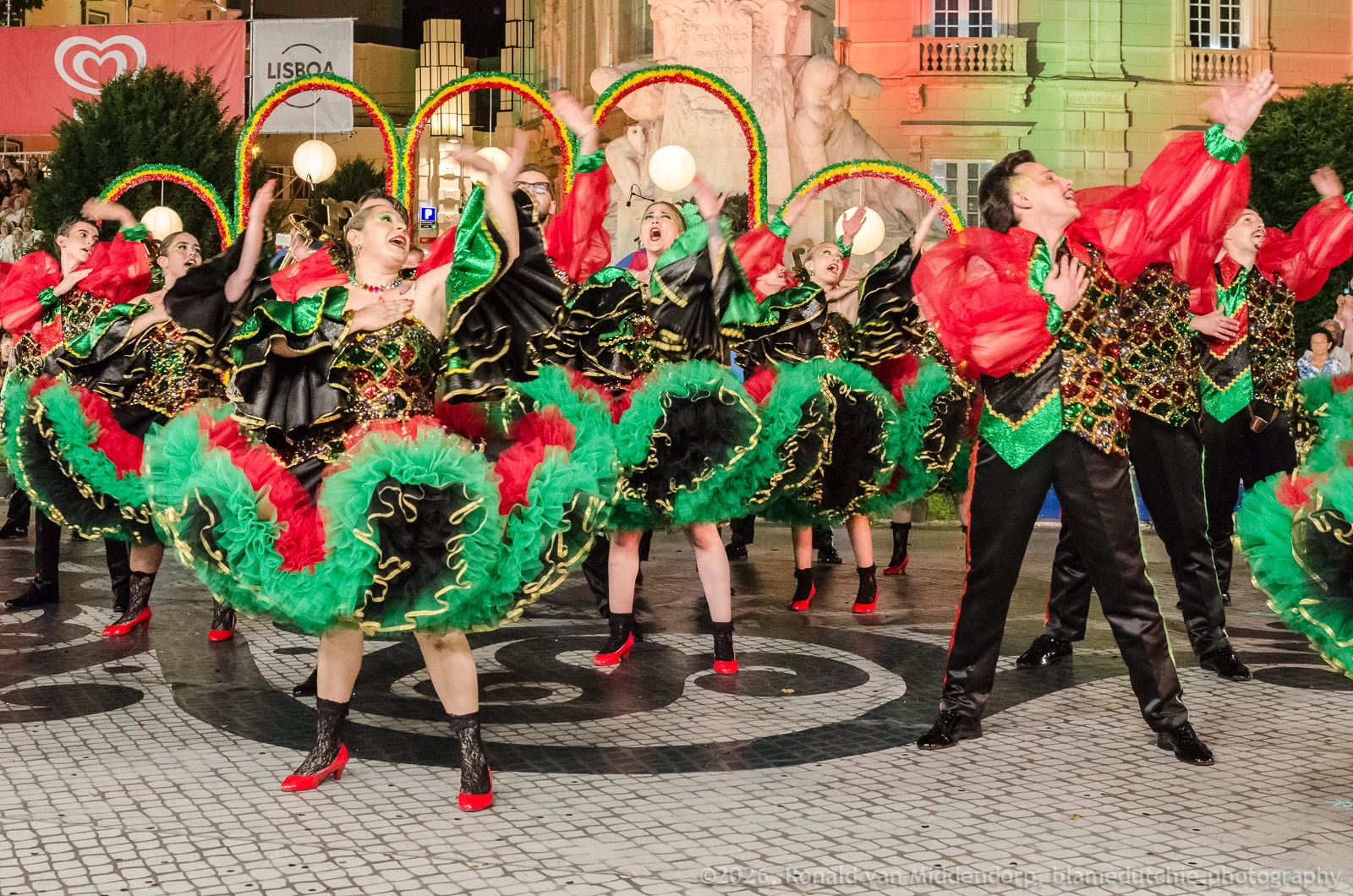
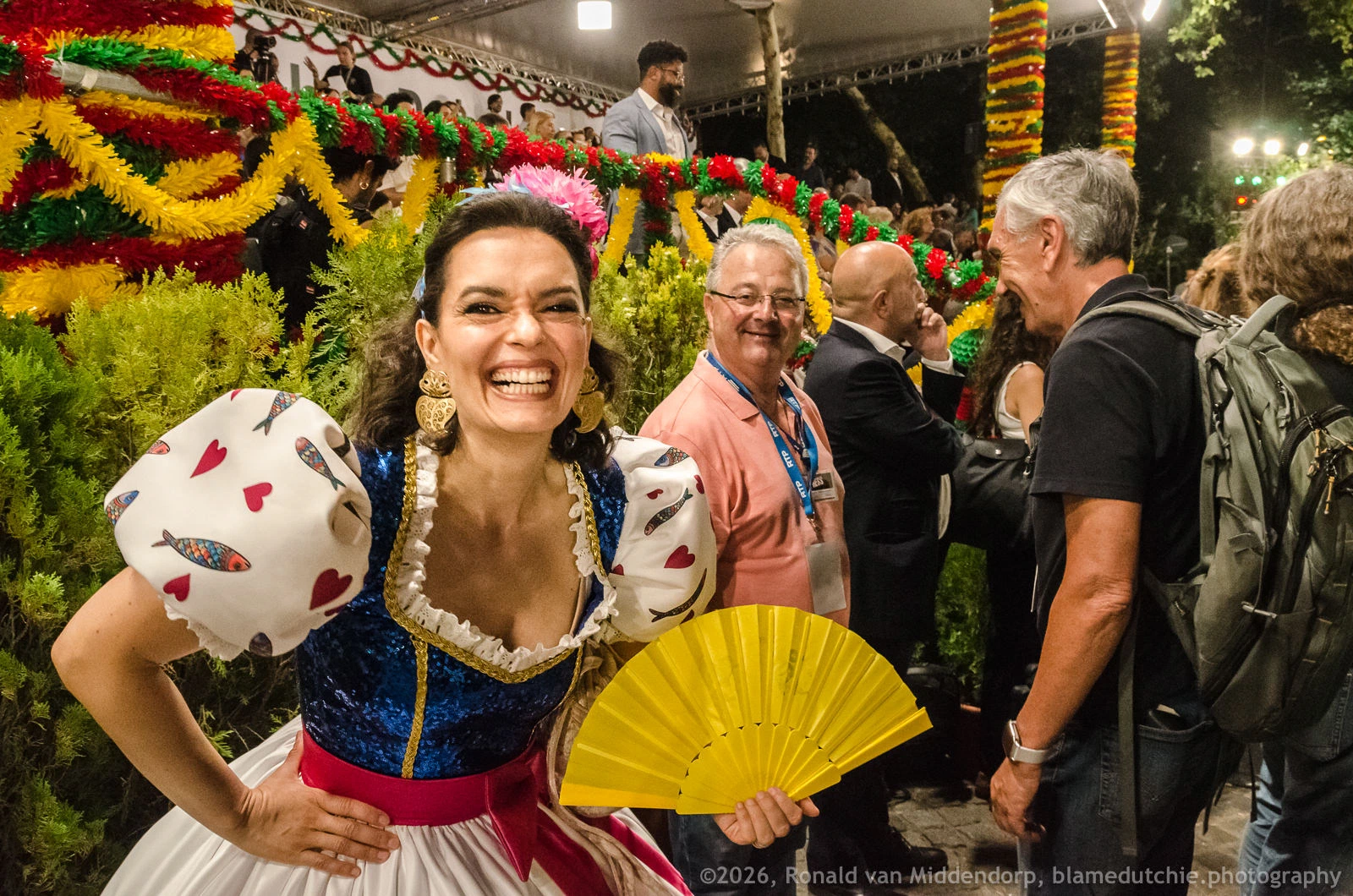
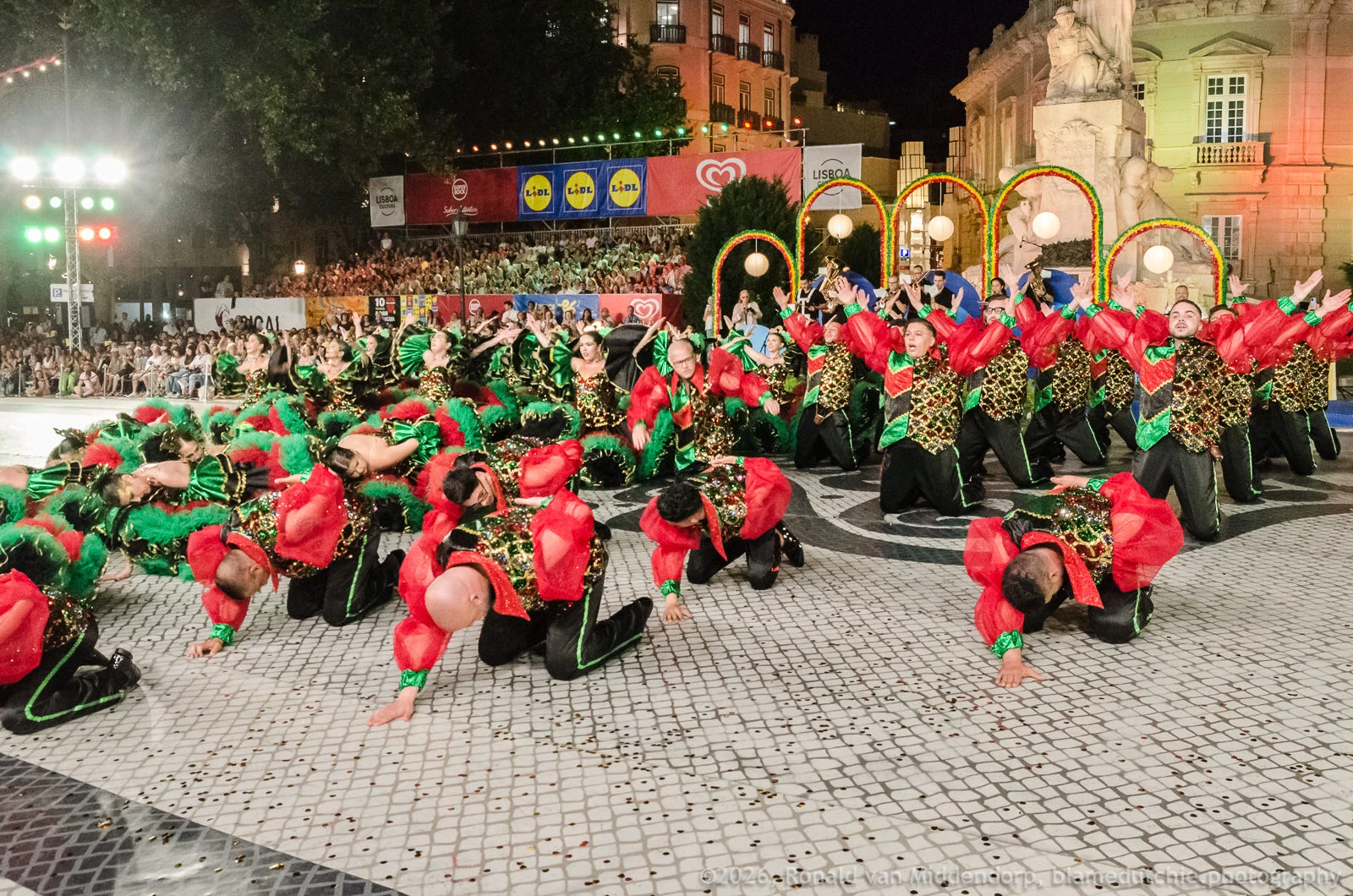
Wait… Weren’t there many more?
Yes, many more groups showed their costumes and dancing skills. The reason they are not part of this small reportage, I can explain with a line from from Little Feat’s Old Folks Boogie:
And You Know That You’re Over the Hill
When Your Mind Makes a Promise That Your Body Can’t Fill
So, to all the groups that I did not capture in images: sorry. It is what it is. Instead of forcing my body through its physical limits and pay the price later, I decided to listen to it. Slowly, I made my way through the festive crowd to spend some time with a bifana and a glass, before getting on the train back home.
I made my mark, cast another pebble in the river of the internet and changed it.
A little bit at least.
Hopefully, dear visitor, you will like it.
Until a next time.
What are your thoughts on this post?
If you liked this post, feel free to use one of the sharing options below. It always makes me smile when I see someone enjoyed it.